

































Understanding the “Wa” Concept in Japanese Work Culture for Filipinos
The Japanese concept of Wa, meaning harmony, plays a central role in workplace interactions, decision-making, and team relationships in Japan. For Filipinos working in Japanese companies, understanding and adapting to Wa can lead to better collaboration, mutual respect, and long-term career success.

What is “Wa” in Japanese Culture?
The term Wa (和) translates directly to “harmony” in English, but its meaning runs deeper in Japanese society. Historically rooted in the country’s political and social fabric, Wa emphasizes unity, cooperation, and avoiding unnecessary conflict. In the workplace, Wa encourages employees to work together toward shared goals rather than focusing on individual achievements.
Unlike cultures that celebrate boldness or individualism, Japan’s concept of Wa values subtlety and mutual respect. Employees are encouraged to anticipate the needs of their colleagues, resolve disputes quietly, and maintain a sense of collective well-being. For Filipinos, who are also culturally inclined toward hospitality and cooperation, Wa may feel familiar—but its structured, sometimes unspoken application in Japan can require adjustment.

Why “Wa” is Central to Japanese Work Culture
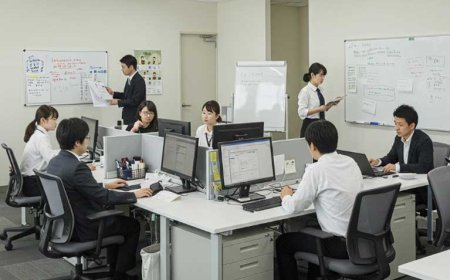
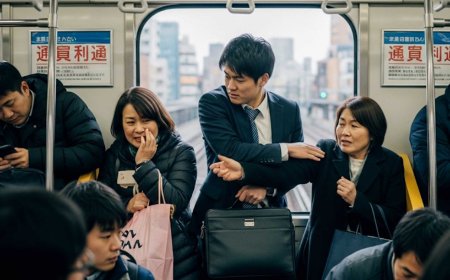
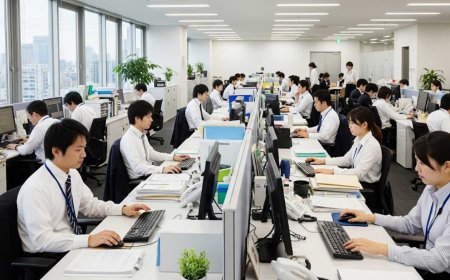
In Japanese companies, Wa is more than just an ideal—it’s a practical tool for efficiency and stability. Harmony ensures that the workplace runs smoothly, even in high-pressure environments. Managers prefer consensus-based decision-making, where team members voice opinions subtly and the group reaches an agreement without open confrontation.
This approach minimizes internal competition and builds trust, but it can be challenging for those used to more direct communication styles. Filipinos entering the Japanese workforce may find that Wa requires reading between the lines, avoiding aggressive language, and being aware of unspoken cues. In return, they gain the trust of their Japanese colleagues, which can open doors for promotions and deeper collaboration.

The Role of Group Harmony in Decision-Making
Japanese companies often operate on the principle of nemawashi—informal discussions and consensus-building before formal decisions are made. This ensures that no one feels blindsided and that the group maintains Wa. For Filipinos, this might contrast with workplaces where leaders make quick, top-down decisions.
To adapt, Filipinos should engage in pre-meeting conversations, seek feedback quietly, and respect the collective opinion even if they personally disagree. By doing so, they not only align with Wa but also avoid the risk of being perceived as disruptive or self-centered.

Communication Styles Under “Wa”
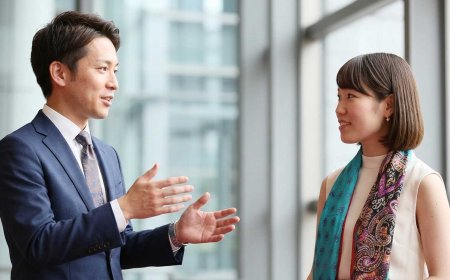
Communication in a Wa-centered workplace is often indirect. Japanese professionals might avoid saying “no” outright, instead using phrases like “It may be difficult” (Muzukashī kamo shirenai - 難しいかもしれない) or “We will consider it” (Kentō sa sete itadakimasu - 検討させていただきます). This helps preserve the relationship and avoids embarrassment for either party.
For Filipinos, who are known for warmth and adaptability, this style can be manageable—but it requires resisting the urge to be overly blunt. Instead, mirroring the Japanese approach by using soft, respectful language shows cultural sensitivity and strengthens workplace rapport.
How Filipinos Can Adapt to “Wa”
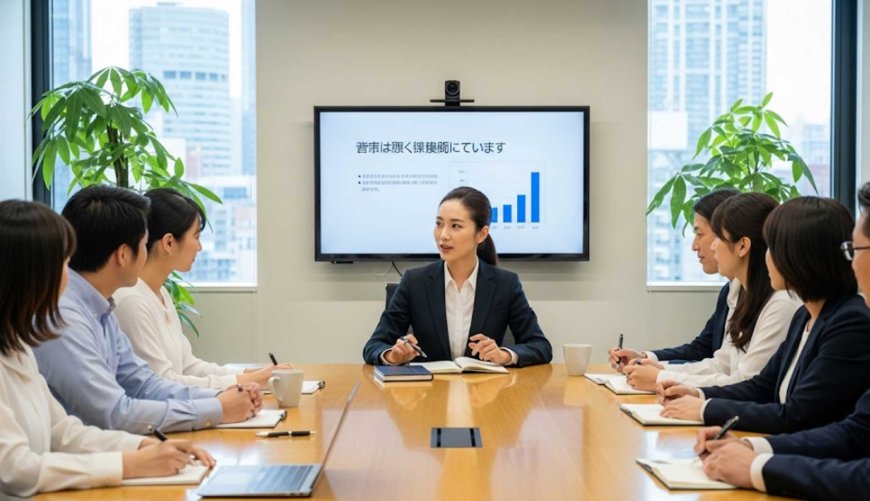
Filipinos in Japan can thrive by integrating Wa into their daily work habits:
- Listen before speaking – Understand the group’s mood and priorities before contributing.
- Show empathy – Be mindful of colleagues’ perspectives, even in disagreements.
- Avoid public criticism – Give feedback privately to protect others’ dignity.
- Participate in team activities – Social bonding, such as after-work dinners (nomikai), reinforces Wa.
By making these adjustments, Filipinos demonstrate respect for Japanese values while still bringing their own strengths—such as creativity and resilience—to the team.

Balancing Filipino Warmth with Japanese Harmony
Both Filipino and Japanese cultures value respect, cooperation, and good relationships, but they express them differently. Filipinos often rely on emotional warmth, humor, and personal storytelling to build connections. Japanese culture, guided by Wa, leans toward quiet respect, formality, and shared responsibility.
The most successful Filipino workers in Japan learn to balance both worlds—using Filipino charm to create friendly environments while respecting Japanese norms to maintain Wa. This balance not only fosters smoother teamwork but also creates a unique bridge between the two cultures.

The Long-Term Benefits of Embracing “Wa”
For Filipinos who fully embrace Wa, the rewards go beyond smoother workplace interactions. They gain a reputation as reliable, culturally aware professionals, which can lead to better job stability, leadership opportunities, and trust from both Japanese colleagues and management.
In an increasingly globalized Japan, the ability to navigate Wa while contributing fresh ideas is a rare and valued skill. Filipinos who master this balance not only excel individually but also help strengthen multicultural understanding in the workplace.
A Unique Perspective
Understanding Wa is not about losing one’s cultural identity—it’s about harmonizing with Japanese workplace values while contributing one’s unique perspective. For Filipinos working in Japan, Wa offers a path to mutual respect, professional growth, and long-lasting workplace relationships.
Nipino.com is committed to providing you with accurate and genuine content. Let us know your opinion by clicking HERE.