
































































Bowing in Japan: When and How to Do It Properly
Bowing is one of the most important gestures in Japanese culture, used to express respect, gratitude, and apology. Understanding when and how to bow properly helps foreigners build better relationships and avoid cultural misunderstandings in Japan.

Why Bowing Matters in Japan
For many foreigners, bowing is one of the first things they notice when they arrive in Japan. Unlike handshakes or casual greetings in other countries, bowing is deeply rooted in Japanese culture and carries significant meaning.
Bowing is not just a greeting—it is a way to show respect, express gratitude, apologize, and maintain social harmony. For beginners, learning how to bow properly can greatly improve interactions in both personal and professional settings.
Want to adapt smoothly to Japanese culture from day one? Explore the Japan Starter Toolkit.
What Is Bowing? Understanding Its Cultural Meaning
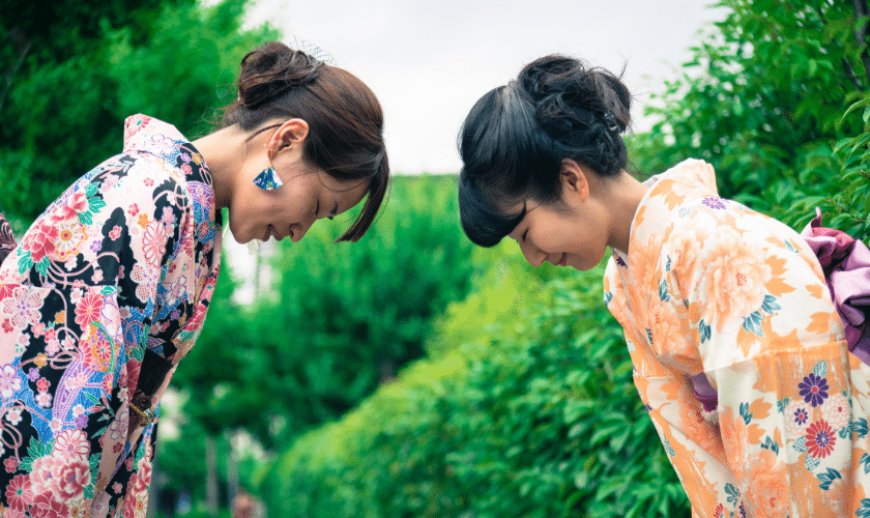
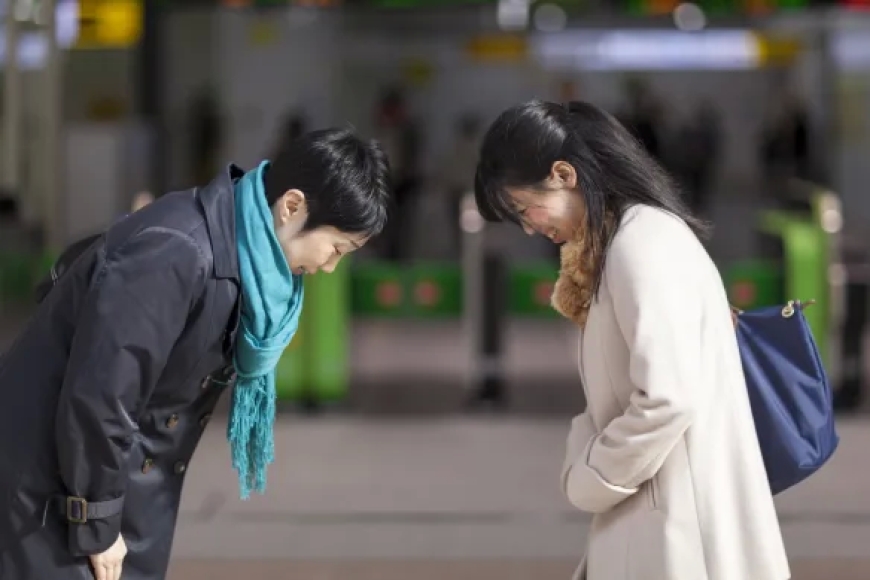
Bowing, or "ojigi" (お辞儀), is a traditional gesture used in Japan to communicate respect and humility.
It is commonly used in:
- Greetings
- Thanking someone
- Apologizing
- Showing appreciation
- Formal business interactions
Unlike in many cultures where words are enough, in Japan, body language plays a crucial role. Bowing reinforces sincerity and politeness.
When to Bow in Japan
Knowing when to bow is just as important as knowing how to bow.
✔ Common Situations:
- Greeting someone (hello/goodbye)
- Saying thank you
- Apologizing
- Meeting someone for the first time
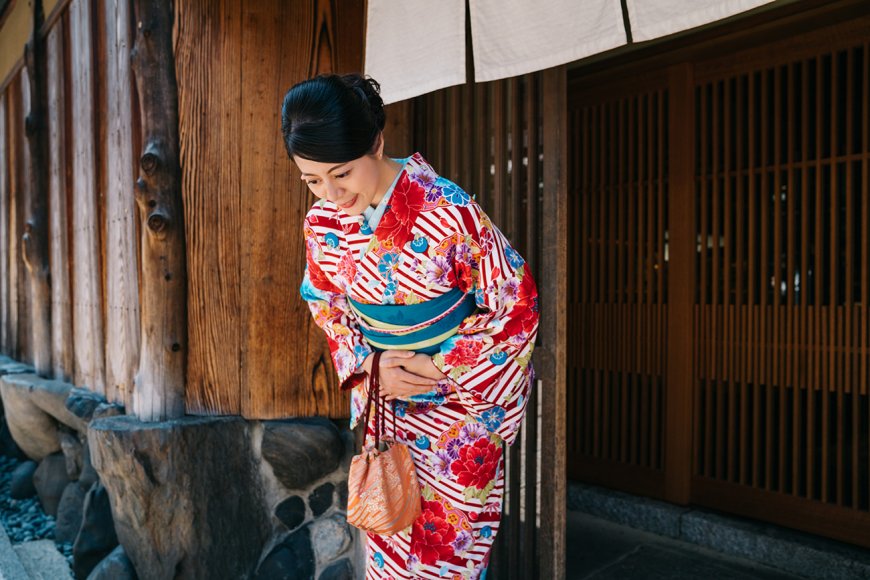
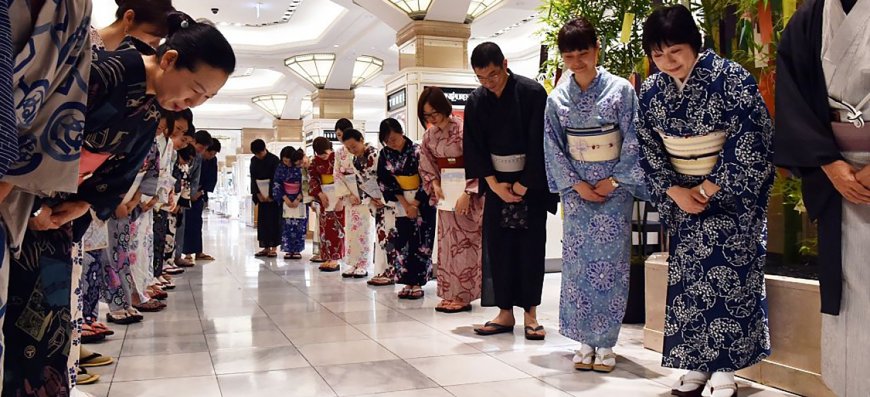
- Entering or leaving a workplace or store
In daily life, bowing often happens automatically and is combined with polite expressions.
Learn common expressions used with bowing in Everyday Japanese for Beginners.
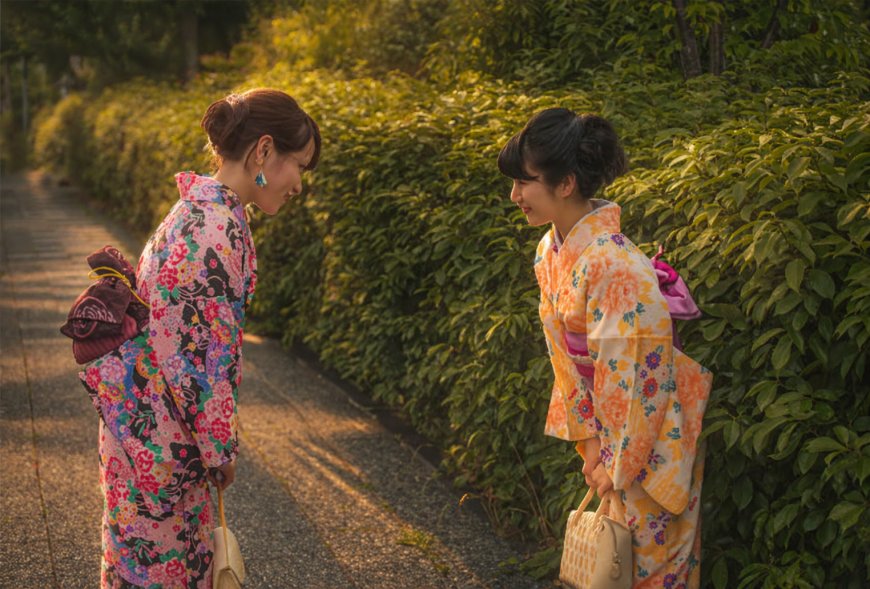
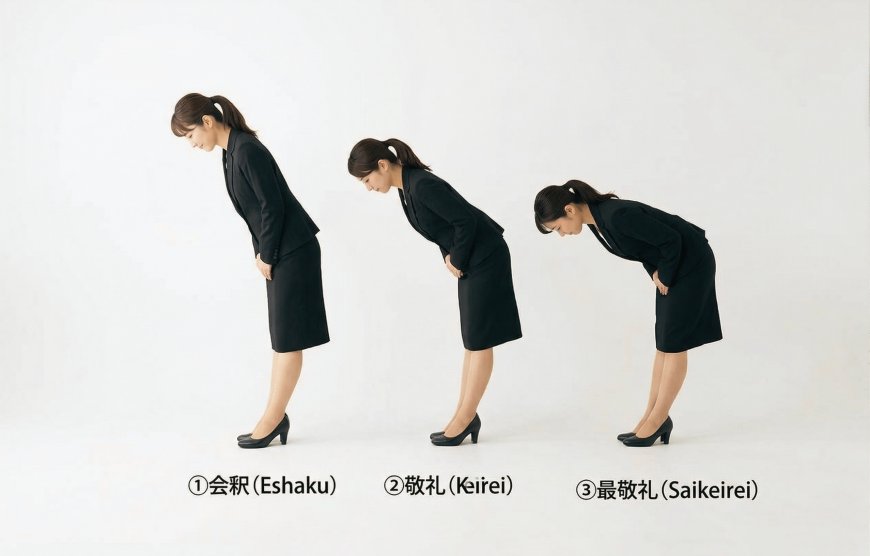
Types of Bows: How Deep Should You Bow?
Not all bows are the same. The depth and duration of a bow depend on the situation.
1. Casual Bow (Eshaku — 約15°)
- Used for casual greetings
- Common among friends or coworkers
2. Standard Bow (Keirei — 約30°)
- Used in business settings
- Shows respect and politeness
3. Deep Bow (Saikeirei — 約45° or more)
- Used for formal apologies or deep gratitude
- Shows the highest level of respect
For beginners, a simple slight bow is usually enough in everyday situations.
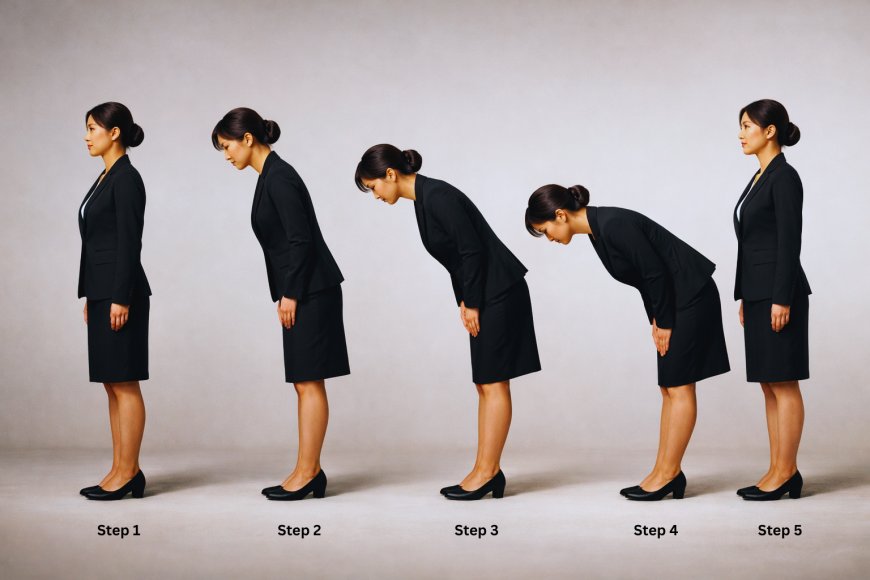
How to Bow Properly (Step-by-Step)
Bowing may look simple, but proper form is important.
✔ Basic Steps:
- Stand straight
- Keep your back and neck aligned
- Lower your upper body slowly
- Pause briefly
- Return to an upright position
✔ Hand Position:
- Men: Hands at sides
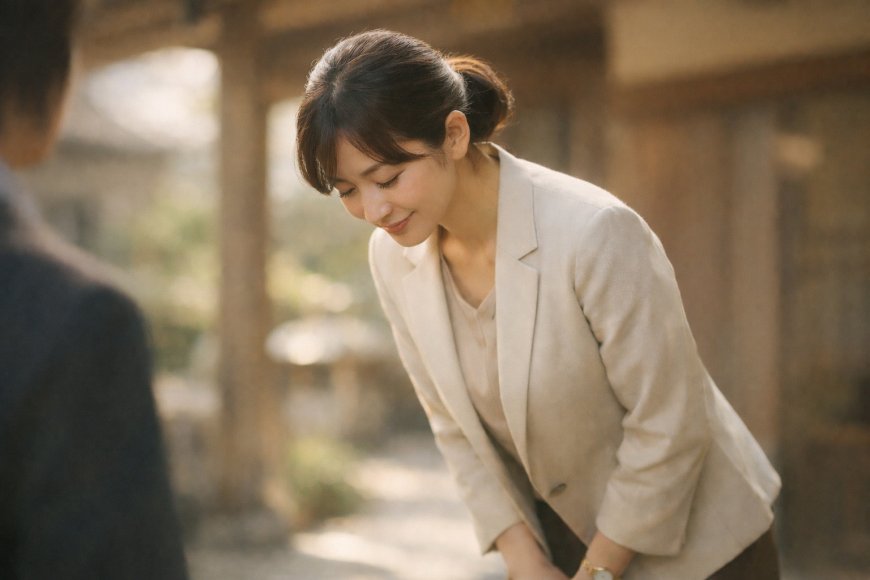
- Women: Hands placed in front
❌ Avoid:
- Bowing too quickly
- Nodding instead of bowing
- Slouching
Even a small effort to bow correctly is appreciated.
Bowing with Words: The Perfect Combination
In Japan, bowing is usually combined with polite phrases.
Examples include:
- "Arigatou gozaimasu" (Thank you)
- "Sumimasen" (Excuse me / Sorry)
- "Ohayou gozaimasu" (Good morning)
This combination of gesture and language creates a stronger impression of politeness.
Master these phrases with Everyday Japanese for Beginners.

Bowing in Business Situations
In professional environments, bowing becomes more structured and important.
✔ Key Points:
- Bow when greeting clients or colleagues
- Match the level of formality
- Avoid overly casual gestures
In business, bowing shows professionalism, respect, and awareness of hierarchy.
Understanding this is especially important for foreigners working in Japan.

Common Mistakes Foreigners Make When Bowing
Many beginners feel unsure about bowing, which can lead to common mistakes.
❌ Common Mistakes:
- Overthinking and bowing too often
- Bowing too deeply in casual situations
- Mixing handshakes and bows awkwardly
- Forgetting to bow entirely
The key is balance. A simple, natural bow is usually enough.
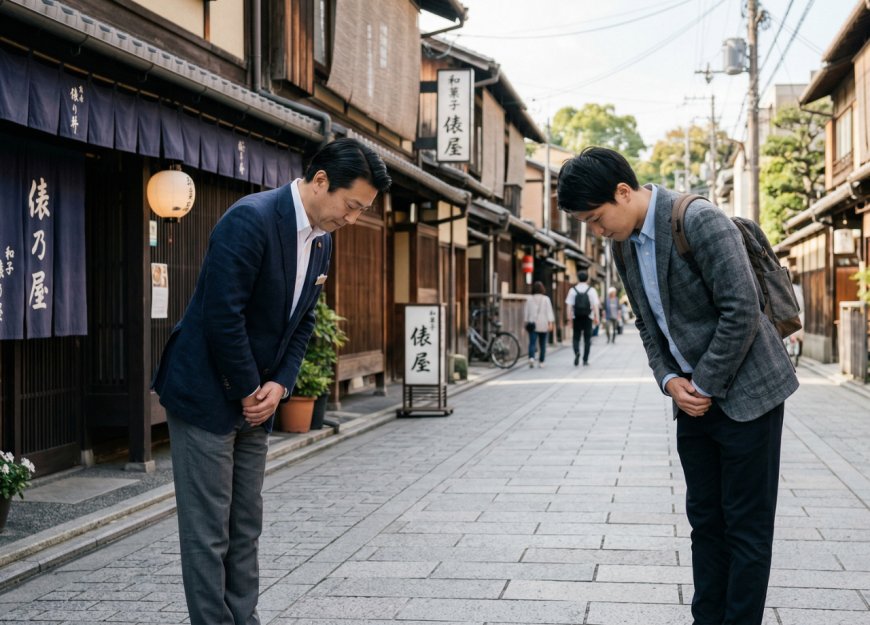
Do Foreigners Need to Bow?
A common question is whether foreigners are expected to bow.
The answer is yes—but not perfectly.
Japanese people understand that foreigners may not know all the details. However, making an effort to bow shows respect and cultural awareness.
Even a small bow can create a positive impression and make interactions smoother.
Why Bowing Is Important for Cultural Adaptation
Bowing is more than just a gesture—it reflects deeper cultural values such as:
- Respect
- Humility
- Awareness of others
By understanding and practicing bowing, foreigners can better integrate into Japanese society and build stronger relationships.
Make your transition easier with the Japan Starter Toolkit.
A Small Gesture with Big Meaning
Bowing may seem simple, but it carries powerful meaning in Japanese culture. It communicates respect, sincerity, and understanding without the need for many words.
For beginners, learning when and how to bow is one of the easiest ways to adapt to life in Japan. With practice, it becomes a natural part of daily interaction.
Start Your Life in Japan with Confidence
Get your complete relocation system with the Japan Starter Toolkit.
Learn how to speak naturally in everyday situations with Everyday Japanese for Beginners.
Prepare Smarter, Live Better in Japan (FREE Download)
Download the First 7 Days in Japan Checklist (FREE)
Don’t guess what to do — follow a proven plan.
Download your FREE “First 7 Days in Japan Checklist” PDF now:
✔ Instant download
✔ Mobile-friendly
✔ Printable
Want the COMPLETE Version? (Premium Upgrade)
If you want a deeper, more powerful guide, there’s also a premium version available on Gumroad.
Nipino.com is committed to providing you with accurate and genuine content. Let us know your opinion by clicking HERE.