
































































Japanese Workplace Rules Foreign Workers Learn Too Late
More foreigners are entering Japanese workplaces, but many still learn the “unwritten rules” only after making mistakes.

Foreign Workers in Japan
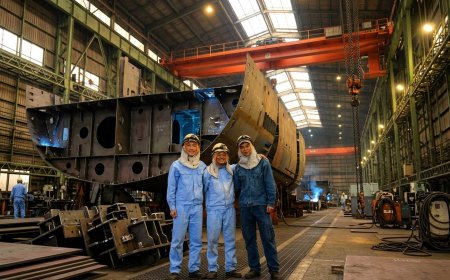
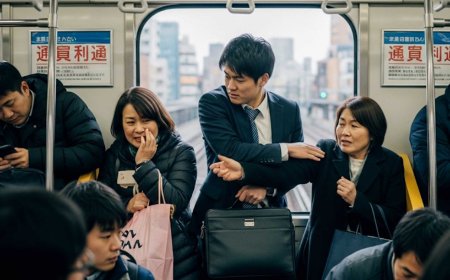
Many foreign workers arrive in Japan ready to work hard. They want to earn, support their families, build a better life, and maybe stay long-term. But after a few months inside a Japanese workplace, many realize something surprising: doing the job is only half the challenge. Understanding the workplace culture is the other half.
Japan has written rules, like labor laws, contracts, schedules, and company policies. But it also has many unwritten rules. These are the small expectations people may not explain directly: how to report problems, how early to arrive, how to speak to a supervisor, when to ask questions, how to request leave, and how to behave when the team is busy.
For foreign workers, these rules can feel like invisible walls. You only notice them after bumping into them.
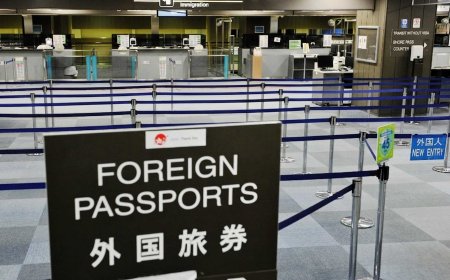
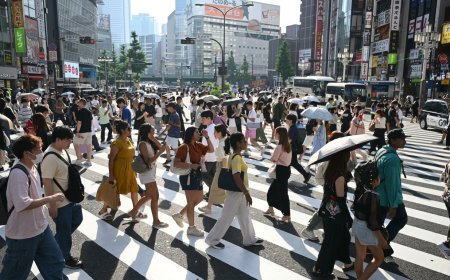
This matters more now because Japan depends heavily on foreign labor. The foreign workforce reached a record 2.57 million workers in October 2025, showing that foreigners are becoming a major part of Japan’s economy. But entering Japan’s workforce is not the same as thriving in it. If you want to grow your career here, you need to understand both the official rules and the cultural expectations.
Rule 1: Reporting Early Is Better Than Solving Alone
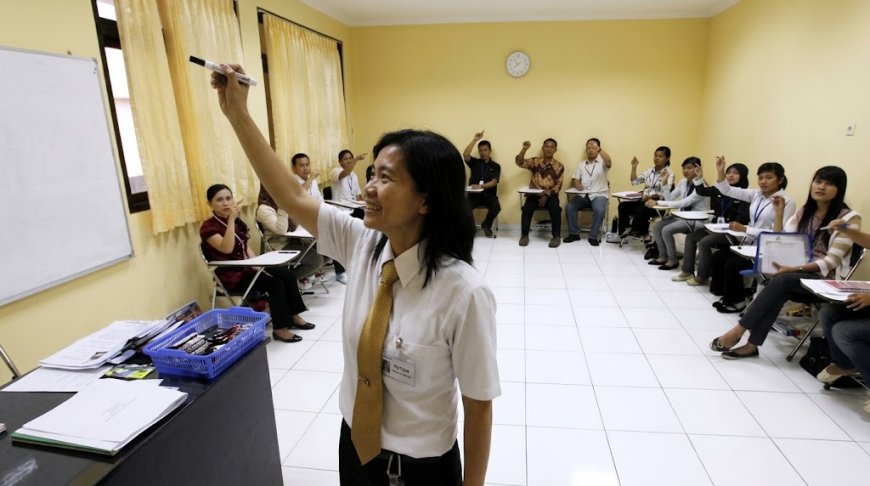
One of the first Japanese workplace habits foreign workers learn is ho-ren-so. It means "houkoku" reporting, "renraku" contacting, and "soudan" consulting. In simple English, it means: tell people what is happening before the problem becomes bigger.
In some cultures, workers are praised for solving problems alone. In Japan, trying to solve everything silently can look risky. Your supervisor may wonder, “Why didn’t you tell me earlier?” even if your intention was good.
For example, imagine you made a small mistake at work. You think, “I can fix this before anyone notices.” But if the mistake affects another person’s schedule, delivery, customer, or paperwork, hiding it can become worse than the mistake itself.
A better approach is simple: report early, explain clearly, and suggest a solution. You do not need to panic. You just need to communicate before the situation grows teeth.
Rule 2: Silence Does Not Always Mean Agreement
Japanese communication can be indirect. A quiet response does not always mean “yes.” A soft “maybe” does not always mean real possibility. A phrase like “we will consider it” may sometimes mean “probably no.”
JETRO notes that misunderstandings caused by different communication styles can create problems for foreign businesspeople dealing with Japan. This also applies inside the workplace. Foreign workers may expect direct answers, while Japanese coworkers may use softer language to avoid conflict.
This does not mean Japanese people are dishonest. It means communication often protects harmony. The message may be hidden in tone, timing, facial expression, or what is not said.
A useful habit is to confirm politely. Instead of asking, “So yes or no?” you can say, “Just to confirm, should I continue with this plan, or should I wait for further instruction?” That sounds respectful and helps avoid confusion.
Rule 3: Being on Time Means Being Early
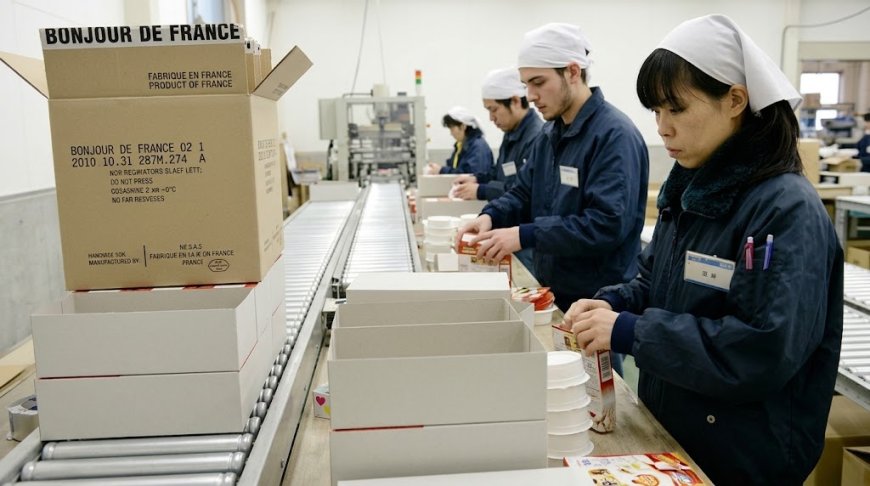
In Japan, punctuality is not just about arriving before the clock strikes the exact time. In many workplaces, being “on time” means being ready to start at the scheduled time.
If work starts at 9:00, arriving at 8:59 may technically be on time, but it may still look careless if you need five more minutes to prepare. Many Japanese workers arrive earlier to change clothes, check tools, open systems, review tasks, or greet coworkers.
This does not mean every company expects unpaid early work. But culturally, preparation matters. If you always rush in at the last second, people may quietly judge your reliability.
The safer habit is to arrive with enough time to breathe. Think of punctuality like cooking rice. You do not start washing the rice when everyone is already waiting to eat.
Rule 4: Team Harmony Matters More Than You Think
In some workplaces outside Japan, individual performance is the main focus. If you finish your task, you are done. In Japan, your relationship with the team can matter just as much.
Japanese workplaces often value wa, or harmony. This means being aware of how your actions affect others. If your coworker is overloaded and you leave immediately without checking, it may create a bad impression. If you criticize someone too directly in public, even if you are correct, it may damage trust.
This can be difficult for foreign workers who are used to being direct. But harmony does not mean becoming weak or silent. It means choosing the right timing, place, and words.
| Situation | Risky Approach | Better Approach |
| You disagree with a coworker | “That’s wrong.” | “May I suggest another way?” |
| You finished your task early | Leave without saying anything | Ask if anything else is needed |
| You made a mistake | Stay quiet | Report early and explain the solution |
| You need help | Wait until deadline | Ask before the problem becomes urgent |
In Japan, how you work with people can shape your reputation more than one impressive task.

Rule 5: Overtime Should Be Understood Clearly
Many foreign workers hear that Japan has an overtime culture, so they assume overtime is always normal. But “normal” does not mean “unlimited” or “unpaid.”
Japan has labor rules, and foreign workers have rights too. The Ministry of Health, Labour and Welfare provides a Labour Standards Advice Hotline and consultation services in foreign languages for working-condition problems. The MHLW working conditions handbook also explains consultation support for foreign workers.
If your company expects overtime, understand whether it is paid, whether it is included as fixed overtime, how many hours are expected, and whether your payslip reflects the work you actually did.
This is especially important for workers who feel afraid to ask questions. Asking does not make you rude. Asking professionally protects you.
Rule 6: Your Contract Matters More Than Verbal Promises
A friendly interview can make a company feel trustworthy. A supervisor may say, “Don’t worry, we will support you.” That is nice, but your contract is still the document that matters.
Before starting a job, foreign workers should check basic conditions such as salary, working hours, job duties, workplace location, overtime rules, holidays, insurance, contract period, and renewal conditions.
Depending on their residency status, a foreign national may or may not be able to work in Japan and in what types of jobs. This implies that your work responsibilities are more than just a career concern. They may also turn into an immigration problem.
| Contract Item | Why Foreign Workers Should Check It |
| Job duties | Must match your skills, expectations, and residence status |
| Salary | Should be clear before deductions |
| Overtime system | Fixed overtime and extra overtime should be understood |
| Insurance | Health insurance, pension, employment insurance, and workers’ compensation matter |
| Contract period | Fixed-term and permanent contracts offer different stability |
| Work location | A long commute can affect health and family life |
Do not sign something you do not understand. Ask for help if needed.
Rule 7: Greetings Are Not Small Things
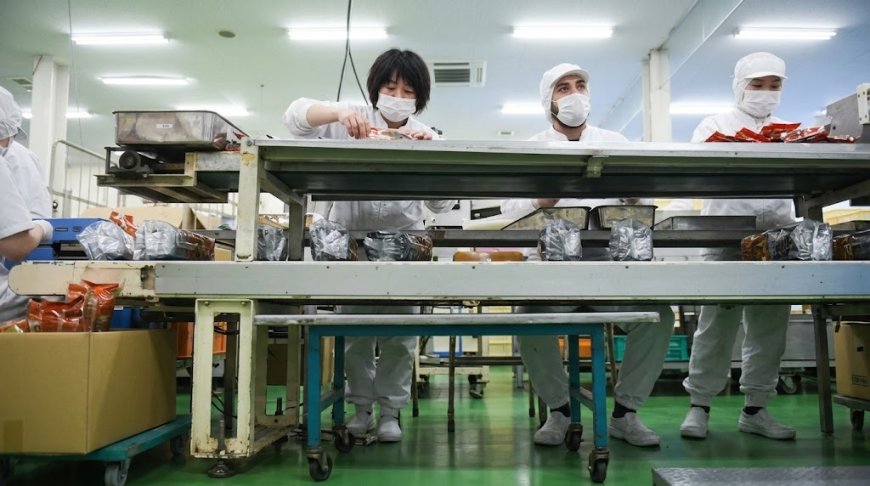
In Japan, greetings are workplace glue. A simple ohayou gozaimasu in the morning, otsukaresama desu during the day, and osaki ni shitsurei shimasu when leaving can make a big difference.
Foreign workers sometimes underestimate this because greetings feel basic. But in Japan, greetings show awareness, respect, and team spirit. They tell people, “I belong here, and I respect the space.”
Business etiquette guides often highlight the importance of greetings, bowing, polite language, and formality in Japanese work settings. You do not need to be perfect. Even simple, consistent greetings can soften relationships and make coworkers more willing to help you.
Rule 8: Paid Leave Is Your Right, But Timing Still Matters
Paid leave is a legal right for eligible workers, but requesting it in Japan can feel culturally sensitive. Some foreign workers feel guilty using paid leave. Others request leave at the last minute and create tension.
The balanced approach is to know your rights and respect the workflow. Request leave early when possible. Check busy periods. Communicate clearly. If your absence affects others, prepare handover notes.
This is not about begging for permission to rest. It is about using your rights professionally.
Foreign workers should not feel ashamed for taking legitimate leave. Rest is not laziness. Rest is maintenance. Even machines break without proper care.
Rule 9: Workplace Problems Should Be Documented
If you experience unpaid wages, unsafe conditions, sudden dismissal, harassment, or unclear deductions, do not rely only on memory. Keep records.
Save your payslips, work schedules, contracts, messages, attendance records, and any written instructions. If a problem becomes serious, documentation can help you explain your case clearly when consulting a labor office or support center.
Japan’s official employer guidelines state that employers should follow laws and regulations for foreign workers, ensure proper working conditions, provide health and safety, social insurance, fair personnel management, and support for workers’ lives.
Most workplaces are not bad, but problems do happen. Documentation is not about being negative. It is like carrying an umbrella. You hope it does not rain, but you are ready if it does.

Rule 10: Career Growth Requires Speaking Up Carefully
Many foreign workers wait for promotion, training, or better duties. They think, “If I work hard, someone will notice.”
Sometimes they will. Sometimes they will not.
In Japan, humility is valued, but silence can also make you invisible. If you want to grow, you need to communicate your goals respectfully. You can ask your supervisor what skills you need to improve. You can ask whether there are training opportunities. You can express interest in taking more responsibility.
The key is not to demand. The key is to show commitment.
Instead of saying, “I want a higher salary,” try saying, “I want to improve my skills so I can contribute more to the team. What should I focus on?” That kind of question sounds professional and team-oriented.
Learn the Rules, Then Build Your Future
Working in Japan becomes easier when you understand the hidden rules. Not because you must change who you are, but because you learn how to move wisely inside the system.
Report early. Arrive prepared. Read your contract. Respect greetings. Ask questions before problems grow. Use paid leave properly. Keep records. Speak up about your goals with patience and professionalism.
Foreign workers are now an important part of Japan’s future. But to build a better career here, you need more than effort. You need awareness. You need strategy. You need the confidence to understand both culture and rights.
The best workers in Japan are not the ones who silently suffer. They are the ones who learn, adapt, communicate, and keep growing.
For more practical Japan living guides, explore related resources like the Living in Japan, Japan Starter Toolkit, and Everyday Japanese for Beginners.
Prepare Smarter, Live Better in Japan (FREE Download)
Download the First 7 Days in Japan Checklist (FREE)
Don’t guess what to do — follow a proven plan.
Download your FREE “First 7 Days in Japan Checklist” PDF now:
✔ Instant download
✔ Mobile-friendly
✔ Printable
Want the COMPLETE Version? (Premium Upgrade)
If you want a deeper, more powerful guide, there’s also a premium version available on Gumroad.
Nipino.com is committed to providing you with accurate and genuine content. Let us know your opinion by clicking HERE.