

































































Things I Wish I Knew Before Changing Jobs in Japan
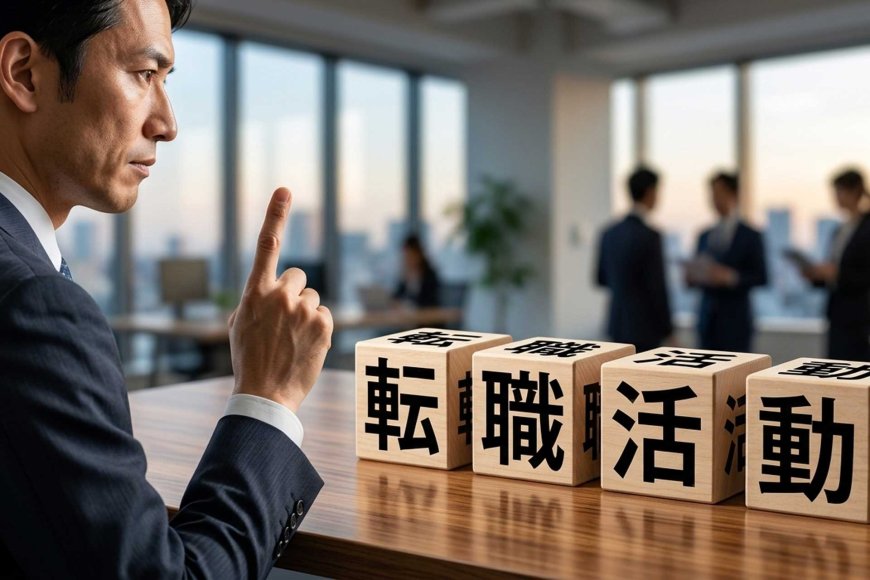
Changing jobs in Japan is becoming more common, especially as the number of foreign workers continues to rise. Foreign workers should pay close attention to legal and workplace procedures. Japan’s Immigration Services Agency states that appropriate employment contracts, fair remuneration, and proper support systems are important parts of accepting foreign nationals. The Ministry of Health, Labour and Welfare also provides foreign-language labor consultation services for workplace problems.

Changing Jobs in Japan
Changing jobs in Japan sounds simple from the outside. You find a better position, send your resume, pass the interview, resign from your current company, and start fresh. Easy, right?
Not always.
For foreign workers, changing jobs in Japan can feel like crossing a river with invisible stones. You may know where you want to go, but one wrong step — visa mismatch, unclear contract, poor resignation timing, or misunderstanding workplace expectations — can make the process stressful. Many people only learn these lessons after making mistakes.
Japan’s foreign workforce is growing fast. In 2024, Japan had more than 2.3 million foreign workers, a record number at that time. That means more foreigners are not only entering Japan’s workforce, but also moving between jobs, industries, and career levels. For Filipinos and other foreign residents, this creates opportunity, but also more competition.
So before you make your next move, here are the things many foreign workers wish they knew before changing jobs in Japan.
How to Find a Job in Japan as a Foreigner (2026 Guide)

1. Your Visa Status Comes First
In Japan, your residence status matters. Your visa category may limit the type of work you can do. For example, someone working under an Engineer/Specialist in Humanities/International Services status may not be able to simply move into a completely unrelated manual labor job. A student, dependent, specified skilled worker, or technical intern may also have different conditions.
This is why you should never treat immigration rules as a small detail. Before accepting a new job, check whether the job duties match your current residence status. Japan’s Immigration Services Agency emphasizes that employment contracts for foreign nationals should be appropriate, with remuneration equal to or higher than what a Japanese national would receive for the same kind of work.
A new job may look better on paper, but if it creates immigration problems, it is not really a better job. It is a risk wearing a nice suit.
2. Resignation Is Not Just “I Quit”
In some countries, quitting a job can be direct and quick. In Japan, resignation is often treated as a process, not just a sentence.
Yes, workers have legal rights. But career-wise, how you resign matters. If you leave suddenly, refuse handover, or communicate poorly, your reputation may suffer. Japan can feel big, but professional circles are sometimes smaller than you think, especially in local communities, schools, factories, hospitality, caregiving, and specialized industries.
The best approach is to prepare your resignation calmly. Check your contract, company rules, and paid leave situation. Give proper notice. Prepare a handover document. Thank the people who helped you, even if the company was not perfect.
You do not have to stay in a bad situation forever, but you should exit like a professional. Your last impression can follow you longer than your first one.
3. Your New Contract Matters More Than the Job Title
Many foreign workers get excited by a better job title. “Supervisor,” “assistant manager,” “engineer,” “international staff,” or “office support” can sound attractive. But the contract tells the real story.
Before signing, read the details carefully. Look at your salary, overtime rules, work location, probation period, contract length, job duties, social insurance, transportation allowance, bonus system, and renewal conditions. If the contract is vague, ask questions.
| Contract Point | Why It Matters |
|---|---|
| Base salary | Shows guaranteed monthly income before overtime or bonuses |
| Overtime pay | Some jobs include fixed overtime; understand how many hours |
| Contract type | Permanent, fixed-term, dispatch, part-time, or outsourcing can affect stability |
| Work location | A “small commute difference” can become daily stress |
| Job duties | Important for both career growth and visa compatibility |
| Probation period | Conditions may differ during the first months |
A job title is like the cover of a book. The contract is the actual story. Read it before you enter the next chapter.

4. Hello Work Can Help More Than You Think
Some foreign workers think Hello Work is only for Japanese people or only for people who lost their jobs. That is not true.
Hello Work is Japan’s public employment service. The Ministry of Health, Labour and Welfare says foreign nationals can use Public Employment Security Offices for vocational counseling and job information, similar to Japanese nationals. If you lose your job or cannot find work after leaving your company, Hello Work may also help with employment insurance procedures if you qualify.
This is especially important if your job change does not go smoothly. Maybe your new job starts later than expected. Maybe your current company delays documents. Maybe you need guidance about unemployment insurance or a separation letter.
Hello Work is not perfect, and language support depends on the location, but it can still be a useful safety net. Do not wait until you are desperate before learning where your nearest office is.
5. Salary Is Not the Only Thing to Compare
A higher salary can be attractive, especially with rising living costs. But when changing jobs in Japan, salary is only one part of the picture.
A job with slightly higher pay but longer commuting time, heavy overtime, no career path, and poor management may not improve your life. On the other hand, a job with modest pay but better training, stable hours, and promotion opportunities may be better long term.
Compare the full package.
| Factor | Job A | Job B |
|---|---|---|
| Monthly salary | Higher | Slightly lower |
| Overtime | Frequent | Limited |
| Commute | 90 minutes | 30 minutes |
| Training | Minimal | Strong |
| Career path | Unclear | Clear promotion route |
| Work-life balance | Weak | Better |
Money matters. Let’s be honest. Many foreign workers in Japan support families, send remittances, pay rent, and save for the future. But do not chase salary blindly. A job should pay your bills, but it should not quietly destroy your health, visa stability, or future options.
6. Japanese Workplace Culture Changes by Company
One mistake many people make is thinking, “All Japanese companies are the same.”
They are not.
Some workplaces are strict and traditional. Some are flexible and modern. Some managers communicate indirectly. Others are very open. Some companies support foreign workers well. Others still have poor systems, weak training, or unclear expectations.
Japan’s Immigration Services Agency highlights the importance of support systems for foreign nationals, including support in a language they understand. That point matters because a company’s support system can completely change your experience.
Before accepting a job, try to learn about the company culture. Ask during the interview how they train new employees, how they support foreign workers, how overtime is managed, and what kind of communication style they expect. If possible, speak with current or former employees.
One bad company does not mean Japan is bad. One good company does not mean every job will be easy. Choose carefully.

7. You Need a Career Story
When you change jobs in Japan, interviewers will usually want to know why. If your answer sounds too negative, you may create doubt. If your answer is too vague, they may think you are not serious.
Instead of saying, “My old company was bad,” you can say, “I learned a lot in my previous role, but I am looking for a position where I can develop stronger skills in customer support and use both Japanese and English.”
That answer sounds mature. It does not attack your previous employer. It shows direction.
Your career story should connect three things: where you came from, what you learned, and where you want to go. This is powerful because companies do not only hire skills. They hire people who seem reliable, clear, and ready to grow.
8. Don’t Burn Bridges
Changing jobs can be emotional. Maybe you felt underpaid. Maybe your boss ignored your effort. Maybe the work environment was unhealthy. Even then, try not to leave with anger as your final message.
Japan values trust and relationships. A former coworker could later introduce you to a better opportunity. A previous manager could become a reference. A company you leave today might become a client, partner, or connection in the future.
This does not mean you should tolerate abuse or unfair treatment. If there are serious labor problems, seek proper advice. The Ministry of Health, Labour and Welfare provides foreign-language consultation and hotlines for working-condition issues.
Protect yourself, but do not destroy your professional name unnecessarily. Your reputation is career currency.
9. Prepare Financially Before Moving
Changing jobs often creates hidden costs. You may have a gap between final salary and first salary. You may need new clothes, transportation money, documents, moving expenses, or temporary savings. If you leave a company before securing the next job, the pressure becomes even heavier.
A good rule is to prepare at least one to three months of basic living expenses if possible. For many workers, that is not easy. But even a small emergency fund can reduce panic.
When people panic, they accept bad offers. When they have breathing room, they choose better.

10. Change Jobs With a Plan, Not Panic
Many people start looking for a new job only when they are already exhausted. That is understandable, but it can lead to rushed decisions.
The best time to prepare for a job change is before you urgently need one. Update your resume. Collect certificates. Improve Japanese phrases for interviews. Research salaries. Build connections. Check visa rules. Learn what skills are in demand.
Changing jobs should not feel like jumping from a burning building. It should feel like moving to a stronger foundation.
Make Your Next Move Stronger Than Your Last One
Changing jobs in Japan can be one of the smartest decisions you make, but only if you prepare properly. A better job is not just about a better salary. It is about legal stability, clearer growth, healthier working conditions, better communication, and a future that actually moves forward.
Before you resign, check your visa. Before you sign, read your contract. Before you complain, prepare your career story. Before you jump, build a small safety net.
Your next job should not simply be an escape from your current situation. It should be a step toward the life you are trying to build in Japan.
For more practical Japan living guides, explore related resources like the Living in Japan, Japan Starter Toolkit, and Everyday Japanese for Beginners.
Prepare Smarter, Live Better in Japan (FREE Download)
Download the First 7 Days in Japan Checklist (FREE)
Don’t guess what to do — follow a proven plan.
Download your FREE “First 7 Days in Japan Checklist” PDF now:
✔ Instant download
✔ Mobile-friendly
✔ Printable
Want the COMPLETE Version? (Premium Upgrade)
If you want a deeper, more powerful guide, there’s also a premium version available on Gumroad.
Nipino.com is committed to providing you with accurate and genuine content. Let us know your opinion by clicking HERE.