
































































How to Find a Job in Japan as a Foreigner (2026 Guide)
Japan continues to offer strong job opportunities for foreigners in 2026 due to labor shortages, an aging population, and increasing demand across industries like IT, caregiving, hospitality, and construction. This guide explains how to successfully find a job in Japan as a foreigner, including visa requirements, resume preparation, job search strategies, Japanese language expectations, and common mistakes to avoid.

Finding a Job in Japan as a Foreigner
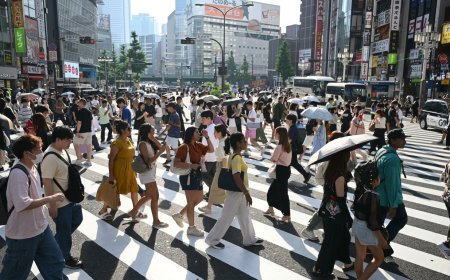
Finding a job in Japan as a foreigner in 2026 is both easier and more competitive than many people imagine. Easier, because Japan genuinely needs workers. More competitive, because employers are becoming more careful about language ability, visa status, cultural fit, and long-term reliability. Japan had a record 2,571,037 foreign workers as of the end of October 2025, up 11.7% from the previous year, according to reports based on Ministry of Health, Labour and Welfare data.
This means one thing clearly: foreigners are already part of Japan’s workforce. The question is not “Can foreigners work in Japan?” The better question is, “How can you position yourself as the kind of foreign worker Japanese employers want to hire?”
Japan’s labor market remains tight. In early 2026, Japan’s job availability was still above 1.0, meaning there were more job openings than job seekers. For example, the active job openings-to-applicants ratio stood around 1.18–1.19 in early 2026, depending on the month reported. Japan’s unemployment rate was also low by international standards, with March 2026 reported at 2.7%.
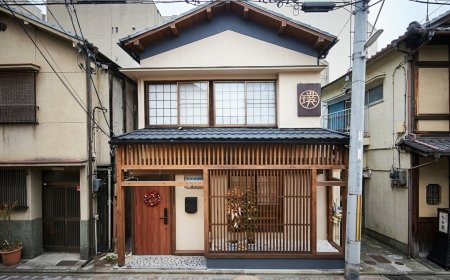
So yes, there are opportunities. But opportunity does not mean automatic success. Job hunting in Japan is like entering a traditional Japanese house: there is a door, but you need to know how to enter properly.
Best Websites to Find Jobs in Japan for Foreigners

First, Understand What Kind of Job You Can Legally Do
Before sending applications, you need to understand your visa situation. This is the part many job seekers skip, and it often becomes the reason they get rejected.
Japan does not have one single “work visa.” Instead, there are different statuses of residence depending on the type of work. For example, someone working in IT may need a different visa category from someone working in caregiving, construction, teaching, or restaurant work. If a company likes you but your visa category does not match the job, they may not be able to hire you.
One important route is the Specified Skilled Worker (SSW) system. Japan’s official SSW support website explains the process and provides updated information on industries, tests, documents, and job-matching events. The Ministry of Foreign Affairs also explains that SSW applicants must generally be over 18, healthy, and have the necessary occupational skills and Japanese ability to work immediately.
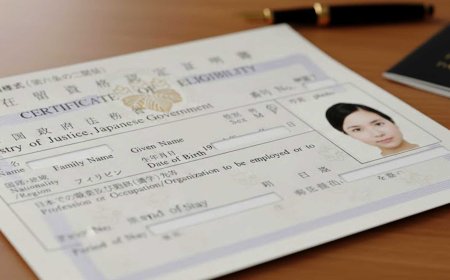
Another route is the Highly Skilled Professional visa, often used by professionals with advanced education, specialized skills, and higher salaries. Japan’s Ministry of Foreign Affairs states that applicants for this visa need a Certificate of Eligibility, and family members may also apply under certain conditions.
| Job Type | Possible Route | Japanese Level Usually Needed |
|---|---|---|
| IT engineer | Engineer/Specialist in Humanities/International Services, Highly Skilled Professional | Basic to business level, depending on company |
| Caregiver | Specified Skilled Worker, nursing care route | Usually Japanese required |
| English teacher | Instructor or Humanities visa | English required, Japanese helpful |
| Restaurant worker | Specified Skilled Worker | Japanese usually required |
| Hotel staff | SSW or hospitality-related work visa | Conversational Japanese helpful |
| Construction worker | SSW or skilled labor-related route | Japanese and skill test may be required |
The safest move is simple: before applying, check whether the job title, job duties, and employer can support your visa.
Choose the Right Job-Hunting Route
There are several ways to find jobs in Japan, but not all routes work equally well for every person. If you are already in Japan, you may have more options than someone applying from overseas. If you speak Japanese, your options expand even more.
The first route is job websites. These are useful for searching by industry, location, salary, language level, and visa support. Many foreigners start with English-friendly job boards, but you should not stop there. Japanese job boards often have more listings, especially for local companies outside Tokyo.
The second route is recruitment agencies. Agencies can be helpful if you have marketable skills such as IT, engineering, finance, bilingual sales, digital marketing, or project management. A good recruiter can explain what Japanese employers expect, help adjust your resume, and prepare you for interviews.
The third route is Hello Work, Japan’s public employment service. Many foreigners ignore Hello Work because they assume it is only for Japanese citizens, but foreign residents can also use it. It can be especially useful for local jobs, factory jobs, part-time work, and positions outside major cities.
The fourth route is applying directly through company websites. This works well when you already know your target companies. Many companies post openings on their own recruitment pages before or instead of posting them on large job boards.
The fifth route is networking. In Japan, trust matters. A recommendation from a teacher, former coworker, community leader, or friend can sometimes open a door faster than a cold application.

Prepare a Japanese-Style Application
If you want to work in Japan, you need to respect the Japanese application style. Even if the company accepts an English resume, having a Japanese-style application can make you look more serious.
The basic Japanese resume is called a 履歴書 (rirekisho). It usually includes your personal information, education, work history, qualifications, photo, commuting time, and reason for applying. The second document is the 職務経歴書 (shokumukeirekisho), which explains your work experience in more detail. Think of the rirekisho as your official profile and the shokumukeirekisho as your professional story.
Many foreigners make the mistake of sending only a Western-style resume. That can work for international companies, but for Japanese companies, it may feel incomplete. If you are applying to a local Japanese employer, prepare both formats.
Your resume should not sound like a list of random tasks. Instead, show results. For example, instead of writing “managed website,” write “managed website updates, improved page speed, and supported content publishing for monthly campaigns.” Specific experience feels more trustworthy.

How Much Japanese Do You Need?
This is one of the biggest questions foreign job seekers ask: “Can I get a job in Japan without speaking Japanese?”
The honest answer is yes, but your choices will be limited.
Some IT companies, global startups, English schools, and international firms hire foreigners with little Japanese. However, many local jobs require at least conversational Japanese. For caregiving, hospitality, restaurants, construction, and customer-facing work, Japanese ability is often not optional.
The JLPT is not always required, but it helps. JLPT N3 can show that you can survive daily workplace communication. JLPT N2 can open more serious career opportunities. JLPT N1 is valuable for roles requiring business-level reading, writing, meetings, reports, and client communication.
But remember this: Japanese ability is not only about passing a test. Employers want to know if you can understand instructions, avoid mistakes, communicate with coworkers, and handle problems calmly. In the workplace, language is not decoration. It is a safety tool, a teamwork tool, and a trust-building tool.
Best Industries for Foreigners in Japan in 2026
Japan’s hiring needs are not equal across all industries. Some sectors are more open to foreign workers because of labor shortages, globalization, or technical skill gaps.
IT and software development remain strong options, especially for people with programming, cloud, cybersecurity, AI, data, or web development skills. Many tech companies are more flexible with language requirements if your technical ability is strong.
Caregiving is another major field because of Japan’s aging society. However, this path usually requires Japanese communication skills, patience, and proper certification or SSW-related requirements.
Hospitality and tourism continue to offer opportunities, especially as Japan receives many foreign visitors. Hotels, travel companies, restaurants, and tourism-related businesses may value multilingual workers.
Construction, manufacturing, agriculture, and food service are also connected to Japan’s labor shortage. Some of these jobs may fall under the SSW system, depending on the industry and current rules.
Education, especially English teaching, remains a familiar path for many foreigners. However, competition can be high, and long-term career growth may require additional skills beyond teaching conversation classes.

How to Apply Step by Step
Start by choosing your target industry. Do not apply to everything. If you apply to 100 random jobs, your energy disappears quickly. Choose two or three industries that match your skills, language level, and visa possibility.
Next, prepare your documents. Create a clean English resume, a Japanese rirekisho, and a shokumukeirekisho if you have professional experience. Make sure your dates, job titles, and contact details are consistent.
Then, search using both English and Japanese keywords. For example, instead of only searching “foreigner jobs Japan,” try Japanese terms like “外国人 採用,” “英語 使用 仕事,” “ビザサポート,” or “未経験 外国人.” This can help you find opportunities that English-only job seekers miss.
After that, apply carefully. Customize your reason for applying. Japanese employers often care about why you chose their company, not just why you want any job.
Finally, prepare for interviews. Practice your self-introduction, reason for applying, strengths, weaknesses, past experience, and future goals. If your Japanese is limited, prepare simple but honest answers. A clear beginner-level answer is better than a complicated answer you cannot explain.
Common Mistakes Foreigners Should Avoid
One common mistake is applying without checking visa eligibility. This wastes time for both you and the employer. Always check whether the company can sponsor or support the correct visa.
Another mistake is using the same resume for every job. Japanese employers can feel when your application is generic. Even a small customized paragraph can make your application stronger.
Some applicants also underestimate Japanese workplace manners. Being on time, replying politely, preparing documents properly, and following instructions matter a lot. In Japan, professionalism is often shown through small details.
The most dangerous mistake is ignoring red flags. Be careful with companies that avoid written contracts, offer suspiciously low pay, ask you to do work outside your visa category, or pressure you to accept unclear conditions. Japan has many good employers, but foreign workers should still protect themselves.

Your Job Search in Japan Starts Before the Application
Finding a job in Japan as a foreigner in 2026 is not just about clicking “apply.” It is about matching four things: your skills, your Japanese level, your visa eligibility, and the employer’s real needs. When those four pieces fit together, your chances become much stronger.
Japan needs foreign workers, but employers still want people who are prepared, respectful, reliable, and serious about building a life here. If you approach your job search with that mindset, you are no longer just another applicant. You become someone who understands the country, respects the process, and is ready to contribute.
For more practical Japan living guides, explore related resources like the Living in Japan, Japan Starter Toolkit, and Everyday Japanese for Beginners.
Prepare Smarter, Live Better in Japan (FREE Download)
Download the First 7 Days in Japan Checklist (FREE)
Don’t guess what to do — follow a proven plan.
Download your FREE “First 7 Days in Japan Checklist” PDF now:
✔ Instant download
✔ Mobile-friendly
✔ Printable
Want the COMPLETE Version? (Premium Upgrade)
If you want a deeper, more powerful guide, there’s also a premium version available on Gumroad.
Nipino.com is committed to providing you with accurate and genuine content. Let us know your opinion by clicking HERE.