
































Best Housing Options in Japan: Apartment vs Share House vs UR
Choosing where to live in Japan is one of the biggest decisions foreigners make because housing affects budget, commute, privacy, lifestyle, and even stress levels. This guide compares apartments, share houses, and UR housing in Japan so you can choose the option that actually fits your life—not just your Instagram expectations.
Finding a place to live in Japan
Finding a place to live in Japan can feel like trying to choose a character in a video game before you fully understand the map. Every option looks appealing in a different way. Apartments offer privacy and independence. Share houses promise lower costs and instant community. UR (Urban Renaissance Agency) housing sounds almost magical because people keep saying things like “no key money” and “no guarantor.” For foreigners arriving in Japan for the first time, the problem is not a lack of choices. The problem is understanding which choice actually fits real life.
Housing in Japan affects almost everything. Your monthly budget, your commute, your social life, your stress level, your privacy, and even your Japanese language improvement can change depending on where you live. A beautiful apartment far from the station can turn daily commuting into a tiring marathon. A cheap share house may save money but destroy your sleep if your roommates are noisy. A spacious UR apartment may feel perfect until you realize the building is far from your workplace.
That is why the “best” housing option in Japan is not universal. It depends on your goals, your personality, your income, your visa situation, and how long you plan to stay. This guide compares the three most common housing choices for foreigners in Japan—standard apartments, share houses, and UR housing—so you can choose with clarity instead of guesswork.
Want a smoother transition into life in Japan? Check out the Japan Starter Toolkit.
How Housing in Japan Works
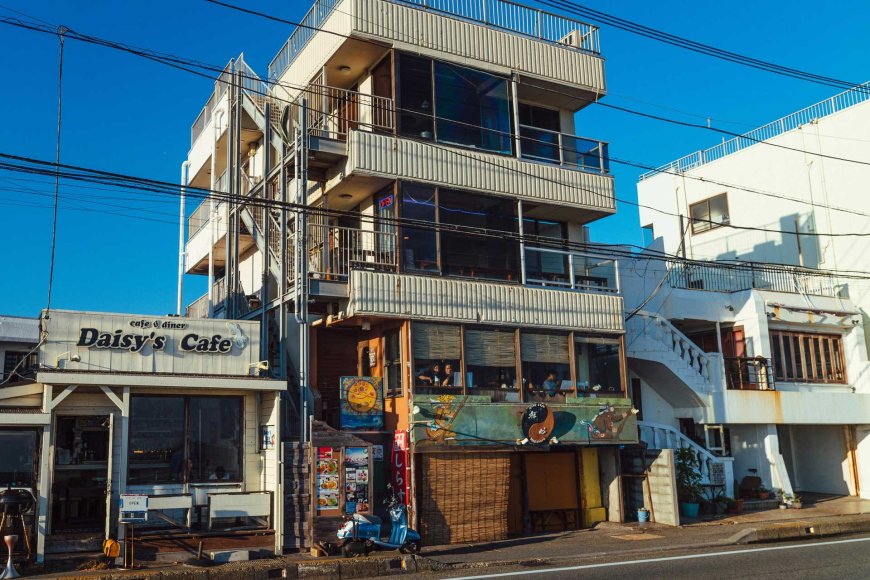
Before comparing housing types, it helps to understand why renting in Japan feels different from many countries. Japan’s housing system is heavily tied to contracts, tenant screening, initial fees, and long-term stability. Landlords often want tenants who can reliably pay rent, follow building rules, and avoid trouble with neighbors. That is why foreigners sometimes face additional screening or requests for guarantor companies.
The Ministry of Land, Infrastructure, Transport and Tourism explains that rental contracts in Japan commonly involve fees such as security deposit, key money, agency fees, and advance rent, and total move-in costs can reach several months of rent. (mlit.go.jp)
This is one reason why alternative housing options became popular. Share houses reduced the burden of large initial costs. UR housing became attractive because it removed some traditional rental barriers. Standard apartments remained the preferred long-term option for people wanting privacy and stability.
Each housing type exists because different people need different lifestyles.
How to Rent an Apartment in Japan (Step-by-Step for Foreigners)
Standard Apartments in Japan
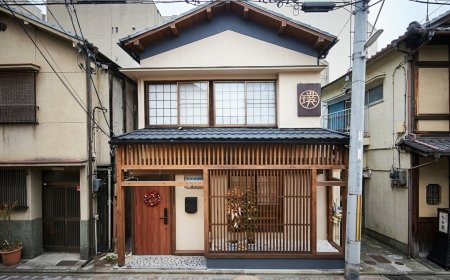
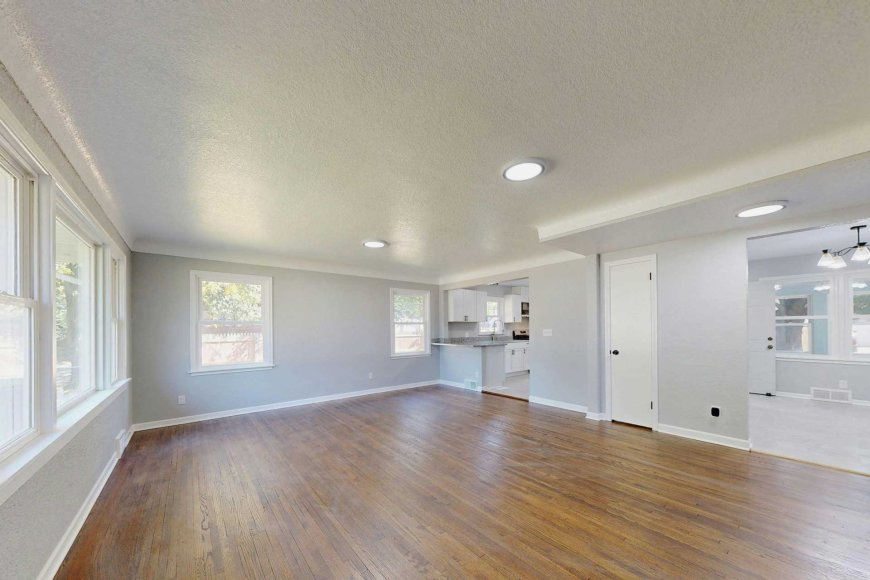
A standard apartment is what many people imagine when they think about renting in Japan. You sign a lease, receive the key, set up utilities, and live independently in your own private space. Apartments come in many layouts, including 1R (one room), 1K, 1DK, 1LDK, and larger family-style units.
For many foreigners, apartments represent freedom. You control your schedule, your noise level, your guests, and your personal space. Nobody is using your frying pan without permission. Nobody is talking loudly in the shared kitchen at midnight. Nobody is occupying the washing machine when you desperately need clean clothes before work.
That privacy comes at a price.
Apartments usually require the highest upfront costs. Initial expenses may include deposit, key money, agency fee, guarantor company fee, fire insurance, cleaning fee, and advance rent. In major cities, move-in costs can easily reach four to six months of rent.
| Apartment Feature | What It Means |
| Full privacy | Your own kitchen, bathroom, and living space |
| Higher initial cost | Multiple fees before move-in |
| More independence | You control your daily life |
| Long-term stability | Good for residents staying longer |
| Utility setup required | Electricity, gas, internet often separate |
Apartment rent varies dramatically by city and location. Tokyo remains the most expensive major area, especially near central train lines. Recent 2026 housing guides estimate that single-person apartments in Tokyo commonly range between ¥70,000 and ¥120,000+ depending on area and building age. (realestateguide.jp)
Regional cities like Niigata, Sendai, Kumamoto, or Okayama can be significantly cheaper. The difference in rent often changes a foreign resident’s entire financial life. Saving ¥30,000 monthly on rent means saving ¥360,000 yearly without changing anything else.
Best For:
- Long-term residents
- Couples and families
- Workers with stable income
- People who value privacy
- Remote workers needing quiet space
Main Disadvantages:
- Expensive initial costs
- Strict screening
- Furniture and appliance setup costs
- Possible language barriers during contracts
Initial Costs of Moving into an Apartment in Japan (Full Breakdown)
Share Houses in Japan
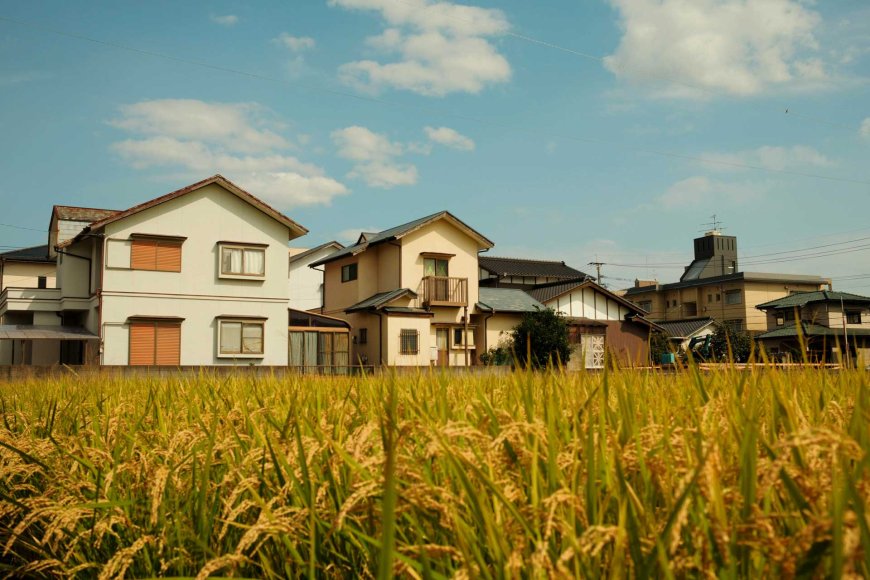
A share house is almost the opposite experience. Instead of full independence, you trade some privacy for lower cost, flexibility, and social convenience. Residents usually have private bedrooms while sharing kitchens, living rooms, laundry areas, and sometimes bathrooms.
For many foreigners, share houses are the easiest first step into Japanese life. Why? Because they remove many of the barriers that make apartments stressful. Initial costs are often lower. Furniture is usually included. Utility setup is simpler. Contracts may be more flexible. Some share houses actively market to international residents and provide English support.
This is especially useful for people arriving in Japan for the first time. You may not yet know which neighborhood fits your lifestyle. You may not have a Japanese phone number, guarantor, or local income history. A share house gives you breathing room while you learn the country.
Some 2026 housing platforms continue highlighting share houses as one of the most accessible housing options for foreigners because of reduced setup costs and simplified contracts. (x-house.co.jp)
| Share House Feature | What It Means |
| Lower upfront cost | Often no key money or large deposit |
| Furnished rooms | Bed, desk, appliances often included |
| Shared spaces | Kitchen, bathroom, living room shared |
| Social environment | Easier to meet people |
| Flexible contracts | Shorter stays often possible |
The atmosphere depends heavily on the specific house. Some feel quiet and professional. Others feel like college dormitories. Some are clean and organized. Others can become chaotic if management is poor or residents ignore rules.
That is why visiting before signing matters. A share house is not only a room. It is a social environment.
Best For:
- New arrivals
- Students
- Budget-conscious residents
- Short-term workers
- People wanting social interaction
Main Disadvantages:
- Less privacy
- Noise from other residents
- Shared cleaning responsibilities
- Possible personality conflicts
Complete Guide to Budgeting in Japan (Cost of Living, Savings, and Expenses)
UR Housing in Japan
UR housing has become something of a hidden treasure among foreigners in Japan. UR stands for Urban Renaissance Agency, a government-affiliated housing organization managing rental apartments throughout Japan.
The biggest reason people love UR housing is simple: many traditional rental barriers disappear.
UR apartments commonly have:
- No key money
- No agency fee
- No guarantor requirement
The official UR website promotes these exact advantages, including no renewal fee and no guarantor requirement. (ur-net.go.jp)
For foreigners frustrated by traditional apartment costs, UR housing can feel refreshing. You still need to meet income requirements, but the system is generally more straightforward.
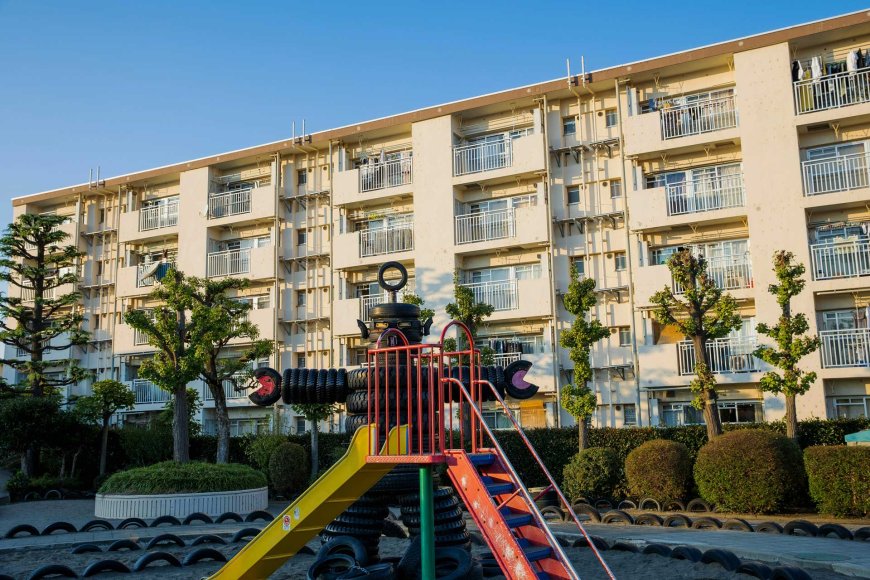
Another advantage is space. Some UR apartments are larger than modern city apartments, especially in suburban areas. Families often appreciate this. Buildings can also have parks, playgrounds, green areas, and quieter residential environments.
But UR housing is not perfect.
Some buildings are older. Locations vary widely. Popular units disappear quickly. And while the upfront costs are lower, monthly rent is not always “cheap.” In some desirable areas, UR rent can still be competitive with regular apartments.
| UR Housing Feature | What It Means |
| No key money | Lower move-in cost |
| No guarantor | Easier for foreigners |
| No agency fee | Major savings upfront |
| Larger spaces available | Good for families |
| Older buildings common | Depends on property |
Best For:
- Families
- Long-term residents
- Foreigners wanting lower upfront costs
- Residents without Japanese guarantors
- People wanting stability
Main Disadvantages:
- Limited availability
- Some older buildings
- Income requirement checks
- Not always near central stations
How to Rent an Apartment in Japan (Step-by-Step for Foreigners)
Apartment vs Share House vs UR: Cost Comparison
| Housing Type | Initial Costs | Monthly Rent | Furniture Included | Privacy Level |
| Standard Apartment | High | Medium to high | Usually no | High |
| Share House | Low | Low to medium | Usually yes | Low to medium |
| UR Housing | Medium | Medium | Usually no | High |
Share houses usually win for lowest startup cost. Apartments usually provide the most independence. UR housing often sits somewhere in the middle: more privacy than share houses, lower setup costs than traditional apartments.
The “cheapest” option depends on how long you stay. A share house may save money short-term, but a stable apartment or UR housing may feel better emotionally and financially after a few years.
Lifestyle Comparison: Which Feels Right for You?
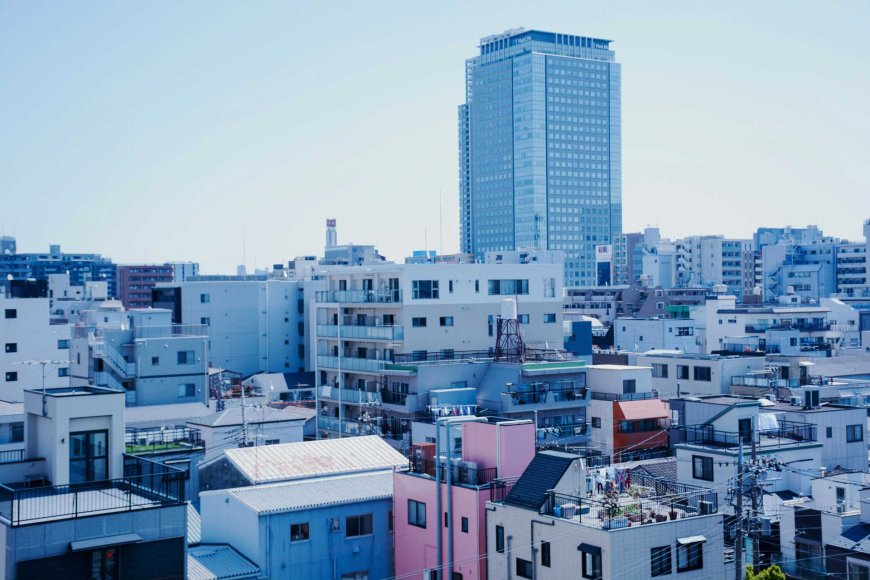
Housing is not just about money. It is about energy. Some people recharge through privacy. Others feel lonely in a silent apartment.
A share house can be great for someone arriving in Japan alone for the first time. Instant social connection matters. You may meet friends, language exchange partners, travel companions, or coworkers.
But after a stressful workday, some people need quiet. They do not want to wait for the shower or listen to someone cooking curry at 1 a.m. That is where apartments and UR housing feel more comfortable.
| Lifestyle Factor | Apartment | Share House | UR Housing |
| Privacy | Excellent | Limited | Excellent |
| Social Interaction | Low | High | Medium |
| Flexibility | Medium | High | Medium |
| Family Friendly | Good | Poor | Excellent |
| Foreigner Accessibility | Varies | Usually high | High |
| Long-Term Comfort | High | Medium | High |
Choosing housing is like choosing shoes for a long trip. A flashy design means nothing if your feet hurt after walking all day.
Common Housing Mistakes Foreigners Make
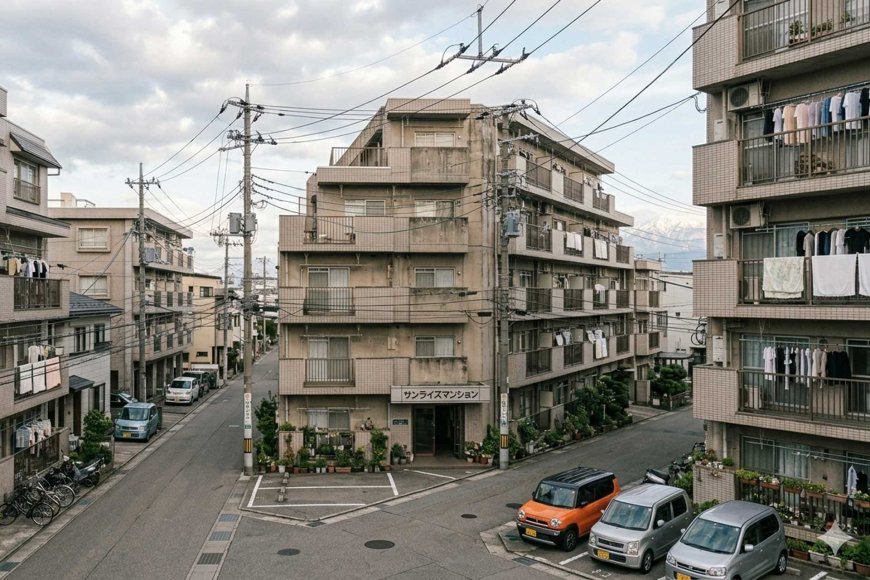
One major mistake is choosing based only on rent. A cheap apartment far from work can increase transportation costs and reduce free time. Another mistake is underestimating initial costs. A room may look affordable until the contract estimate arrives.
Some foreigners also choose share houses expecting constant friendship and social excitement. Reality depends on the residents. Sometimes people are busy, quiet, or constantly changing because residents move frequently.
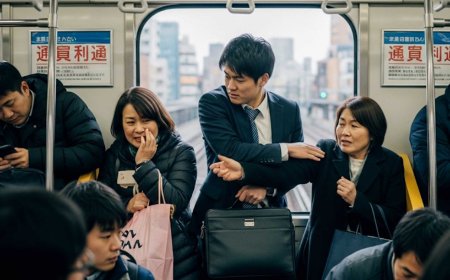
Another mistake is ignoring commute quality. In Japan, transportation shapes daily life. A direct 40-minute train ride may feel easier than a 25-minute trip requiring three transfers.
Complete Guide to Transportation in Japan (Trains, Buses, IC Cards & More)
Choose the Life, Not Just the Room
The best housing option in Japan is not the one with the prettiest photos. It is the one that supports the life you actually want to live. Apartments provide independence and stability. Share houses provide flexibility and social connection. UR housing offers a practical middle ground with lower upfront barriers and long-term comfort.
Before choosing, ask yourself honest questions. Do you value privacy more than cost savings? Do you need social connection? How stable is your income? How long will you stay in Japan? How important is commute convenience? What kind of daily environment helps you feel calm and productive?
A room is not just where you sleep. It becomes the place where you recover after work, call family back home, cook late-night meals, study Japanese, celebrate holidays, and slowly build a life in Japan. Choose carefully—not for the perfect photo, but for the future version of yourself living there.
Prepare Smarter, Live Better in Japan (FREE Download)
Download the First 7 Days in Japan Checklist (FREE)
Don’t guess what to do — follow a proven plan.
Download your FREE “First 7 Days in Japan Checklist” PDF now:
✔ Instant download
✔ Mobile-friendly
✔ Printable
Want the COMPLETE Version? (Premium Upgrade)
If you want a deeper, more powerful guide, there’s also a premium version available on Gumroad.
Nipino.com is committed to providing you with accurate and genuine content. Let us know your opinion by clicking HERE.