









































Complete Guide to Housing in Japan for Foreigners (2026 Edition)
Finding housing in Japan as a foreigner is easier than before, but the system still has hidden costs, paperwork, guarantor rules, and language barriers that can surprise newcomers. This 2026 guide explains how renting works, what costs to expect, how to avoid common mistakes, and how foreigners can choose the right home with more confidence.
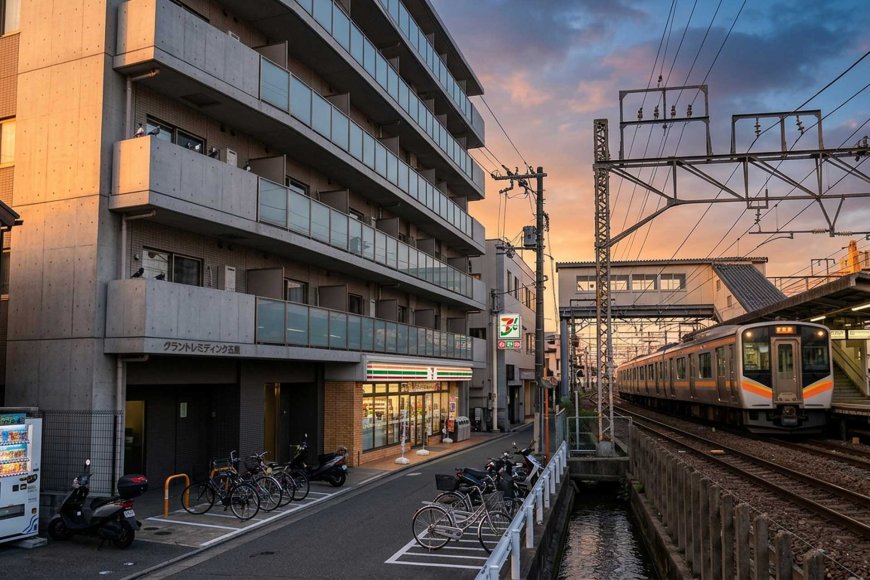
Why Housing in Japan Feels Different for Foreigners
Looking for housing in Japan can feel like entering a game where everyone else already knows the rules. The apartment might look simple, clean, and affordable online, but once the real estate agent starts talking about shikikin, reikin, guarantor companies, renewal fees, insurance, and cleaning costs, the process suddenly feels like opening a bento box with too many hidden layers.
For foreigners, the biggest challenge is not always the rent itself. It is the system around the rent. Japan’s rental market is built on trust, documentation, stable income, and communication. Landlords want to know that the tenant can pay on time, follow house rules, sort garbage properly, avoid noise complaints, and communicate when problems happen. That is reasonable, but it also means newcomers may face extra screening, especially if they recently arrived in Japan, do not speak Japanese well, are students, freelancers, or do not have a long work history in the country.
The good news? In 2026, renting in Japan as a foreigner is becoming more common. Japan’s foreign resident population reached 4,125,395 at the end of 2025, a record high and a 9.5% increase from the previous year, according to Immigration Services Agency figures reported by Nippon.com and The Mainichi. That means more landlords, agencies, schools, and employers are dealing with foreign tenants than before. The door is not fully wide open everywhere, but it is definitely less closed than it used to be.
Want a smoother transition into life in Japan? Check out the Japan Starter Toolkit.
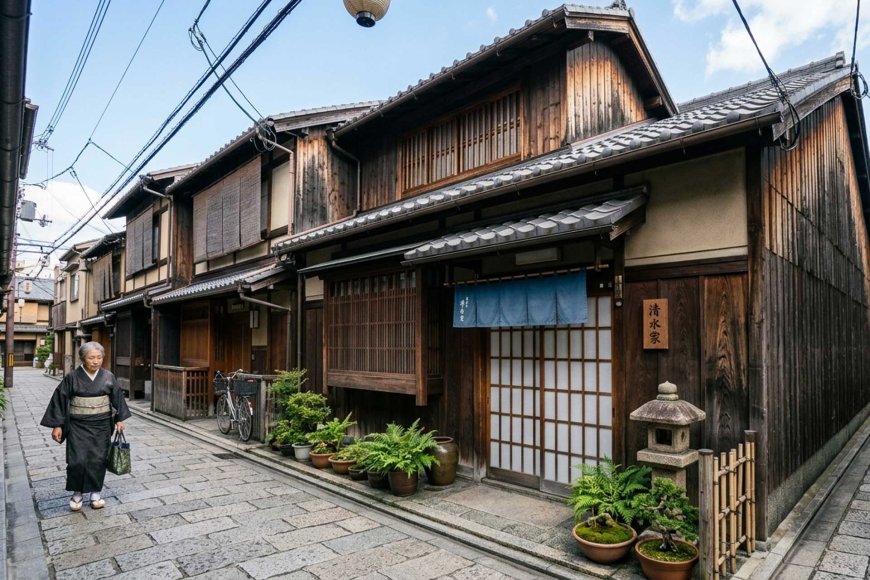
Japan’s Housing Market in 2026: What Foreigners Should Know
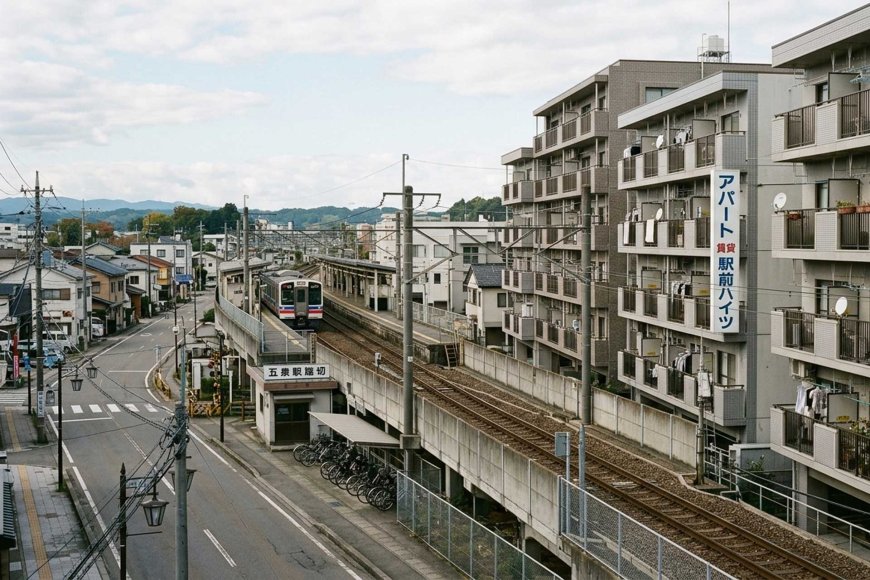
Japan has two housing stories happening at the same time. In major cities like Tokyo, Osaka, Kyoto, Fukuoka, and Nagoya, demand remains strong, especially near train stations, universities, business districts, and international communities. In rural towns and aging neighborhoods, Japan has a large number of vacant homes, known as akiya.
According to Japan’s 2023 Housing and Land Survey, the country had about 9 million vacant homes, equal to a record 13.8% vacancy rate. That sounds like foreigners should easily find cheap housing everywhere, right? Not exactly. Many vacant homes are old, far from jobs, difficult to renovate, or not actively available for normal rental. So while Japan has many empty homes, the apartments that foreigners usually want—near stations, schools, workplaces, and city centers—can still be competitive.
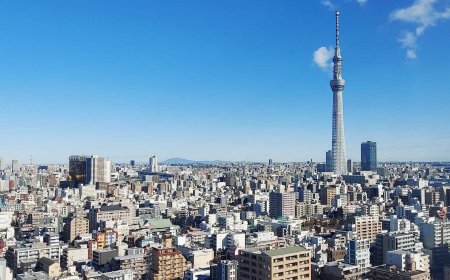
Tokyo is the clearest example. In 2026, small apartments in the capital remain expensive compared with many regional cities. Global Property Guide reported that, as of January 2026, asking rents in Tokyo ranged from about ¥107,658 for units up to 30 square meters to ¥407,200 for units over 70 square meters. Savills also reported that average rents in Tokyo’s 23 wards continued rising in late 2025, reaching ¥4,639 per square meter in Q4 2025.
So, the simple rule is this: Japan has housing, but the best housing is still location-sensitive. A cheap apartment far from your workplace may become expensive when you add train fares, time, winter heating costs, and stress. A slightly higher rent near your school or job can sometimes save your sanity.
Main Housing Options for Foreigners in Japan
Most foreigners start with one of four choices: a regular apartment, share house, monthly mansion, or company/school-arranged housing. Each option has its own personality, like choosing between different travel bags. Some are cheap and flexible. Some are private but expensive. Some are convenient but not ideal long term.
| Housing Type | Best For | Main Advantage | Main Disadvantage |
| Regular apartment | Workers, families, long-term residents | Privacy and stability | High upfront costs and screening |
| Share house | Students, new arrivals, short-term workers | Lower cost and easier move-in | Less privacy |
| Monthly mansion | Short stays, business trips, transition periods | Furnished and flexible | Higher monthly price |
| Company housing | Employees, trainees | Easier approval | Limited choice |
| Public housing | Long-term residents with eligibility | Affordable rent | Application rules and limited availability |
| Buying property | Permanent residents, investors, long-term planners | Ownership and freedom | Taxes, maintenance, and location risk |
A regular apartment is best if you plan to stay for at least one or two years. You usually get your own kitchen, bathroom, toilet, mailbox, and full privacy. But this option often requires the most paperwork and the highest initial payment.
A share house is often the easiest starting point. Many share houses are foreigner-friendly, furnished, and flexible. You may not need key money, and utilities may be included. In Tokyo, share house rooms commonly range from around ¥50,000 to ¥100,000 per month, depending on location and quality. If you are new to Japan, a share house can be like training wheels on a bicycle. It gives you time to learn how life works before signing a stricter apartment contract.
A monthly mansion is useful if you are still job hunting, waiting for your family, or moving between cities. It is usually furnished, and the contract is easier than a normal apartment. The trade-off is price. Convenience in Japan often comes with a silent “service fee” hidden inside the monthly cost.
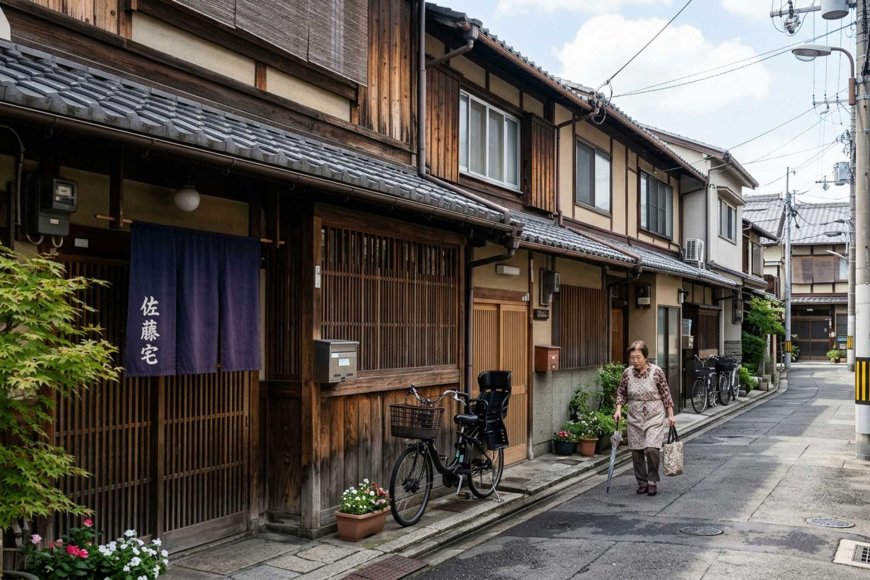
How Much Does Renting in Japan Cost in 2026?
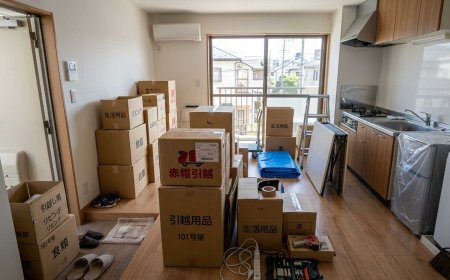
The biggest shock for many foreigners is the upfront cost. In some countries, people expect to pay one month’s rent and a deposit. In Japan, a normal move-in bill can feel like paying rent for a small army before you even sleep in the room.
Typical initial costs may include first month’s rent, security deposit, key money, agency fee, guarantor company fee, fire insurance, and lock replacement fee. ARK’s 2025 relocation guide lists typical costs such as deposit at 1–2 months’ rent, key money at 0–2 months’ rent, agency fee at 0.5–1 month plus tax, guarantor company fee at 50–100% of one month’s rent, fire insurance at ¥15,000–¥30,000 for two years, and lock replacement at ¥15,000–¥30,000.
| Fee | Japanese Term | Typical Cost | Refundable? |
| Rent | 家賃 / Yachin | 1 month | No |
| Deposit | 敷金 / Shikikin | 1–2 months | Sometimes, after deductions |
| Key money | 礼金 / Reikin | 0–2 months | No |
| Agency fee | 仲介手数料 / Chūkai tesūryō | 0.5–1 month + tax | No |
| Guarantor fee | 保証会社費用 / Hoshō gaisha hiyō | 50–100% of rent | No |
| Fire insurance | 火災保険 / Kasai hoken | ¥15,000–¥30,000 | No |
| Lock exchange | 鍵交換 / Kagi kōkan | ¥15,000–¥30,000 | No |
Many 2026 rental guides still estimate total move-in costs at around 3–5 months of rent upfront, although some agencies and properties may require less. This means a ¥70,000 apartment may require around ¥210,000 to ¥350,000 before move-in. A ¥100,000 apartment may require ¥300,000 to ¥500,000. That is why budgeting only for monthly rent is like buying a plane ticket and forgetting the luggage fee, airport train, and hotel.
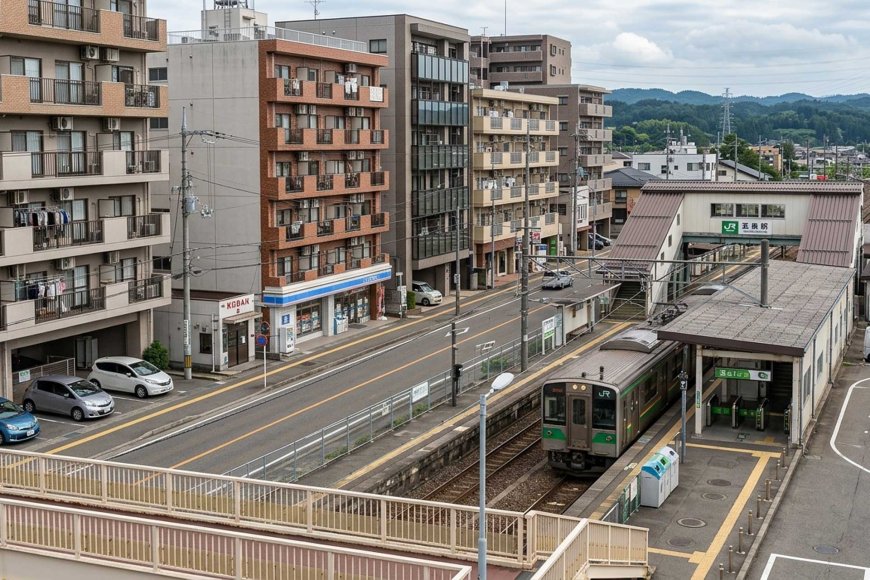
The Guarantor System: The Wall Many Foreigners Hit First
One of the most important words in Japanese housing is hoshōnin, or guarantor. A guarantor is someone who promises to cover unpaid rent or certain costs if the tenant cannot pay. In the past, many landlords wanted a Japanese individual guarantor, often a family member or employer. For foreigners, that can be difficult.
Today, guarantor companies are much more common. A guarantor company acts like a paid backup for the landlord. The tenant pays a non-refundable fee, and the company screens the application. Several 2026 rental guides estimate guarantor company fees at around 50–100% of one month’s rent, though some properties may charge lower or structure it differently.
This system can be frustrating because paying the fee does not guarantee approval. The company may still check your income, visa period, employer, Japanese phone number, emergency contact, and sometimes Japanese language ability. If your visa expires soon, your income is unstable, or your documents are incomplete, the application may become harder.
The practical advice is simple: before falling in love with an apartment, ask whether the property accepts foreign applicants, what guarantor company is required, and what documents are needed. It is better to know early than to imagine your sofa in the living room and then get rejected three days later.
Documents Foreigners Usually Need to Rent in Japan
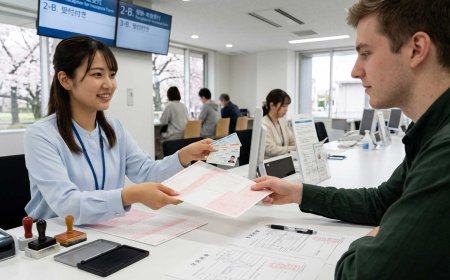
Most rental applications require basic identity, residence, and income documents. The exact list depends on the landlord, agency, and guarantor company, but foreigners should usually prepare the following before viewing apartments seriously:
- Residence card
- Passport
- Visa status and period of stay
- Proof of employment or school enrollment
- Recent payslips or income certificate
- Japanese phone number
- Japanese bank account
- Emergency contact in Japan
- Personal seal or signature, depending on the contract
If you are a student, the agency may ask for school enrollment proof and financial support documents. If you are employed, they may ask for your employment contract or salary slips. If you are self-employed, prepare tax documents, bank statements, client contracts, or anything that proves stable income.
Think of your application like a job interview. The apartment may be the prize, but your documents are your resume. The cleaner your paperwork, the easier it is for the agent to fight for you when the landlord hesitates.
Step-by-Step: How to Rent an Apartment in Japan
The first step is choosing your area based on real life, not fantasy. Everyone wants a beautiful apartment near the station, close to work, quiet at night, sunny in the morning, cheap, spacious, new, and pet-friendly. That apartment exists somewhere—probably in a dream sequence. In real life, you need to choose your top three priorities.
Start with your monthly budget. A common personal rule is to keep rent around 25–30% of your monthly income if possible. Then check commute time. In Japan, distance is less important than train access. A place that looks far on the map may be convenient if it is near a fast train line. A place that looks close may be painful if it requires two transfers and a long walk in winter rain.
After that, search listings through real estate websites, local agencies, foreigner-friendly agencies, Facebook groups, school offices, company HR departments, or relocation services. When you find a property, ask if foreign applicants are accepted before scheduling a viewing. This one question can save you time and emotional damage.
During the viewing, check more than the room. Look at the building entrance, garbage area, bicycle parking, mailbox, noise level, sunlight, phone signal, mold smell, and distance to the nearest supermarket. Open cabinets. Check water pressure. Look at the air conditioner. Japan has beautiful apartments, but some older buildings hide problems behind clean wallpaper.
Once you apply, the screening may take a few days to more than a week. If approved, you will receive a cost estimate and contract explanation. Do not rush this part. Ask about renewal fees, cancellation rules, cleaning fees, internet setup, pet rules, guest rules, garbage rules, and move-out restoration costs.
Common Problems Foreigners Face When Renting
The phrase many foreigners hate is “no foreigners.” It may not always be written directly, but some landlords still reject foreign applicants because of communication concerns, past tenant issues, or fear of unpaid rent after someone leaves Japan. This is unfair and frustrating, but it still happens.
The best response is not to waste energy fighting every closed door. Work with agencies that already handle foreign tenants. Use your strengths: stable job, long visa, Japanese ability, emergency contact, clean documents, and willingness to follow rules. In Japan, reliability speaks loudly.
Another common problem is misunderstanding key money. Key money is not a deposit. It is a non-refundable payment to the landlord. If you pay ¥100,000 in key money, do not expect it back. Many foreigners feel angry when they learn this too late. Always ask: “Which fees are refundable?”
Move-out costs can also surprise tenants. Even if you clean well, the landlord may deduct cleaning fees, repair costs, or restoration expenses. Japan has detailed expectations about returning rooms to proper condition. Before moving in, take photos of scratches, stains, dents, and broken fixtures. Send them to the agency by email so there is a record.
Renting vs Buying: Should Foreigners Buy Property in Japan?
Foreigners can generally buy property in Japan, even without permanent residency. But buying a home is very different from renting one. A cheap rural house may look romantic online, especially with headlines about Japan’s abandoned homes. But an old house can become a money pit if it needs structural repair, roof work, plumbing, insulation, pest control, or septic system upgrades.
The akiya market is real, and foreigners are increasingly interested in it. But ownership does not automatically grant residency, and rural properties may be difficult to sell later. Japan’s vacant home issue is serious, with around 9 million vacant homes recorded in the 2023 survey. Yet many of those homes are not simple “move in tomorrow” bargains. They may be empty for a reason.
Buying can make sense if you have a long-term plan, stable visa situation, local support, renovation budget, and understanding of taxes. For most newcomers, renting first is safer. Live in Japan for a while. Learn the seasons. Learn the neighborhood rhythm. Learn whether you really want countryside silence or city convenience. A house is not just a building; it is a relationship with a place.
Best Tips for Finding Foreigner-Friendly Housing in Japan
The smartest renters prepare before they search. Save enough money for upfront costs. Get a Japanese phone number. Open a bank account. Keep your residence card updated. Prepare income documents. Ask your employer or school if they can support your application. Even small preparation can make you look more reliable.
Use foreigner-friendly agencies if you are new. They may have fewer listings than large Japanese agencies, but they understand the common problems. Some can explain contracts in English, help with guarantor companies, and filter out landlords who do not accept foreigners.
Be flexible with location. Everyone searches famous stations first, which means higher rent and stronger competition. Try nearby stations, local lines, or neighborhoods one or two stops away. In Japan, the difference between “popular station” and “next station” can be thousands of yen per month.
Never sign only because you feel pressured. Real estate agents may say, “This room will disappear soon.” Sometimes that is true. Good apartments move fast. But a rushed bad contract can follow you for two years. Sleep on it when possible. Ask questions. Read the estimate. If something feels unclear, pause.
A Smarter Way to Choose Your First Home in Japan
The best home in Japan is not always the newest, cheapest, or biggest. The best home is the one that supports your life. If you work late, live near transport. If you cook often, prioritize kitchen space. If you study or work from home, check sunlight, noise, and internet options. If you are moving with family, check schools, clinics, parks, and supermarkets.
For foreigners, housing is not just about walls and rent. It affects your visa life, job stability, mental health, friendships, budget, and daily comfort. A bad apartment can make Japan feel cold and stressful. A good apartment can make even a tiny room feel like your own little base camp.
So take your time. Prepare your documents. Understand the fees. Ask direct questions. Choose an area that matches your real lifestyle, not just your image of Japan. Housing in Japan may look complicated at first, but once you learn the system, it becomes much easier to navigate. Like learning Japanese train lines, the map looks scary on day one—but after a while, you know exactly where to transfer.
Your First Home in Japan Starts With Smart Preparation
Finding housing in Japan as a foreigner in 2026 is very possible, but it rewards people who prepare early. The market is changing as Japan welcomes more foreign residents, but old rental habits still remain. Guarantor companies, upfront costs, contract rules, and landlord screening are all part of the journey.
The secret is not to search harder blindly. Search smarter. Know your budget, prepare your documents, use the right agency, understand the fees, and choose a place that fits your real daily life. Your apartment in Japan does not need to be perfect. It needs to be safe, legal, affordable, and comfortable enough for you to build your next chapter.
Prepare Smarter, Live Better in Japan (FREE Download)
Download the First 7 Days in Japan Checklist (FREE)
Don’t guess what to do — follow a proven plan.
Download your FREE “First 7 Days in Japan Checklist” PDF now:
✔ Instant download
✔ Mobile-friendly
✔ Printable
Want the COMPLETE Version? (Premium Upgrade)
If you want a deeper, more powerful guide, there’s also a premium version available on Gumroad.
Nipino.com is committed to providing you with accurate and genuine content. Let us know your opinion by clicking HERE.