




















































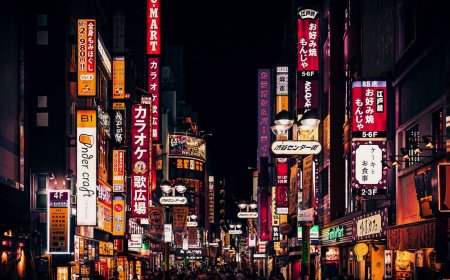


How to Rent an Apartment in Japan: Step-by-Step for Foreigners
Renting an apartment in Japan as a foreigner is possible, but the process can feel confusing because of documents, tenant screening, guarantor companies, key money, and strict contract rules. This guide walks through each step clearly so new residents can find a home, avoid costly mistakes, and move in with confidence.
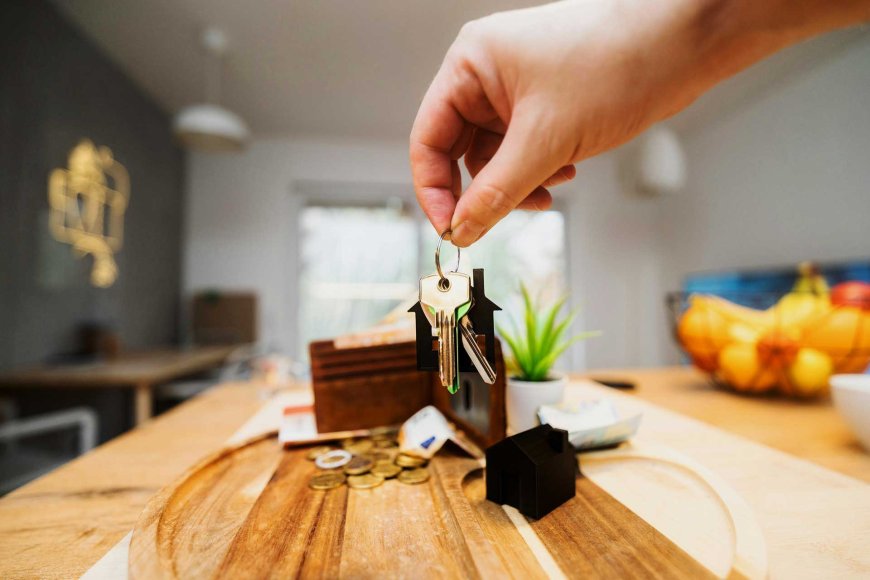
Renting an Apartment in Japan
Renting an apartment in Japan can feel like entering a game where everyone else already knows the rules. You search online, find a nice room near the station, imagine your new daily life, and then the questions start coming. Do you have a residence card? Do you have a guarantor? Can you pay key money? Is your visa long enough? Can you pass screening? Why does a ¥70,000 apartment suddenly require more than ¥300,000 before move-in?
For many foreigners, renting in Japan is not impossible, but it is different. The system has its own rhythm: paperwork, tenant screening, guarantor companies, contract explanations, initial costs, strict apartment rules, and move-in procedures. The good news is that things are becoming easier in 2026. More agencies now handle foreign applicants, guarantor companies are more common, and more properties advertise reduced initial costs or “no key money.” Some 2026 rental guides note that guarantor companies have become a normal solution for foreign renters, often replacing the old requirement for a personal Japanese guarantor.
Still, preparation matters. Japan rewards people who arrive with documents ready, money prepared, and expectations adjusted. This guide walks you through the process step by step, so you can rent an apartment in Japan with less stress and fewer surprises.
Want a smoother transition into life in Japan? Check out the Japan Starter Toolkit.
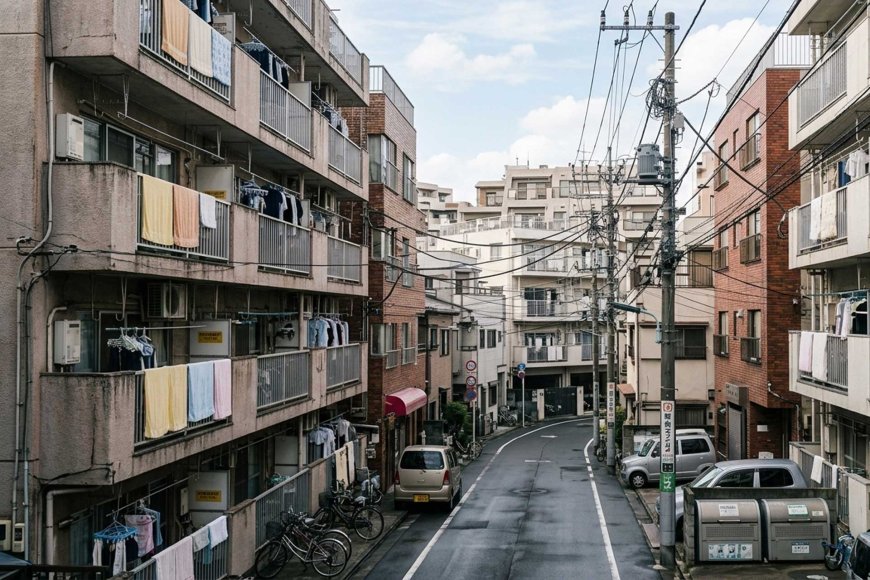
Step 1: Understand How Renting Works in Japan
The first thing to understand is that Japanese landlords usually care deeply about stability. They want tenants who can pay rent on time, follow building rules, avoid trouble with neighbors, and stay for the contract period. This is why screening can feel strict, especially for foreigners who are new to Japan, have limited Japanese ability, or do not yet have local income history.
Foreigners can legally rent apartments in Japan. The challenge is practical, not legal. Some landlords worry about language barriers, visa length, emergency contacts, unpaid rent, or misunderstandings about garbage rules and noise. Because of that, not every property is foreigner-friendly. This does not mean you should give up; it means you should search smarter.
A foreigner-friendly apartment does not always mean “cheap.” It usually means the landlord or agency is willing to accept non-Japanese tenants and has a process for handling foreign documents, guarantor companies, overseas emergency contacts, or limited Japanese ability. In 2026, rental platforms and agencies focused on foreigners are becoming more common, especially in Tokyo, Osaka, Kyoto, Fukuoka, and other major cities.
Complete Guide to Housing in Japan for Foreigners
Step 2: Prepare Your Budget Before You Search
Before falling in love with an apartment listing, prepare your budget. In Japan, the rent shown online is only one part of the cost. You also need to think about initial costs, monthly management fees, utility setup, furniture, appliances, internet, transportation, and emergency money.
A common mistake is searching for apartments based only on monthly rent. For example, a ¥75,000 apartment may look affordable, but if the contract includes deposit, key money, agency fee, guarantor fee, fire insurance, cleaning fee, lock exchange fee, and advance rent, the total move-in cost can easily reach several months of rent. Recent 2026 foreigner rental guides estimate guarantor company fees at around 50% to 100% of one month’s rent, depending on the property and tenant profile.
| Cost Item | Common Range | Refundable? |
| Security deposit / 敷金 | 0–2 months rent | Sometimes, after deductions |
| Key money / 礼金 | 0–2 months rent | No |
| Agency fee / 仲介手数料 | 0.5–1 month rent + tax | No |
| Guarantor company fee | 30%–100% of rent | No |
| Fire insurance | Around ¥15,000–¥25,000 | Usually no |
| Lock change / cleaning | Varies by property | Usually no |
| First month rent | 1 month or prorated | No |
Set a realistic budget before applying. If your monthly rent target is ¥80,000, preparing only ¥160,000 is usually not enough. A safer starting point is to prepare four to six months of rent for move-in costs, then extra for furniture and daily setup.
Initial Costs of Moving into an Apartment in Japan: Full Breakdown
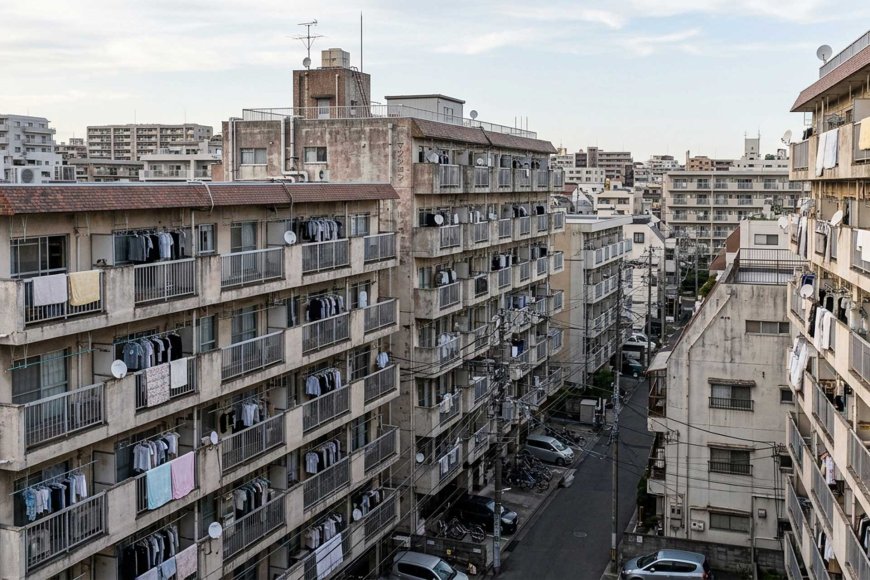
Step 3: Prepare the Required Documents
Documents are the backbone of a rental application in Japan. If you prepare them early, you move faster. If you wait until the agent asks, another applicant may take the room.
Most foreign renters need a residence card, passport, proof of income or employment, and an emergency contact. Some agencies may also ask for recent payslips, employment contract, tax documents, bank balance, student certificate, certificate of enrollment, or proof of financial support. Tokyo-focused rental application guides list passport, residence card, proof of legal stay, employment certificate, payslips, and tax withholding documents as common materials, while students may need school enrollment and financial support documents.
| Applicant Type | Useful Documents |
| Company employee | Residence card, passport, employment certificate, payslips |
| Student | Residence card, passport, student ID, enrollment certificate, financial support proof |
| Freelancer | Tax return, bank statements, contracts, client payment proof |
| New arrival | Passport, visa/COE, job offer, overseas income proof |
| Family renter | Documents for all adult residents, income proof, emergency contact |
For freelancers and self-employed residents, screening can be more difficult because income may look less stable. Some agencies may request tax return documents, tax payment certificates, or bank passbook copies to confirm financial reliability.
Step 4: Choose the Right Housing Option
Not every foreigner should start with a standard apartment. Your best housing option depends on your visa status, Japanese ability, income, location, family size, and how long you plan to stay.
A standard apartment is best if you want privacy and plan to stay long-term. A share house is easier for new arrivals because initial costs are often lower, furniture is included, and contracts may be simpler. A monthly apartment is useful if you are applying from overseas, relocating for work, or unsure which area fits your lifestyle. Some monthly apartments do not require a guarantor, which can make them easier for foreigners.
UR rental housing is also worth knowing. UR apartments are operated by Urban Renaissance Agency and are often attractive because they may have no key money, no agency fee, and no guarantor requirement. The trade-off is that some buildings may be older, availability depends on location, and popular units can be competitive.
| Housing Type | Best For | Main Advantage | Main Disadvantage |
| Standard apartment | Long-term residents | Privacy and stability | High initial cost |
| Share house | New arrivals, students | Low setup cost | Less privacy |
| Monthly apartment | Short-term or uncertain plans | Flexible and furnished | Higher monthly rent |
| UR housing | Budget-conscious renters | No key money/agency fee in many cases | Limited availability |
Best Housing Options in Japan: Apartment vs Share House vs UR
Step 5: Search Through the Right Channels
You can search through large Japanese listing sites, local real estate offices, foreigner-friendly agencies, relocation companies, share house platforms, and monthly apartment providers. If your Japanese is limited, a foreigner-friendly agency can save time even if the selection is smaller.
When searching, filter by more than rent. Check the distance from the station, train line, commute time, building age, floor level, sunlight, noise, gas type, internet availability, move-in date, pet rules, and initial fees. A beautiful room with a bad commute can become tiring quickly. A cheap room with propane gas and poor insulation may cost more in winter.
Also, do not ignore local agencies. In regional cities, local real estate offices may know apartments that are not heavily promoted online. But if the staff has limited experience with foreign applicants, bring someone who can help with Japanese or prepare your documents clearly.
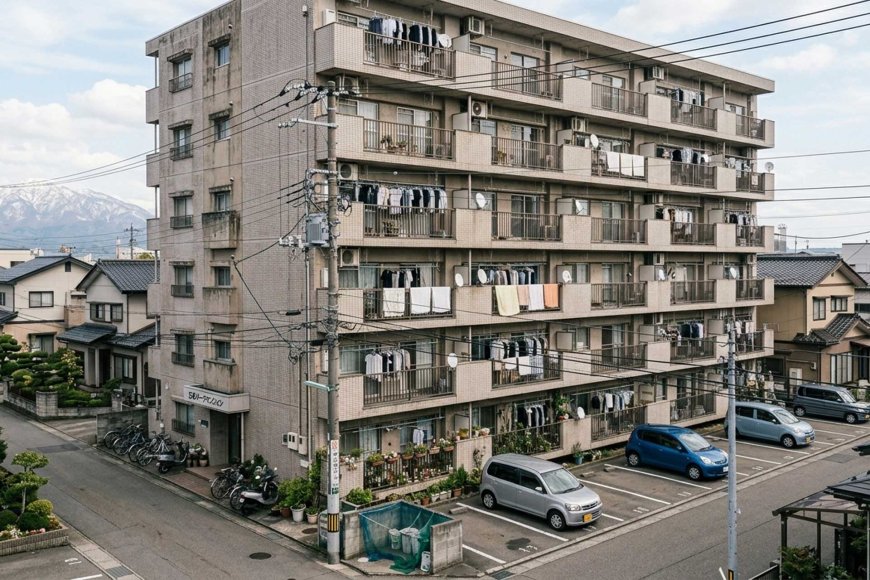
Step 6: View the Apartment Carefully
Apartment viewing is not only about asking, “Is it nice?” You need to check whether the room fits real life. Visit during the day if possible so you can see natural light. Open windows. Check noise from roads, trains, neighbors, shops, or nearby schools. Look at the kitchen, bathroom, washing machine space, storage, air conditioner, outlets, and phone/internet connection points.
The neighborhood matters as much as the room. Check the walking route to the station, supermarket, convenience store, hospital, city office, laundromat, and bus stop. If you come home late from work, think about lighting and safety at night.
Before applying, ask about the total initial cost, contract length, renewal fee, early cancellation penalty, internet options, garbage rules, bicycle parking, parking availability, pet rules, and whether foreigners have been accepted in that building before.
Top 10 Apartment Rules in Japan Foreigners Must Know
Step 7: Submit the Application and Pass Screening
After choosing a room, you submit an application. This does not mean the apartment is yours yet. The landlord, management company, and guarantor company may review your profile. Screening can take several days. One Tokyo rental guide describes screening as a 3-to-7-day due diligence period and lists passport, residence card, income proof, and emergency contact as common requirements.
Screening may check your visa length, job stability, income level, Japanese phone number, emergency contact, and ability to communicate. Some landlords prefer rent to be no more than about one-third of monthly income, though this is not a universal rule.
Common rejection reasons include unstable income, short visa duration, missing documents, no acceptable emergency contact, poor communication, pets in no-pet properties, or applying for an apartment that does not accept foreign tenants. If rejected, do not take it personally. It happens. Ask the agent what type of property is more realistic for your profile.
Step 8: Review the Contract Before Signing
Once approved, you will receive contract documents and an explanation of important matters. This is the moment to slow down. Do not sign just because you are excited. Japanese rental contracts can include strict rules about noise, garbage, guests, pets, musical instruments, smoking, renovations, early cancellation, renewal fees, and move-out cleaning.
Pay close attention to:
| Contract Point | Why It Matters |
| Key money | Non-refundable |
| Deposit | May be deducted after move-out |
| Renewal fee | Often charged every 2 years in some areas |
| Early cancellation | May require 1–2 months notice or penalty |
| Cleaning fee | May be charged upfront or at move-out |
| Guarantor renewal | May be charged yearly |
| Prohibited actions | Pets, smoking, subletting, instruments, office use |
If you do not understand the Japanese contract, ask for help. A rental contract is not a casual form. It controls your money, rights, and responsibilities.
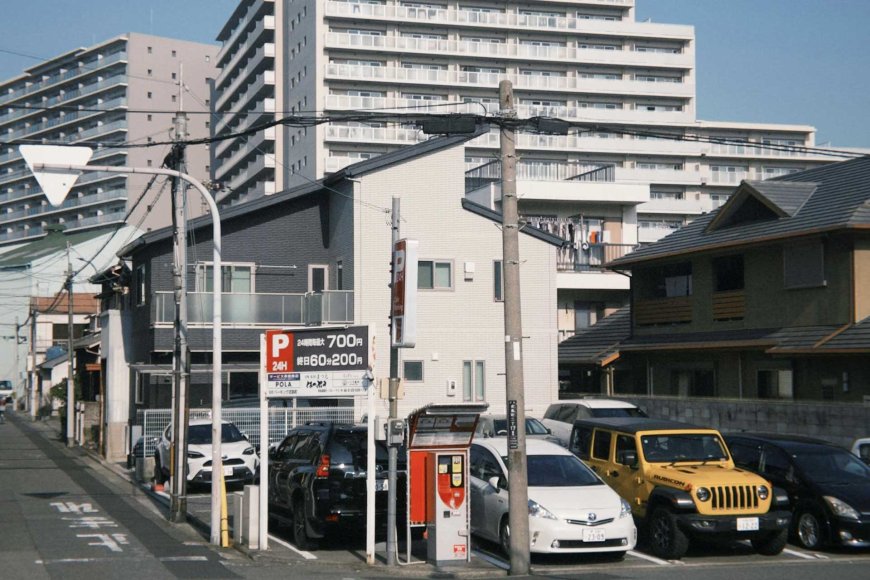
Step 9: Pay Initial Costs and Set Up Utilities
After signing, you pay the initial costs by the deadline. Payment is usually required before receiving the key. Be careful with bank transfer deadlines, especially if your bank account is new or transfer limits are low.
You also need to set up electricity, gas, water, and internet. Electricity and water may be easy to start, but gas often requires an appointment because a staff member may need to open the gas line safely. Internet can take time, especially if installation work is needed. Do not assume Wi-Fi will be ready on move-in day unless the property clearly includes it.
If you are moving to a new city, remember to register your address at the city office. This is also where you may handle National Health Insurance, pension, My Number-related procedures, and other local paperwork.
Complete Guide to Budgeting in Japan: Cost of Living, Savings, and Expenses
Step 10: Move In and Protect Yourself
When you move in, inspect the apartment before unpacking. Take photos and videos of scratches, stains, dents, damaged wallpaper, broken fixtures, mold, floor marks, and appliance issues. Send serious issues to the management company early. This helps protect your deposit when you move out.
Learn the garbage rules immediately. Japan’s garbage system differs by city and even by neighborhood. Burnable, non-burnable, plastic containers, cans, bottles, PET bottles, cardboard, oversized garbage, and collection days may all have separate rules. Many foreign renters get complaints not because they are careless, but because nobody explained the system clearly.
Introduce yourself quietly to the rhythm of the building. Avoid loud music, heavy footsteps at night, balcony problems, smoking issues, and leaving items in shared spaces. In Japanese apartments, being a good neighbor matters.
Rent With Preparation, Not Panic
Renting an apartment in Japan as a foreigner can feel complicated, but the process becomes manageable when you break it into steps. Prepare your budget, collect your documents, choose the right housing type, search through suitable channels, view carefully, apply realistically, review the contract, pay properly, set up utilities, and document the room condition when you move in.
The biggest lesson is simple: do not rush. A good apartment is not only a nice room. It is a place you can afford, understand, maintain, and live in peacefully. When you rent with preparation instead of panic, Japan starts to feel less like a maze and more like a home.
Prepare Smarter, Live Better in Japan (FREE Download)
Download the First 7 Days in Japan Checklist (FREE)
Don’t guess what to do — follow a proven plan.
Download your FREE “First 7 Days in Japan Checklist” PDF now:
✔ Instant download
✔ Mobile-friendly
✔ Printable
Want the COMPLETE Version? (Premium Upgrade)
If you want a deeper, more powerful guide, there’s also a premium version available on Gumroad.
Nipino.com is committed to providing you with accurate and genuine content. Let us know your opinion by clicking HERE.