





































































How to Become Valuable to Japanese Employers
Learn how foreign workers can become more valuable to Japanese employers through communication, reliability, Japanese skills, teamwork, certifications, and career growth.
More Opportunities in Japan
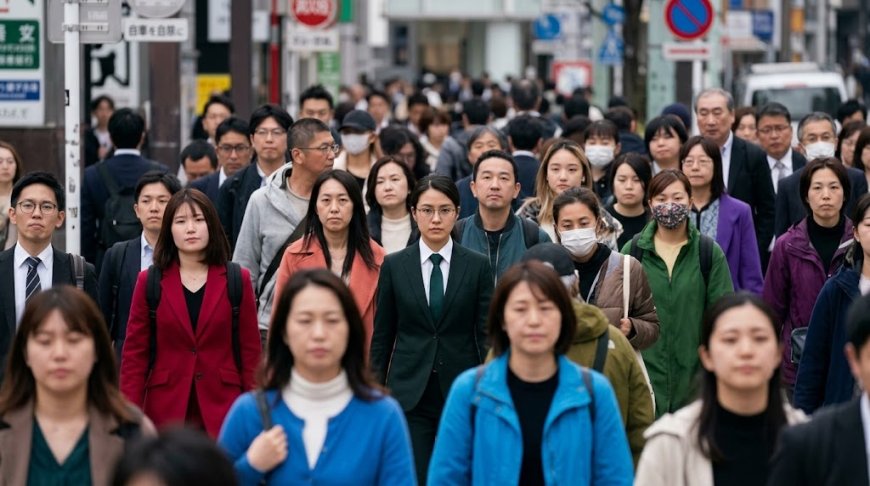
Japan needs workers. That is not just a feeling you hear from friends or coworkers; it is already visible in the numbers. As of October 2025, Japan had more than 2.57 million foreign workers, the highest number ever recorded. For foreign residents, this creates a serious opportunity. But opportunity alone does not guarantee career growth.
Here is the real question: how do you become the kind of worker Japanese employers want to hire, trust, promote, and keep?
Many foreign workers believe the answer is simple: work hard. Hard work matters, of course. But in Japan, being valuable usually means more than doing your assigned task. Employers often look for reliability, communication, teamwork, cultural awareness, Japanese ability, and skills that solve real business problems.
A Nippon.com report on companies employing foreign workers found that businesses hire foreign workers not only to fill labor shortages, but also to gain specific business skills and knowledge and respond to overseas expansion. That means foreign workers should not see themselves only as “extra labor.” You can become a bridge, a specialist, a communicator, and a problem solver.
1. Understand What Japanese Employers Really Value
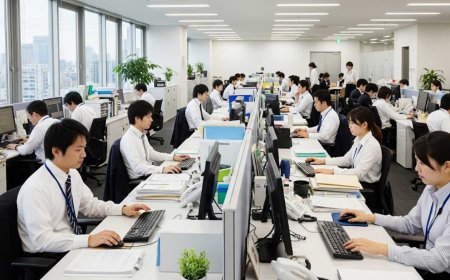
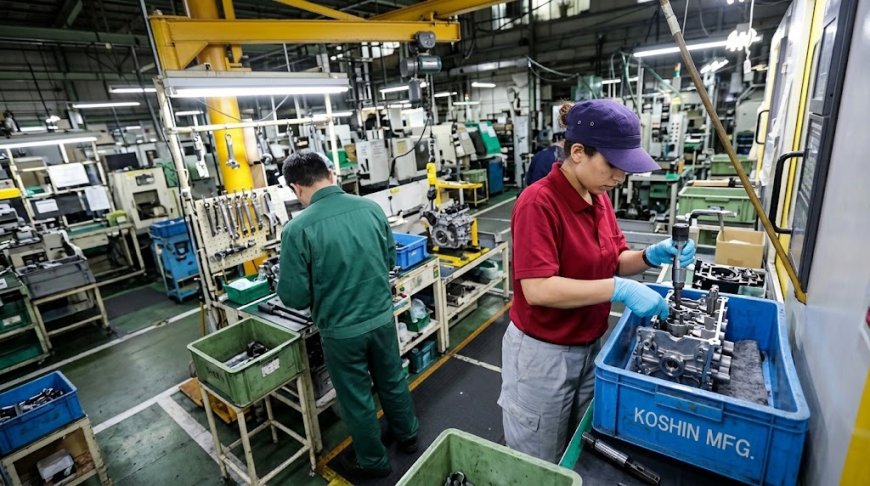
Japanese employers often value workers who are reliable, cooperative, careful, and consistent. Talent is important, but attitude is watched closely. A highly skilled worker who misses details, ignores communication, or creates tension may struggle. A worker with average skills but strong discipline, good teamwork, and steady improvement can become trusted over time.
This is especially true in workplaces where safety, customer trust, and team coordination matter. Factories, hospitals, care facilities, hotels, schools, restaurants, offices, and construction sites all depend on people doing their part properly.
Japanese companies do not only ask, “Can this person do the job?” They also ask, “Can this person work smoothly with others?”
That is why value in Japan is not only about speed. It is about trust.
2. Improve Practical Japanese, Not Just Textbook Japanese
You do not need perfect Japanese to start working in Japan, but if you want to grow, practical Japanese becomes one of your strongest career tools.
Workplace Japanese is different from classroom Japanese. It includes reporting mistakes, confirming instructions, asking questions politely, understanding schedules, reading notices, handling customers, and communicating with supervisors.
The official employer guidelines for foreign workers say employers should provide Japanese-language education and support to help foreign workers adapt to life, culture, customs, and employment practices in Japan. That also tells us something important: Japanese ability is not only a personal skill. It is part of workplace safety, teamwork, and long-term integration.
Start with phrases you actually need at work:
| Situation | Useful Workplace Habit |
| You don’t understand | Ask early and confirm the instruction |
| You made a mistake | Report quickly and explain what happened |
| You will be late | Contact the company before the shift starts |
| You finished a task | Ask if there is anything else to do |
| You need help | Consult before the problem becomes serious |
Even simple Japanese, used properly, can make you look more professional.
3. Master Ho-Ren-So
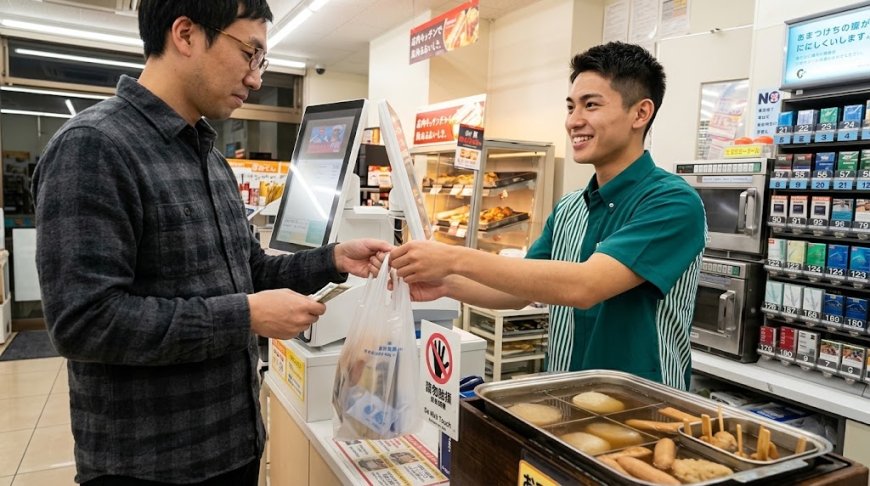
One of the most important workplace habits in Japan is Ho-Ren-So: houkoku reporting, renraku contacting, and soudan consulting.
This sounds simple, but many foreign workers learn it too late. In some cultures, solving problems alone shows independence. In Japan, hiding a problem until it becomes serious can damage trust.
If something changes, report it. If someone needs to know, contact them. If you are unsure, consult before acting.
For example, if you cannot finish a task by the deadline, do not wait until the last minute. Tell your supervisor early. Explain the situation. Ask what should be prioritized. This shows responsibility, not weakness.
In Japan, a valuable worker is not the person who never makes mistakes. It is the person who communicates before mistakes become bigger.
4. Become Easy to Trust
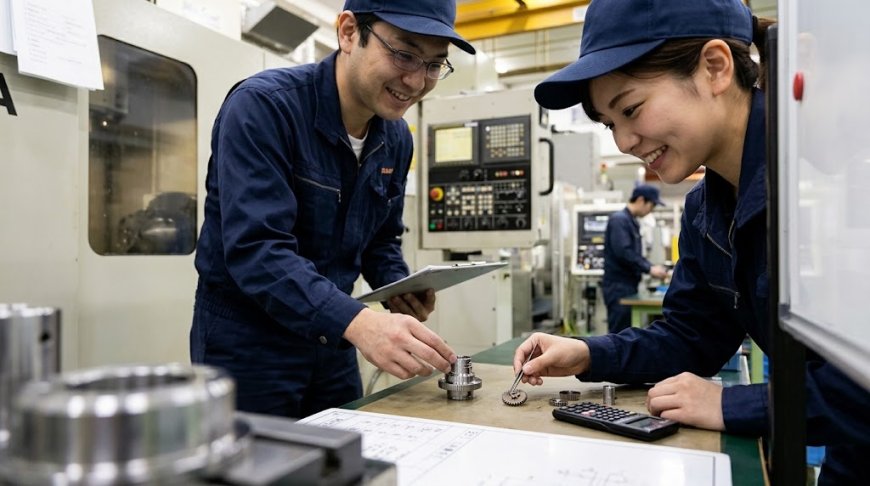
Trust is career currency in Japan. Once people trust you, they may give you better tasks, more responsibility, customer-facing roles, training opportunities, or leadership chances. But trust is built slowly.
You become trustworthy by doing small things consistently: arriving prepared, following instructions, checking details, keeping promises, reporting problems, and respecting the team.
Punctuality is a good example. In Japan, being “on time” often means being ready to start at the scheduled time, not arriving at the last second. If your shift starts at 9:00, people may expect you to be prepared before 9:00.
This may feel strict, but from the employer’s side, it signals reliability. If they can trust you with time, they may later trust you with people, money, equipment, or customers.
5. Bring Skills Japanese Companies Need
Japan’s labor shortage is real, but employers do not only want more people. They want people who can help the business survive and grow. A Reuters survey in 2025 found that two-thirds of Japanese companies were significantly affected by labor shortages, especially due to aging and population decline.
This means workers who bring useful skills can become more valuable. The best strategy is to combine your current work experience with new skills.
| Skill Area | Why It Makes You Valuable |
| Japanese communication | Helps you work smoothly with teams and customers |
| English or other language ability | Useful for tourism, education, global business, and foreign customer support |
| IT and digital skills | Helps companies modernize systems and reduce manual work |
| Caregiving skills | Important as Japan’s population ages |
| Hospitality skills | Useful for tourism, hotels, restaurants, and service industries |
| Leadership skills | Helps companies train and manage diverse teams |
| Overseas market knowledge | Useful for companies expanding abroad |
The most valuable foreign workers are often not just “foreign workers.” They are bilingual staff, team leaders, customer bridges, technical specialists, trainers, interpreters, or cultural connectors.

6. Learn Japanese Workplace Culture Without Losing Yourself
Some foreign workers think adapting to Japan means becoming completely Japanese. That is not true. You do not need to erase your personality. But you do need to understand the environment you are working in.
Japanese workplaces often value harmony, respect, careful communication, and group awareness. That means how you say something can matter as much as what you say.
If you disagree, avoid sounding aggressive. If you need help, ask early. If you receive feedback, listen carefully before defending yourself. If you want promotion, show how your growth helps the team, not only yourself.
Adaptability is not weakness. It is strategy.
7. Keep Records of Your Achievements
Many foreign workers are hardworking but poor at documenting their value. They do the work, help the team, solve problems, and then forget to record anything.
This becomes a problem when applying for a better job. Your future employer will not know your value unless you can explain it clearly.
Keep a simple record of:
- Tasks you handled
- Machines, tools, or systems you used
- Customers or teams you supported
- Languages you used at work
- Certificates you earned
- Problems you helped solve
- Improvements you contributed to
Instead of saying, “I worked in a factory,” you can say, “I handled quality-check tasks, followed safety procedures, and supported team production targets in a fast-paced environment.”
That sounds stronger because it shows value.
8. Think Like a Problem Solver
If you want to become valuable, do not only ask, “What is my task?” Also ask, “What problem is this company trying to solve?”
Maybe the company needs workers who can reduce mistakes. Maybe it needs someone who can help foreign staff understand rules. Maybe it needs better customer service for tourists. Maybe it needs digital tools. Maybe it needs someone dependable enough to train new people.
When you understand the company’s problem, you can position yourself as part of the solution.
This is where foreign workers can shine. You may understand different cultures. You may speak multiple languages. You may notice inefficiencies that local workers overlook. You may have experience from another country that gives you a fresh perspective.
Do not hide those strengths. Use them wisely.
9. Protect Your Rights and Professional Stability
Being valuable does not mean accepting everything silently. A strong worker also understands contracts, labor rules, and workplace rights.
Japan’s Ministry of Health, Labour and Welfare provides consultation services for foreign workers, including help related to working conditions. If you experience unpaid wages, unsafe conditions, unclear deductions, or unfair treatment, keep records and ask for proper advice.
A valuable worker is not someone who allows exploitation. A valuable worker is professional, informed, and responsible.
Become the Worker They Want to Keep
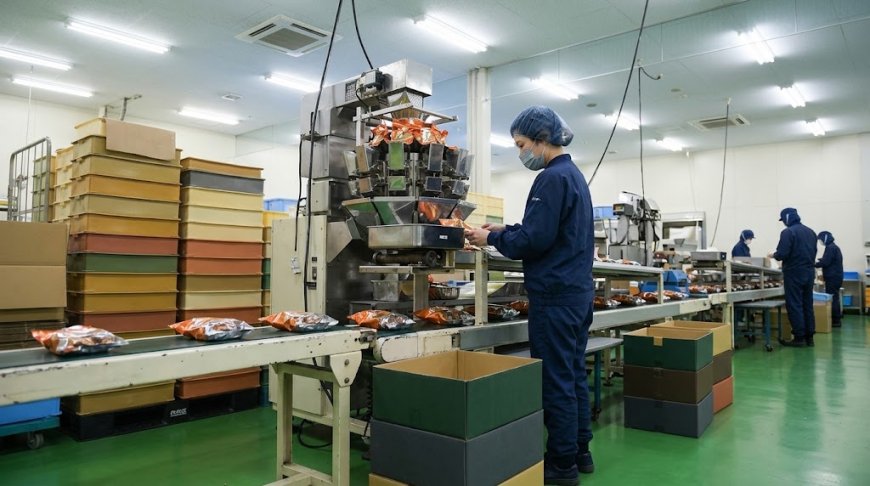
To become valuable to Japanese employers, you do not need to be perfect. You need to be dependable, teachable, and useful. Improve your Japanese little by little. Communicate early. Understand workplace culture. Build skills that solve real problems. Keep records of your achievements. Show that hiring you is not only filling a vacancy, but gaining an asset.
Japan’s labor market is changing, and foreign workers are becoming more important every year. But the workers who grow the most will be those who go beyond “I need a job” and start thinking, “How can I become someone this company truly needs?”
That mindset can change your career in Japan.
For more practical Japan living guides, explore related resources like the Living in Japan, Japan Starter Toolkit, and Everyday Japanese for Beginners.
Prepare Smarter, Live Better in Japan (FREE Download)
Download the First 7 Days in Japan Checklist (FREE)
Don’t guess what to do — follow a proven plan.
Download your FREE “First 7 Days in Japan Checklist” PDF now:
✔ Instant download
✔ Mobile-friendly
✔ Printable
Want the COMPLETE Version? (Premium Upgrade)
If you want a deeper, more powerful guide, there’s also a premium version available on Gumroad.
Nipino.com is committed to providing you with accurate and genuine content. Let us know your opinion by clicking HERE.