



































































Career Mistakes Foreign Workers Commonly Make in Japan
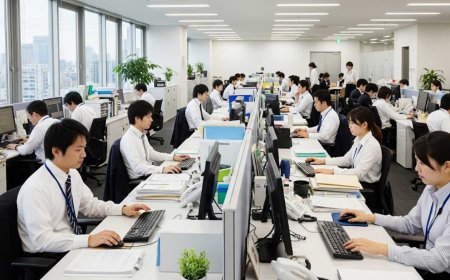
Japan can be a land of opportunity, but it is not always an easy place to build a career. Many foreign workers arrive with strong motivation, good intentions, and a willingness to work hard. Some succeed, grow, and create stable lives. Others stay stuck in the same position for years, not because they are lazy or incapable, but because they misunderstand how career growth works in Japan.
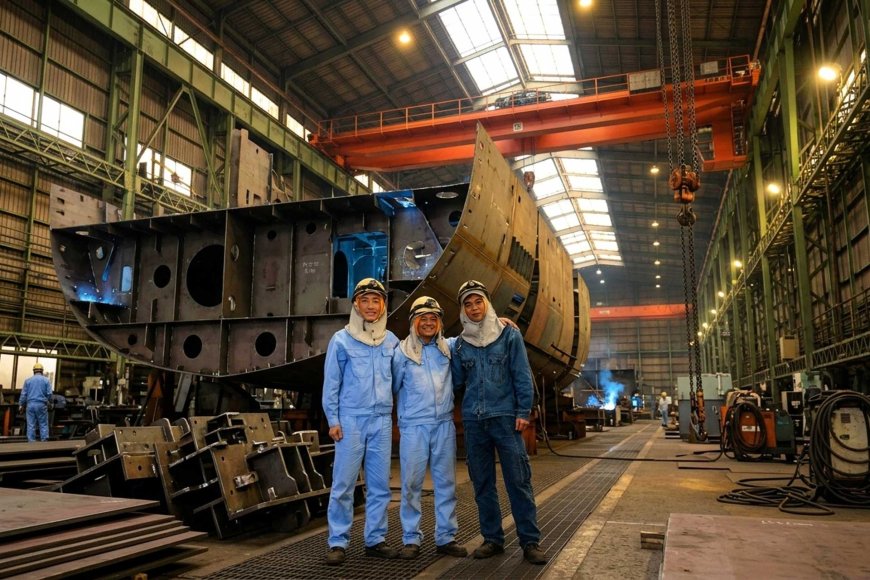
Career Growth in Japan
More and more foreign workers are building lives in Japan, but also facing the same question: “How do I move from simply working in Japan to actually growing in Japan?”
The answer starts by avoiding these common career mistakes.
How to Find a Job in Japan as a Foreigner (2026 Guide)
Mistake 1: Thinking Hard Work Alone Is Enough
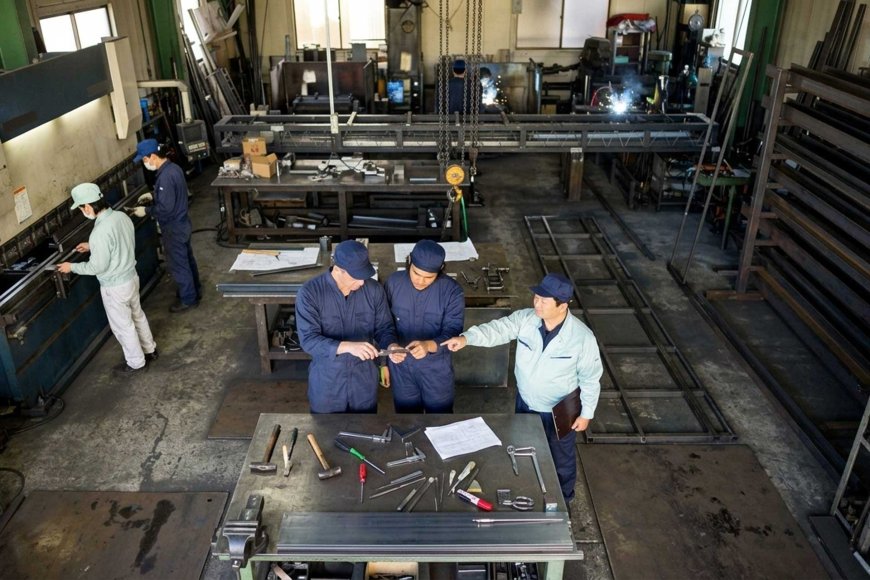
Many foreign workers believe that if they work hard, arrive on time, avoid complaints, and follow instructions, their career will naturally improve. Hard work is important in Japan, but hard work alone is not a career strategy.
In many Japanese workplaces, managers may not automatically recognize your ambitions unless you communicate them properly. You may be seen as reliable, but not necessarily ready for promotion. You may be trusted with routine tasks, but not considered for leadership, training, or better positions.
Think of your career like a train. Hard work is the engine, but communication is the track. Without the right track, even a powerful engine goes nowhere.
Foreign workers should learn how to report progress, ask for feedback, and express career goals in a respectful way. Instead of only saying, “I will do my best,” you can say, “I want to improve this skill so I can contribute more to the team.” That small shift shows maturity, ambition, and teamwork.
Mistake 2: Not Improving Japanese Communication
Some foreign workers survive in Japan with basic Japanese, and that is already an achievement. But career growth usually requires more than survival Japanese. There is a big difference between ordering food, asking for directions, and discussing work problems with a supervisor.
In Japan, workplace communication often depends on tone, timing, and indirect meaning. JETRO’s guide on business communication explains that direct communication can sometimes create misunderstandings in Japanese business settings, especially when foreigners interpret vague replies too literally.
This does not mean you must become perfectly fluent. It means you should keep improving practical Japanese connected to your work. Learn words for reporting problems, confirming instructions, apologizing professionally, asking questions, and explaining delays.
For example, instead of saying only “I don’t understand,” it is better to say, “Could you please explain this part one more time?” In Japanese workplace culture, the way you ask can affect how people perceive your professionalism.

Mistake 3: Ignoring Visa and Contract Details
One of the biggest career mistakes foreign workers make in Japan is treating visa rules and employment contracts as boring paperwork. They are not. They are the foundation of your legal and career stability.
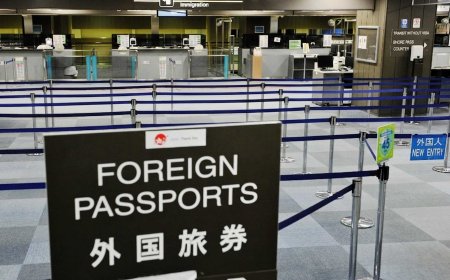
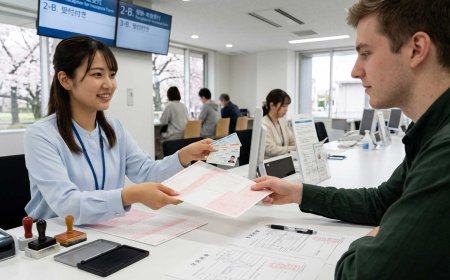
Different residence statuses have different work conditions. Some workers cannot freely change industries. Others may need to notify immigration after changing jobs. Some side jobs may not be allowed without proper permission. If you ignore these details, a better job offer can quickly become a legal problem.
Before changing jobs, accepting side work, or signing a new contract, foreign workers should carefully check whether the new work matches their visa status. Japan’s system for foreign labor is changing, especially with programs such as Specified Skilled Worker and new skill-development pathways, so relying on old advice from friends is risky. The Immigration Services Agency reported continued expansion of the Specified Skilled Worker system, including 16 eligible fields.
A simple rule: before you move, verify. Your future self will thank you.
Mistake 4: Misreading Japanese Workplace Culture
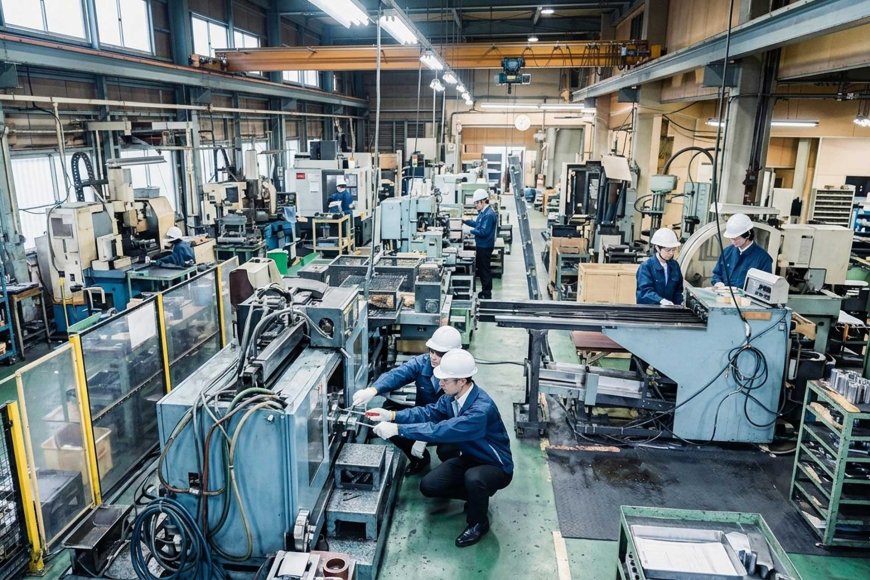
Many career problems in Japan are not caused by technical skills. They are caused by misunderstanding expectations.
For example, in some workplaces, reporting small updates is considered responsible. In other cultures, employees may only report when there is a major issue. In Japan, waiting too long to report a problem may look careless, even if you were trying to solve it alone.
Another example is disagreement. In some countries, direct disagreement shows confidence. In Japan, it can sound aggressive if expressed too strongly or at the wrong time. The goal is not to erase your personality. The goal is to adjust your delivery so people can hear your message without feeling attacked.
| Workplace Situation | Common Mistake | Better Approach |
|---|---|---|
| You don’t understand an instruction | Pretending you understand | Ask politely and confirm details |
| You made a mistake | Hiding it until later | Report early and suggest a solution |
| You disagree with an idea | Saying “That’s wrong” directly | Say “May I suggest another option?” |
| You want promotion | Waiting silently | Ask what skills you need to improve |
This is not about becoming Japanese. It is about becoming effective in Japan.
Mistake 5: Staying Too Long Without a Career Plan
Stability is valuable, especially for foreign workers supporting families. But staying in the same role for too long without learning new skills can quietly damage your future.
Many workers wake up after five or ten years and realize they have experience, but not enough transferable skills. They worked hard, but they did not build a stronger resume. They earned money, but they did not increase their market value.
A career plan does not need to be complicated. Start with three questions:
- What skill can increase my income?
- What job do I want next?
- What proof can I show employers?
For some workers, the answer may be Japanese language improvement. For others, it may be caregiving qualifications, IT skills, driving licenses, food safety training, hospitality experience, or leadership training.
The mistake is not staying in one company. The mistake is staying without growing.
Mistake 6: Not Documenting Achievements
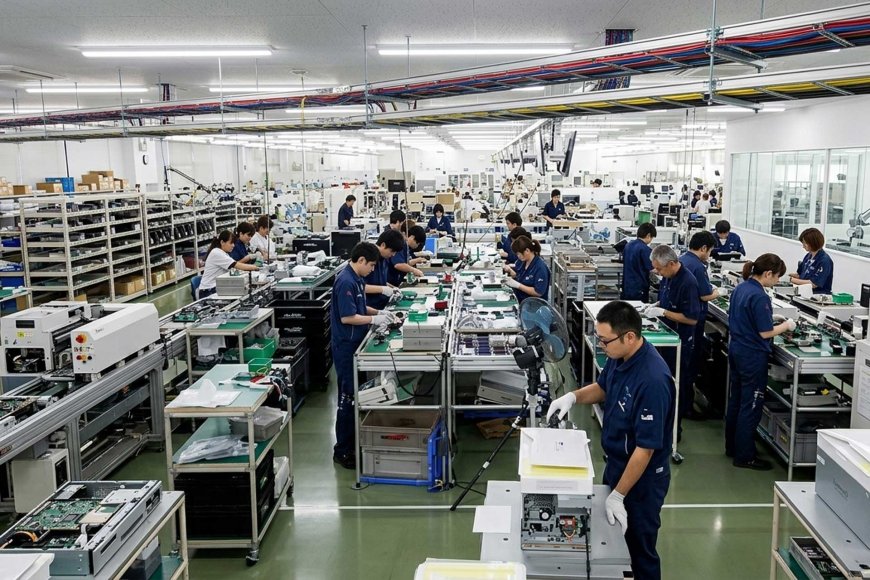
Many foreign workers are humble. They do their job, help coworkers, solve problems, and move on. That is admirable, but when it is time to apply for a better job, they struggle to explain their value.
Your resume should not only list tasks. It should show results.
Instead of writing, “Worked in food production,” write something stronger: “Handled daily food production tasks while maintaining quality and hygiene standards in a fast-paced team environment.”
Instead of saying, “Assisted customers,” say: “Supported Japanese and foreign customers using basic Japanese and English communication.”
If you work in IT, design, teaching, caregiving, hospitality, factory operations, or administration, keep records of your achievements. Save certificates. Track responsibilities. Build a small portfolio when possible. Employers need proof, not just promises.
Mistake 7: Avoiding Networking
Some foreign workers think networking means being fake or asking people for favors. That is not true. Networking simply means building professional relationships before you need help.
In Japan, trust matters. A recommendation from someone who knows your attitude can open doors that online applications cannot. This is especially true for foreigners, because employers may worry about language, culture fit, or visa issues. A trusted introduction can reduce that fear.
Networking can be simple. Join local community events. Attend career seminars. Connect with people on LinkedIn. Talk to seniors in your industry. Stay in touch with former coworkers. For Filipinos in Japan, community groups can also be powerful sources of job leads, advice, and emotional support.
The key is to network before you are desperate. Build bridges while the weather is good.
Mistake 8: Accepting Bad Conditions Without Knowing Your Rights
Some foreign workers tolerate unpaid overtime, unclear contracts, unsafe conditions, or unfair treatment because they fear losing their job or visa. This fear is understandable, but silence can make problems worse.
Japan has labor rules, and foreign workers have rights too. The Ministry of Health, Labour and Welfare provides a Consultation Line for Foreign Workers and a Working Conditions Hotline in multiple languages, including English and Filipino.
Knowing your rights does not mean becoming difficult. It means protecting yourself properly. Keep copies of contracts, payslips, work schedules, and messages related to work conditions. If something feels wrong, ask advice before taking action.
A strong career is not only about salary. It is also about safety, dignity, and peace of mind.
Mistake 9: Depending Only on One Skill
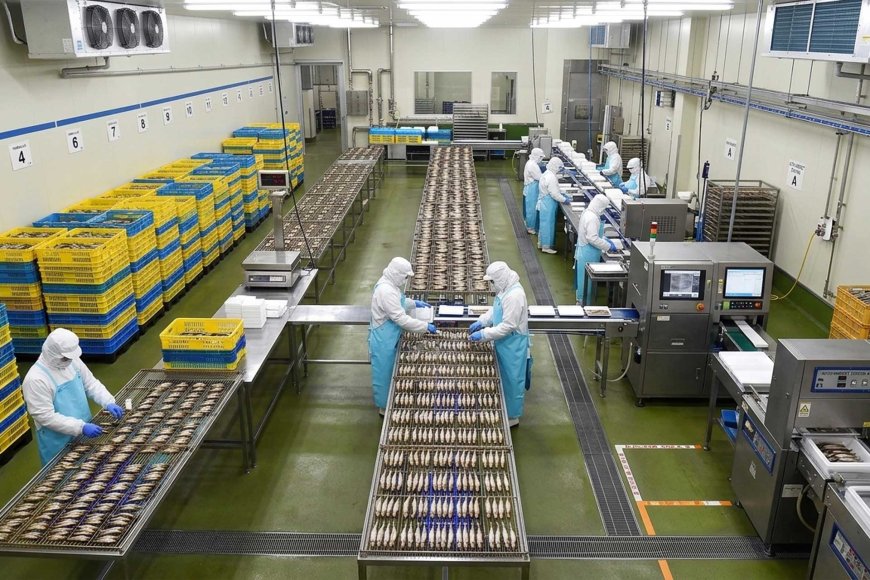
Japan’s job market is changing. Foreign workers who rely only on one skill may become vulnerable if their industry slows down, their company restructures, or their body can no longer handle physically demanding work.
The safest career strategy is skill stacking. This means combining two or more useful skills to become more valuable.
For example:
| Main Skill | Add-On Skill | Career Advantage |
|---|---|---|
| Japanese conversation | Basic computer skills | Office or customer support roles |
| Caregiving | JLPT + certification | Better care facility opportunities |
| Factory work | Forklift/license training | Higher responsibility roles |
| English | Teaching skills | Education-related work |
| IT basics | Japanese communication | More local tech opportunities |
You do not need to become an expert in everything. You just need to become harder to replace.
Mistake 10: Forgetting Why You Came to Japan
This may sound emotional, but it matters. Many foreign workers become so busy surviving that they forget their original goal. Was it to support family? Build savings? Gain international experience? Start a business? Create a better life?
When you forget your “why,” every difficult day feels heavier. When you remember it, you can make better decisions.
Japan can be demanding. Work can be tiring. Language can be frustrating. But if you treat every year as a step toward something bigger, your journey becomes more meaningful.
Do not just ask, “How can I keep this job?” Ask, “How can this job help me build my future?”
Build a Career, Not Just a Work Routine
The biggest career mistake foreign workers make in Japan is not one single action. It is drifting. Drifting from job to job, year to year, without a clear plan, without improving Japanese, without documenting achievements, and without understanding how the workplace really works.
You do not need to be perfect. You do not need to master everything immediately. But you do need to be intentional. Learn the language little by little. Understand your rights. Respect the culture without losing yourself. Build skills that make you more valuable. Keep your long-term goal visible, even during tiring days.
Japan rewards patience, reliability, and continuous improvement. If you combine those qualities with smart career planning, you can move from simply surviving in Japan to truly growing here.
For more practical Japan living guides, explore related resources like the Living in Japan, Japan Starter Toolkit, and Everyday Japanese for Beginners.
Prepare Smarter, Live Better in Japan (FREE Download)
Download the First 7 Days in Japan Checklist (FREE)
Don’t guess what to do — follow a proven plan.
Download your FREE “First 7 Days in Japan Checklist” PDF now:
✔ Instant download
✔ Mobile-friendly
✔ Printable
Want the COMPLETE Version? (Premium Upgrade)
If you want a deeper, more powerful guide, there’s also a premium version available on Gumroad.
Nipino.com is committed to providing you with accurate and genuine content. Let us know your opinion by clicking HERE.