































































Understanding Japanese Culture Before Moving to Japan (2026 Guide)
Understanding Japanese culture before moving helps foreigners avoid common mistakes and adapt more quickly to daily life.

Culture First, Then Everything Else
For many foreigners, moving to Japan is an exciting opportunity—but without understanding the culture, even simple daily interactions can become confusing or stressful.
Japan is not just a different place geographically; it operates on a unique set of social rules and values. By learning these cultural foundations before arriving, newcomers can avoid unnecessary challenges and build a smoother transition into their new life.
Want a complete system to prepare for your move? Explore the Japan Starter Toolkit:

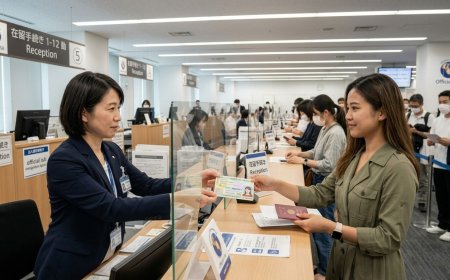
Respect Comes First: The Core of Japanese Society
Respect is the foundation of Japanese culture. It influences how people speak, act, and interact in both public and private settings.
This respect is expressed through:
- Polite language (keigo)
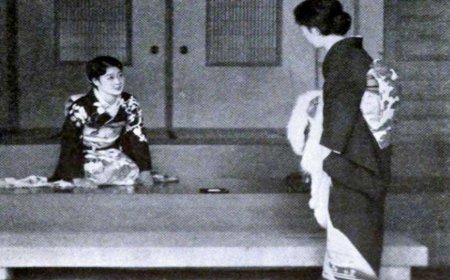
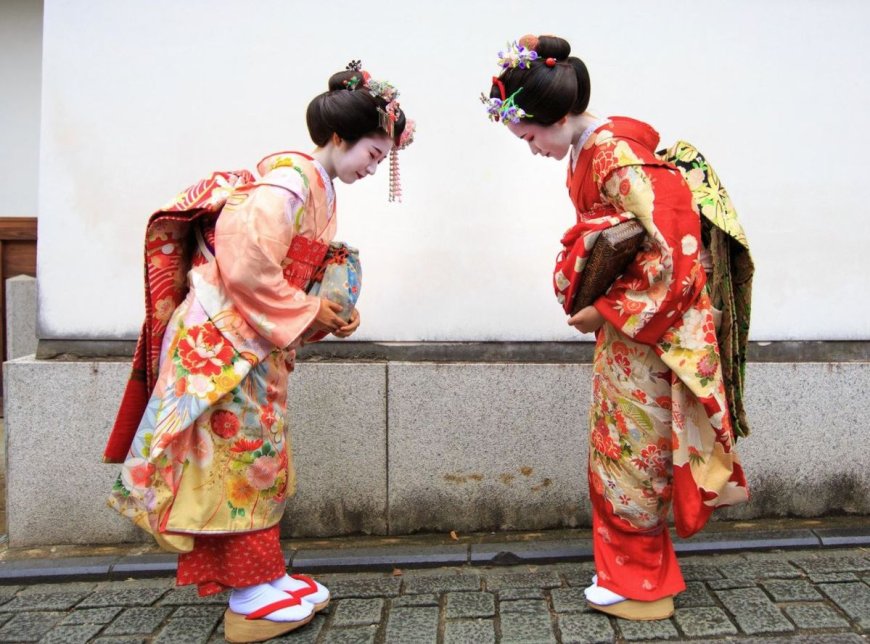
- Bowing during greetings
- Careful attention to others’ feelings
In Japan, showing respect is not optional—it is expected. Even small gestures, like saying “thank you” properly or acknowledging others with a bow, can leave a strong positive impression.
For beginners, learning basic polite expressions is one of the fastest ways to adapt.
Want to communicate politely and naturally? Get Everyday Japanese for Beginners:
Harmony (Wa): Why Avoiding Conflict Matters
A key concept foreigners should understand is “Wa” (和), meaning harmony.
Japanese society values group harmony over individual expression. This means:
- Avoiding confrontation
- Being considerate of others
- Maintaining peaceful interactions
For example, people may not openly disagree in public. Instead, they may express hesitation indirectly.
Understanding this helps newcomers avoid misunderstandings and navigate social situations more effectively.

Indirect Communication: What Is Not Said Matters
Communication in Japan often relies on context rather than direct statements.
Foreigners may notice:
- Vague answers instead of clear “yes” or “no”
- Silence used as a response
- Subtle hints instead of direct criticism
This is connected to the concepts of:
Learning to interpret these differences is essential for building relationships in Japan.
Daily Life: Structure, Cleanliness, and Responsibility
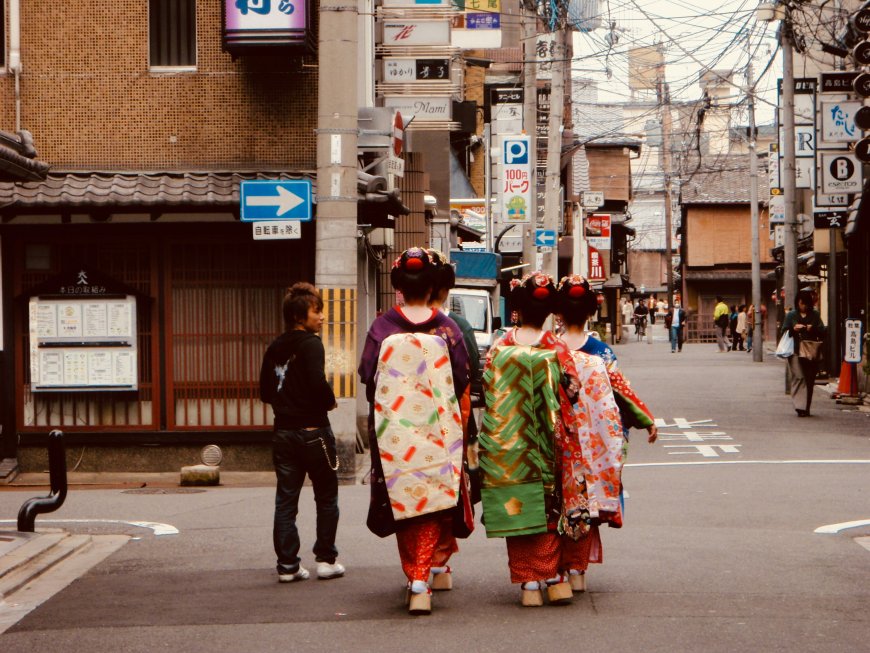
Daily life in Japan is highly structured and organized.
Key characteristics include:
- Clean public spaces
- Strict schedules
- Clear rules for behavior
One of the most surprising aspects for newcomers is trash sorting, which can be detailed and strictly enforced depending on the area.
Other daily habits include:
- Removing shoes indoors
- Keeping noise levels low
- Respecting shared spaces
To avoid confusion during your first days, use the Japan Starter Toolkit:
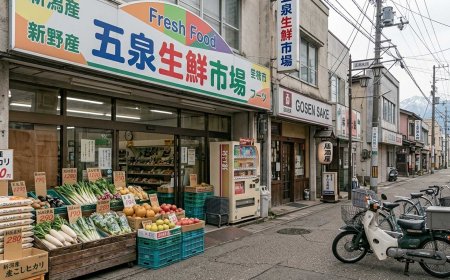
Public Etiquette: The Unwritten Rules You Must Follow
Japan has many unwritten rules that guide public behavior.
These include:
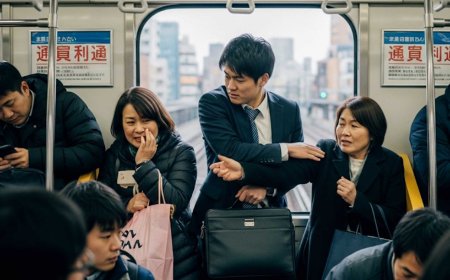
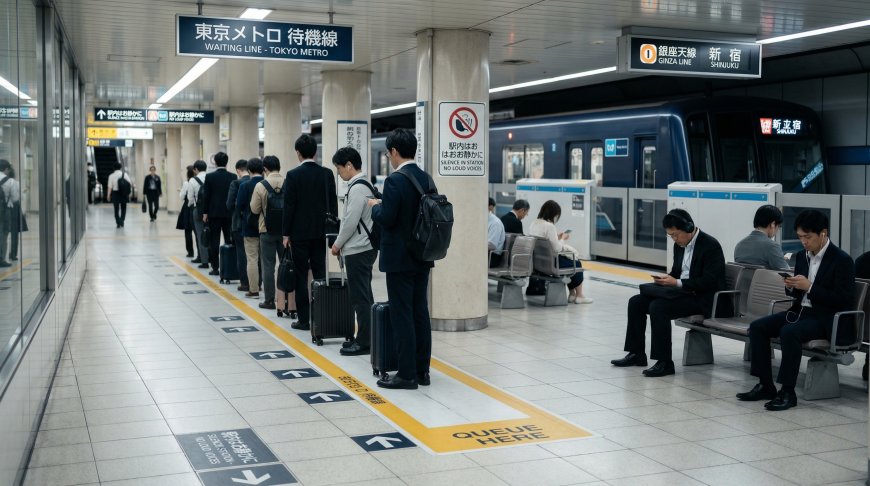
- Staying quiet on trains
- Standing in line properly
- Avoiding phone calls in public transportation
Even without signs or instructions, these behaviors are expected.
Foreigners who observe and follow these norms are more likely to feel accepted and comfortable.
Food Culture: Respect Beyond the Meal
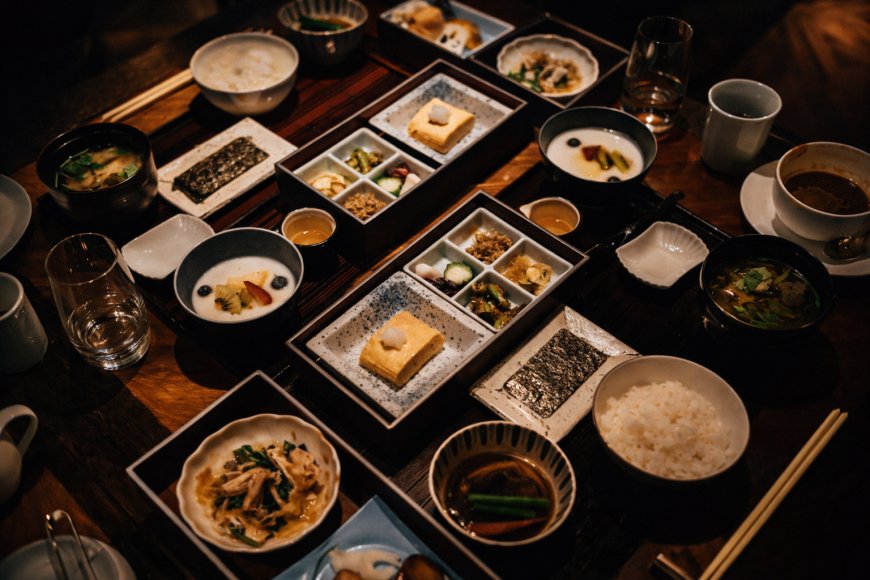
Food in Japan is more than just nourishment—it reflects gratitude and respect.
Before eating, people say:
- “Itadakimasu”
After eating:
- “Gochisousama deshita”
There are also important dining rules, such as:
- Not pointing chopsticks
- Not sticking chopsticks into rice
- Not passing food directly between chopsticks
Understanding these practices shows appreciation for Japanese culture.
Learn useful phrases for daily situations with Everyday Japanese for Beginners:

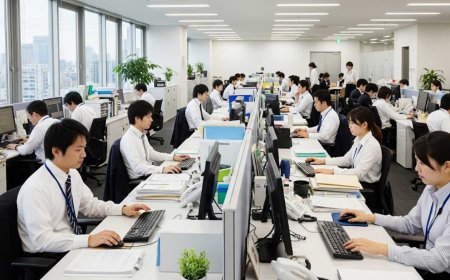
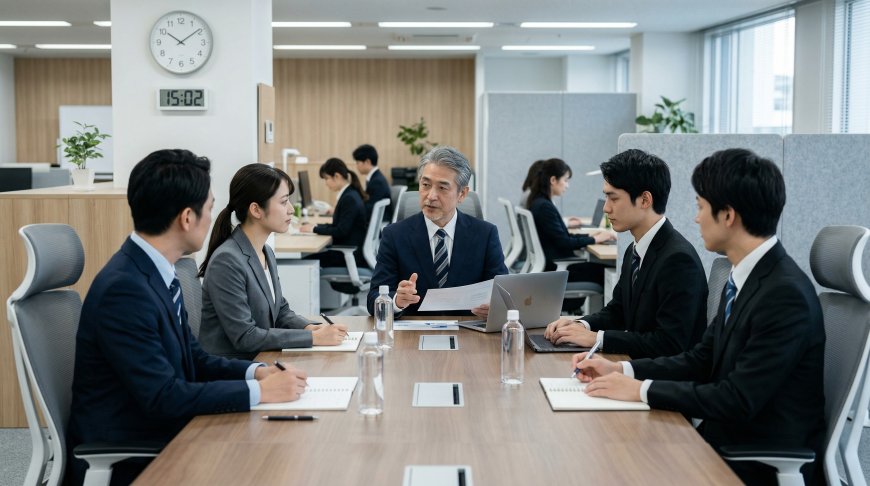
Work Culture: Discipline and Group Mindset
For those planning to work in Japan, understanding workplace culture is essential.
Japanese work culture emphasizes:
- Punctuality
- Team harmony
- Responsibility
Employees are expected to:
- Arrive on time (or early)
- Respect hierarchy
- Work collaboratively
The senpai–kohai (senior–junior) system also plays an important role in guiding relationships at work.
Common Cultural Misunderstandings
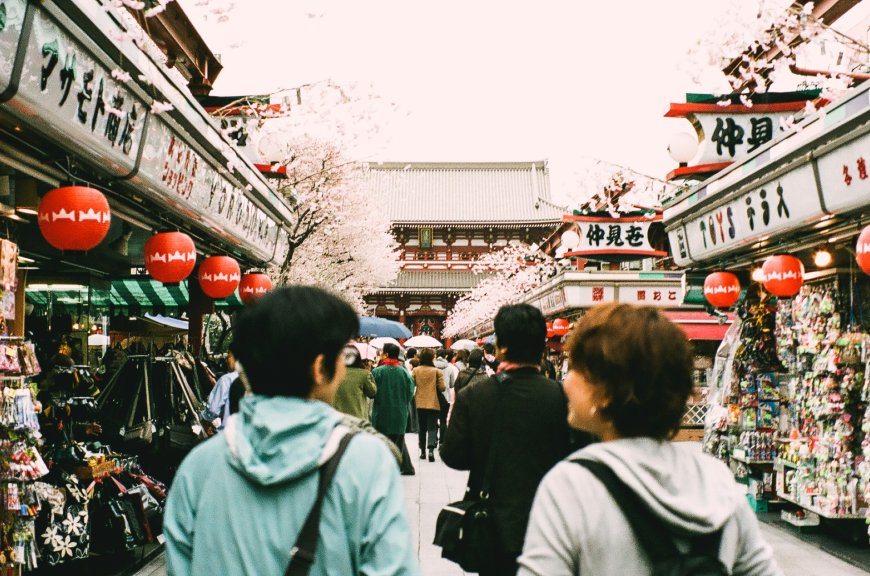
Many foreigners experience culture shock not because Japan is difficult, but because it operates differently.
Common misunderstandings include:
- Being too direct in conversations
- Ignoring small rules
- Underestimating the importance of politeness
- Misinterpreting indirect communication
The key is not perfection—but awareness and willingness to learn.
Preparing Mentally Before Moving to Japan
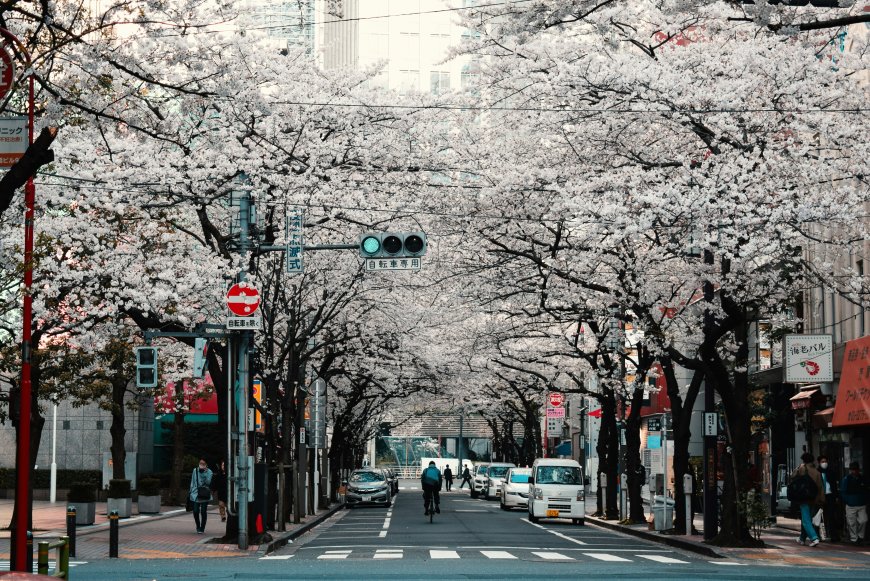
Adapting to a new culture begins before arrival.
Helpful preparation steps include:
- Learning basic Japanese phrases
- Understanding etiquette
- Setting realistic expectations
- Being open to differences
Patience and observation are essential for long-term adjustment.
Preparation Leads to Confidence
Understanding Japanese culture before moving is one of the smartest steps a foreigner can take.
It reduces stress, prevents misunderstandings, and allows newcomers to integrate more smoothly into society. While Japan may feel unfamiliar at first, those who approach it with respect and curiosity often find it deeply rewarding.

Learn essential phrases for real-life situations: Everyday Japanese for Beginners
Prepare Smarter, Live Better in Japan (FREE Download)
Download the First 7 Days in Japan Checklist (FREE)
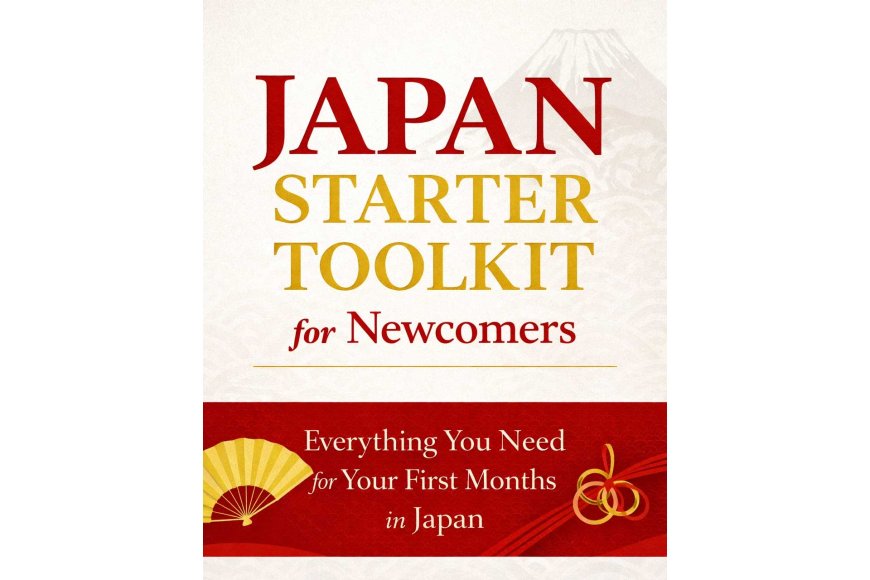
Don’t guess what to do — follow a proven plan.
Download your FREE “First 7 Days in Japan Checklist” PDF now:
✔ Instant download
✔ Mobile-friendly
✔ Printable
Want the COMPLETE Version? (Premium Upgrade)
If you want a deeper, more powerful guide, there’s also a premium version available on Gumroad.
Nipino.com is committed to providing you with accurate and genuine content. Let us know your opinion by clicking HERE.