







































Why Nipino Stories Matter More Than Ever in 2026
In 2026, Nipino stories play a vital role in preserving identity, building cultural understanding, and giving voice to Filipino-Japanese experiences. These narratives matter more than ever because they offer authenticity, empathy, and connection in an increasingly fragmented world.

Stories at the Crossroads of Cultures
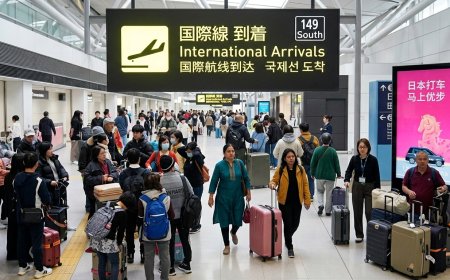
In 2026, the world feels more connected than ever, yet deeply divided in how people understand identity, belonging, and home. For Filipinos living in Japan—and Japanese readers curious about Filipino life—stories that bridge cultures are no longer just “nice to read.” They are essential. Nipino stories, which live at the intersection of Filipino and Japanese experiences, matter more now because they reflect real lives shaped by migration, adaptation, love, struggle, and shared humanity.
As global conversations become louder and faster, authentic voices risk being drowned out by trends, algorithms, and surface-level narratives. Nipino stories resist that erasure. They slow things down. They focus on lived experience. They remind readers that behind every statistic about migration or globalization is a human story worth telling.
Preserving Identity in a Rapidly Changing World
One of the most important roles Nipino stories play in 2026 is identity preservation. Filipinos in Japan often live between cultures—speaking one language at home and another at work, celebrating Filipino traditions while adapting to Japanese customs. Over time, this balancing act can blur one’s sense of self.
Stories help anchor identity. When readers encounter narratives about Filipino childhood memories, Japanese workplace realities, or mixed-culture family life, they see reflections of themselves. These stories validate experiences that are often invisible in mainstream media. They say, “You are not alone, and your story matters.”
For younger generations—especially children growing up Filipino-Japanese—these narratives are even more critical. They provide language for emotions and experiences that may be hard to explain, helping them understand that having two cultures is not a weakness, but a strength.
Giving Voice to Everyday Lives
In 2026, attention is currency. Yet everyday lives—factory workers, caregivers, students, small business owners—rarely get the spotlight. Nipino stories focus on the ordinary, and that is precisely their power.
A story about a Filipino parent working long shifts in Japan, or a family celebrating holidays far from home, resonates because it is real. These narratives challenge stereotypes and move beyond one-dimensional portrayals of migrants. They show complexity: resilience mixed with loneliness, success paired with sacrifice.
By amplifying everyday voices, Nipino stories humanize migration. They help Japanese readers better understand the Filipino community around them, and they help Filipinos feel seen, respected, and understood.
Building Cultural Bridges, Not Walls
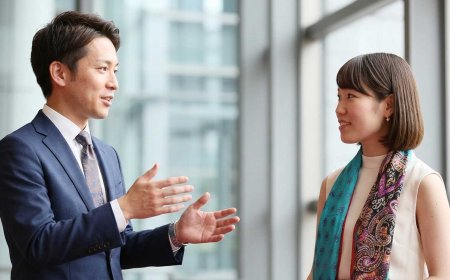
At a time when misunderstanding can easily turn into prejudice, storytelling becomes a form of quiet activism. Nipino stories act as bridges—connecting cultures through empathy rather than argument.
When Japanese readers learn why certain Filipino traditions matter, or how Filipino values adapt within Japanese society, fear is replaced by curiosity. Likewise, Filipinos gain deeper appreciation for Japanese customs, social norms, and unspoken cultural rules.
In 2026, cultural bridges are more important than ever. Nipino stories show that integration does not mean erasure. It means mutual respect, shared learning, and the courage to listen.
Healing Through Shared Experience
Life abroad often comes with emotional weight: homesickness, identity confusion, pressure to succeed, and the quiet pain of being misunderstood. Stories have the power to heal because they allow people to recognize their feelings in someone else’s words.
Nipino stories create safe spaces. Reading about someone else’s struggle with loneliness in winter, or their joy in finding a taste of home, can be deeply comforting. These narratives normalize emotions that many feel but rarely say out loud.
In 2026, mental and emotional well-being are finally part of open conversation. Storytelling supports this shift by offering connection without judgment.
Inspiring the Next Generation of Storytellers
Another reason Nipino stories matter now is their ripple effect. When people see stories like theirs being published and valued, they are inspired to share their own. A reader today can become a writer tomorrow.
This cycle is crucial. It ensures that Nipino narratives remain diverse, evolving, and reflective of real community voices—not just a single perspective. In 2026, platforms that encourage participation rather than passive consumption will shape the future of digital culture.
By nurturing new storytellers, Nipino stories protect themselves from fading into silence.
Why 2026 Is a Turning Point
The year 2026 represents a shift. Technology is more advanced, yet authenticity is more scarce. People crave stories that feel human, grounded, and sincere. Nipino stories meet that need.
They are not just cultural content. They are living records of how Filipinos and Japanese lives intersect in this moment in history. Years from now, these stories will matter even more—as memories, as lessons, and as proof that these lives were lived fully and meaningfully.
Stories That Endure
Nipino stories matter more than ever in 2026 because they protect identity, build bridges, heal emotional wounds, and inspire future voices. They remind readers that culture is not static—it is lived, shared, and passed on through stories.
In a fast-moving world, Nipino stories choose depth over noise. And that choice makes all the difference.
Nipino.com is committed to providing you with accurate and genuine content. Let us know your opinion by clicking HERE.