

















































Top 10 Mistakes Filipinos Make When Applying for a Japanese Visa (And How to Avoid Them in 2026)
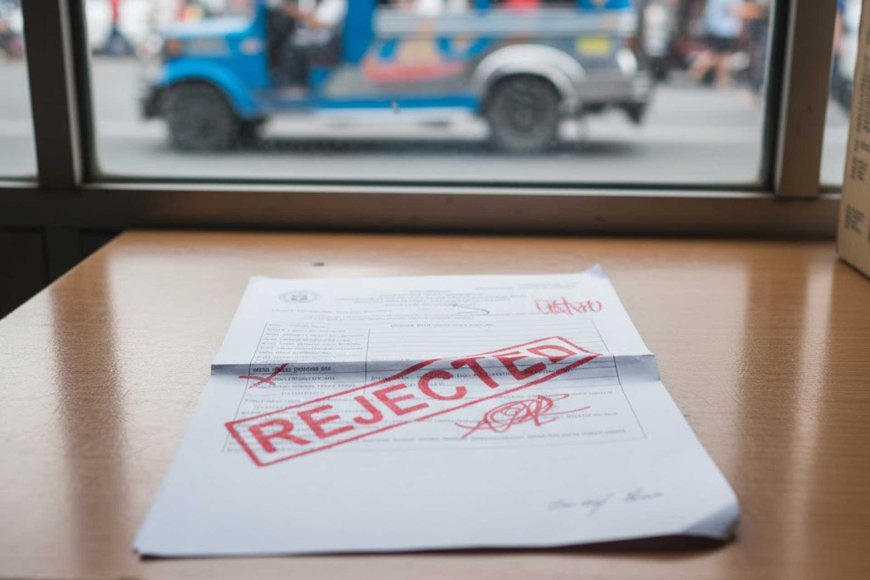
Many Filipinos dream of studying, working, or living in Japan, but simple mistakes during the visa process can lead to costly delays or rejection. This guide outlines the top 10 common visa mistakes and explains how digital platforms like Kaishi Nihon can help applicants prepare smarter and more confidently.
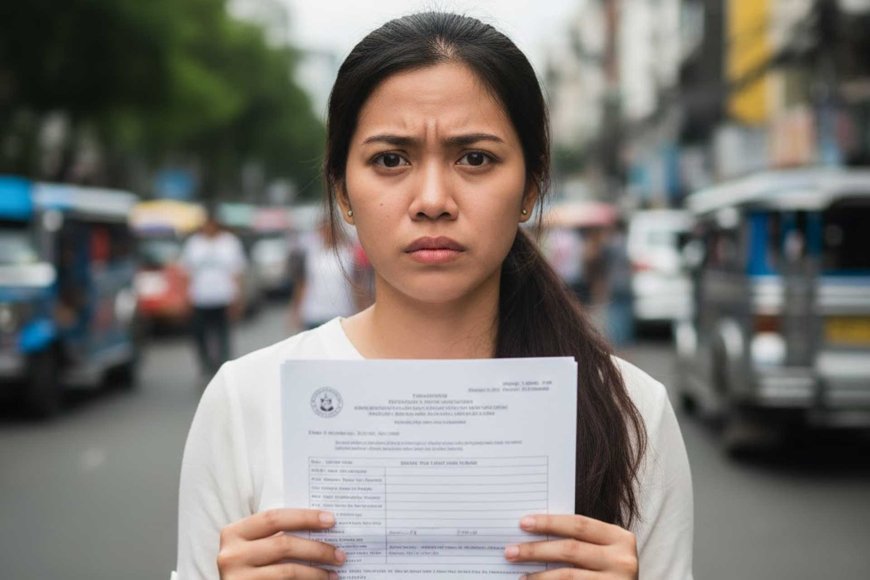
Top 10 Mistakes Filipinos Make When Applying for a Japanese Visa
Common pitfalls and how platforms like Kaishi Nihon help avoid them
Japan remains one of the top destinations for Filipinos seeking better opportunities. However, visa applications require accuracy, honesty, and proper documentation. Even small errors can affect approval.
Below are the most common mistakes — and how modern AI-assisted platforms help prevent them.
1. Incomplete Documentation
Missing Requirements That Delay Applications
One of the most common reasons for rejection is incomplete paperwork. Applicants sometimes forget bank certificates, tax returns, invitation letters, or COE documents.

2. Inconsistent Information
Details That Don’t Match Across Forms
If employment history, salary details, or addresses differ between documents, immigration officers may see this as a red flag.
3. Weak Financial Proof
Insufficient Funds for Stay
Japan requires proof that applicants can financially support themselves. Many underestimate the required amount.
The platform provides financial estimation tools based on visa type and duration.
4. Applying for the Wrong Visa Type
Choosing a Category That Doesn’t Fit
Some applicants apply for tourist visas when they actually intend to study or work.
Visa-matching AI suggests the correct category based on user profile.
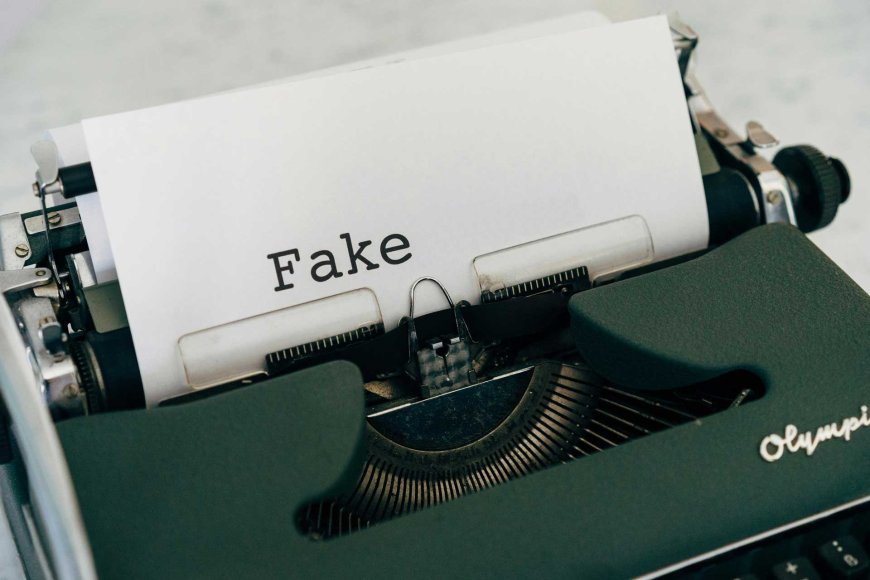
5. Submitting Fake or Altered Documents
A Risk That Can Lead to Blacklisting
Forgery results in long-term bans from entering Japan.
Educational resources explain legal consequences and guide applicants toward legitimate options.
6. Ignoring Visa History
Previous Rejections Matter
Failing to disclose past rejections damages credibility.
Guided disclosure forms help applicants properly explain prior visa issues.
7. Lack of Clear Purpose of Travel
Unclear Travel Plans Raise Suspicion
Immigration officers want clarity — where you’ll stay, what you’ll do, and how long.
Structured questionnaires help users draft clear, logical travel plans.
8. Last-Minute Applications
Rushing Causes Mistakes
Many apply too close to their intended departure date.
Timeline calculators recommend ideal submission schedules.
9. Not Preparing for Interviews
Confidence and Clarity Matter
Some visa categories require interviews.
AI simulation tools provide mock interview practice.

10. Relying on Unverified Advice
Social Media Is Not Always Accurate
Online groups may share outdated or incorrect advice.
Centralized, updated immigration guidance based on official information.
Preparation and Accuracy
Applying for a Japanese visa is not impossible — but it requires preparation and accuracy. With better digital tools available in 2026, Filipinos can avoid common mistakes and approach their Japan dream with confidence.
Nipino.com is committed to providing you with accurate and genuine content. Let us know your opinion by clicking HERE.