


















































From Jeepneys to TikTok: How Filipino Culture Adapts Fast
Filipino culture has always been defined by its ability to adapt—absorbing change while preserving identity. From the colorful jeepneys of post-war Manila to today’s TikTok-driven digital creativity, this adaptability explains why Filipino culture remains vibrant, relevant, and globally influential.
A Culture Built on Movement
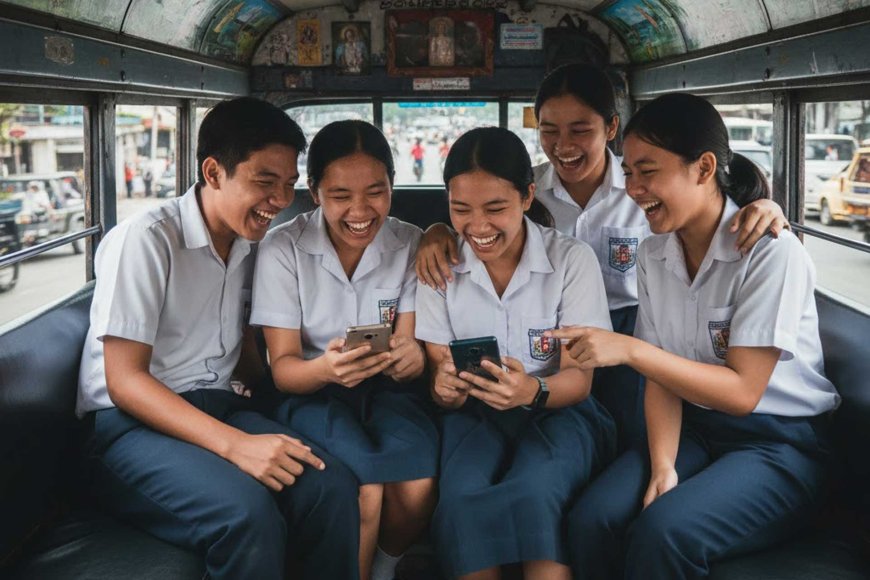
Filipino culture has never been static. Shaped by centuries of trade, colonization, migration, and technology, it is a living system that constantly absorbs new influences and reshapes them into something distinctly Filipino. This ability to adapt quickly is not accidental—it is a survival skill honed by history.
In the modern era, this adaptability is most visible in how Filipinos embrace technology and digital platforms. What once traveled through oral storytelling, radio, and jeepney conversations now spreads through short-form videos, memes, and livestreams. Yet beneath the new formats, the same values—community, humor, resilience, and creativity—remain intact.
Jeepneys: Innovation Born from Necessity
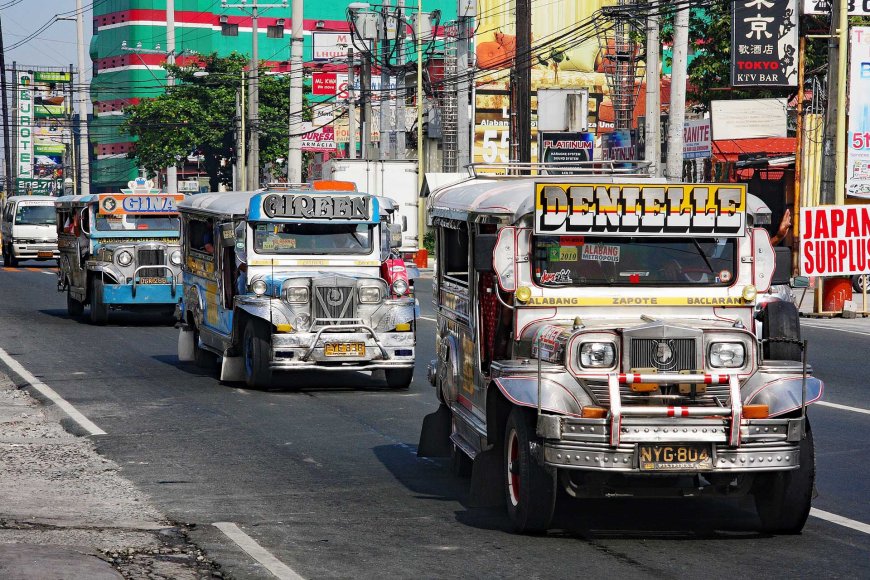
The jeepney is one of the most powerful symbols of Filipino adaptability. After World War II, surplus military jeeps were repurposed into affordable public transportation. What began as a practical solution soon became a cultural icon, reflecting Filipino ingenuity and communal thinking.
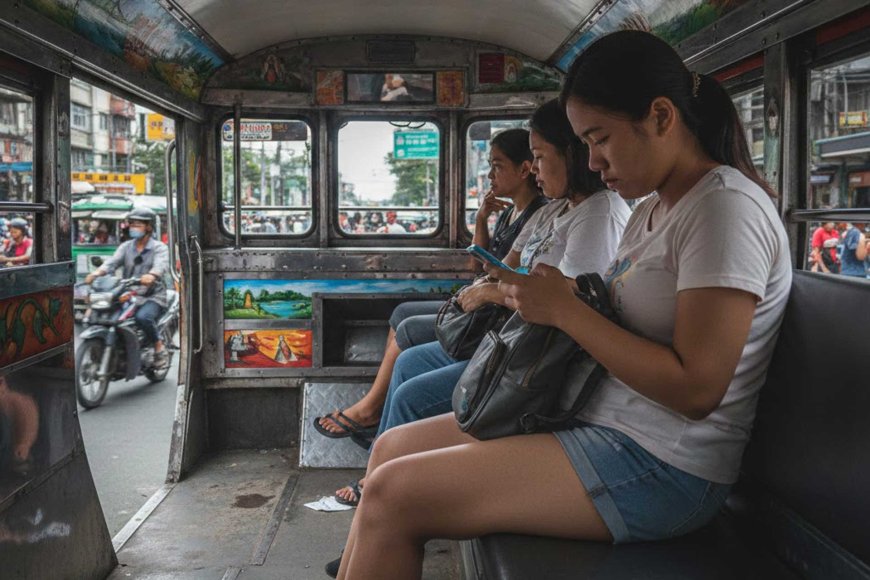
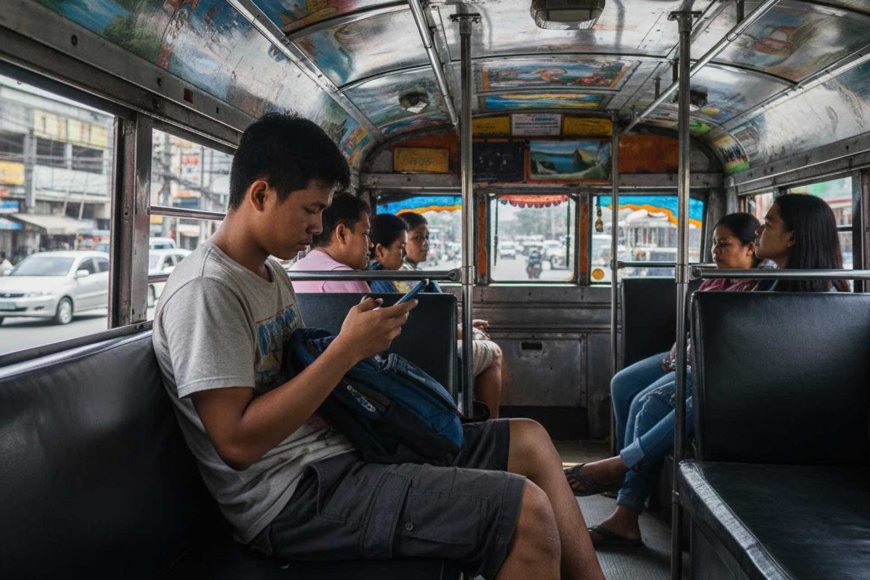
Jeepneys were never just vehicles. They were moving social spaces where strangers shared jokes, stories, music, and daily life. Hand-painted designs, religious icons, pop culture references, and witty slogans transformed each jeepney into a personal expression of its driver’s identity. This blend of function and creativity is a recurring pattern in Filipino culture.
Even as modernization challenges traditional jeepneys, the conversation around them shows how Filipinos negotiate change—balancing progress with heritage rather than choosing one over the other.

Media Evolution: From Radio to Viral Content
Filipinos have always been quick to embrace new forms of media. Radio dramas once united families in the evening. Television variety shows later became national rituals filled with comedy, music, and audience participation. Today, social media platforms—especially TikTok—serve the same communal function, just at digital speed.
TikTok’s format aligns perfectly with Filipino storytelling: expressive, humorous, emotional, and collaborative. Skits about family life, work abroad, romance, and everyday struggles resonate widely because they reflect shared experiences. Trends are localized, remixed, and given a uniquely Filipino flavor within days.
What looks like rapid trend-hopping is actually cultural fluency—the ability to translate lived experience into whatever medium is available.
Humor and Resilience in the Digital Age
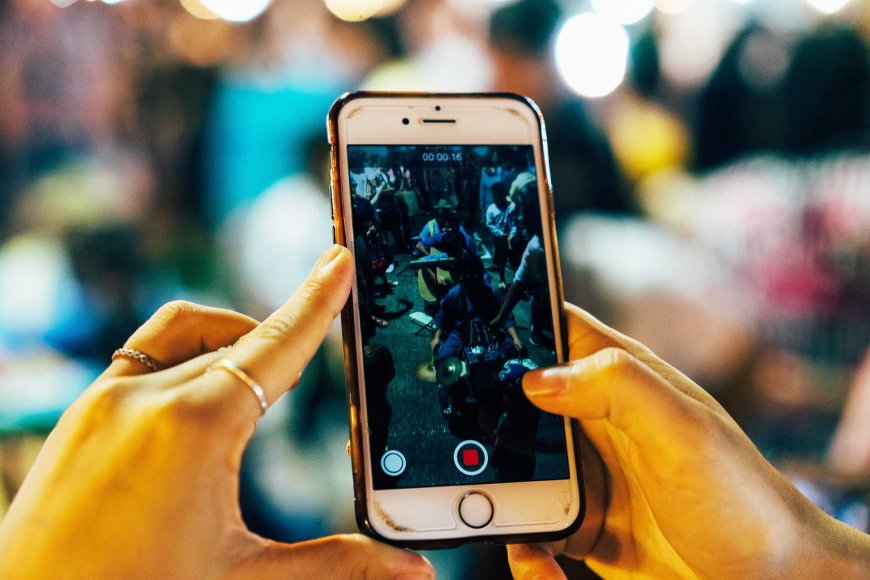
One constant across generations is Filipino humor. Even during hardship, Filipinos find ways to laugh, parody, and connect. Online, this humor becomes a coping mechanism and a form of soft resistance against stress, poverty, and uncertainty.
Memes about traffic, inflation, family expectations, and work culture go viral not because they are trivial, but because they create collective understanding. Digital humor becomes a shared language, allowing people to say, “You’re not alone,” without needing long explanations.
This resilience—expressed through humor—helps explain why Filipinos adapt quickly to new platforms. Technology becomes another tool for emotional survival and connection.
Diaspora Influence: Global Yet Grounded
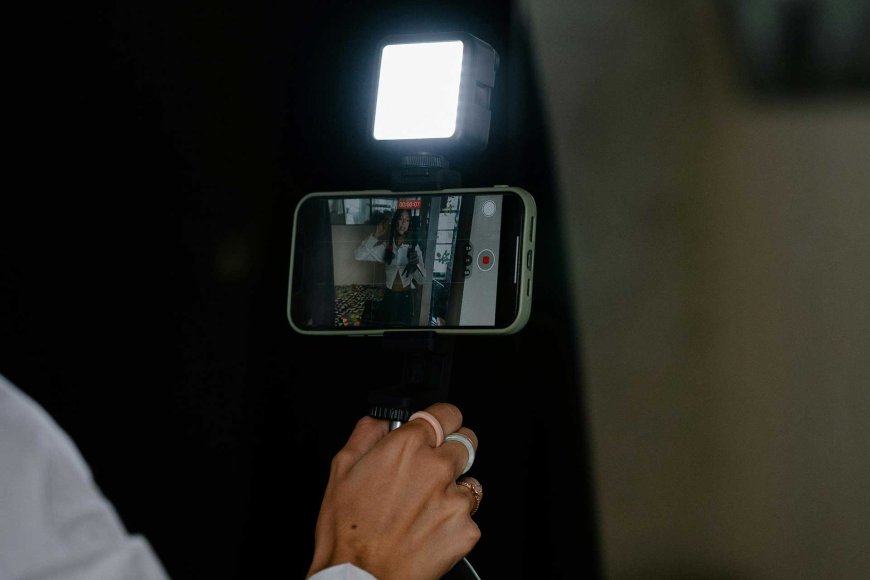
Millions of Filipinos live and work abroad, forming one of the world’s most active diasporas. Technology allows them to stay connected to home culture while also influencing it. Trends, slang, music, and perspectives flow back and forth across borders in real time.
TikTok creators abroad showcase Filipino identity in multicultural settings, blending local experiences with Filipino values. This global visibility reshapes how Filipino culture is seen—less as a fixed tradition, more as a dynamic, evolving identity.
Adaptation here is not assimilation. It is selective integration—taking what fits, discarding what doesn’t, and preserving the core.
Why Filipino Culture Adapts So Fast
Filipino adaptability comes from several deep-rooted traits: strong community orientation, emotional intelligence, creativity under pressure, and openness to change. Historically, Filipinos learned to navigate shifting powers and systems while maintaining social bonds.
In the digital age, these traits translate into fast learning curves, collaborative content creation, and trend localization. Filipinos don’t just consume global culture—they actively reshape it.
From jeepneys to TikTok, the medium changes, but the mindset remains the same.
The Future Moves Fast—and So Do Filipinos
Filipino culture’s strength lies in its motion. It evolves without losing its soul, adopts without erasing its roots, and modernizes without forgetting where it came from. This is why Filipino culture feels both familiar and fresh, local and global.
As new platforms emerge, Filipinos will continue to adapt—not by abandoning tradition, but by carrying it forward into new spaces. The journey from jeepneys to TikTok is not a loss of culture. It is proof that Filipino culture is very much alive.
Nipino.com is committed to providing you with accurate and genuine content. Let us know your opinion by clicking HERE.