


















































































Best Apps for Transportation in Japan: Google Maps, NAVITIME, and More
Japan’s transportation system is world-class, but it can feel overwhelming without the right app. This guide compares Google Maps, NAVITIME, Tokyo Metro my!, IC card tools, and other useful transportation apps so beginners can move around Japan with more confidence.

Transportation in Japan
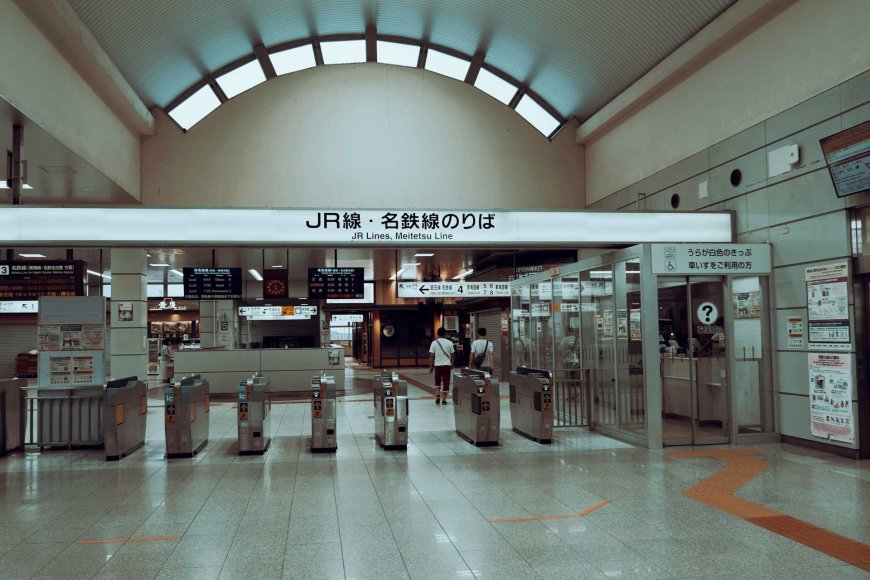
Japan’s transportation system is amazing, but let’s be honest—it can also feel like a giant maze when you are new. One station can have JR lines, private railways, subway lines, buses, taxis, underground malls, and exits that seem to lead to completely different worlds. In Tokyo or Osaka, choosing the wrong exit can turn a five-minute walk into a confusing 20-minute adventure.
That is why having the right transportation app in Japan is not just convenient. It is almost a survival tool.
The good news is that you do not need ten apps. Most people can get around Japan smoothly with two or three reliable tools. Google Maps is great for general navigation. NAVITIME Japan Travel is excellent for deeper route planning. Tokyo Metro my! can help subway users in Tokyo. Add an IC card or mobile Suica tool, and daily transportation becomes much easier.
Traveling to Japan? Japan Starter Toolkit can help you navigate Japan easier and more enjoyable.
Why Transportation Apps Matter So Much in Japan
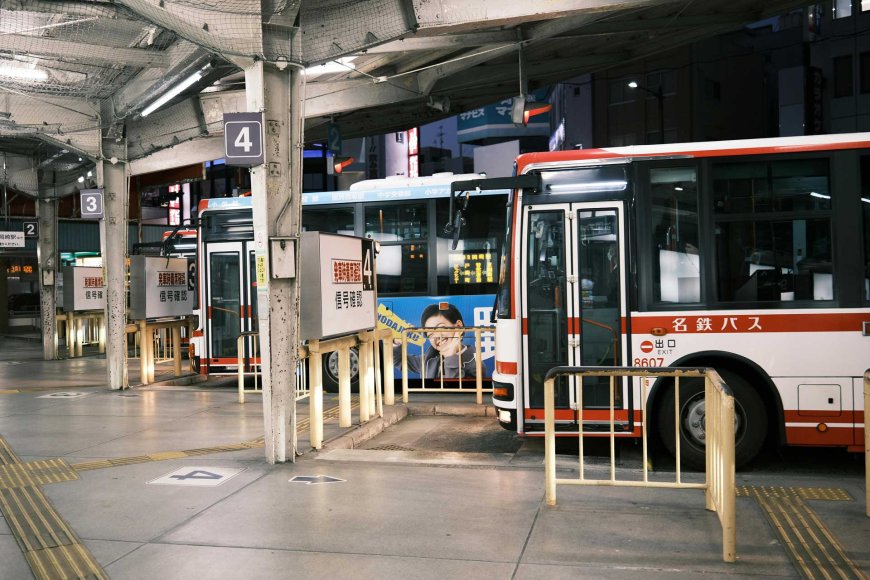
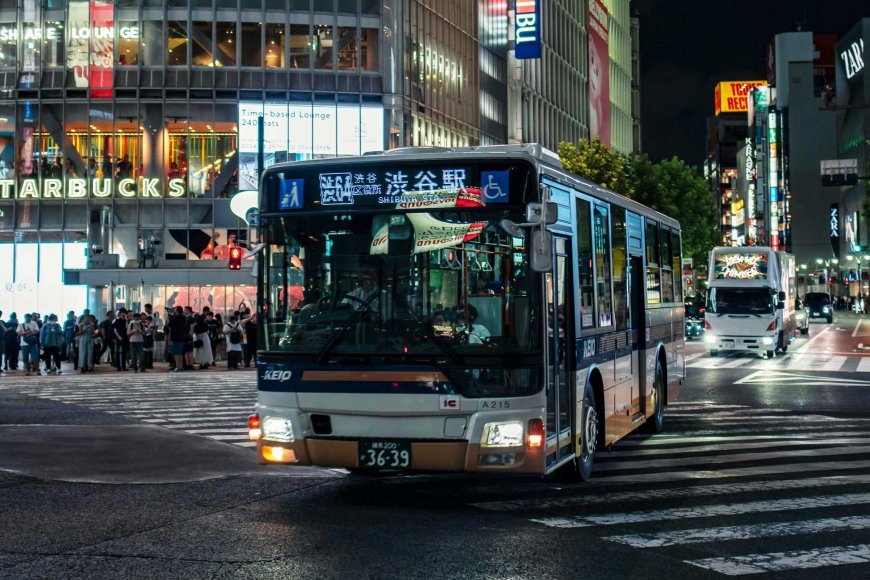
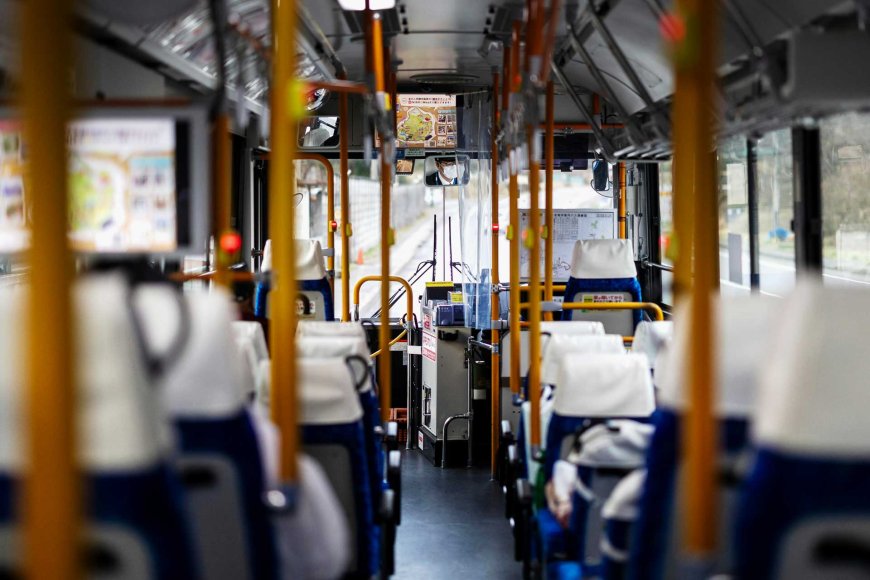
Japan has one of the most efficient public transportation systems in the world, but it is not controlled by just one company. That is the part many beginners do not expect. In one city, you may use JR, subway lines, private railways, buses, airport trains, and walking routes in a single trip.
A route from your hotel to a tourist spot might include a local train, a subway transfer, a short walk through an underground passage, and a specific exit number. Without an app, you can still figure it out, but it takes more time and more stress.
Japan’s official tourism site says travelers can easily find routes and fare calculators using apps like Japan Travel by NAVITIME, especially when planning train and bus travel. That is exactly why transportation apps are so useful. They do not just tell you where to go. They help you understand how Japan’s train puzzle fits together.

Google Maps: Best All-Around Transportation App in Japan
For most beginners, Google Maps is the easiest first choice. It works well for trains, buses, walking routes, taxis, restaurants, hotels, tourist spots, and nearby shops. If you are already used to Google Maps in your home country, using it in Japan feels natural.
Google Maps is especially helpful because it combines transportation and location search in one place. You can search “Shibuya Sky,” “nearest ramen,” or “Tokyo Station,” and the app gives you route options. It shows walking time, train lines, transfers, platform guidance in many cases, and estimated arrival times.
Its biggest strength is simplicity. You do not need to understand every railway company. You only need to enter where you are and where you want to go. For tourists, this is powerful because Japan’s station names, exits, and line systems can feel intimidating at first.
Google Maps is not perfect, though. Sometimes it may suggest a technically fast route that is not the easiest route for a beginner. It may also recommend tight transfers that are stressful in huge stations. In big stations like Shinjuku, Tokyo, Osaka, or Umeda, always give yourself extra time.

NAVITIME Japan Travel: Best for Detailed Japan Route Planning
If Google Maps is the friendly everyday guide, NAVITIME Japan Travel is the specialist. It is designed specifically for travel in Japan, and that makes a big difference.
NAVITIME’s official Japan Travel site says the app supports international tourists with efficient navigation and offers destination search, itinerary planning, reservations, and route search while traveling. It also says content is available in 13 languages.
The app’s official feature page highlights useful tools such as offline spot search, train route maps, station lists, and route search that can prioritize options like the Japan Rail Pass or Tokyo Subway Ticket. Its route planner also helps users find routes by bullet train, bus, airline, taxi, cost, distance, schedule, transfers, and station exits.
That is extremely useful for tourists who are moving between cities. If you are traveling from Tokyo to Kyoto, then Kyoto to Osaka, then Osaka to Hiroshima, NAVITIME can feel more travel-focused than Google Maps.
NAVITIME is also helpful when you care about specific travel passes. Some travelers want to know whether a route is compatible with a rail pass or subway pass. Google Maps may show the route, but NAVITIME often gives more Japan-specific transportation details.
Tokyo Metro my!: Best for Tokyo Subway Travel
If you will spend most of your time in Tokyo, Tokyo Metro my! is worth knowing. Tokyo’s subway system is powerful, but it can be confusing because Tokyo Metro, Toei Subway, JR, and private railways all overlap.
The official Tokyo tourism site explains that Tokyo Metro my! lets users search route options including trains, buses, taxis, and shared bicycles. It also provides real-time information about which train cars are crowded and where trains are.
That crowded-car information can be genuinely useful. During rush hour, Tokyo trains can feel like a moving wall of people. If an app can help you choose a less crowded car or understand train position better, that is not just convenience—it is comfort.
This app is especially helpful for people staying in central Tokyo and using subway lines often. If your daily route includes areas like Ginza, Shinjuku, Shibuya, Asakusa, Ueno, Roppongi, Ikebukuro, or Tokyo Station, having a Tokyo-focused subway app can make your day smoother.
Welcome Suica Mobile and IC Card Tools: Best for Payment Convenience
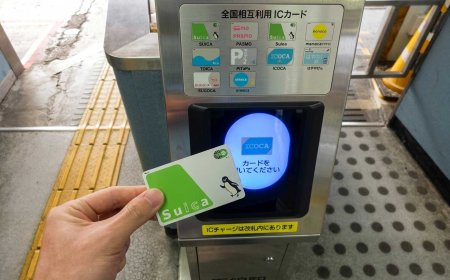
Transportation apps are not only about directions. Payment matters too. In Japan, IC cards like Suica, PASMO, and ICOCA are used for trains, buses, vending machines, convenience stores, and many small purchases.
JR East’s Welcome Suica Mobile page says the app for iOS allows users to issue and top up Suica, and Suica can be used for trains, buses, shopping, and more. The Tokyo tourism site also explains that Welcome Suica Mobile lets users create and charge a Suica card without going to a station ticket office or ticket machine, before or after entering Japan.
This is a big advantage for iPhone users. Instead of searching for a ticket machine after a long flight, you can prepare your transportation payment digitally. For tourists arriving tired, confused, and carrying luggage, that small convenience feels huge.
For residents, mobile IC cards are even more useful. You can recharge on your phone, use commuter passes, and avoid losing a physical card. If your daily life includes trains, buses, convenience stores, and vending machines, mobile IC tools are worth setting up.
Comparison Table: Best Transportation Apps in Japan
| App | Best or | Main Strength | Possible Weakness |
|---|---|---|---|
| Google Maps | Everyday navigation | Easy, familiar, good for trains, walking, buses, places | Easy, familiar, good for trains, walking, buses, places |
| NAVITIME Japan Travel | Tourists and detailed route planning | Japan-specific routes, rail pass options, station exits, offline spot search | Some advanced features may feel too detailed |
| Tokyo Metro my! | Tokyo subway users | Subway-focused routes and crowd information | Less useful outside Tokyo |
| Welcome Suica Mobile | iPhone users and tourists | Digital Suica issuing and top-up | Mainly useful for payment, not full navigation |
| Taxi Apps | Late-night or luggage-heavy travel | Door-to-door convenience | More expensive than trains |
Which App Should Tourists Use?
For tourists, the best setup is usually Google Maps + NAVITIME Japan Travel + mobile IC card support.
Google Maps is perfect for everyday movement. Use it to find your hotel, restaurants, cafes, stations, convenience stores, and tourist attractions. It is the app you will probably open the most.
NAVITIME Japan Travel is better when you are planning longer routes, checking Shinkansen options, comparing train costs, or using a rail pass. It is also helpful when you want more detailed Japan-specific transportation guidance.
If you have an iPhone, Welcome Suica Mobile can make payments easier. If you are using a physical IC card, you may not need a separate app immediately, but you should still understand how to recharge and check your balance.
Which App Should Residents Use?
For residents, the best transportation app depends on lifestyle. If you live in Tokyo, Google Maps and a mobile Suica or PASMO setup may be enough for daily commuting. If you use subways often, Tokyo Metro my! can help. If you travel around Japan for work or family visits, NAVITIME becomes more valuable.
Students should use apps to check not only routes but also commute time. A cheap apartment far from school may look attractive, but if the commute requires multiple transfers and expensive train fares, it may not be worth it.
Workers should pay attention to commuter pass routes. Your company may reimburse transportation costs, but you still need to choose the correct route. A good app helps you compare time, cost, and transfer difficulty before committing to a daily commute.
Don’t Forget Taxi and Ride Apps
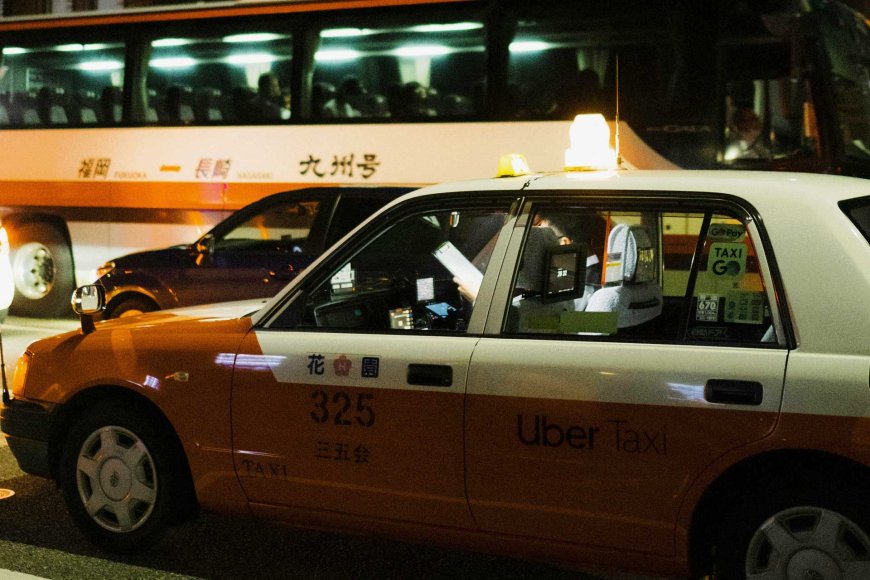
Japan’s trains are excellent, but sometimes a taxi makes sense. Maybe you missed the last train. Maybe you have heavy luggage. Maybe it is snowing, raining hard, or you are traveling with children.
Taxi apps can be useful in cities, especially late at night. But taxis in Japan are much more expensive than trains, so they should not be your daily transportation tool unless your budget allows it.
For most people, taxi apps are emergency tools. Keep one installed, but do not depend on taxis for everyday movement.
Common Mistakes When Using Transportation Apps in Japan
The first common mistake is ignoring train type. In Japan, a train can be local, rapid, express, commuter express, limited express, or Shinkansen. The app may show the correct line, but you still need to confirm that the train stops at your station.
The second mistake is not checking the station exit. In Japan, exits matter. A large station may have dozens of exits. Choosing the wrong one can send you to the opposite side of a huge station complex.
The third mistake is trusting tight transfers too much. Apps often show efficient routes, but if you are new, carrying luggage, traveling with kids, or using a large station, give yourself extra time.
The fourth mistake is forgetting the last train. Japan’s trains are reliable, but most lines do not run 24 hours. If you stay out late, check the last train before dinner or drinks.

Best App Combination for Stress-Free Travel
If you want the simplest recommendation, here it is:
Use Google Maps for everyday navigation. Use NAVITIME Japan Travel for more detailed train, Shinkansen, pass, and route planning. Use Tokyo Metro my! if you are staying in Tokyo and using subways often. Use Welcome Suica Mobile or another IC card tool if you want smoother payments.
That combination covers almost everything a beginner needs.
Japan’s transportation system may look complicated at first, but the right apps turn it from a maze into a map. You still need to pay attention, of course. Apps can guide you, but your eyes should still check platform signs, train types, and exits. Think of the app as your co-pilot, not your replacement brain.
Move Smarter, Not Harder
The best transportation app in Japan is not always the app with the most features. It is the one that helps you move with less stress. For most beginners, that means starting with Google Maps, adding NAVITIME when routes get more complex, and using IC card tools for smoother payments.
Once you understand how these apps work together, Japan becomes easier to explore. A station stops feeling like a maze. A train transfer stops feeling like a test. A new city feels less intimidating. With the right apps in your pocket, Japan opens up one ride, one tap, and one station at a time.
For more practical Japan living guides, explore related resources like the Living in Japan, Japan Starter Toolkit, and Everyday Japanese for Beginners.
Prepare Smarter, Live Better in Japan (FREE Download)
Download the First 7 Days in Japan Checklist (FREE)
Don’t guess what to do — follow a proven plan.
Download your FREE “First 7 Days in Japan Checklist” PDF now:
✔ Instant download
✔ Mobile-friendly
✔ Printable
Want the COMPLETE Version? (Premium Upgrade)
If you want a deeper, more powerful guide, there’s also a premium version available on Gumroad.
Nipino.com is committed to providing you with accurate and genuine content. Let us know your opinion by clicking HERE.