



























































Quick Start Guide: From the Philippines to Japan (Student & Work Visa Guide 2026)
Moving from the Philippines to Japan for study or work is an achievable dream with the right preparation and guidance. This quick start guide explains visa types, requirements, timelines, and how digital tools like Kaishi Nihon can simplify the immigration process for Filipinos.
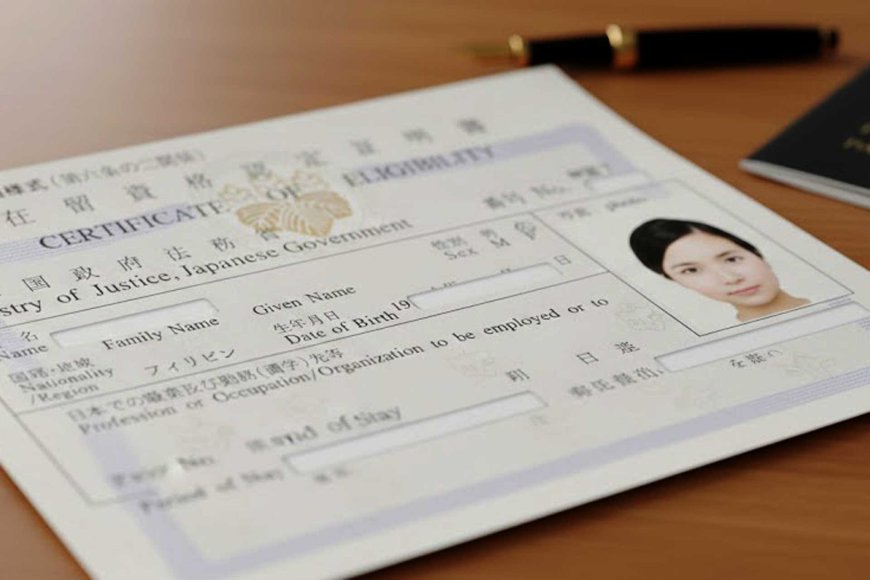
Understanding Your Purpose: Student or Work?
Before starting any visa process, the applicant must clearly define their goal: studying in Japan or working in Japan.
A student visa is ideal for those enrolling in Japanese language schools, vocational schools, or universities. Meanwhile, a work visa applies to those hired by a Japanese company under categories such as Engineer/Specialist in Humanities/International Services, Skilled Worker, or other professional fields.
Clarity at this stage determines the documents required, the financial proof needed, and the timeline for approval.
Choosing the Right School or Employer
For student visas, applicants must first receive acceptance from a recognized Japanese educational institution. Schools will usually help process the Certificate of Eligibility (COE).
For work visas, securing a job offer is mandatory. The employer in Japan typically sponsors the application and assists with immigration paperwork.
Digital platforms help applicants understand which visa category suits their background and can guide them through matching their qualifications with Japan’s visa standards.
Preparing the Required Documents
For Student Visa Applicants:
- Valid passport
- School acceptance letter
- Certificate of Eligibility (COE)
- Proof of financial capability
- Academic records
- Visa application form
For Work Visa Applicants:
- Valid passport
- Employment contract
- Certificate of Eligibility (COE)
- University diploma or proof of experience
- Visa application form
Accuracy and completeness are crucial. Even small mistakes can delay approval.
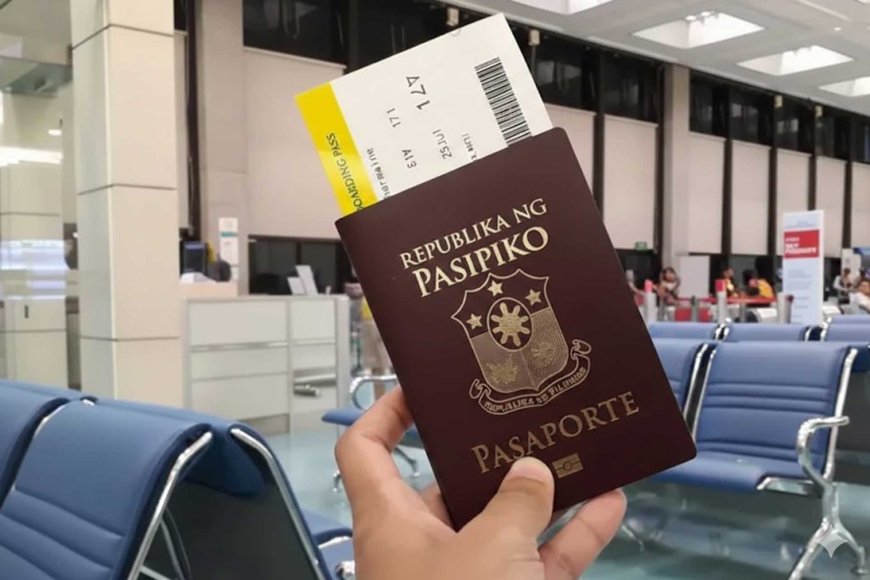
Certificate of Eligibility (COE): The Most Important Step
The COE is issued by Japan’s Immigration Services Agency and confirms that the applicant meets the conditions for entering Japan.
Schools or employers apply for the COE on behalf of the applicant. Processing can take 1–3 months.
Modern AI-assisted platforms help applicants anticipate common issues, assess documentation readiness, and better prepare before submission.
Applying at the Japanese Embassy in the Philippines
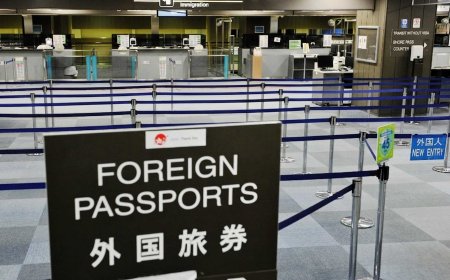
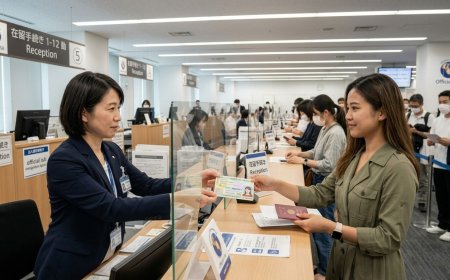
Once the COE is issued, applicants must submit it along with other documents to the Japanese Embassy or accredited agencies in the Philippines.
Processing usually takes 5–10 working days after submission.
At this stage, organization and proper documentation are critical.
Financial Preparation and Cost Expectations
Moving to Japan requires financial readiness.
Estimated Initial Costs:
- Student visa processing and tuition (varies by school)
- Airfare (₱15,000–₱40,000 depending on season)
- Initial living expenses (¥100,000–¥200,000 recommended)
For work visa holders, some employers provide relocation assistance.
Planning ahead reduces stress and increases confidence.
Preparing for Life in Japan
Visa approval is just the beginning. Future residents should prepare for:
- Basic Japanese language skills
- Cultural differences
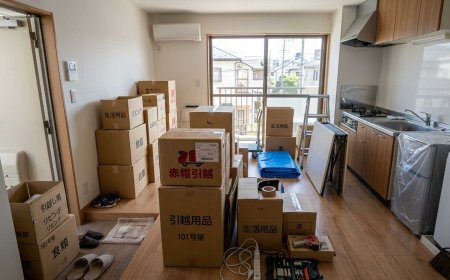
- Housing arrangements
- Health insurance registration
- Resident card procedures
Being informed prevents culture shock and smoothens integration.
How Technology Simplifies the Journey
Immigration processes can feel overwhelming. However, AI-powered tools such as Kaishi Nihon are designed to:
- Guide applicants step-by-step
- Predict potential documentation issues
- Offer structured visa pathway suggestions
- Simplify complex immigration terms
While professional consultation is still valuable, technology makes information more accessible and personalized.
Common Mistakes to Avoid
- Incomplete financial documentation
- Inconsistent personal information
- Choosing the wrong visa category
- Ignoring language preparation
- Relying on unofficial advice
Preparation and verified information are key to success.

A Dream Within Reach
Thousands of Filipinos successfully move to Japan every year for education and employment. With proper planning, reliable information, and smart digital tools, the process becomes manageable.
Japan is not just a destination—it can be a long-term opportunity for growth, stability, and cross-cultural success.
Nipino.com is committed to providing you with accurate and genuine content. Let us know your opinion by clicking HERE.