


































































A God-Fearing Nation, Yet the Poor Remain Oppressed
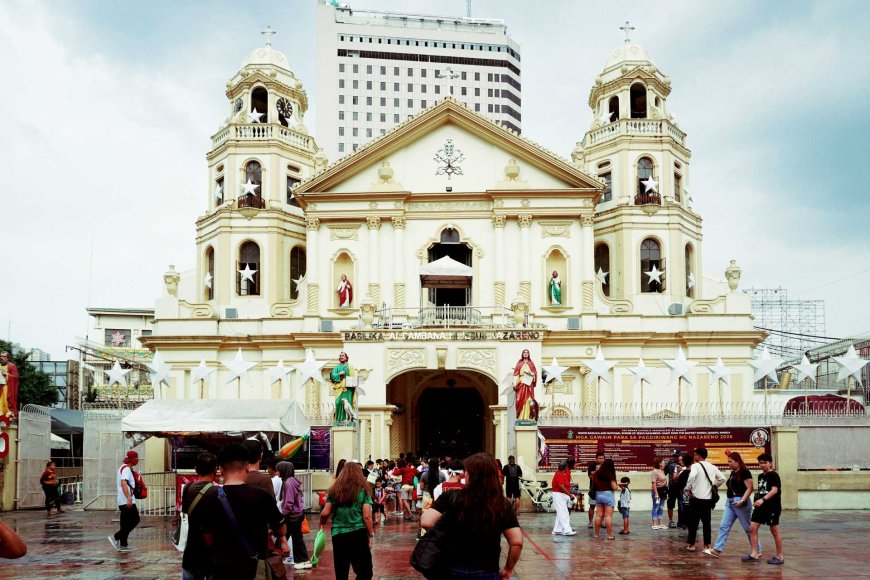
The Philippines is widely known for its deep faith, spirituality, and belief in God, yet poverty and oppression remain persistent realities for millions.
Faith Everywhere, Justice Nowhere
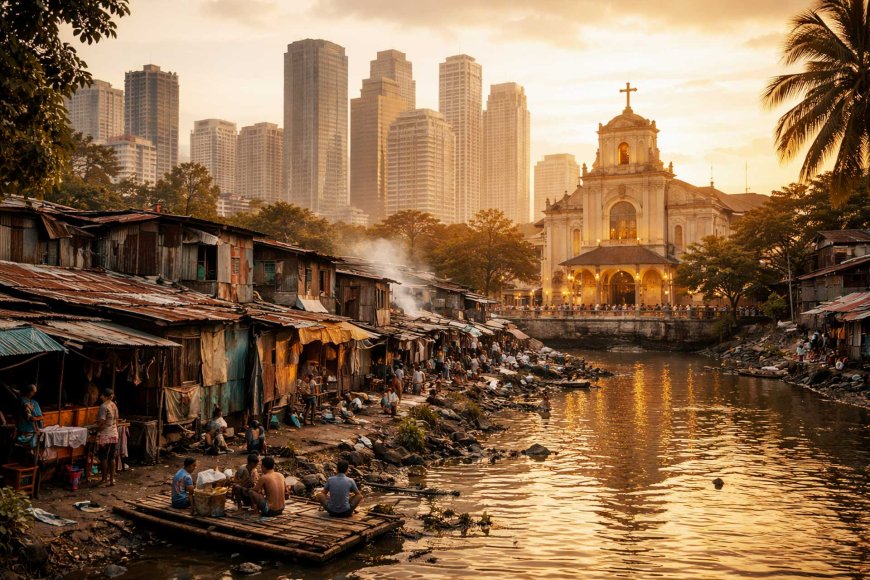
The Philippines consistently ranks among the most religious countries in the world. Churches are full on Sundays, prayers open public events, and references to God are woven into everyday language. Faith, for many Filipinos, is not just a belief system—it is a source of identity, comfort, and hope.
Yet alongside this visible religiosity exists a contrasting reality. Millions of Filipinos continue to live in poverty, struggling with low wages, limited access to healthcare, overcrowded classrooms, and systems that often favor the powerful over the vulnerable. This contradiction raises a difficult but necessary question: how can a nation so rich in faith continue to tolerate conditions that perpetuate inequality and suffering?
Faith as Comfort vs. Faith as Responsibility
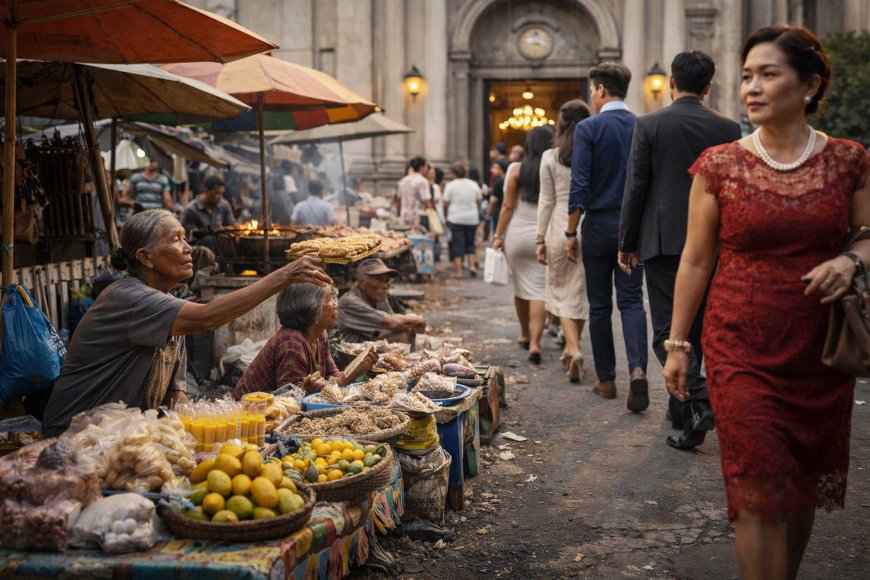
Faith has long served as a refuge for Filipinos facing hardship. In times of disaster, illness, or loss, prayer offers emotional strength when material resources are scarce. This role of faith as comfort is both valid and deeply human.
However, problems arise when faith remains only a source of personal relief and not a motivation for collective responsibility. When prayer replaces action, injustice can persist unchallenged. Religious teachings across traditions emphasize compassion, care for the poor, and responsibility toward others. Yet in practice, faith is often treated as a private matter disconnected from public life.
When belief becomes inward-focused, it risks losing its power to influence systems, policies, and social behavior. Comfort without responsibility can unintentionally allow suffering to continue.
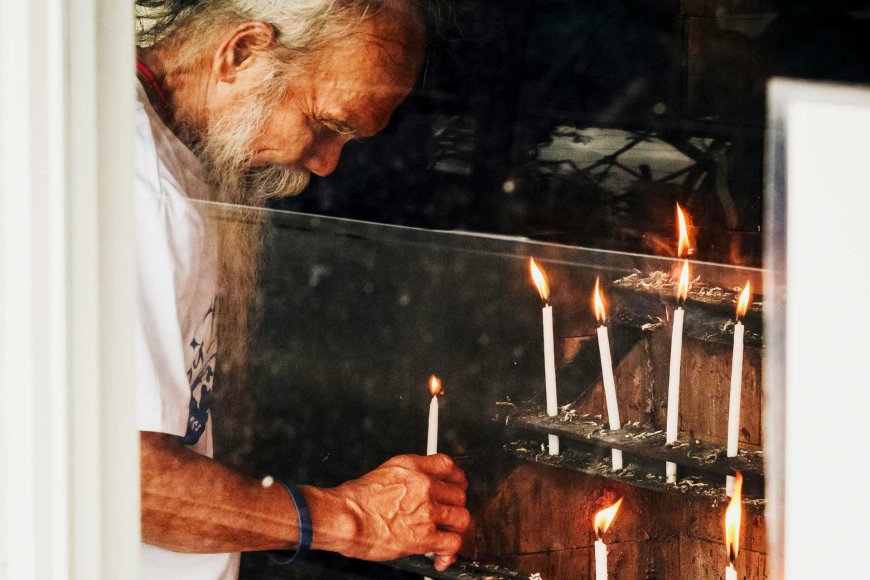
When Religion Becomes Personal Salvation Instead of Social Action
For many believers, religion is framed primarily around personal morality, salvation, and the afterlife. Being “good” is often measured by individual behavior—praying regularly, avoiding personal wrongdoing, or maintaining religious rituals.
While personal ethics are important, this framework can unintentionally reduce concern for systemic injustice. Corruption, labor exploitation, and inequality are seen as political or societal issues rather than moral ones. As a result, religious life becomes separated from civic life.
This separation makes it easier to condemn individual sins while ignoring collective harm. Systems that exploit the poor can remain intact when they are viewed as beyond the scope of religious responsibility.
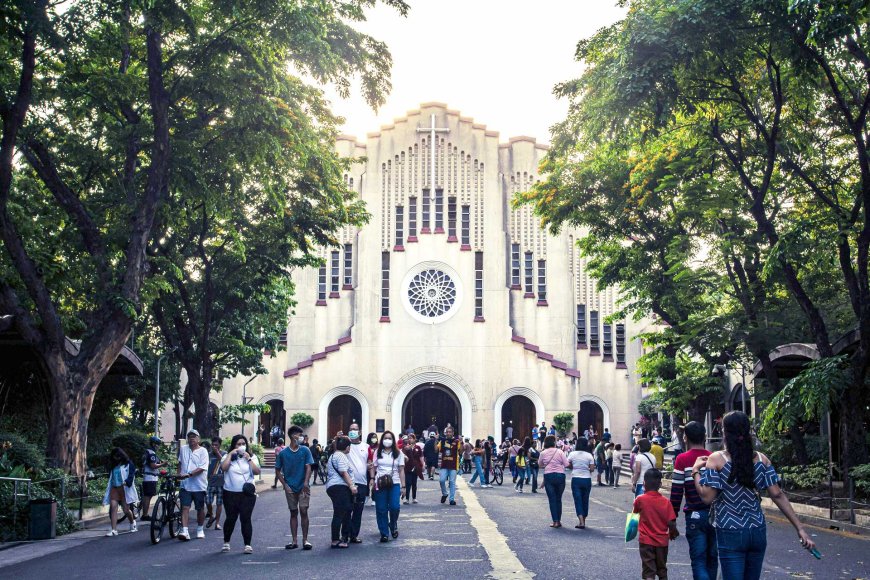
Spiritualizing Suffering Instead of Solving It
In Filipino culture, suffering is often explained through spiritual language. Hardship may be described as a test of faith, a cross to bear, or part of God’s plan. While these interpretations can help individuals endure pain, they can also normalize suffering.
When poverty is spiritualized, it risks becoming permanent. Structural problems such as unfair wages, poor governance, and lack of accountability are reframed as destiny rather than injustice. This perspective discourages questioning and reduces urgency for reform.
Suffering may be endured with patience and prayer, but without addressing its causes, the cycle continues across generations.
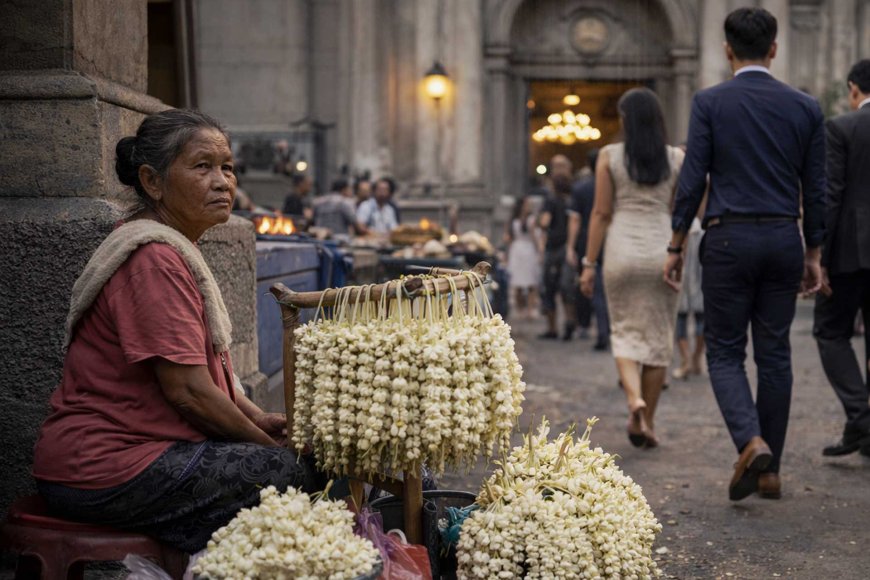
The Moral Cost of Silence
One of the most significant consequences of this disconnect is silence. Many people recognize injustice but choose not to speak out, believing it is not their place, that nothing will change, or that faith requires obedience rather than challenge.
Silence, however, has moral consequences. When wrongdoing is ignored, it becomes normalized. When abuse of power goes unchallenged, it strengthens. Over time, silence transforms from caution into complicity.
Religious communities have historically played powerful roles in social movements worldwide. When moral voices withdraw from public discourse, society loses an important force for accountability.
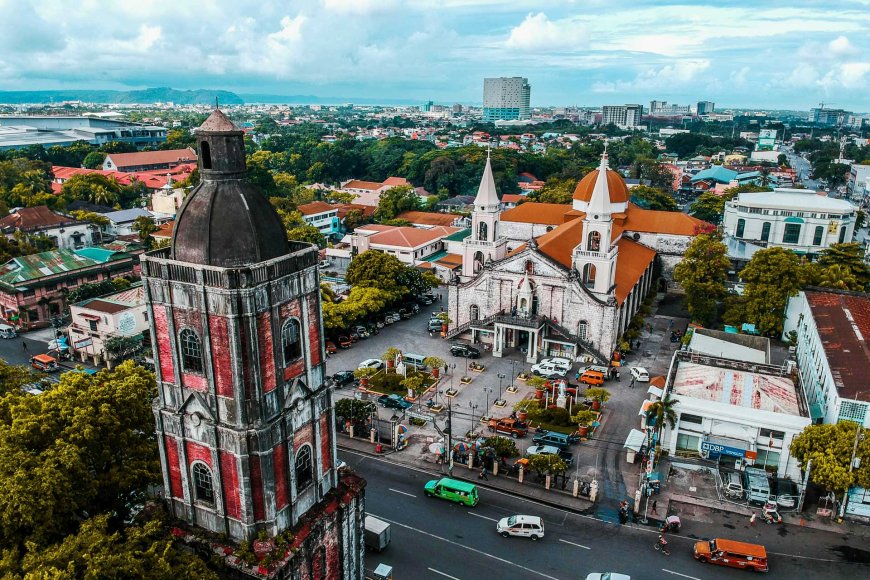
Reconnecting Spirituality with Compassion and Justice
The issue is not faith itself, but how it is practiced and applied. Spirituality does not need to abandon prayer, ritual, or belief in the afterlife. What it needs is reintegration with compassion, justice, and responsibility.
Faith can inspire ethical leadership, demand fairness, and protect human dignity. It can encourage citizens to care not only about personal salvation, but also about the conditions in which others live.
Reconnection begins with reflection—asking whether belief comforts only the self or also serves the community.
Belief and Responsibility Must Walk Together
A God-fearing nation does not automatically become a just one. Justice requires conscious effort, courage, and participation. Faith can be a powerful foundation for this work, but only when it extends beyond personal devotion.
The challenge is not to abandon belief, but to deepen it—so that faith informs action, prayer inspires responsibility, and spirituality becomes inseparable from compassion for the poor and the oppressed.
Nipino.com is committed to providing you with accurate and genuine content. Let us know your opinion by clicking HERE.