

















































































Filipino Time: A Look at the Philippines’ Most Famous Habit
Filipino Time is not merely lateness—it is a cultural philosophy where relationships, emotions, and human connection quietly outrank clocks and calendars. This is about how time in the Philippines bends, stretches, and occasionally disappears, yet somehow keeps society moving forward.

The Clock as a Friendly Suggestion, Not a Rule
In many parts of the world, a clock is an authority. In the Philippines, however, it is more of a polite recommendation. Filipino Time operates under the unspoken agreement that schedules exist primarily to create optimism rather than obligation.
A meeting set for 10:00 AM does not necessarily mean arrival at 10:00 AM. It means people should begin thinking about getting ready around that time. Somewhere between breakfast, an unexpected phone call, and a neighbor stopping by “for just a minute,” time quietly adjusts itself.
This is not rebellion against punctuality; it is hospitality toward life’s interruptions.
“On the Way” as a Philosophical Statement
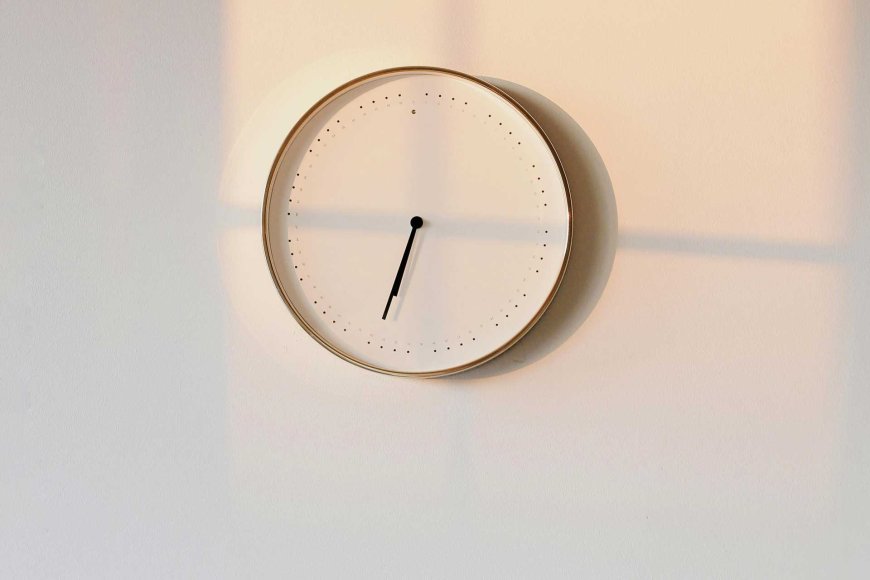
Few phrases in Filipino culture are as versatile as “on the way.” It can mean walking toward the door, still showering, or mentally preparing to leave within the next 30 minutes.
In reality, “on the way” is less about location and more about intention. Once intention is declared, reality is expected to catch up eventually. The phrase reassures everyone involved that effort exists—even if movement has not yet occurred.
In Filipino Time logic, sincerity matters more than speed.

The Sacred Buffer of Social Obligations
Filipino Time thrives because Filipino society values people over processes. If someone is late, it is often because another human interaction demanded attention first: a relative needing help, a conversation that felt rude to cut short, or a neighbor with unexpected news.
Time, in this context, is elastic so relationships do not snap.
Generally speaking, Filipino Time assumes that everyone understands that life happens. Being exactly on time while ignoring a person in need would feel far more uncomfortable than arriving late with a good story.
Parties That Start Late but End With Full Hearts
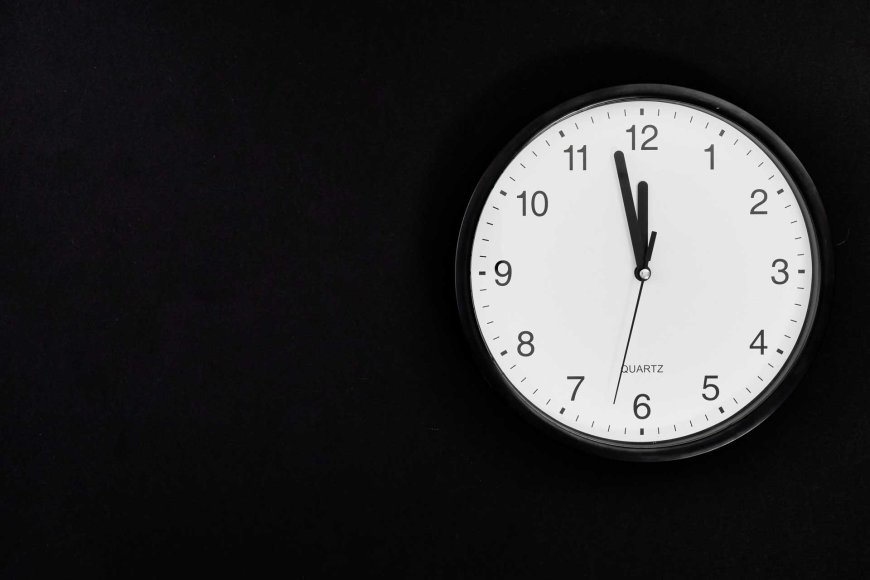
No story on Filipino Time is complete without mentioning parties. Invitations proudly state a start time that everyone silently agrees is fictional.
Guests arrive fashionably late, food appears endlessly, and the party somehow lasts longer than planned. The delay is not inefficiency—it is anticipation. Filipino gatherings are designed to unfold, not begin abruptly.
In Filipino Time, enjoyment ripens slowly, like mangoes left intentionally on the counter.

When Filipino Time Meets the Rest of the World
The comedy intensifies when Filipino Time encounters cultures built on precision. Meetings become awkward, apologies multiply, and calendars suffer emotional damage.
Yet something interesting happens: the Filipino eventually adapts when needed. Flights are caught, deadlines are met, and work gets done. Filipino Time is not incapacity—it is selectivity.
In fact, Filipinos can be punctual. They simply reserve it for moments where time truly matters.
Filipino Time as Emotional Intelligence
At its core, Filipino Time reflects emotional awareness. It acknowledges that humans are not machines and that rushing through life can be disrespectful to shared moments.
This does not mean the culture lacks discipline—it means it prioritizes harmony. The joke is not that Filipinos are late; it is that they refuse to let clocks dominate their humanity.
In a world obsessed with speed, Filipino Time quietly asks, “Why the rush?”

Laughing at Filipino Time While Loving It
Filipino Time is endlessly joked about precisely because it is familiar, flawed, and deeply human.
People complain about it, laugh at it, and secretly rely on it. It creates patience, shared understanding, and stories that begin with, “Sorry, I’m late, but…”
In the end, Filipino Time is not about disrespecting time. It is about respecting people first—and trusting that time will eventually forgive everyone.
Nipino.com is committed to providing you with accurate and genuine content. Let us know your opinion by clicking HERE.