













































Why Filipinos Smile Even When Life Is Hard
Despite enduring economic pressure, natural disasters, and everyday uncertainty, Filipinos continue to smile—not as denial, but as a deeply rooted cultural strength.
A Smile That Carries Stories
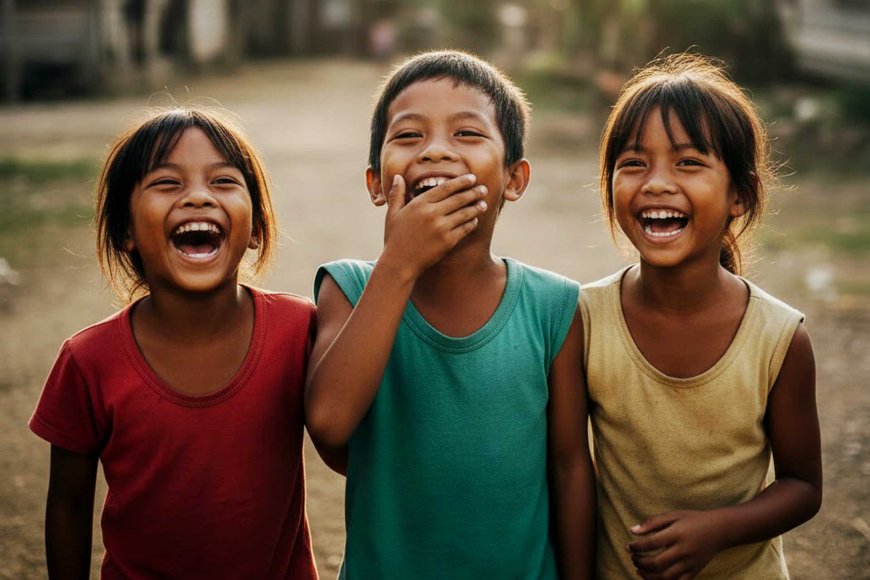
To many outsiders, the Filipino smile can seem puzzling. How can a people who face frequent typhoons, long commutes, low wages, and family separation still greet the world with warmth and laughter? The answer lies not in ignoring pain, but in how pain is carried—together, lightly, and with meaning. In Filipino culture, smiling is not a shallow reflex; it is a language shaped by history and sustained by community.
History of Hardship and Endurance
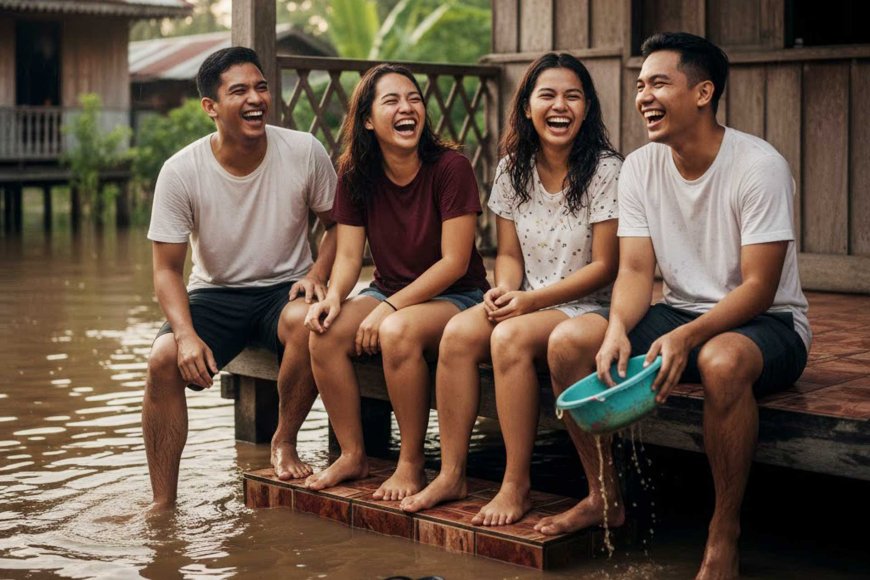
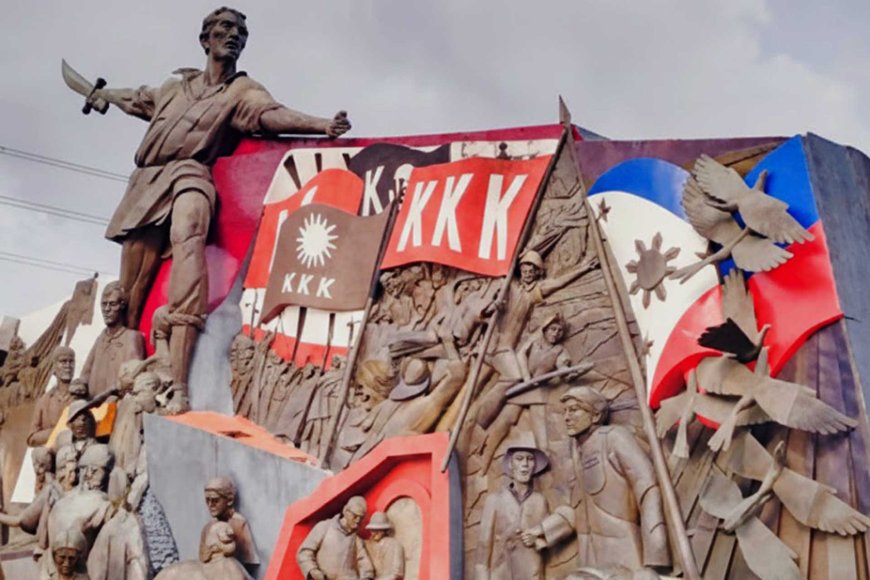
Centuries of colonization, war, and economic struggle forged a national character familiar with uncertainty. Instead of erasing joy, these experiences sharpened it. Smiling became a quiet act of resistance—a way to assert humanity when circumstances tried to diminish it. Over generations, endurance transformed into a cultural reflex: when life pushes hard, Filipinos push back with grace.
Bayanihan: Strength Through Togetherness
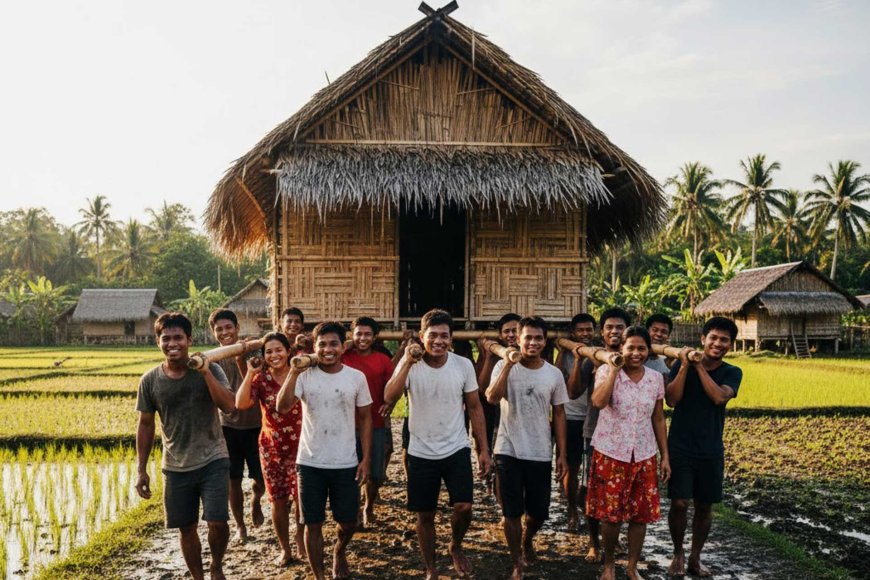
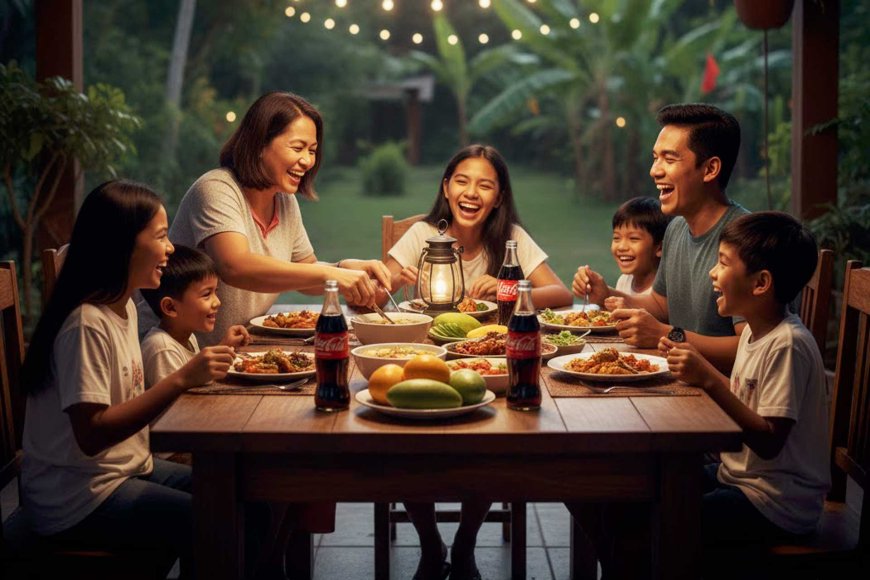
At the heart of Filipino resilience is bayanihan, the spirit of communal unity. Whether rebuilding after a storm or sharing a simple meal, Filipinos rarely face hardship alone. Smiles flourish in shared labor and collective care. When burdens are divided, laughter becomes easier, and hope becomes contagious.
Humor as a Survival Skill
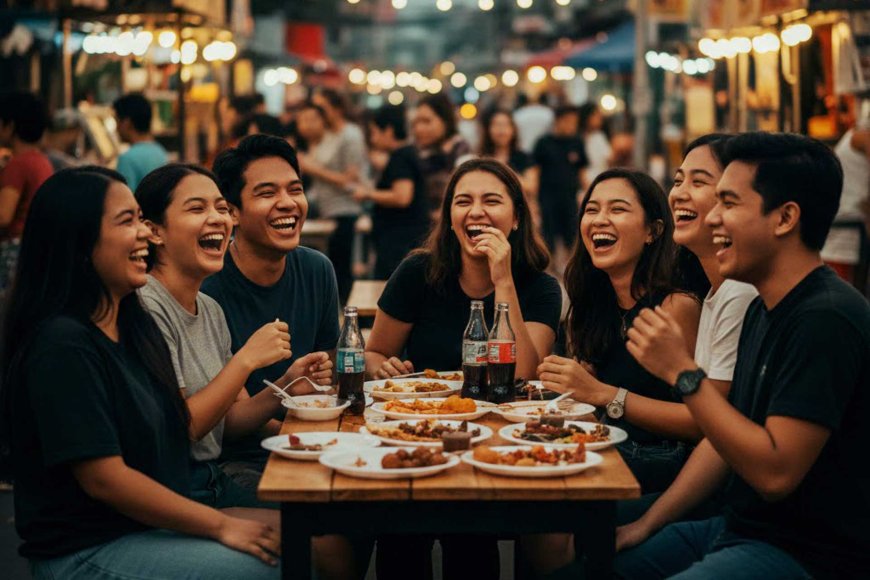
Filipino humor thrives even in the bleakest moments. Jokes during power outages, playful banter in crowded jeepneys, and memes born from daily inconvenience are not signs of denial—they are coping tools. Humor reframes difficulty, turning stress into a story worth sharing. A smile, in this sense, is a creative response to pressure.
Faith, Hope, and Inner Strength
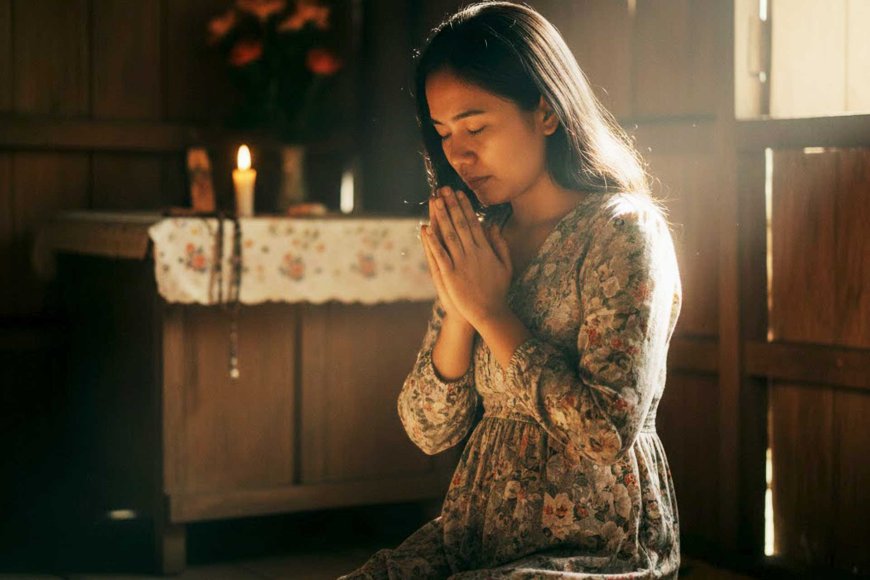
For many Filipinos, faith provides an emotional anchor. Belief in a higher purpose or divine timing offers comfort when answers are scarce. Smiling becomes an expression of trust—trust that suffering is temporary, that meaning will emerge, and that tomorrow can still be kind.
Family and Sacrifice
Family sits at the center of Filipino life. Parents endure hardship so children can thrive; overseas workers smile through homesickness to support loved ones back home. These smiles are layered—carrying sacrifice, longing, and love at once. They signal strength born from responsibility and devotion.
Emotional Intelligence and Adaptability
Filipinos often navigate life with remarkable emotional sensitivity. Reading the room, easing tension, and protecting harmony are valued skills. Smiling softens conflict and preserves dignity. It is a social bridge, allowing connection even when words fall short.

The Smile as Cultural Wisdom
Ultimately, the Filipino smile is wisdom learned through experience. It says: I acknowledge the struggle, but I am not defined by it. It invites others in, keeps despair at bay, and reminds the self that joy can coexist with pain. In a world increasingly overwhelmed by pressure, this quiet resilience offers a lesson worth learning.
More Than Positivity
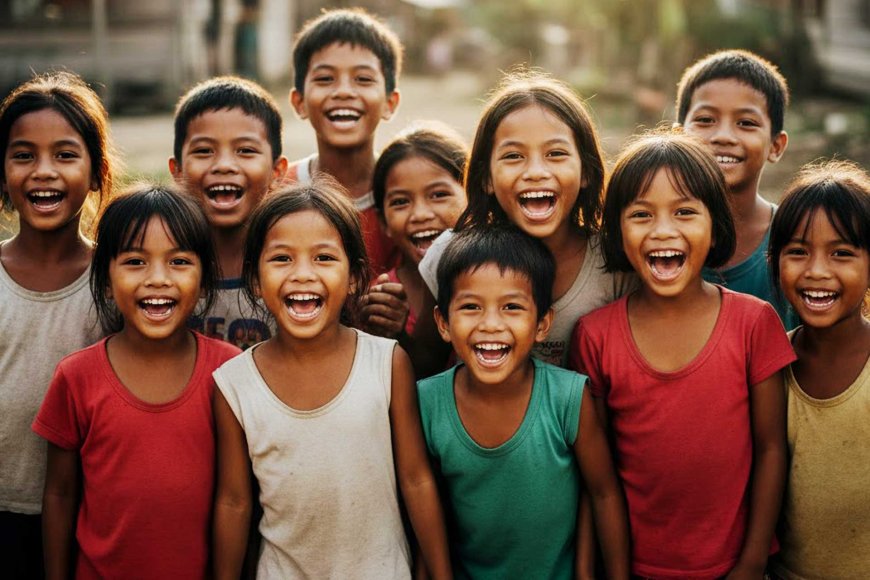
Filipinos do not smile because life is easy. They smile because life is hard—and smiling helps them endure it together. Behind every grin is a story of survival, community, and hope. It is not naïveté; it is courage.
Nipino.com is committed to providing you with accurate and genuine content. Let us know your opinion by clicking HERE.