












































































National Foundation Day in Japan: Remembering the Birth of a Nation
National Foundation Day in Japan is a quiet but deeply symbolic holiday that honors the country’s origins, identity, and continuity as a nation. Celebrated every February 11, it reflects Japan’s respect for history, tradition, and collective memory rather than loud nationalism.
A Quiet Celebration with Deep Meaning
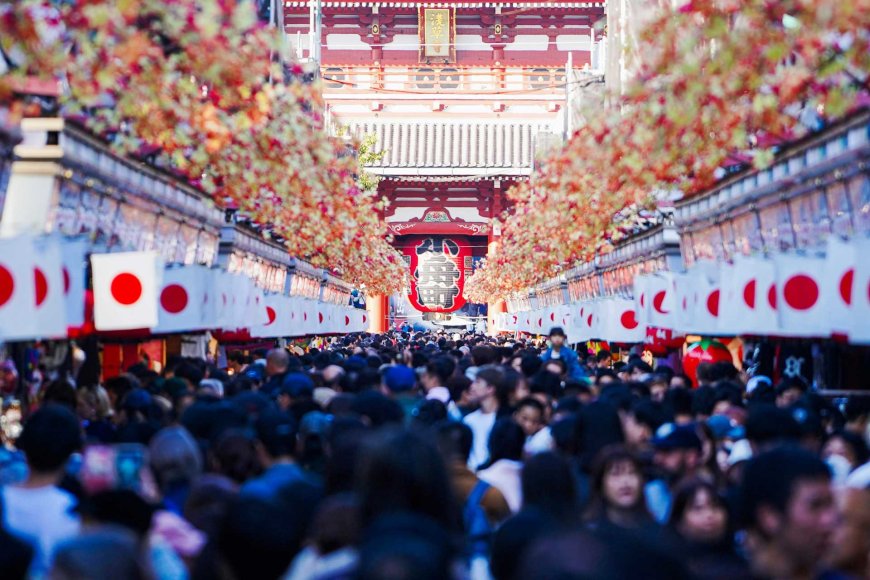
National Foundation Day (建国記念の日) is one of Japan’s most understated national holidays, yet it carries profound historical and cultural weight. Unlike festivals filled with fireworks or parades, this day is marked by reflection, gratitude, and respect for the country’s beginnings. It is a holiday that invites people to pause and consider what it means to belong to a nation with thousands of years of recorded history.
For visitors and even long-term residents, National Foundation Day can feel almost invisible. Shops may remain open, and daily life continues calmly. However, beneath this quiet surface lies a strong sense of continuity and identity that has shaped Japanese society for generations.
What Is National Foundation Day?
National Foundation Day is celebrated annually on February 11. Its purpose is to commemorate the founding of Japan and to foster a sense of national identity and love for the country. The holiday is not about military power or political dominance; instead, it focuses on cultural roots and shared history.
The concept behind the holiday emphasizes unity, respect for ancestors, and appreciation for the nation’s long-standing traditions. It is a day to remember where Japan came from and how its values have been passed down over time.
Historical Origins: Emperor Jimmu and Japan’s Foundation
The date February 11 is rooted in Japanese mythology. According to ancient chronicles such as the Kojiki and Nihon Shoki, this day marks the legendary ascension of Emperor Jimmu, considered Japan’s first emperor, in 660 BCE.
While modern historians view Emperor Jimmu as a mythological figure rather than a historically verified ruler, his story remains an essential part of Japan’s cultural narrative. The symbolism matters more than literal historical accuracy—it represents the idea of an unbroken imperial line and a shared national origin.
From Kigensetsu to Kenkoku Kinen no Hi
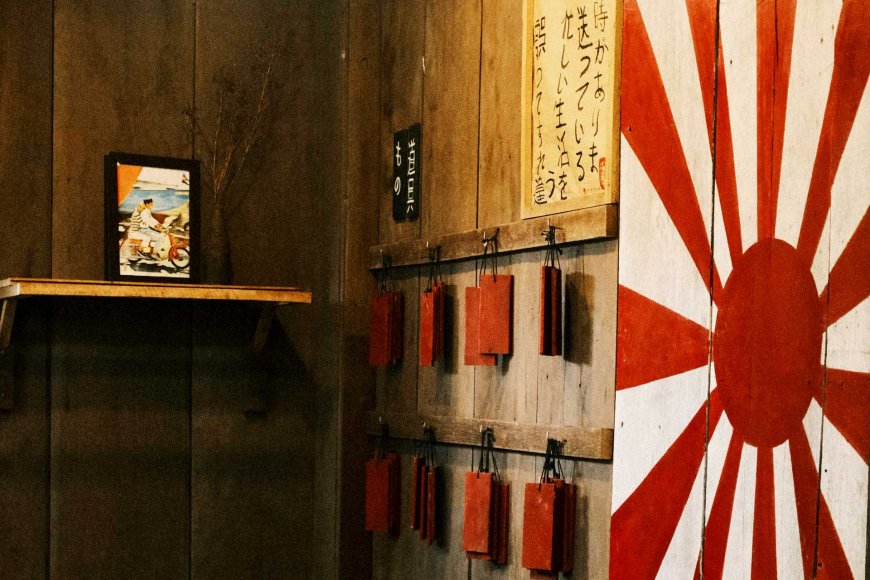
Before World War II, the holiday was known as Kigensetsu (紀元節) and was used to promote state ideology and emperor-centered nationalism. After the war, the holiday was abolished due to concerns about militarism and political misuse.
In 1966, it was reintroduced under a new name: Kenkoku Kinen no Hi (建国記念の日), or National Foundation Day. The revised holiday removed overt political messaging and refocused on cultural reflection, making it more inclusive and suitable for a modern democratic society.
How National Foundation Day Is Celebrated Today
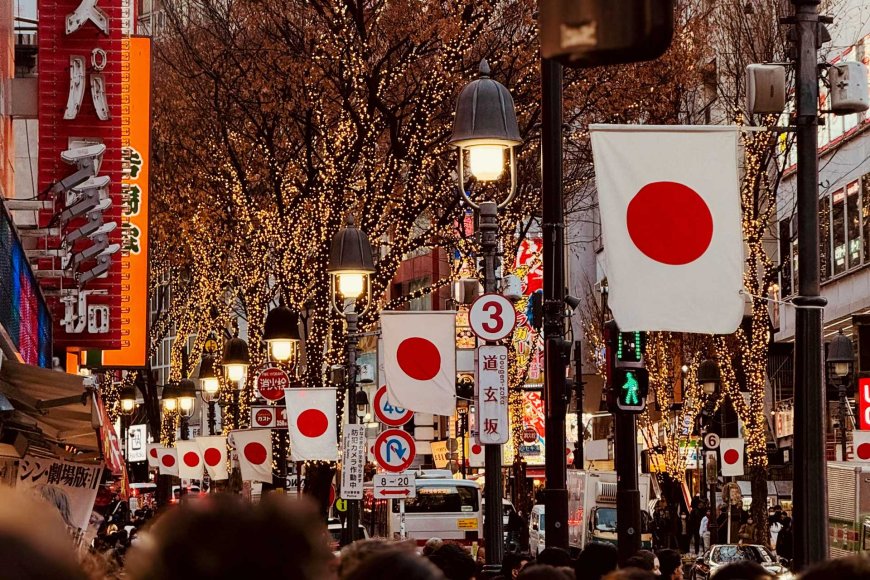
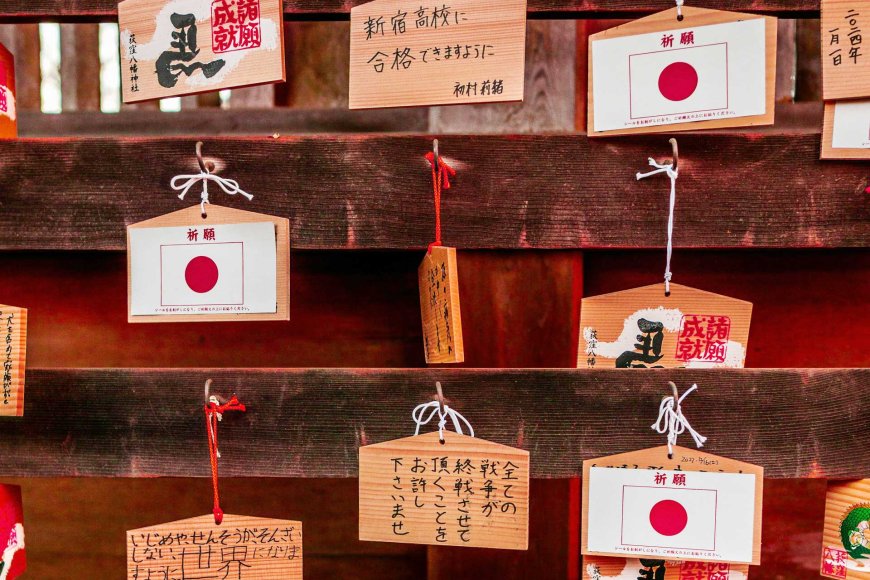
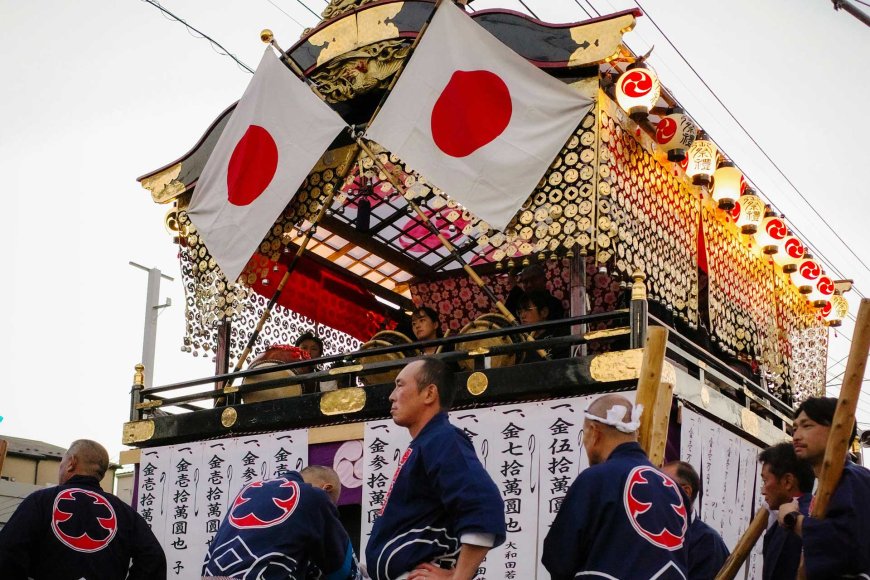
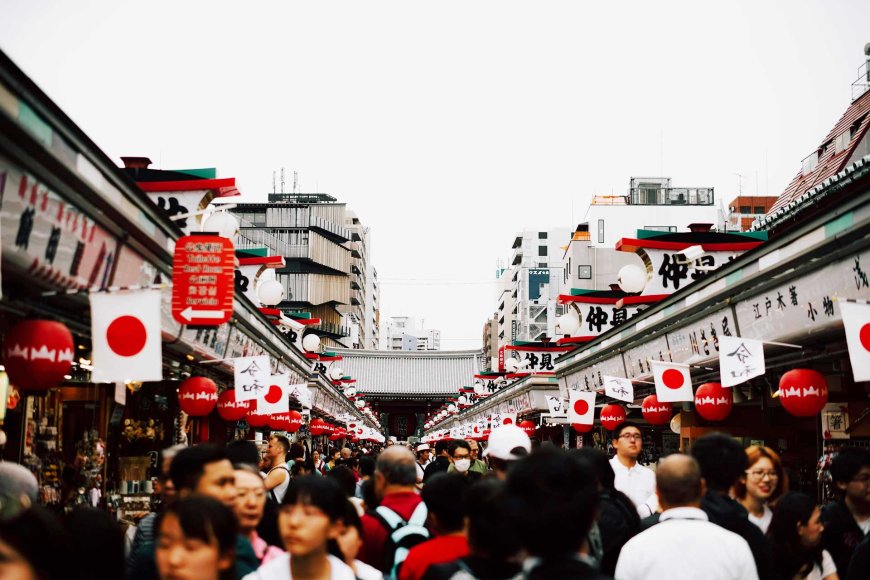
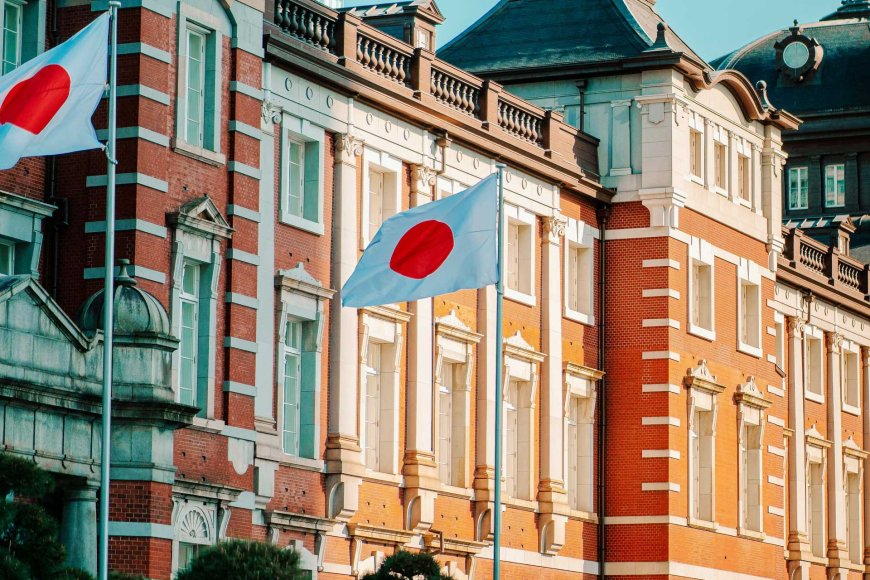
Modern celebrations are generally subdued. Many Japanese people simply enjoy a day off work or school. Some families display the national flag (日の丸, Hinomaru) outside their homes, while others visit shrines to offer prayers for peace and prosperity.
At major Shinto shrines, small ceremonies may take place. These events often emphasize gratitude, harmony, and hope for the future rather than political ideology. In contrast to some countries where national days are loud and celebratory, Japan’s approach is calm and introspective.
Cultural Significance in Modern Japan
National Foundation Day reflects a broader Japanese value: continuity over conquest. The holiday does not glorify war or expansion but instead highlights endurance, tradition, and social harmony. This perspective aligns closely with Japanese cultural ideals such as balance, respect, and community.
For younger generations, the holiday may simply feel like another public day off. However, in schools and media, discussions often encourage reflection on Japan’s identity, constitutional values, and lessons from history.

What Foreigners and Residents Should Know
For foreigners living in Japan, National Foundation Day offers a valuable insight into how the country views nationalism differently. There is pride, but it is quiet. There is history, but it is approached with caution and humility.
Understanding this holiday helps explain why Japanese society values subtlety over spectacle. It also reveals how Japan reconciles its ancient myths with modern democratic principles—a balance that continues to shape the nation today.
Roots and Shared Memory
In an increasingly globalized world, National Foundation Day reminds people of the importance of roots and shared memory. It is not about exclusion or superiority, but about understanding where a society comes from and how that history informs its present and future.
By honoring its foundation in a thoughtful way, Japan demonstrates that national pride does not have to be loud to be meaningful.
Nipino.com is committed to providing you with accurate and genuine content. Let us know your opinion by clicking HERE.