











































Finding Peace in a Fast World: Lessons from Japanese Zen Living
A cultural reflection on how Japanese Zen habits—minimalism, mindfulness, and intentional living—can help Filipinos abroad slow down, reduce stress, and rediscover inner peace.
A Fast World Searching for Stillness
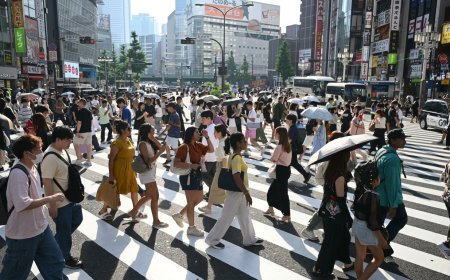
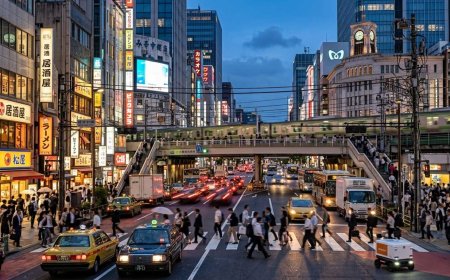
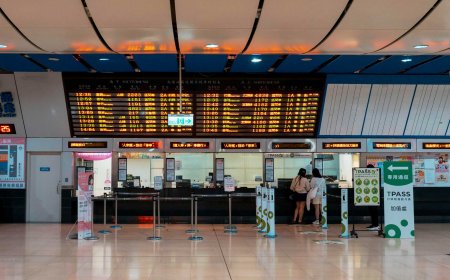
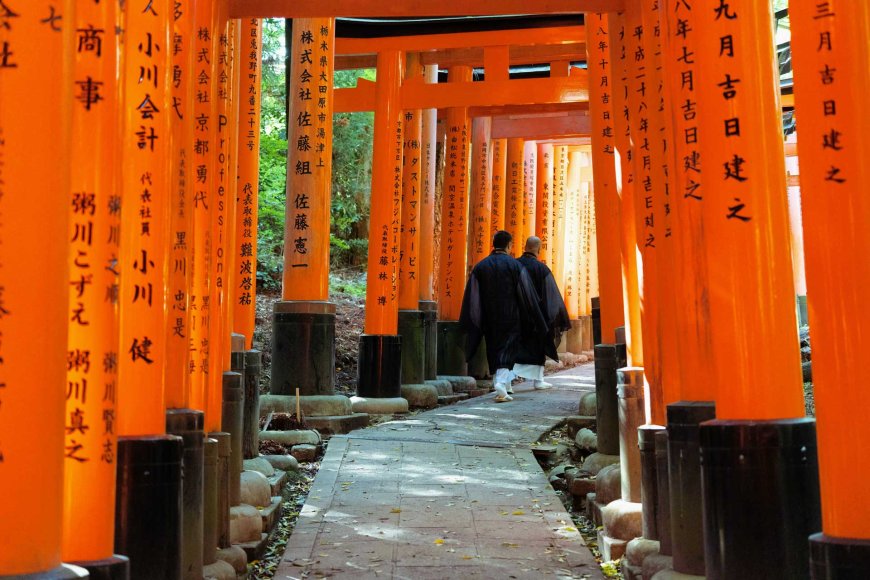
In a world filled with deadlines, crowded commutes, and constant digital noise, finding inner peace feels almost impossible. For many Filipinos living abroad—especially in Japan—life becomes a delicate balance of hard work, emotional resilience, and unending responsibilities. Yet, within the rush of Japanese cities lies a quiet cultural wisdom rooted in Zen living, offering gentle reminders that a peaceful life is not found by escaping movement, but by learning how to move with intention.
Japanese Zen living is not a strict philosophy reserved for monks. It appears in the simplest corners of daily life: in tidy homes, quiet train rides, soft greetings, and even the careful way food is arranged. These practices reflect a mindset that values presence over pressure and clarity over clutter—something that resonates deeply with Filipinos yearning for balance in their busy lives.
The Zen of Minimalism: Owning Less to Feel More
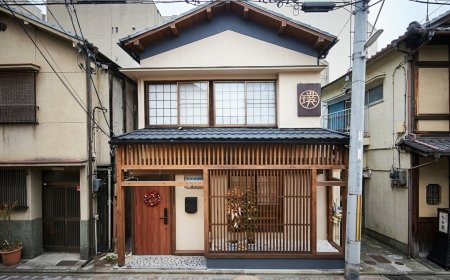
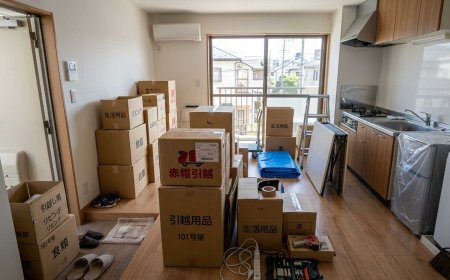
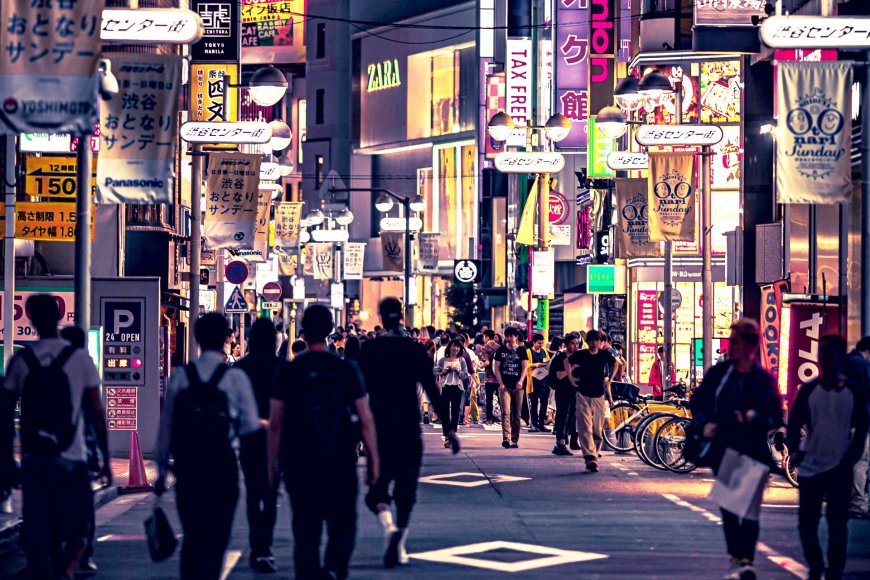
Minimalism in Japan is not merely an aesthetic choice; it is a lifestyle built on clarity and purpose. Many Japanese homes are known for their simplicity—open spaces, natural light, and only the items that truly serve a function or spark joy. This approach encourages people to detach from unnecessary possessions and focus on what brings genuine peace.
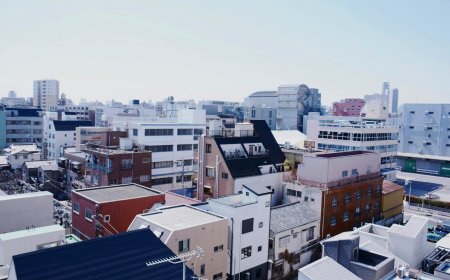
For Filipinos abroad, especially those living in compact apartments, embracing minimalism can be transformative. Instead of letting clutter accumulate—old clothes, unused kitchen items, sentimental objects from home—one learns to evaluate: Does this item help me live better?
Minimalism helps reduce stress, frees time otherwise spent cleaning or reorganizing, and creates mental space for rest. It gently teaches that owning less does not mean living less; it means making room for what matters.
Mindfulness in Motion: How Japan Practices Presence in Daily Life
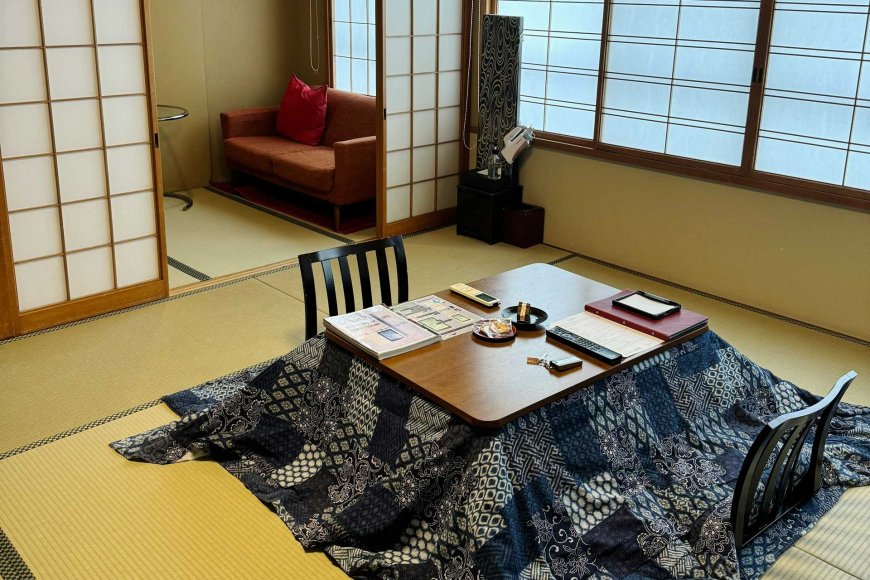
Mindfulness is often misunderstood as something requiring meditation cushions or long silent retreats. But in Japan, mindfulness is woven into everyday routines.
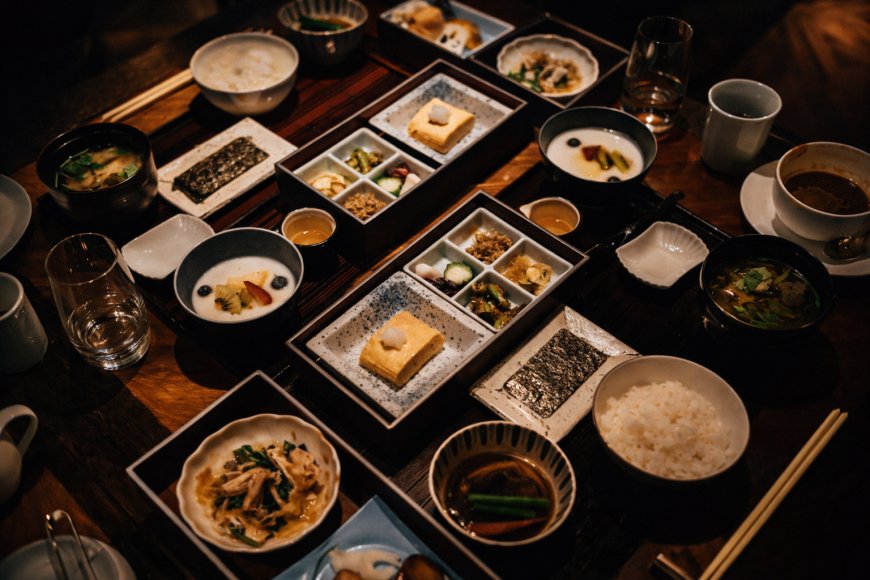
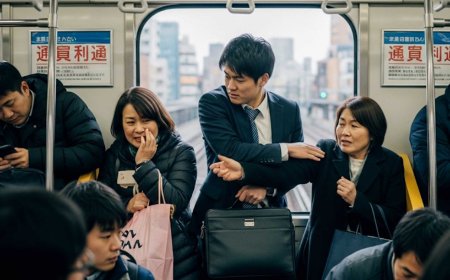
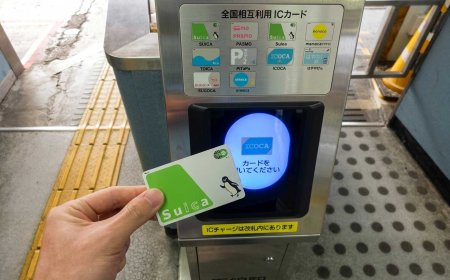
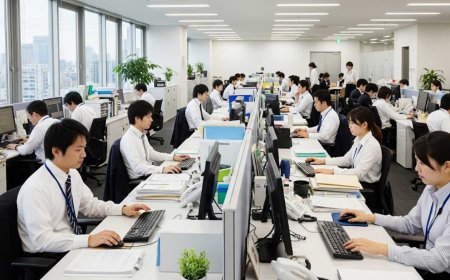
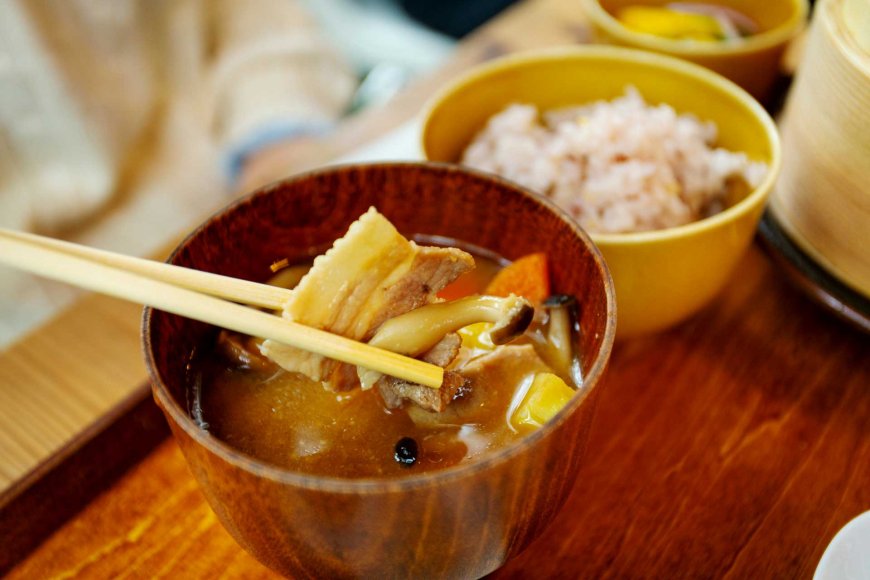
On trains, people sit quietly, respecting one another’s space. Workers focus deeply on their tasks, even if they are sweeping the streets. Food is prepared and eaten with care, with gratitude expressed through customs like itadakimasu.
These habits remind Filipinos abroad that even the simplest activities can become moments of awareness. Washing dishes, walking to work, drinking morning coffee—each becomes a chance to breathe deeply and reconnect with oneself.
Mindfulness in motion is powerful because it does not demand extra time. Instead, it transforms the time we already use.
The Beauty of “Ma”: Finding Balance in Empty Space
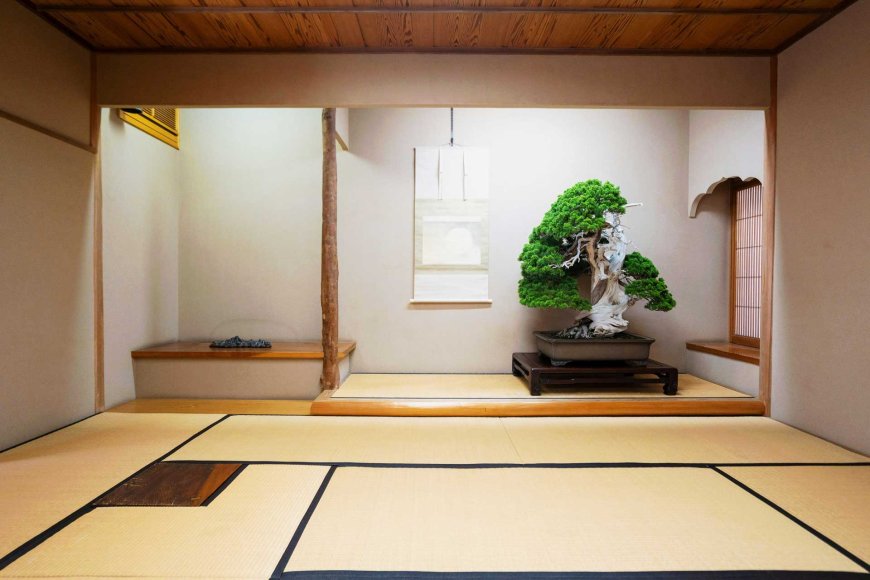
A unique Japanese concept, ma refers to the meaningful space between objects, sounds, or actions. It is the pause in a conversation that allows feelings to settle, the blank space in a room that brings harmony, or the break between tasks that restores energy.
For Filipinos who often equate productivity with constant movement, learning to embrace ma can feel liberating. Pausing is not laziness. Resting is not weakness. Empty moments are essential for creativity, emotional clarity, and mental health.
Learning to appreciate ma helps Filipinos abroad prevent burnout and appreciate the rhythm of life—fast and slow, work and rest, noise and silence.
Nature as a Teacher: The Zen of Observing Seasons
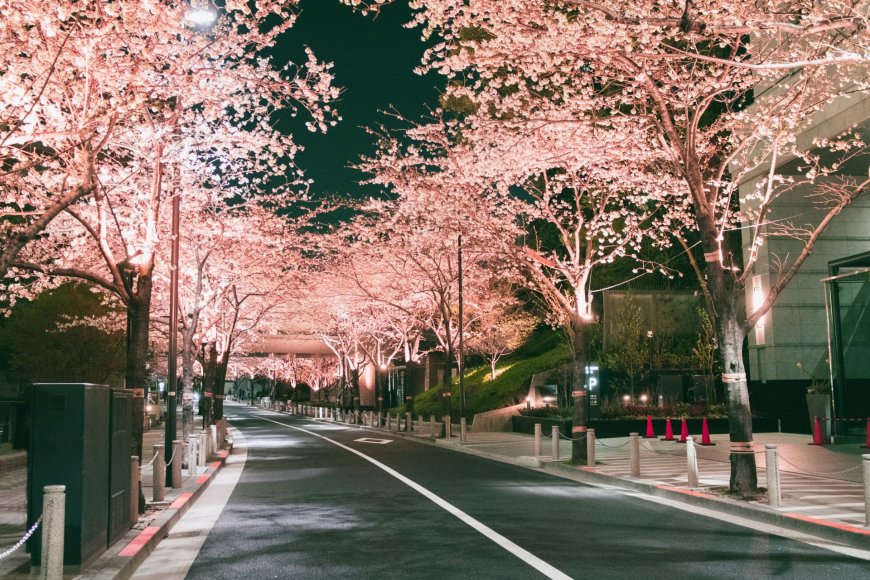
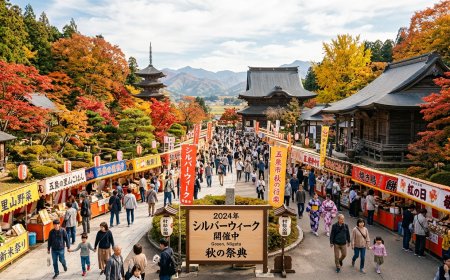
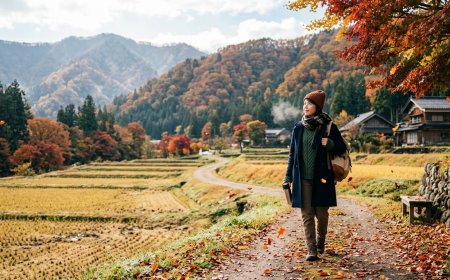
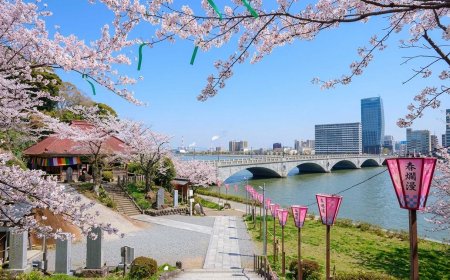
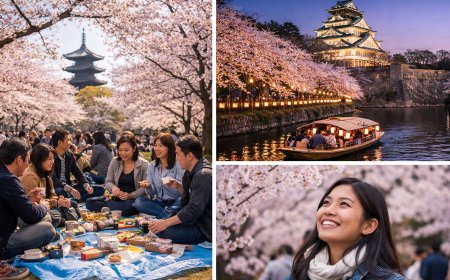
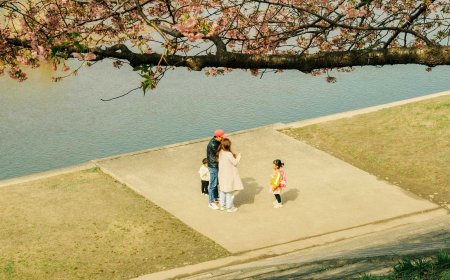
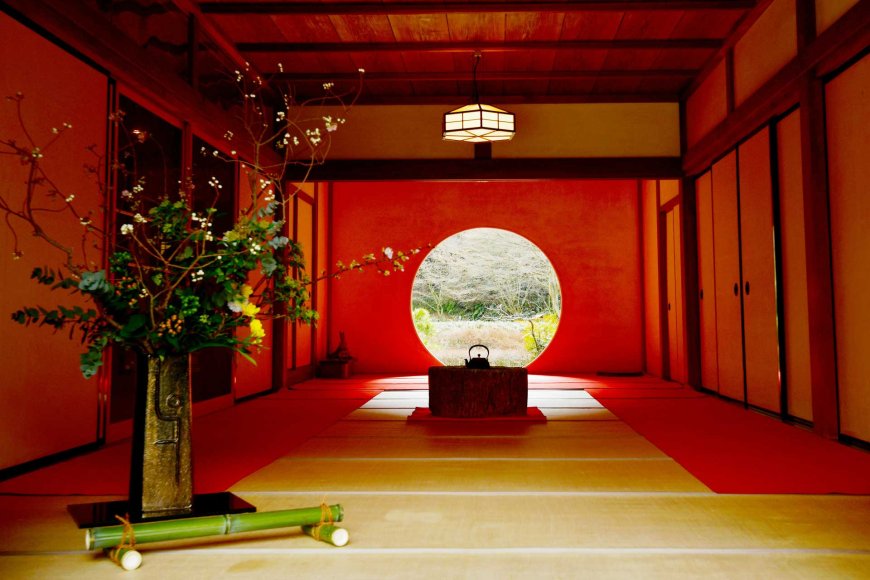
Japan celebrates the changing seasons like chapters in a book—sakura in spring, fireworks in summer, red leaves in autumn, and snow in winter. Each season invites people to pause and appreciate beauty in everyday life.
For Filipinos who come from a tropical climate, experiencing four seasons can be emotionally grounding. It teaches that change is natural and that transitions—whether in career, love, or personal growth—are temporary yet meaningful.
Nature quietly teaches patience, acceptance, and renewal.
Slow Living as Resistance: Choosing Peace in a Demanding World
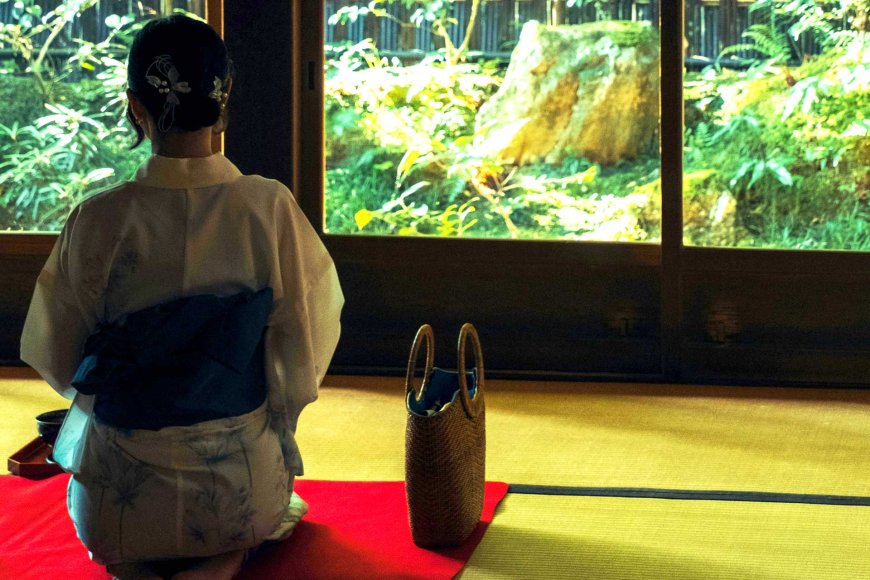
Modern life rewards speed, multitasking, and constant activity. But Japanese Zen living reminds us that slowing down is not falling behind. It is choosing to live intentionally.
Filipinos abroad often carry the pressure to succeed quickly—to support families back home, adapt to foreign culture, and meet high expectations at work. Slow living gives permission to breathe, reflect, and walk at one’s own pace.
A slow life is not inactive. It is purposeful.
Reconnecting with the Self Through Zen Principles
Japanese Zen living offers Filipinos abroad a practical and gentle guide to emotional balance. By embracing minimalism, mindfulness, meaningful pauses, and seasonal awareness, one can rediscover clarity even in a crowded, demanding world.
Peace becomes not a distant dream but an everyday practice—found in small habits, quiet mornings, and the courage to slow down.
Nipino.com is committed to providing you with accurate and genuine content. Let us know your opinion by clicking HERE.