
































How to Balance Filipino and Japanese Parenting in Mixed Households
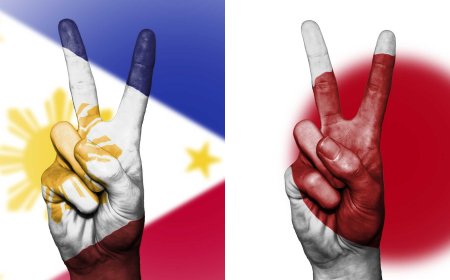
Raising children in a Filipino-Japanese household requires mindful blending of two unique parenting styles—each with its own cultural values, expectations, and communication norms. By acknowledging both traditions and setting shared goals, parents can create a nurturing, respectful environment for their children to grow confidently in two cultures.

Understanding the Differences: Filipino vs. Japanese Parenting Styles
In multicultural households, especially between Filipino and Japanese parents, differing cultural parenting philosophies often surface. Filipino parenting tends to be warm, emotionally expressive, and closely tied to extended family involvement. It emphasizes values like pakikisama (harmony), utang na loob (debt of gratitude), and respect for elders.
Japanese parenting, on the other hand, leans toward structured routines, group harmony (wa), and emotional reserve. Independence and responsibility are encouraged from a young age, with a strong emphasis on etiquette, discipline, and academic excellence.
These differing approaches can sometimes lead to confusion or even conflict if not discussed early in the relationship. Recognizing and respecting these differences is the first step toward building a balanced parenting strategy.
Communication Is Key: Aligning Parenting Goals
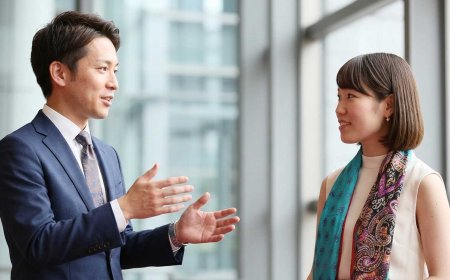
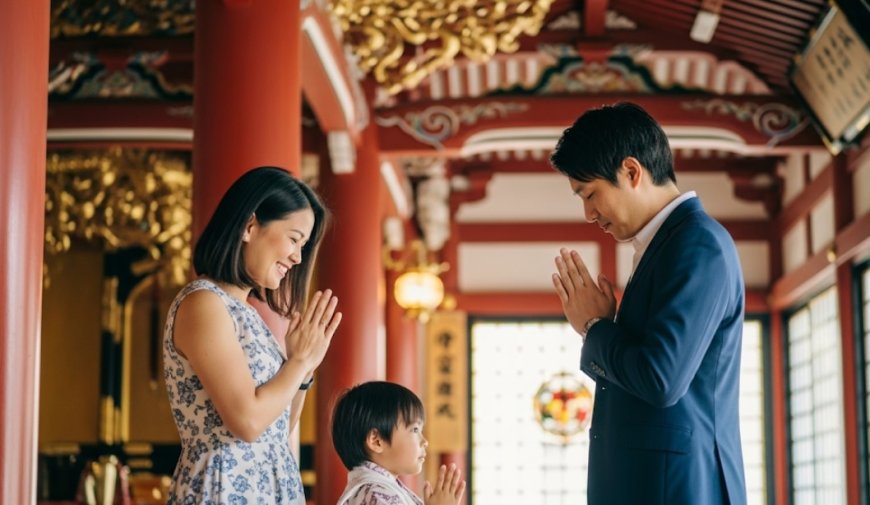
Every successful parenting partnership—especially in cross-cultural settings—depends on clear communication. Filipino-Japanese couples must take time to discuss long-term values and everyday decisions alike, from education and discipline to religious practices and cultural celebrations.
Some Japanese spouses may prefer not to voice objections openly, while many Filipinos might assume unspoken agreement. To bridge this gap, parents should establish regular check-ins about the children’s development, schooling, and emotional health. Speaking in each other’s native languages or using a shared language like English can help foster understanding.
Creating a Culturally Balanced Home Environment
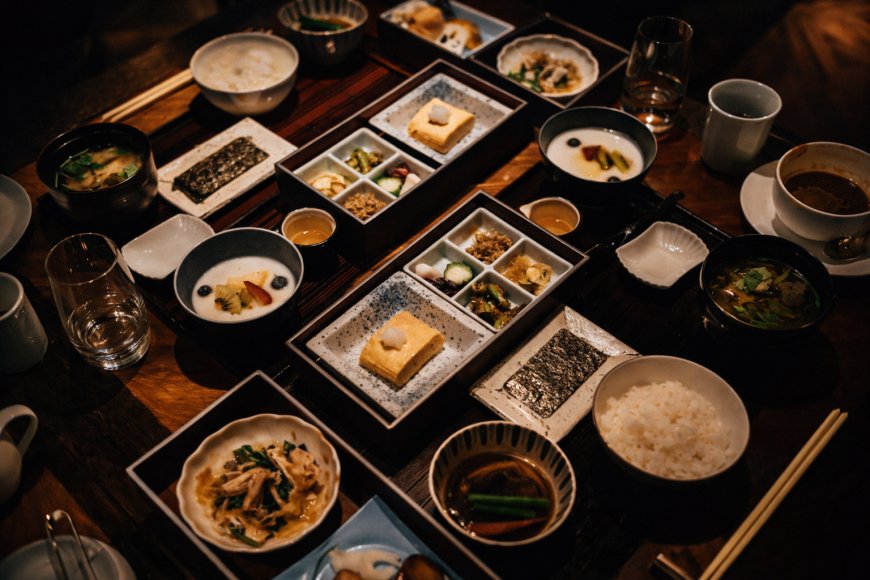
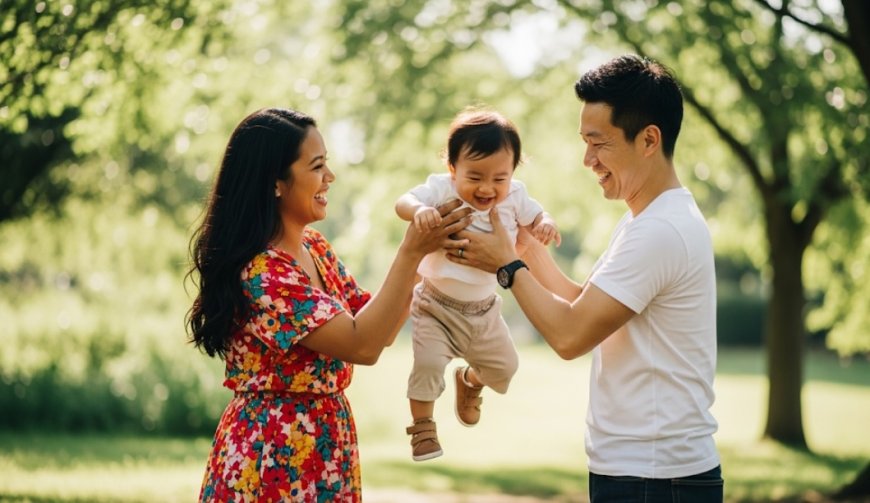
Children thrive in environments where both cultures are acknowledged and celebrated. In Filipino-Japanese households, this could mean serving both adobo and onigiri at dinner, playing OPM songs and anime soundtracks, or celebrating both Obon and Simbang Gabi.
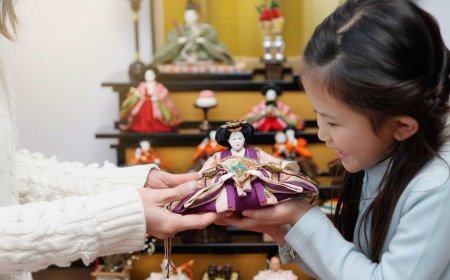
Setting up cultural routines—like Sunday video calls with Filipino grandparents and attending Japanese festivals—gives children a sense of belonging in both worlds. It’s also important to decorate the home with symbols from both cultures, such as parols and kadomatsu, or bilingual calendars and books.
Language Matters: Supporting Bilingual Development
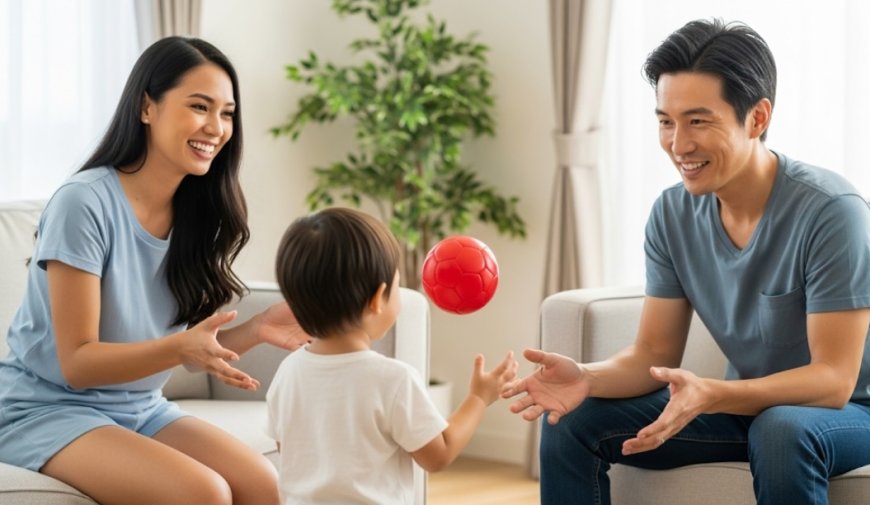
One of the most valuable gifts in mixed households is the opportunity to raise bilingual children. Filipino-Japanese families often speak Tagalog, Nihongo, and English, depending on their location. Parents should support language development by consistently using their mother tongue with the child, watching shows in both languages, and reading books from both cultures.
Creating a bilingual learning plan early on and sticking to it helps children avoid language confusion. Enrolling them in bilingual classes or community groups also provides social reinforcement and exposure to both cultures.
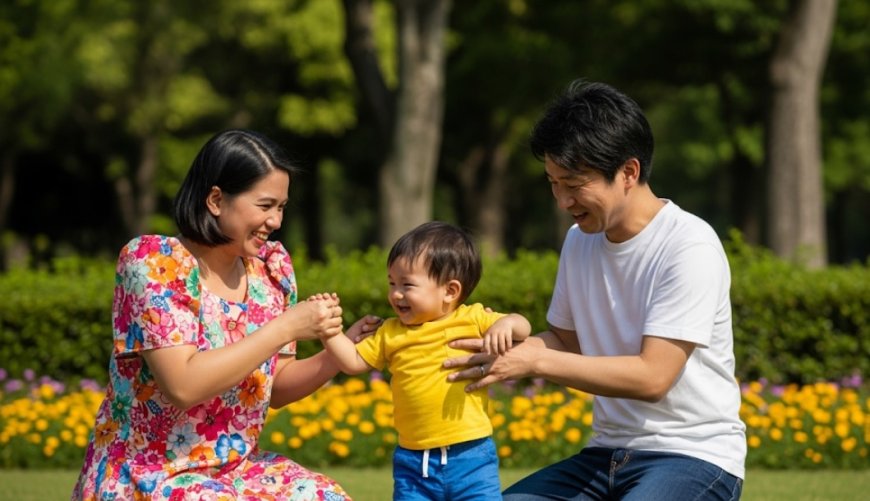
Discipline and Emotional Expression: Finding Common Ground
Discipline can become a sensitive issue in Filipino-Japanese households. Filipino parents may use verbal reminders and emotional appeals, while Japanese parents might expect children to read the atmosphere and self-regulate. Japanese discipline tends to be quiet and internal, while Filipinos may show their disapproval more openly.
To avoid mixed signals, parents should agree on consistent discipline strategies. For instance, timeouts, reward charts, or calm discussions can serve as a middle ground. It’s also helpful to teach the child why each culture handles situations differently, encouraging empathy and emotional intelligence.
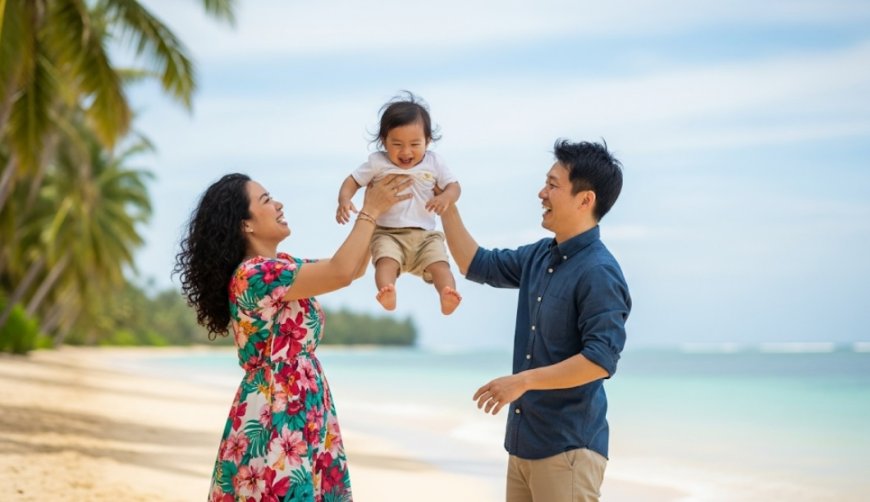
The Role of Extended Family: Navigating Expectations
Filipino families are often tightly knit, and the involvement of lolos, lolas, titos, and titas can play a big role in raising a child. Japanese households, in contrast, may have a more nuclear setup with limited extended family involvement in parenting decisions.
Managing expectations from both sides is crucial. Filipino partners may feel frustrated if Japanese relatives seem distant, while Japanese partners may feel overwhelmed by the frequency of communication with Filipino relatives. Balancing family involvement requires honest conversations and setting clear boundaries as a couple.
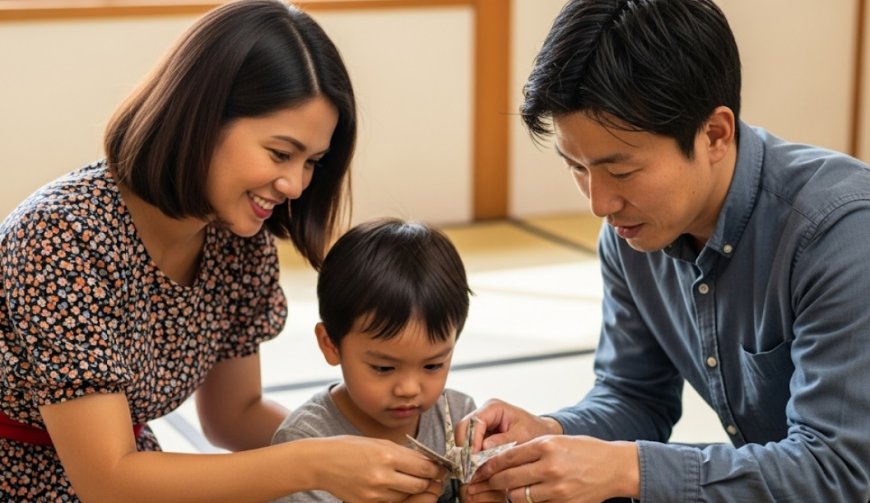
Supporting Identity and Belonging in Children
Mixed children often go through a phase of questioning their identity. They may feel “too Filipino” in Japan or “too Japanese” in the Philippines. Parents can support their children by validating their feelings and emphasizing that their mixed heritage is a strength, not a weakness.
Encouraging them to explore both cultures freely—through books, travel, food, and stories—can deepen their connection to their identity. Having open conversations about their dual background and the challenges that come with it fosters resilience and pride.
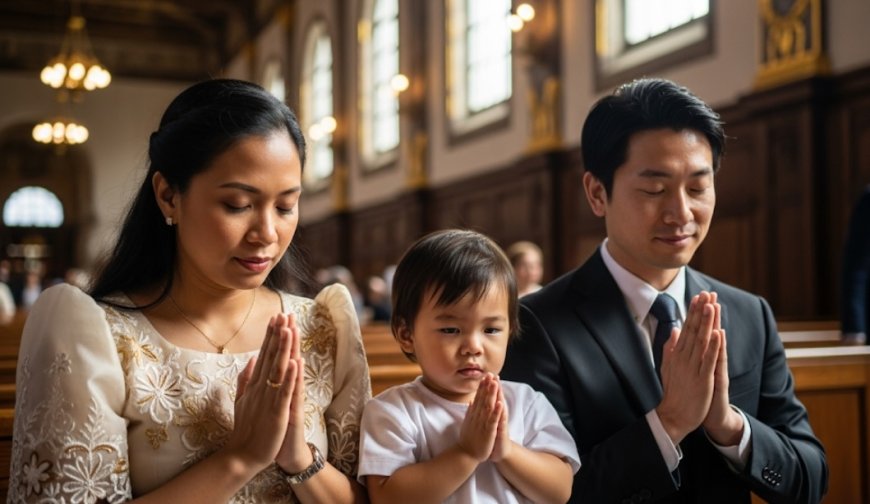
Teamwork Over Tradition
Filipino-Japanese parenting is not about choosing one culture over the other. It’s about teamwork, flexibility, and the willingness to learn from each other’s values. When parents work together with mutual respect, they can create a nurturing home where children grow up confident in their identity, proud of their roots, and equipped for a global world.
In the end, the most important goal is not cultural perfection—but raising happy, healthy, and loved children.
Nipino.com is committed to providing you with accurate and genuine content. Let us know your opinion by clicking HERE.