













































































How Japanese Children Are Taught to Be Honest: Cultural Beliefs, Moral Education, and the Fear of Lord Enma
In Japan, honesty is not just a virtue—it’s a cultural foundation taught from childhood through moral education, folktales, and strong parental guidance.
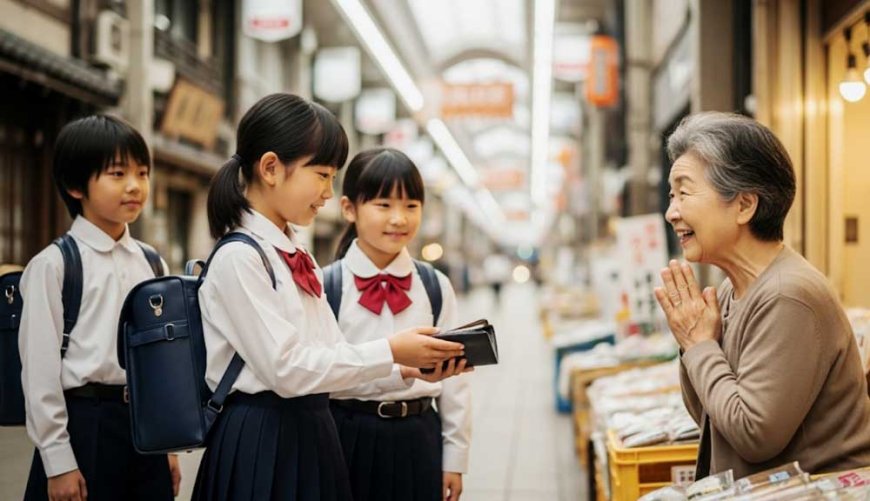
The Saying That Shapes Minds: "Lying is the Beginning of Stealing"
In Japanese society, honesty is instilled at a young age with the help of a powerful and commonly repeated phrase: “Lying is the beginning of stealing” (うそはどろぼうのはじまり). This expression is more than just a warning—it is a moral compass used by parents to shape their children’s understanding of right and wrong.
Many Japanese adults recall hearing this phrase during their childhood. It’s not unusual for a parent to scold a child with, “What a bad boy! Are you okay with becoming a thief?” This intense reaction is not meant to shame the child but to help them grasp the seriousness of dishonesty. In Japan, lying isn’t seen as a minor misbehavior—it’s treated as a gateway to more serious moral failure.
This early conditioning sets the foundation for a society where public trust and social responsibility are highly valued. Children are taught that one small lie can snowball into larger wrongdoing, and therefore, it must be stopped at the root.
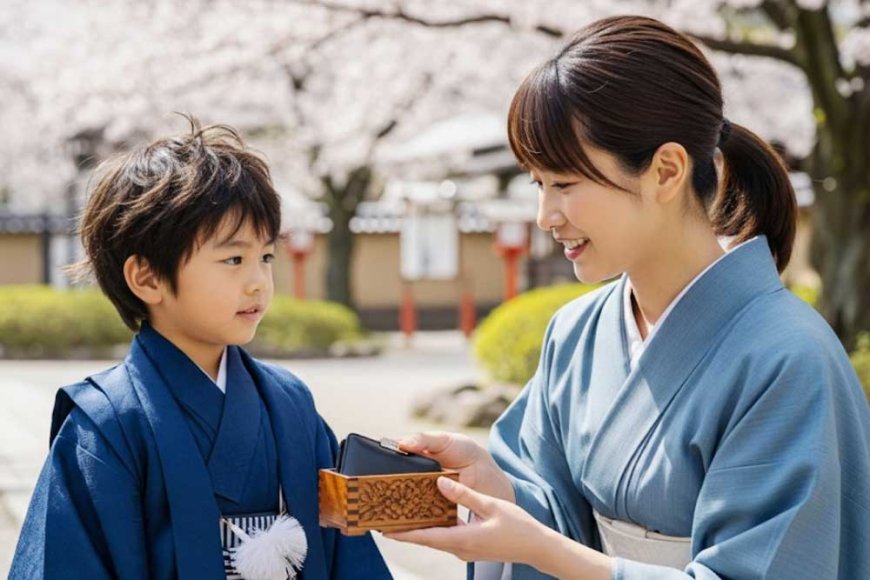
The Fearsome Tale of Lord Enma: A Buddhist Lesson in Truth
Another powerful cultural story told to Japanese children is the myth of Lord Enma (閻魔大王 / Enma Daiou), the King of Hell in Buddhist tradition. According to legend, Lord Enma judges the souls of the dead and determines the punishment they deserve. One of the most memorable warnings passed down to children is this:
“If you lie, Lord Enma will pull out your tongue.”
This haunting image is enough to make any child think twice before telling a lie. The story isn’t just about scaring kids—it serves as a moral narrative that reinforces the long-term consequences of dishonesty. It ties lying to spiritual consequences beyond this life, creating a psychological and emotional deterrent.
By associating lies with the judgment of a powerful and fearsome deity, Japanese children grow up believing that truth-telling is essential not only for social acceptance but also for spiritual survival.

Moral Education in Schools: "A Rich Heart" for a Just Society
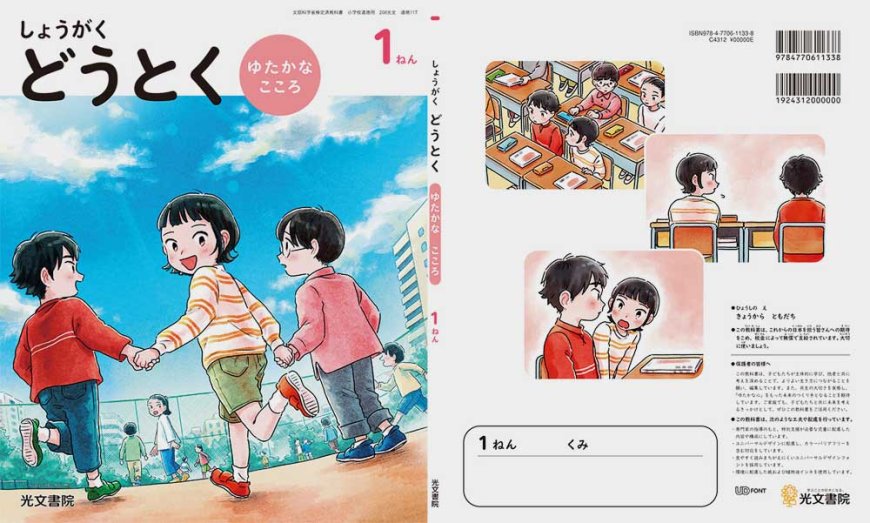
Beyond family and folklore, Japan has an institutional system to reinforce honesty: moral education (道徳 / どうとく / dootoku). Beginning in elementary school, children receive structured lessons aimed at cultivating what is known as a “rich heart” (ゆたかなこころ).
This term encompasses a range of emotional and ethical values such as:
- Caring for others
- Respecting life and human rights
- Appreciating nature and beauty
- Valuing fairness and justice
Rather than just teaching rules, moral education in Japan focuses on nurturing a mindset that leads to ethical behavior. Students are encouraged to think deeply about situations, empathize with others, and reflect on the impact of their actions.
Role-playing, storytelling, and group discussions are common methods used in these lessons. Teachers may present moral dilemmas and ask students how they would respond, allowing children to build their internal compass rather than just memorize rules.
The Role of Parents: Reinforcing Honesty at Home
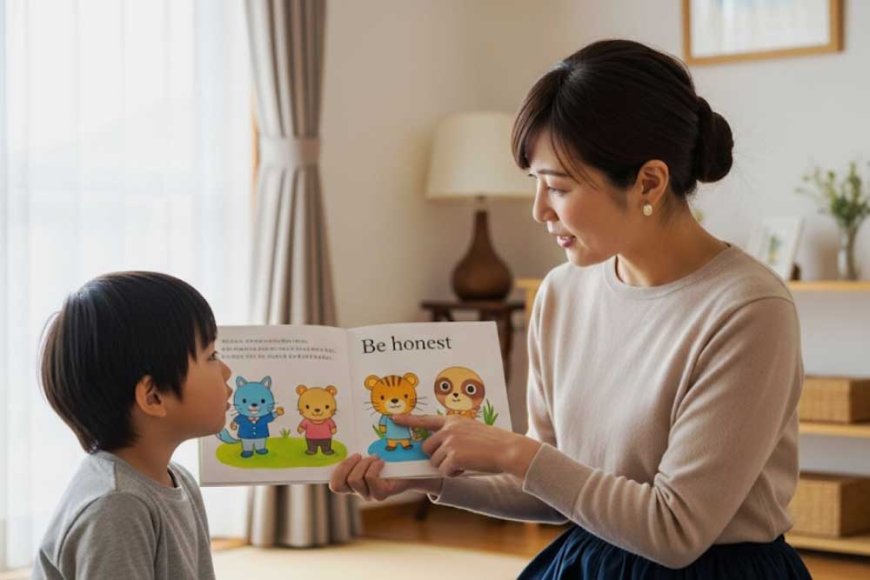
While schools provide structured moral education, Japanese parents play a critical role in reinforcing honesty at home. They use emotional feedback—such as disappointment or concern rather than anger—to guide their children.
Instead of physical punishment or harsh discipline, many Japanese parents rely on moral storytelling and emotional connection. Saying something like “Are you okay with becoming a thief?” appeals to the child’s conscience and desire to be seen as a good person. This method helps the child internalize the value of honesty, rather than just obeying out of fear.
Moreover, by frequently referencing cultural beliefs like the story of Lord Enma, parents strengthen the social and emotional weight of honesty in their children’s lives.
Honesty as a Social Norm in Japanese Society
Because of these deeply embedded lessons, honesty is a visible part of everyday life in Japan. Lost items are often returned to their owners. Wallets left in trains or restaurants are usually handed to the police with everything intact. Students return found money to the teacher or the school office without hesitation.
This culture of honesty is not accidental—it is the result of years of consistent messaging from families, schools, and society at large. By combining religious symbolism, emotional discipline, and structured moral education, Japan has built a society where being honest is the norm, not the exception.

Honesty as a Lifelong Value
In Japan, honesty is not merely a rule to follow—it’s a way of life. From the fear of Lord Enma’s judgment to the heartfelt lessons in moral education, Japanese children are surrounded by consistent messages about the value of truthfulness. These teachings follow them into adulthood, influencing how they interact with others, respond to mistakes, and contribute to their communities.
In a world where honesty can sometimes seem rare, the Japanese approach offers a compelling model of how cultural stories, education, and emotional guidance can work together to build a society rooted in trust and integrity.
Nipino.com is committed to providing you with accurate and genuine content. Let us know your opinion by clicking HERE.