






































The Quiet Beauty of Japanese Spring Compared to Philippine Summers
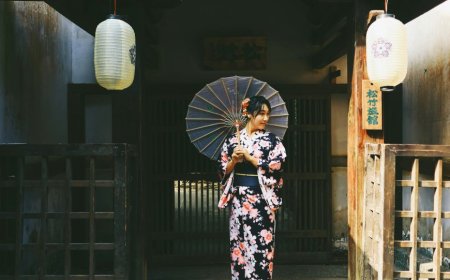
Japanese spring is known for its calm beauty, gentle weather, and the delicate blooming of cherry blossoms that symbolize renewal and reflection. In contrast, Philippine summers are vibrant, energetic, and filled with sunlight, celebrations, and life by the sea.
A Season of Gentle Beginnings in Japan
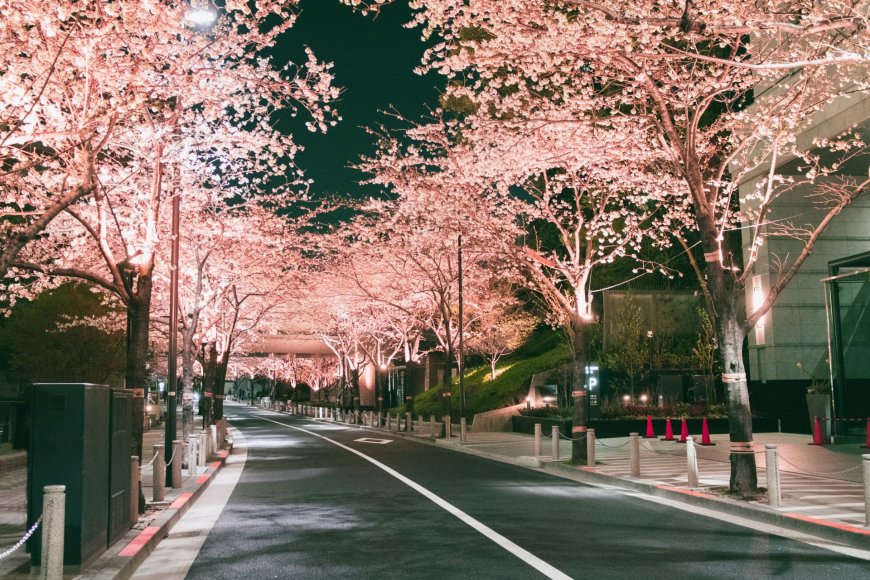
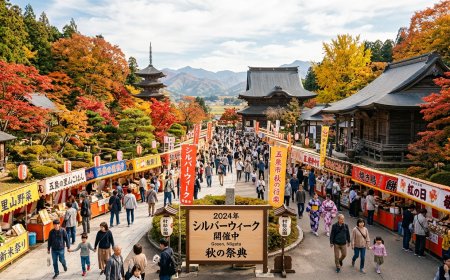
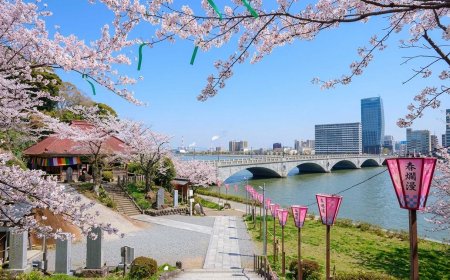
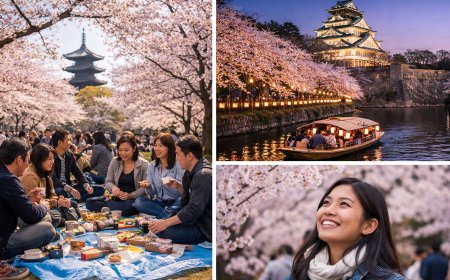
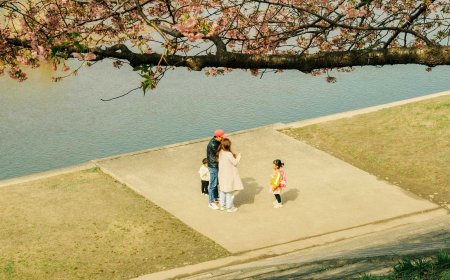
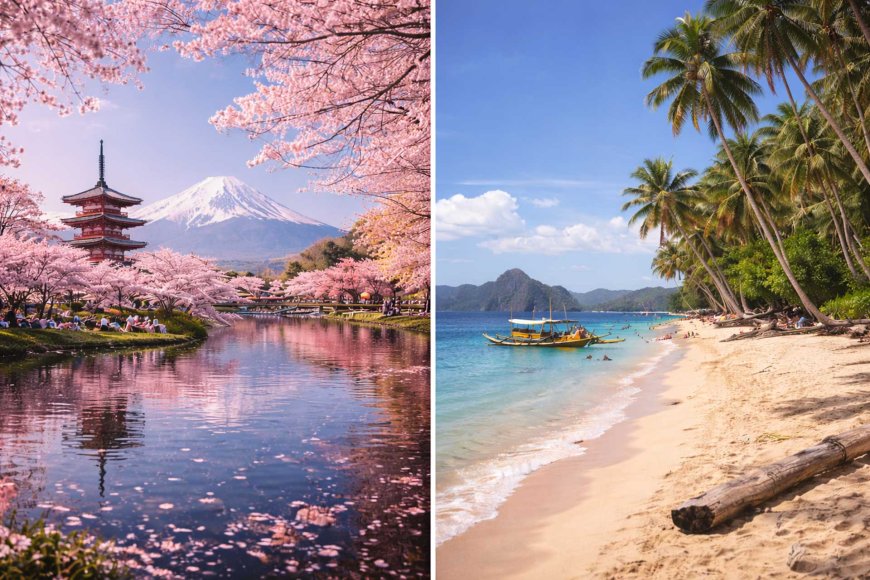
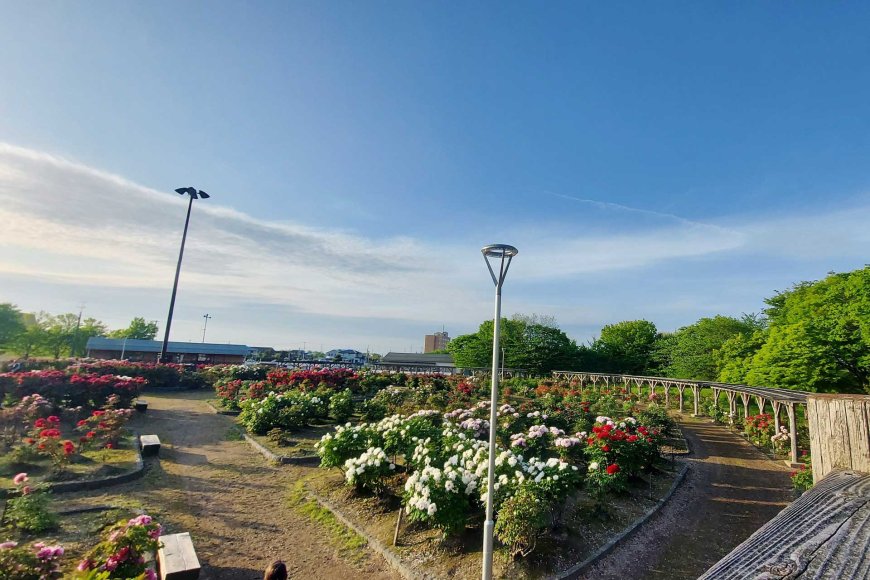
Spring in Japan is often described as quiet, poetic, and reflective. As winter slowly fades, the air becomes softer and the landscape begins to awaken. Trees that once stood bare start to bloom, parks fill with pastel colors, and the country collectively pauses to admire the short-lived beauty of cherry blossoms.
Unlike the intense heat of tropical climates, Japanese spring arrives gently. Temperatures slowly rise, making it comfortable for people to walk outside, enjoy parks, or gather with friends under blooming sakura trees.
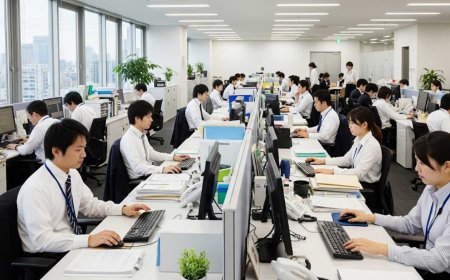
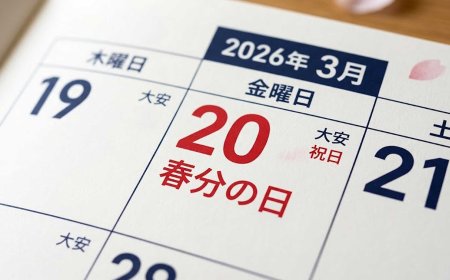
For many residents and visitors, the arrival of spring represents a fresh start. The Japanese fiscal year begins in April, schools welcome new students, and companies introduce new employees. Because of this, spring is not only a natural transition but also a symbolic beginning of new chapters in life.
The Energy and Brightness of Philippine Summers
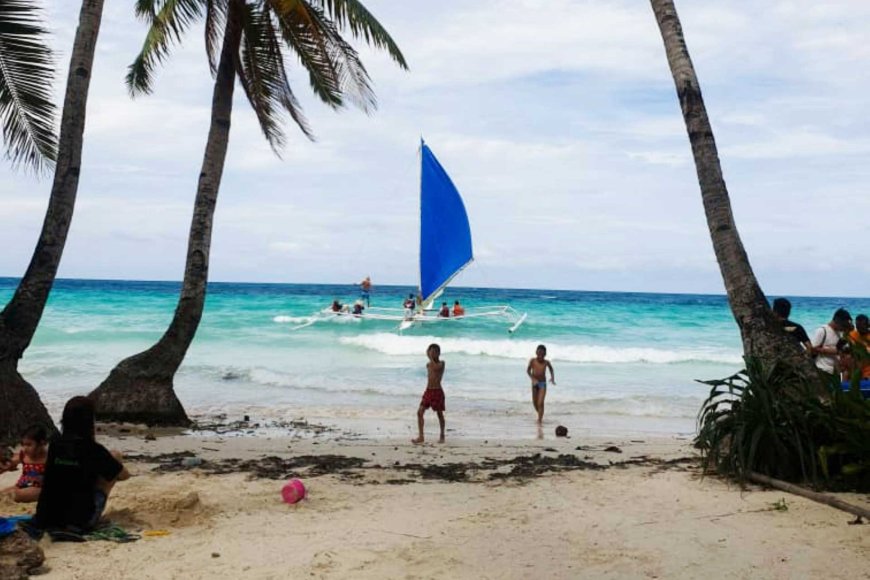
In contrast, summers in the Philippines are lively, colorful, and full of activity. The sun shines strongly across the islands, and the warm tropical weather invites people to travel, swim, and celebrate.
During the Philippine summer months, beaches become the center of life. Families travel to popular destinations such as Boracay, Palawan, or Cebu, while local communities hold festivals filled with music, dance, and food.
Summer in the Philippines is not quiet—it is joyful and vibrant. Children play outside for hours, friends gather for beach outings, and communities organize fiestas that celebrate local traditions.
The energy of Philippine summer reflects the warmth and hospitality of Filipino culture itself.
Nature’s Different Rhythms
The contrast between Japanese spring and Philippine summer also reflects the natural environments of the two countries.
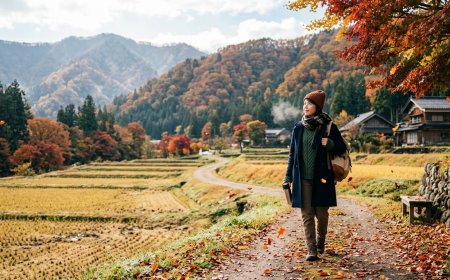
Japan has four very distinct seasons. Spring is part of a gradual cycle where winter transitions into warmer months through blooming flowers, green landscapes, and gentle rainfall. This gradual change encourages moments of appreciation for nature’s subtle transformations.
The Philippines, on the other hand, experiences a tropical climate with wet and dry seasons. Summer there is defined by clear skies, strong sunlight, and the call of the ocean. Instead of quiet parks and falling petals, the dominant scenery includes beaches, palm trees, and open blue skies.
Both environments offer beauty, but they express it differently.
Cultural Traditions Shaped by the Seasons
Seasonal differences influence cultural traditions in both countries.
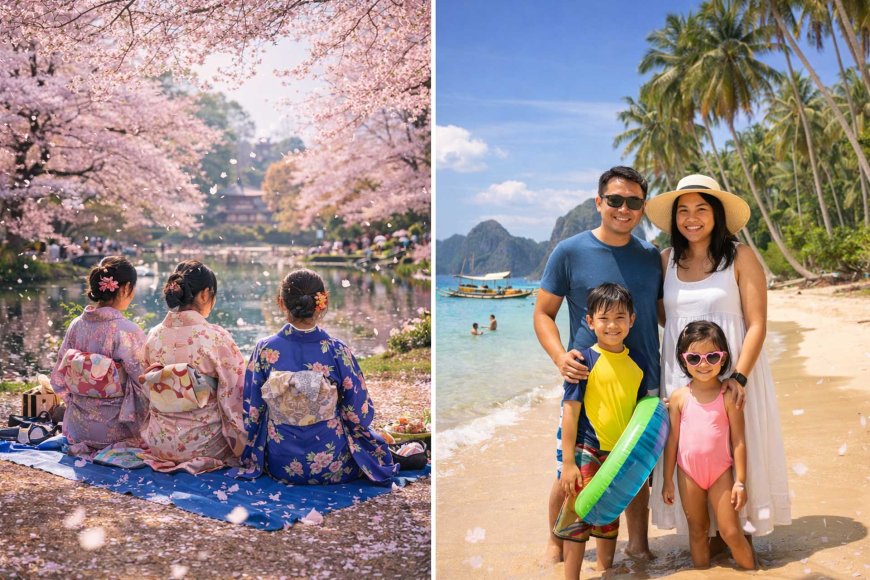
In Japan, spring traditions revolve around hanami, the practice of viewing cherry blossoms. Families, coworkers, and friends gather under sakura trees to eat, drink, and appreciate the fleeting beauty of the blossoms. The event carries a deeper meaning: a reminder that life is temporary and precious.
Meanwhile, Philippine summers bring festivals known as fiestas, which celebrate patron saints and local identity. Streets are decorated, parades fill the towns, and food is shared with neighbors and visitors alike.
While Japanese spring traditions emphasize reflection and appreciation of nature, Philippine summer celebrations highlight community, joy, and shared culture.
A Personal Reflection for Filipinos Living in Japan
For many Filipinos living in Japan, the arrival of spring can feel both beautiful and nostalgic.
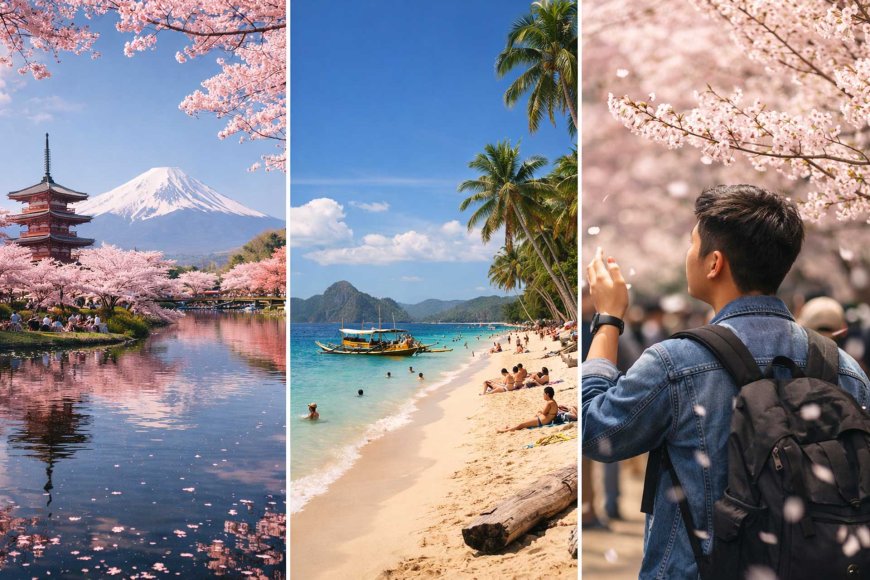
The peaceful atmosphere of cherry blossom season can remind them of how different life is from the Philippines. Instead of crowded beaches and loud celebrations, spring in Japan offers quiet walks under blooming trees and cool breezes that signal change.
Yet both seasons share a deeper similarity—they represent renewal and happiness.
Whether it is the calm pink petals of sakura drifting through the air or the golden sunlight over Philippine beaches, each season reflects the spirit of the people who experience it.
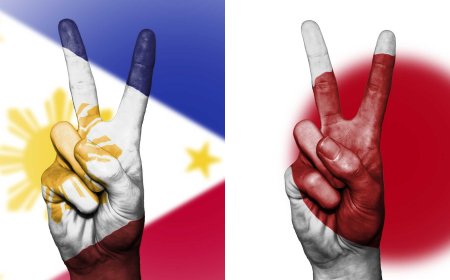
For Filipinos in Japan, spring can become a bridge between two cultures: appreciating Japan’s quiet beauty while remembering the vibrant summers back home.
Nipino.com is committed to providing you with accurate and genuine content. Let us know your opinion by clicking HERE.