






















































































Eco-Tourism in the Philippines: Sustainable Travel Practices
Eco-tourism in the Philippines is on the rise as travelers seek meaningful, nature-based experiences that preserve the environment and uplift local communities. From marine sanctuaries to mountain villages, the country offers countless eco-friendly destinations that showcase the beauty of the islands while promoting sustainability and conservation.
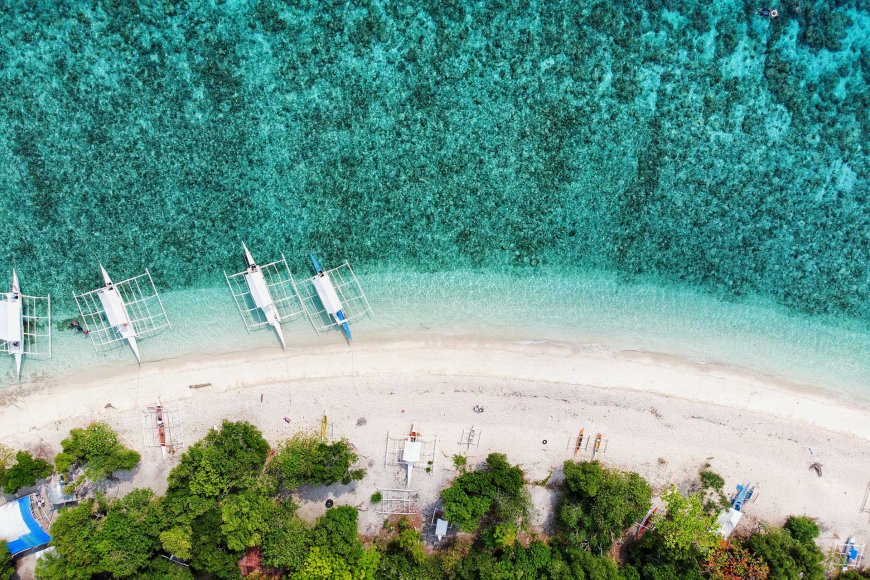
Why Eco-Tourism Matters in the Philippines
As one of the world’s most biodiverse countries, the Philippines boasts thousands of islands filled with tropical forests, coral reefs, and endemic species. However, with rising tourism, many popular destinations are struggling with pollution, overdevelopment, and resource depletion. This is where eco-tourism comes in — offering travelers a way to explore the country responsibly.
Eco-tourism in the Philippines is more than just visiting natural attractions; it emphasizes environmental sustainability, cultural preservation, and community empowerment. As a conscious traveler, you can help protect these precious ecosystems while enjoying an authentic, enriching experience.

Palawan: The Pioneer of Sustainable Tourism
Dubbed the "last ecological frontier" of the Philippines, Palawan is the poster child of eco-tourism. The province is home to two UNESCO World Heritage Sites — the Puerto Princesa Subterranean River National Park and the Tubbataha Reefs Natural Park.
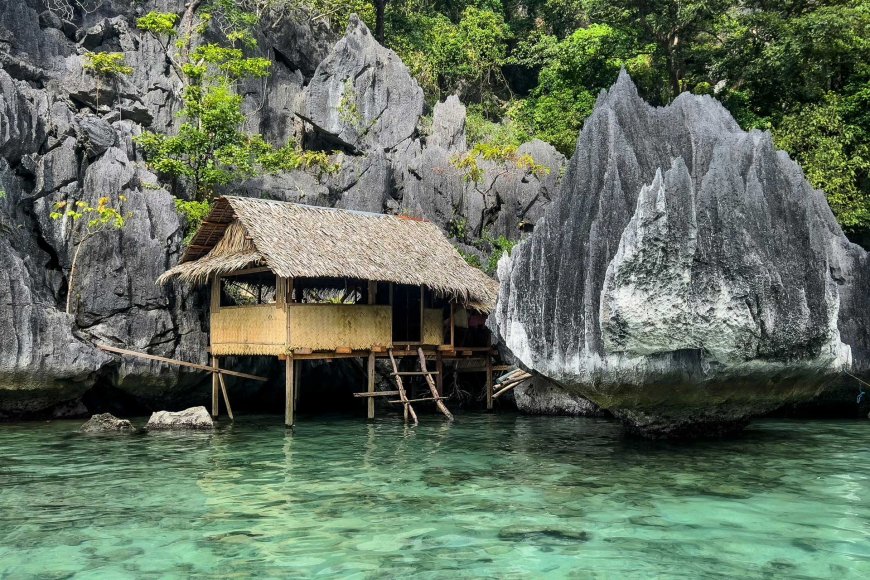
Local communities in Palawan have long adopted sustainable practices. In places like El Nido and Coron, eco-friendly accommodations are becoming the norm, with resorts implementing solar power, zero-waste kitchens, and coral reef restoration projects. Tour operators often educate guests about marine life conservation, helping travelers appreciate the environment without exploiting it.
Bohol: Promoting Conservation Through Culture
Bohol has emerged as a favorite for those interested in eco-cultural tourism. Beyond the iconic Chocolate Hills and tarsiers, the province offers immersive experiences in places like Bilar Eco Park and the Loboc River.
Visitors can join mangrove planting activities, bamboo raft tours, and even stay in eco-lodges operated by local families. The province’s efforts to balance tourism and environmental protection have turned it into a model for sustainable tourism development.
Siargao: Balancing Tourism and Preservation
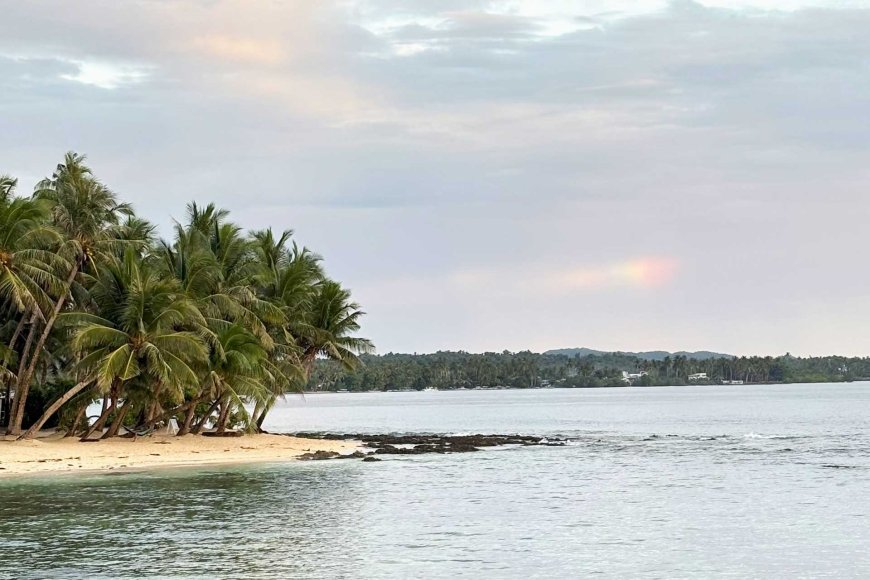
Known as the surfing capital of the Philippines, Siargao has also become a hub for green tourism. After rapid growth in the past decade, local stakeholders are working to manage the environmental impact of tourism.
Efforts include plastic bans, coastal cleanups, and strict waste management systems. Community-led tours to offbeat spots like Sugba Lagoon and Sohoton Cove educate visitors on the need to preserve these pristine waters.
Sagada: Mountain Eco-Adventure with a Cultural Twist
Located in the Cordillera region, Sagada attracts travelers with its misty mountains, limestone caves, and cultural heritage. Here, eco-tourism is deeply intertwined with indigenous traditions and nature conservation.
Tour guides are local Kankanaey people trained to share the history of hanging coffins, rice terraces, and forest trails. The community strictly regulates tourism flow to prevent overcrowding and protect sacred sites. Homestays and eco-lodges add to the sustainable vibe of the destination.

Apo Island: A Marine Sanctuary Success Story
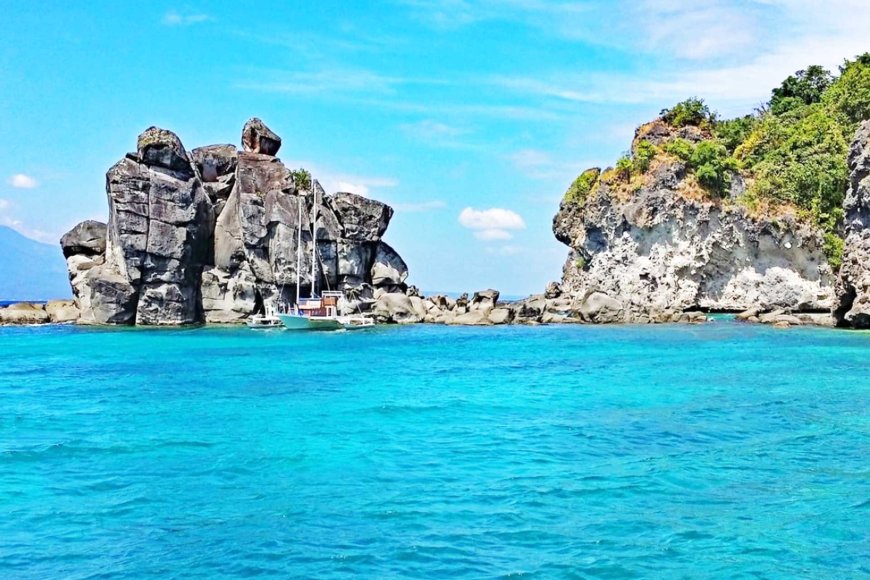
Off the coast of Negros Oriental lies Apo Island, one of the best examples of successful marine conservation through tourism. Once overfished, the island turned its coral reefs into a protected marine sanctuary managed by local stakeholders.
Today, it’s a world-class snorkeling and diving destination where sea turtles swim freely and coral gardens thrive. Visitors contribute to conservation through entrance fees, guided eco-tours, and reef-friendly tourism practices.
Best Practices for Eco-Friendly Travel in the Philippines
Being an eco-conscious traveler in the Philippines means making thoughtful choices. Here are practical tips:
- Support locally-owned eco-lodges and community-based tourism operators.
- Say no to single-use plastics and bring reusable water bottles and containers.
- Choose ethical wildlife experiences — avoid places that exploit animals for entertainment.
- Participate in beach or trail cleanups organized by local NGOs or guides.
- Respect local customs and contribute to cultural preservation through responsible engagement.
Government and NGO Initiatives Supporting Eco-Tourism
Organizations like the Department of Tourism (DOT) and DENR (Department of Environment and Natural Resources) are working together to implement “Green Travel” initiatives.
Programs like “Sustainable Tourism Development Project” and “Ecotourism Sites Enhancement” aim to train communities, fund infrastructure, and promote eco-friendly policies across the country. NGOs and private groups like WWF-Philippines also partner with local communities to monitor environmental impact and provide livelihood alternatives.

Travel That Heals, Not Harms
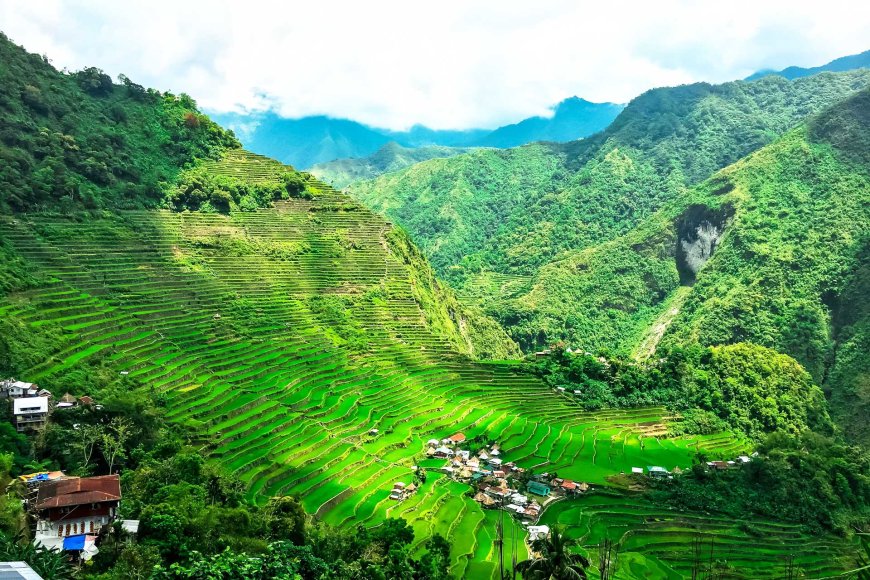
Eco-tourism in the Philippines is a necessary shift toward protecting what makes the archipelago so special. Whether you're hiking through Ifugao's rice terraces or diving in Sulu’s turquoise waters, your travel choices can make a positive impact.
By embracing sustainable tourism practices, you not only enjoy the country’s incredible biodiversity but also help preserve it for future generations.
Nipino.com is committed to providing you with accurate and genuine content. Let us know your opinion by clicking HERE.