

























Celebrating Filipino-Japanese Heritage in Summer
Summer in both the Philippines and Japan is a time of vibrant cultural celebration, and for Filipino-Japanese communities, it’s a season of embracing dual identity. From shared festivals and food to deeper traditions and values, celebrating Filipino-Japanese heritage during summer strengthens bonds, honors ancestry, and creates unforgettable memories for the next generation.

A Season of Dual Celebration
Summer offers the perfect backdrop for Filipino-Japanese individuals and families to express their rich bicultural identity. Both the Philippines and Japan have deep-rooted traditions that come alive during the warmer months—from Obon and Tanabata in Japan to Flores de Mayo and town fiestas in the Philippines.
Celebrating Filipino-Japanese heritage in summer means enjoying the best of both worlds. It’s not just about fun in the sun but a soulful journey through two histories, two cultures, and two sets of memories that weave a unique and beautiful narrative.

Summer Festivals: A Fusion of Color and Culture
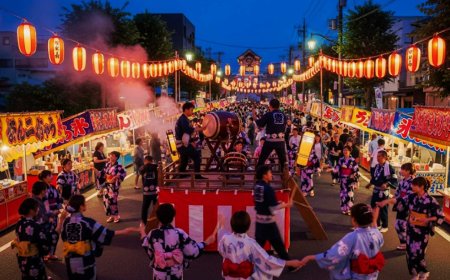
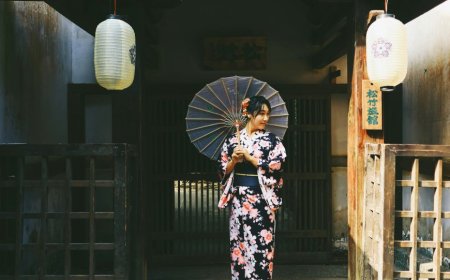
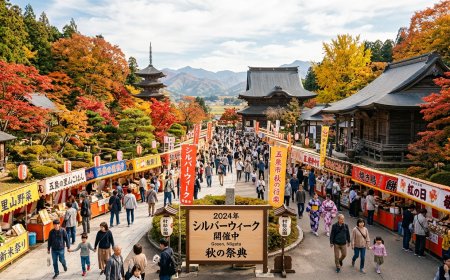
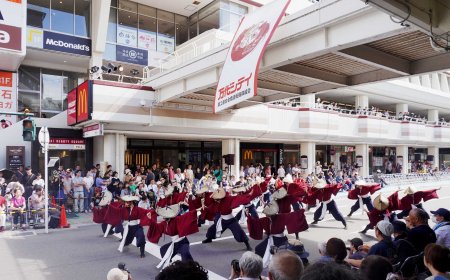
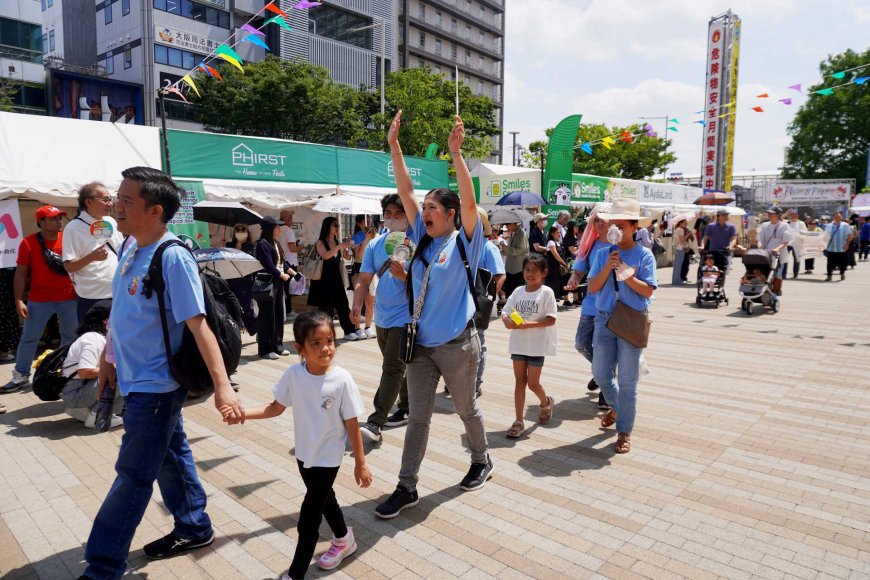
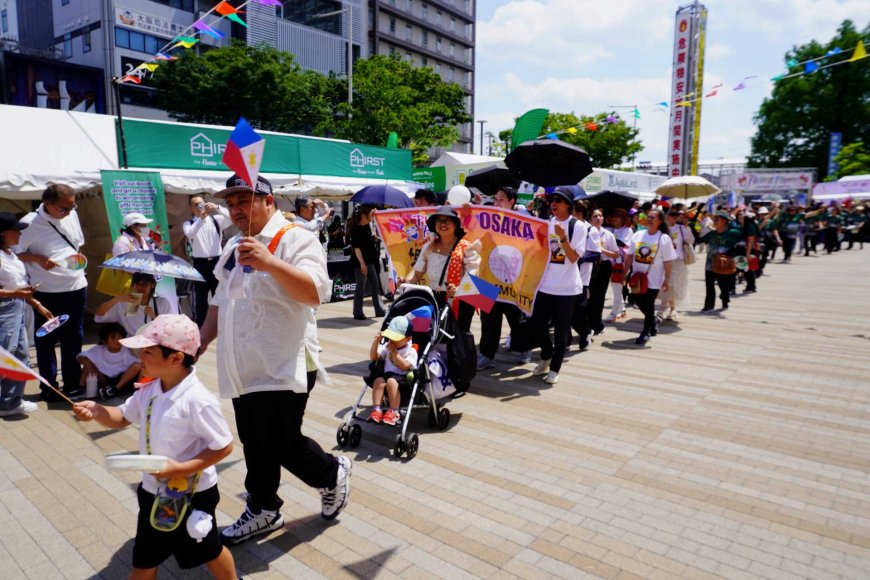
One of the most beautiful ways Filipino-Japanese heritage shines in summer is through community festivals and events. Filipino communities in Japan often organize summer gatherings, combining traditional Filipino elements like lechon, harana music, and santacruzan processions with Japanese summer traditions like matsuri dancing, yukata wearing, and hanabi (fireworks).
These events aren’t just fun—they serve as living proof of cultural unity. Children raised in mixed households get to see their two worlds blend into one, while older generations are reminded of their roots and given space to celebrate their identity with pride.

Food, Family, and the Flavors of Two Worlds
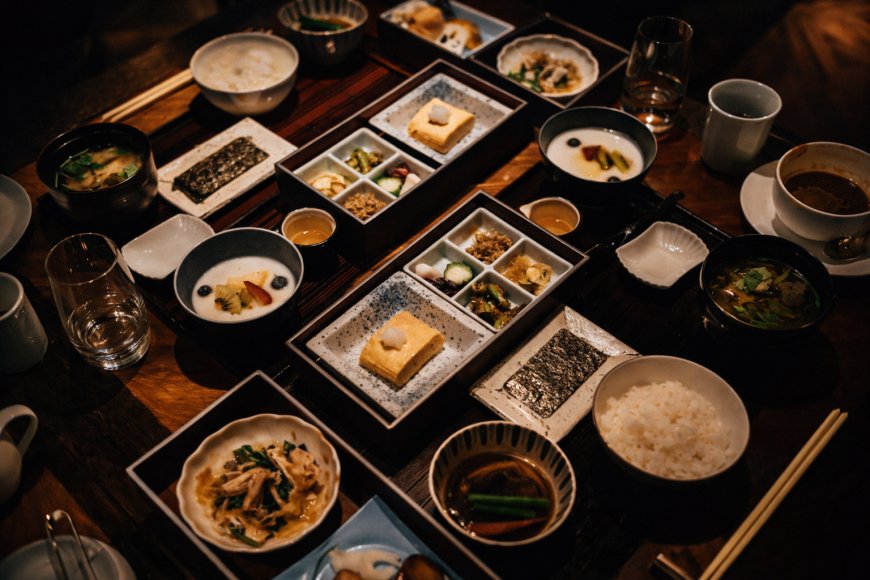
Food is always central in both Filipino and Japanese celebrations, and summer is a delicious time for cultural expression. Imagine a summer BBQ featuring both yakitori and inihaw na baboy, or a dessert table with halo-halo next to kakigori.
Filipino-Japanese families often pass down recipes that are fusion by nature—adobo sushi rolls, miso sinigang, or teriyaki-flavored lumpia. Summer gatherings become more than just meals; they are edible stories passed down with love, seasoning, and shared laughter.
Bridging the Generational and Cultural Gap
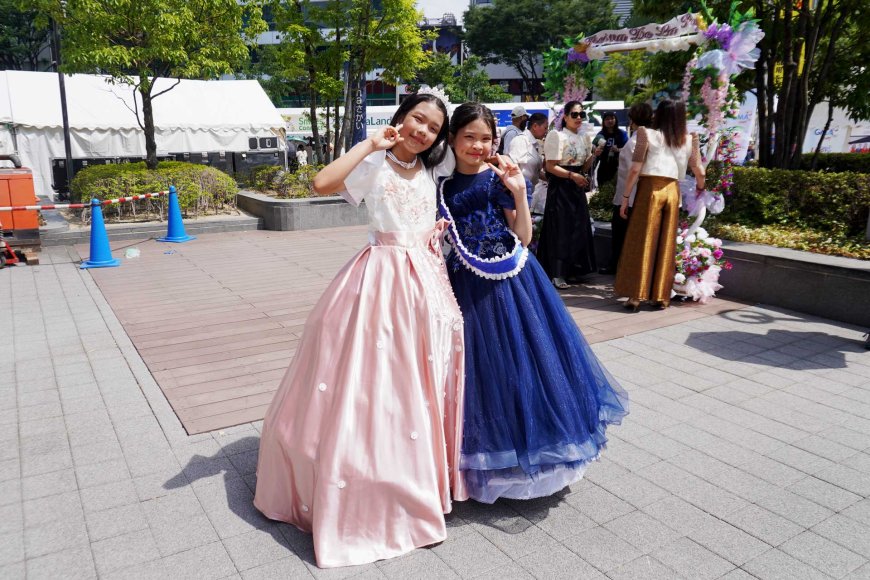
Celebrating heritage in the summer is also about educating younger generations. Filipino-Japanese children often grow up with questions about who they are and where they belong. Summer offers the freedom and flexibility to dive into workshops, cultural camps, and storytelling sessions—opportunities to learn about both Filipino and Japanese history, language, and customs.
This season of celebration becomes a bridge between generations. Grandparents tell tales of provinces or post-war Tokyo, while parents ensure both Tagalog and Nihongo are spoken at home. Culture lives on not through textbooks but through experiences that stick—like learning tinikling barefoot in the grass or writing tanzaku wishes under the stars.
Love, Identity, and Finding a Home in Two Cultures
For many in the Filipino-Japanese community, embracing a bicultural identity comes with challenges—feeling out of place in one country or misunderstood in another. But summer celebrations offer a rare space where those dual identities are celebrated, not questioned.
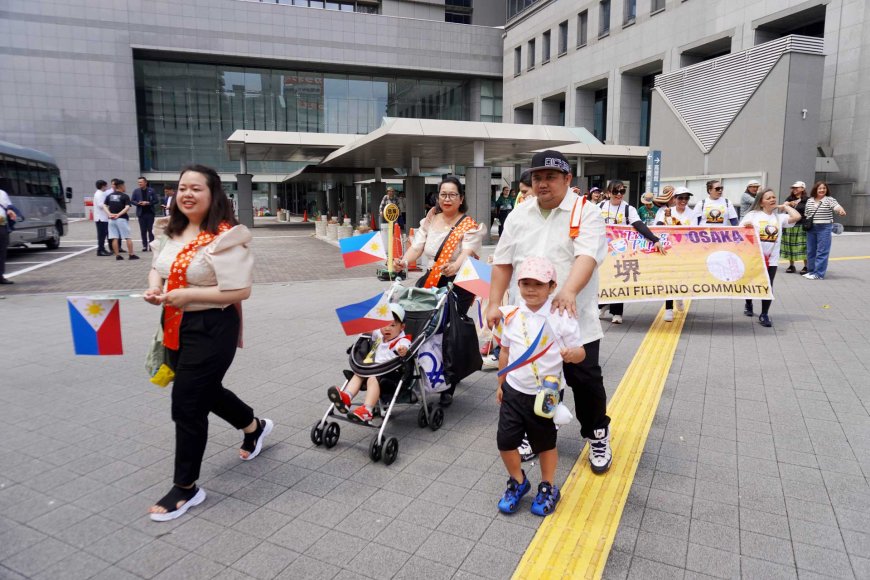
Being Filipino-Japanese means being adaptable, multilingual, and resilient. In summer, this strength shines in simple moments—laughing with cousins over takoyaki, dancing in parades under the sun, or hearing both national anthems at a community event. It's about finding peace in your multicultural skin and realizing that you don't have to choose one culture over the other—you are beautifully both.
Community, Belonging, and Building a Future Together
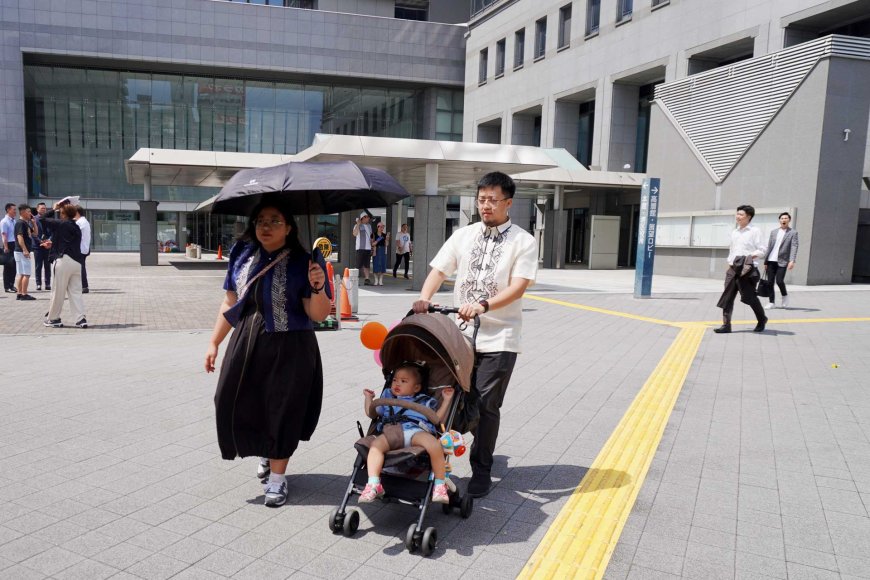
As more multicultural families grow in Japan and Filipinos continue to establish strong roots in the country, summer becomes a chance to build and strengthen community. Events organized by Filipino-Japanese associations, NGOs, or religious groups give families a chance to network, support one another, and celebrate together.
These moments contribute to a stronger future. Kids who see their parents proudly celebrating their heritage are more likely to embrace their own identities. Young adults who volunteer at these events grow into leaders who promote diversity, inclusion, and cultural pride.
Why Summer Celebrations Matter
In the end, celebrating Filipino-Japanese heritage in summer is not just about events or activities—it’s about remembering who you are and where you come from. It's a tribute to the courage of those who migrated and the creativity of those who blended two cultures into one beautiful life.
Summer, with its warmth and freedom, becomes the perfect time to honor that journey. Whether it’s a small family barbecue or a large-scale festival, every celebration is a statement: We are here. We belong. And we celebrate both of our cultures with pride.
Nipino.com is committed to providing you with accurate and genuine content. Let us know your opinion by clicking HERE.