























































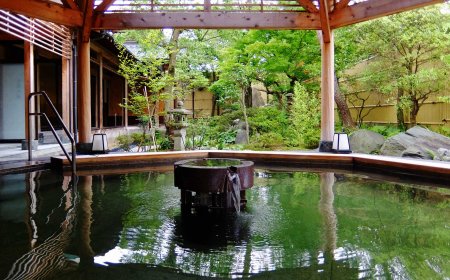
































Palawan: The Center of Eco-Tourism in the Philippines
Palawan, a tropical paradise in the Philippines, is known for its breathtaking landscapes, crystal-clear waters, and thriving eco-tourism initiatives. It should be on every traveler's bucket list to experience its natural wonders and experience it responsibly.
Why Palawan Stands Out in the Philippines
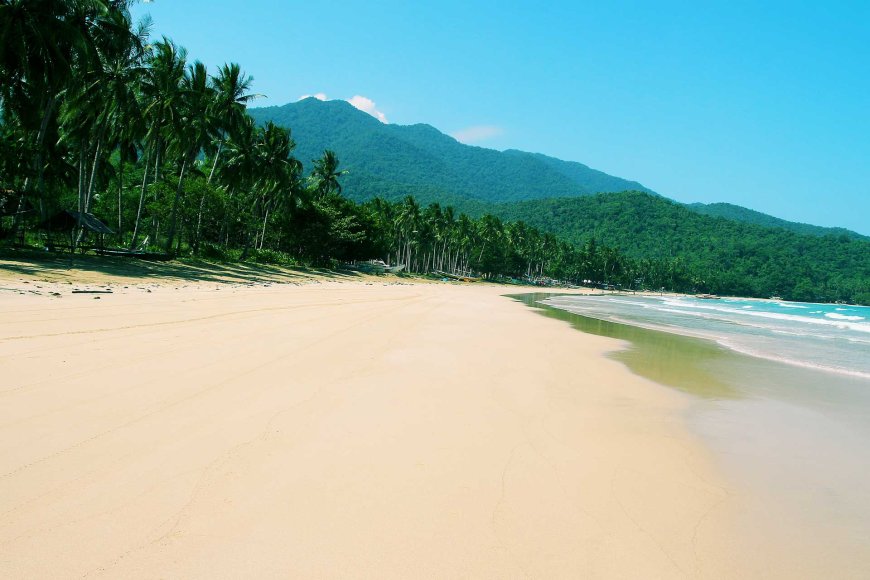
Among the 7,000+ islands in the Philippines, Palawan consistently earns top global rankings for its unmatched natural beauty. Known as the “Last Ecological Frontier” of the Philippines, Palawan is home to diverse marine life, lush rainforests, and UNESCO World Heritage Sites. Whether you’re seeking serene beaches, thrilling adventures, or sustainable tourism experiences, Palawan delivers them all.
As one of the most iconic destinations in the Philippines, Palawan is more than just a vacation spot—it’s a model for conservation, community-driven tourism, and sustainable development.
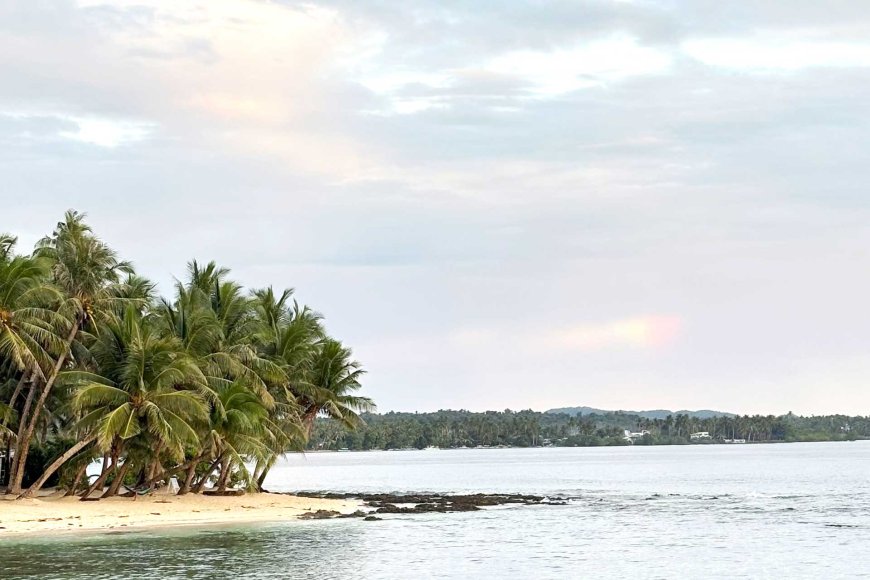
El Nido: Gateway to Jaw-Dropping Lagoons and Hidden Beaches
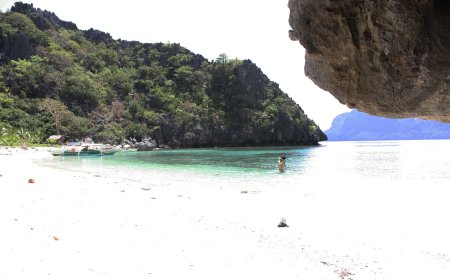
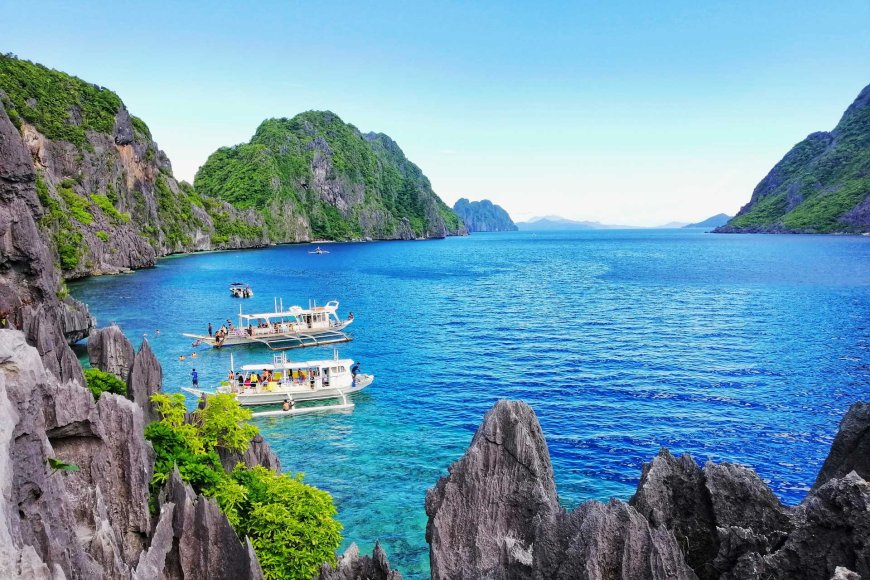
Located in northern Palawan, El Nido is famous for its dramatic limestone cliffs, hidden lagoons, and island-hopping tours. Tour packages (Tour A, B, C, and D) let visitors explore destinations like Big Lagoon, Small Lagoon, Secret Beach, and Shimizu Island. These tours are strictly regulated to maintain ecological balance, with visitor caps and mandatory guides.
While in El Nido, travelers can also enjoy kayaking, snorkeling, and scuba diving, offering a close look at thriving coral reefs and exotic marine species. Sustainable accommodations—like solar-powered resorts and eco-friendly hostels—ensure your stay leaves minimal environmental impact.
Puerto Princesa: A UNESCO-Protected Underground Wonder
No trip to Palawan is complete without visiting the Puerto Princesa Subterranean River National Park, one of the New 7 Wonders of Nature. This 8.2-kilometer underground river winds through a stunning limestone cave system, home to stalactites, bats, and rare species of fish and crustaceans.
Puerto Princesa, the capital of Palawan, also promotes sustainable practices like zero-waste tourism, bamboo straws, and community-based eco-tours. The city offers a mix of cultural immersion and environmental education, perfect for travelers seeking responsible tourism in the Philippines.
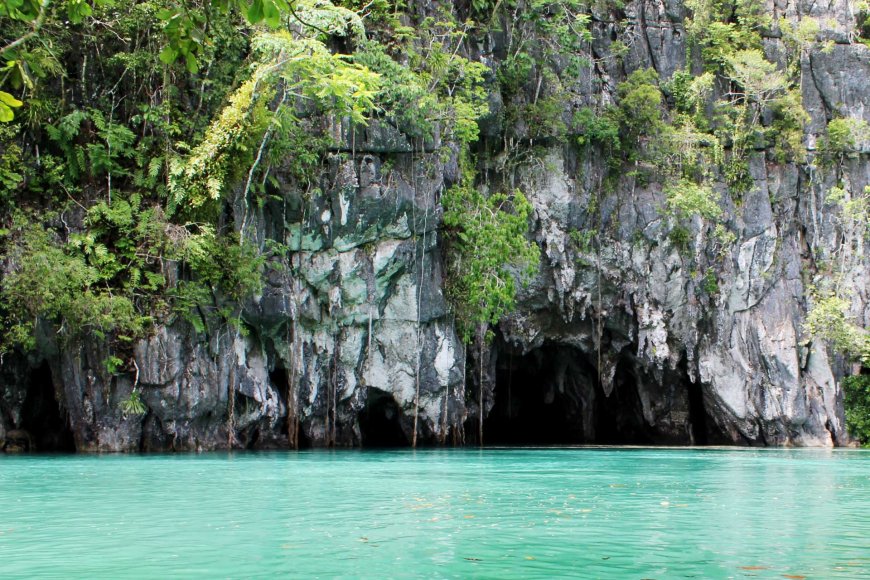
Coron: Diving into Shipwrecks and Lake Mysteries
Coron appeals especially to scuba divers and history enthusiasts. Known for its World War II Japanese shipwrecks, Coron is considered one of the best wreck diving sites in the world. The town also offers access to Kayangan Lake, often dubbed the cleanest lake in the Philippines, and Barracuda Lake, famous for its thermocline diving.
Tourism in Coron is regulated to avoid overcrowding and coral reef damage. Community-led marine sanctuaries and local diving schools actively promote reef conservation and responsible marine tourism.
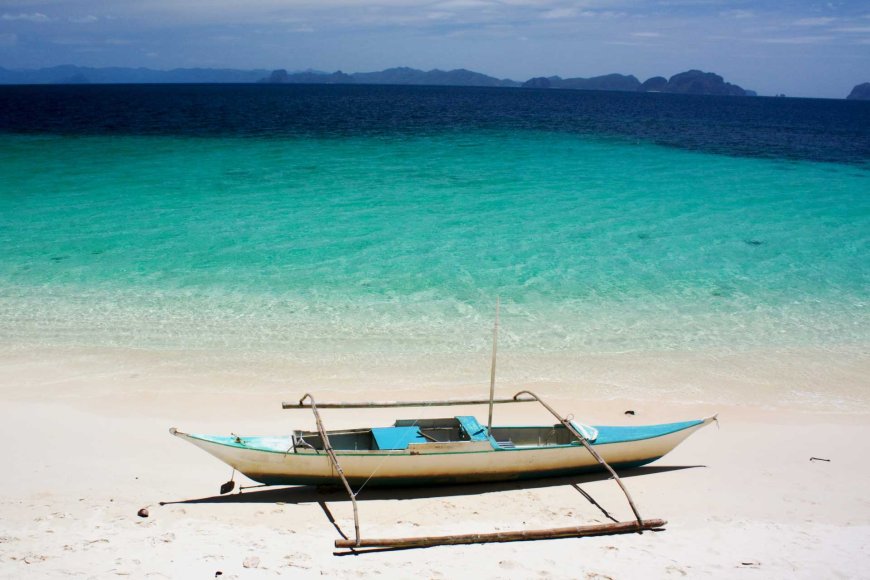
Port Barton: Off-the-Beaten-Path Relaxation
For those looking to escape the crowds, Port Barton offers a laid-back vibe with fewer tourists and equally stunning natural beauty. Here, you can enjoy peaceful beaches, friendly locals, and quiet island hopping with fewer boats. It’s one of the hidden gems in the Philippines for nature lovers and digital nomads.
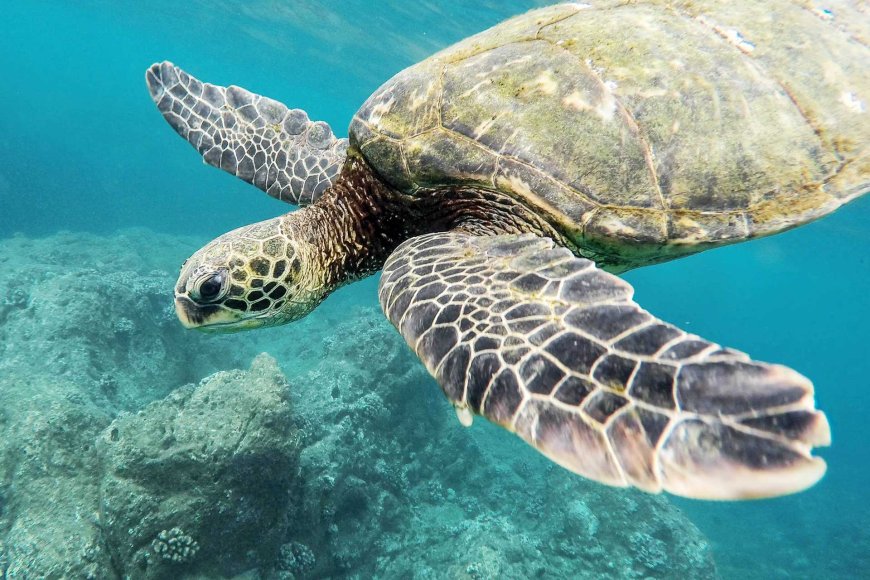
Electricity is limited to certain hours, and plastic use is discouraged—perfect for eco-conscious travelers. Activities include snorkeling with sea turtles, waterfalls trekking, and enjoying a truly rustic island experience.
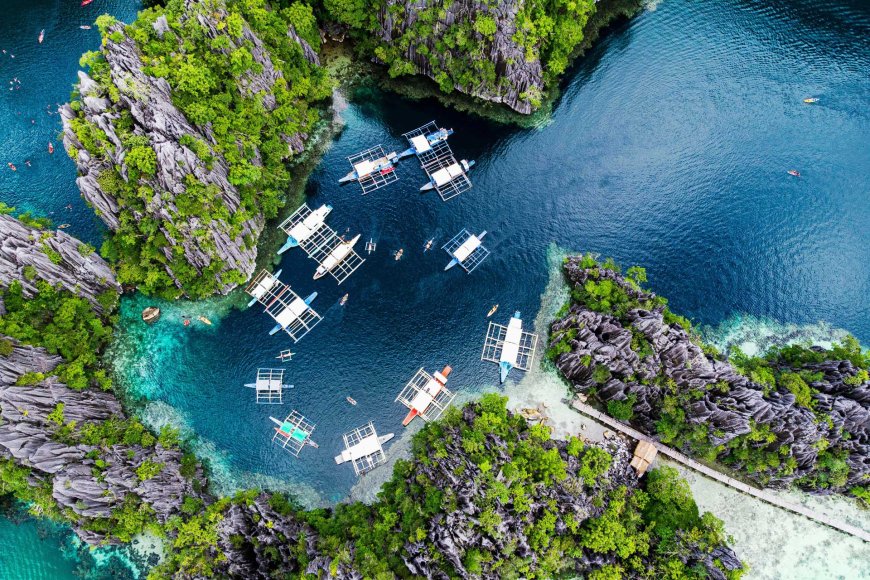
Sustainable Tourism: Protecting Paradise
What makes Palawan truly special is its commitment to sustainable and responsible tourism. The local government, along with NGOs and international partners, implements strict regulations on waste management, marine protection, and wildlife conservation.
Hotels and tour operators across Palawan increasingly adopt eco-certifications, use renewable energy, and support local employment. Tourists are encouraged to follow the Leave No Trace principle, bring reusable containers, and support businesses with sustainable practices.
Palawan’s success proves that tourism in the Philippines can thrive without compromising environmental values.
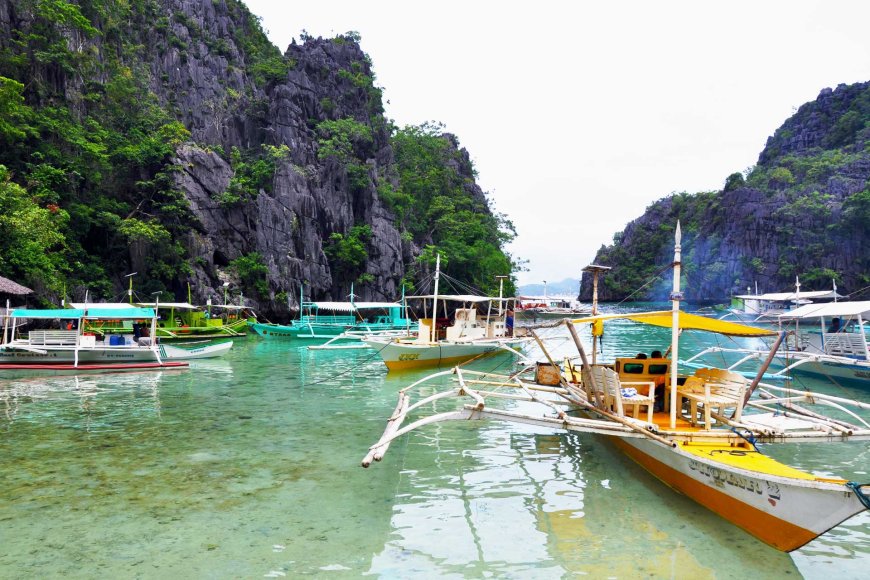
Local Culture and Cuisine
Palawan is also a cultural melting pot, home to indigenous groups like the Tagbanua and Palaw’an tribes. Cultural immersion tours allow you to learn about traditional fishing, weaving, and forest rituals.
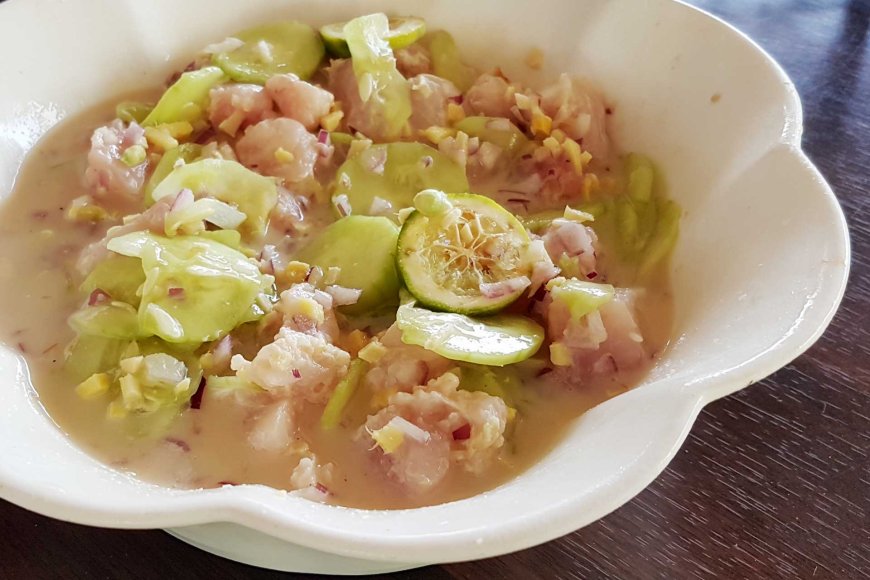
Local dishes like tamilok (woodworm delicacy), kinilaw (Filipino ceviche), and coconut-based stews reflect the island’s rich biodiversity. Many eco-resorts source ingredients from nearby organic farms, reinforcing the island’s farm-to-table movement.
How to Get There and Best Time to Visit
Palawan is accessible by air via Puerto Princesa Airport, El Nido Airport, or Busuanga Airport (Coron). Ferries also operate between key islands.
The best time to visit Palawan is from November to May, during the dry season. Avoid the rainy months (June to October) when boat tours are often canceled due to rough seas.
Why Palawan Should Be on Your Bucket List
Palawan is a shining example of what sustainable tourism should look like in the Philippines. Its crystal-clear waters, ecological diversity, and community-driven initiatives make it a must-visit for responsible travelers.
Whether you're an adventurer, a nature lover, or someone seeking peace in paradise, Palawan offers something for everyone—while preserving its beauty for future generations.
Call to Action:
Planning your trip to Palawan? Make it meaningful by choosing eco-friendly accommodations, supporting local businesses, and traveling responsibly. Let your adventure in the Philippines leave a positive footprint.
Nipino.com is committed to providing you with accurate and genuine content. Let us know your opinion by clicking HERE.