

















































































Sagada: The Tranquil Charm of the Mountain Province
In the Cordillera Mountains in the Philippines, Sagada offers a refreshing escape with its natural wonders, rich traditions, and serene atmosphere.

A Hidden Gem in the Philippines
Sagada, located in the Mountain Province in Northern Luzon, is a small town renowned for its misty mountains, ancient traditions, and peaceful ambiance. Unlike mainstream tourist destinations, Sagada remains relatively untouched, offering visitors a unique experience of the Philippines’ cultural and natural treasures.
Accessible via an approximately 12-hour scenic drive from Manila or through Baguio and Banaue, Sagada draws travelers who seek spiritual refreshment, adventure, and cultural immersion. Whether you're hiking through echoing valleys or tasting native coffee, Sagada promises a memorable and soulful journey.
Hanging Coffins of Echo Valley
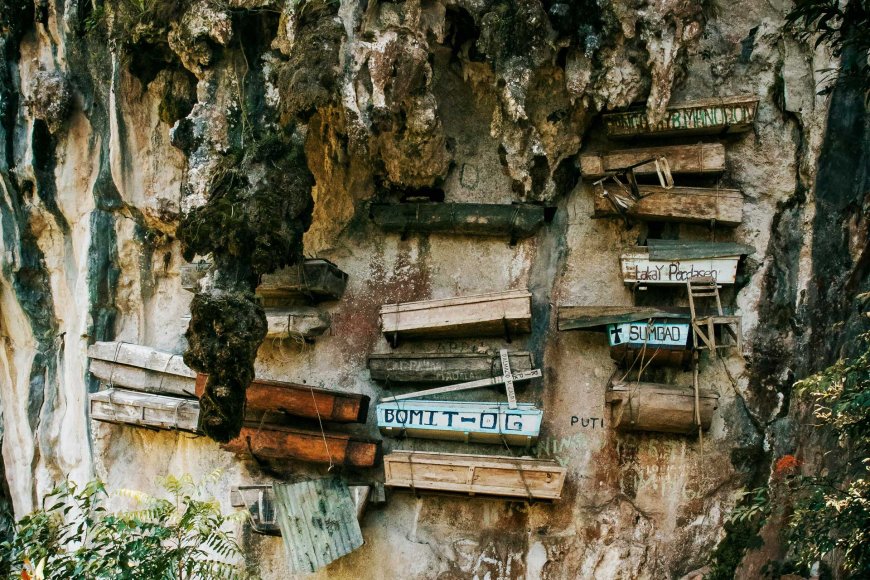
One of the most iconic attractions in Sagada in the Philippines is the Hanging Coffins of Echo Valley. This traditional burial practice, unique to the Igorot people, involves suspending wooden coffins on cliffside rock faces to bring the dead closer to ancestral spirits.
Visitors can take a short trek from the town center to Echo Valley, passing through a scenic graveyard and lush forest trails. As you stand beneath the hanging coffins, you’ll feel a deep sense of reverence for the centuries-old customs that continue to shape Sagada’s cultural identity.
Sumaguing Cave Adventure
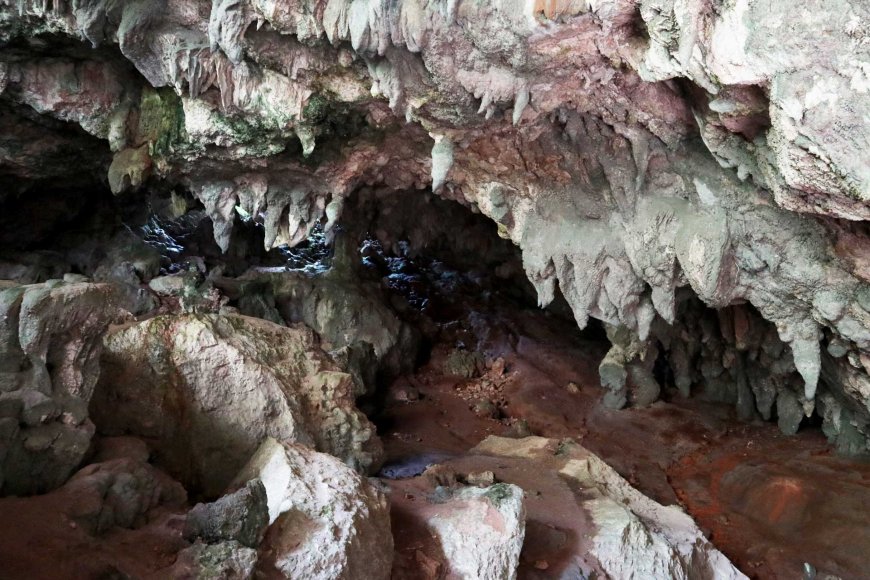
Sumaguing Cave, often referred to as the "Big Cave," is a must-see for thrill-seekers and spelunking enthusiasts. With its massive chambers, awe-inspiring limestone formations, and cold underground pools, Sumaguing Cave offers one of the best caving experiences in the Philippines.
Guided tours are required, as the cave’s slippery rocks and narrow passages can be treacherous without a local expert. Whether you’re crawling through tight tunnels or gazing at sparkling stalactites, Sumaguing Cave provides a thrilling encounter with Sagada’s subterranean beauty.
Marlboro Hills and Blue Soil
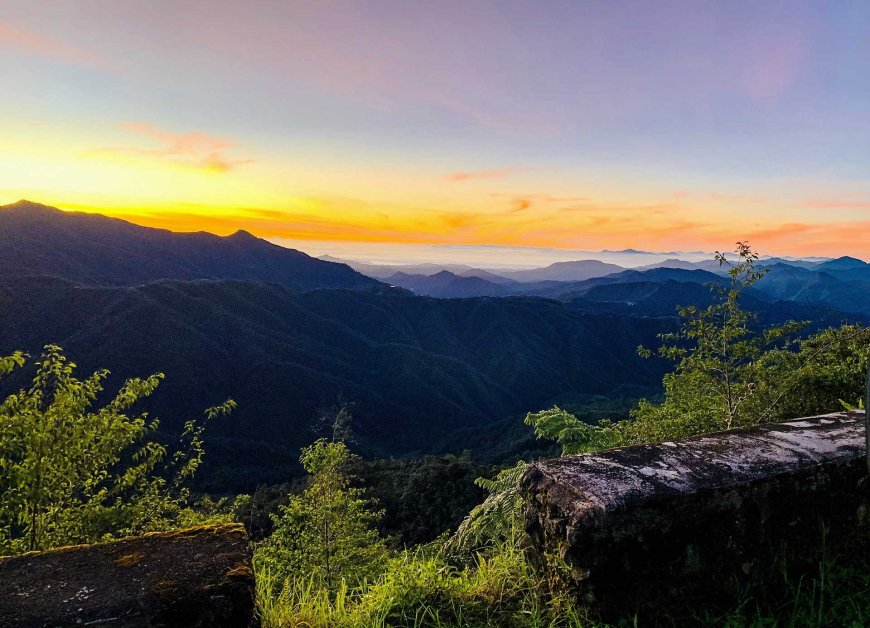
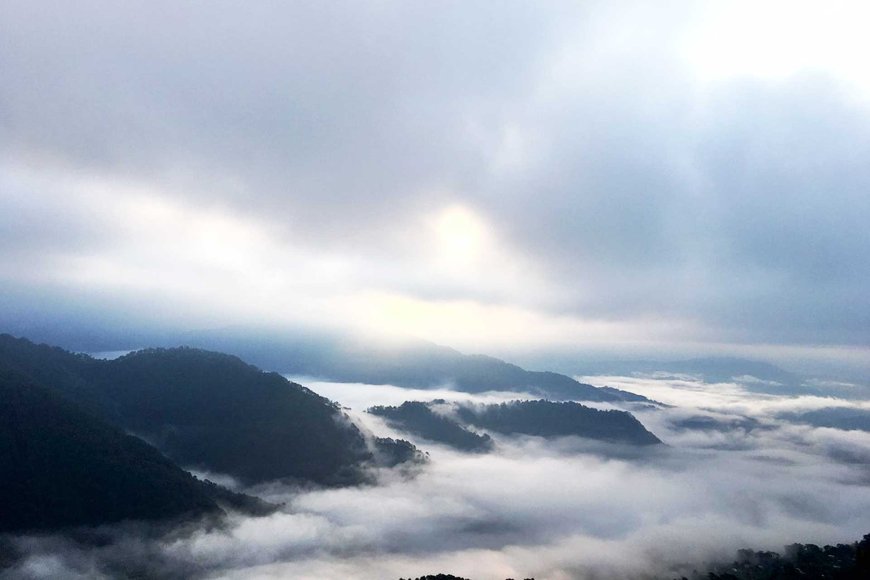
A popular early morning trek in Sagada is the hike to Marlboro Hills, where you can witness the awe-inspiring “sea of clouds” phenomenon. As the sun rises over the Cordilleras, clouds blanket the valleys below, creating a surreal and magical landscape.
Near Marlboro Hills is the Blue Soil, a stretch of vividly blue-tinted earth caused by natural mineral deposits. The hike takes around 3–4 hours round trip and showcases some of the most breathtaking views in the Philippines.
Sagada Weaving and Local Craftsmanship
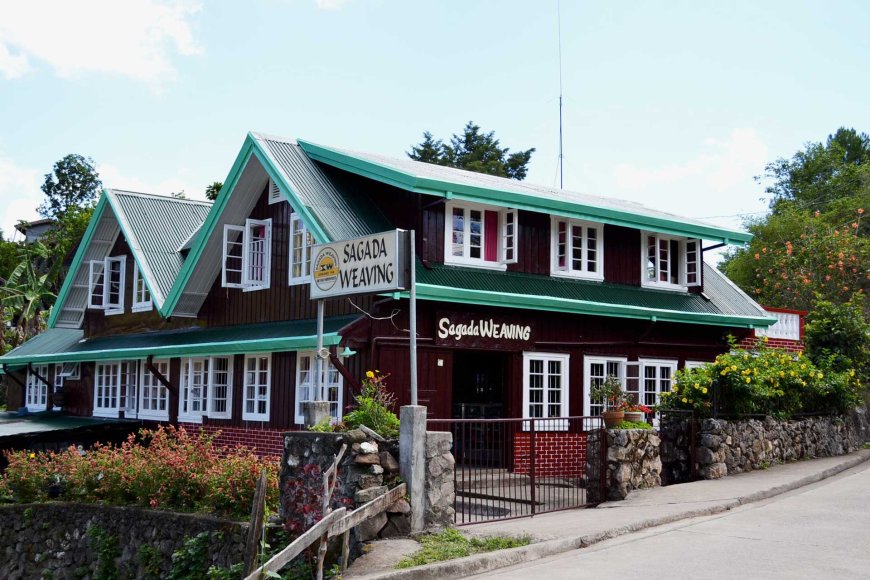
Sagada is home to a thriving tradition of weaving that reflects the rich cultural heritage of the Cordillera people. Sagada Weaving, a local enterprise established in 1968, offers handwoven bags, garments, and souvenirs made using traditional backstrap looms.
By visiting their workshop or purchasing local products, travelers can help sustain indigenous crafts and livelihoods. The colorful geometric patterns woven into each piece tell stories passed down through generations—making them meaningful mementos from your trip to Sagada in the Philippines.
Coffee Culture and Culinary Delights
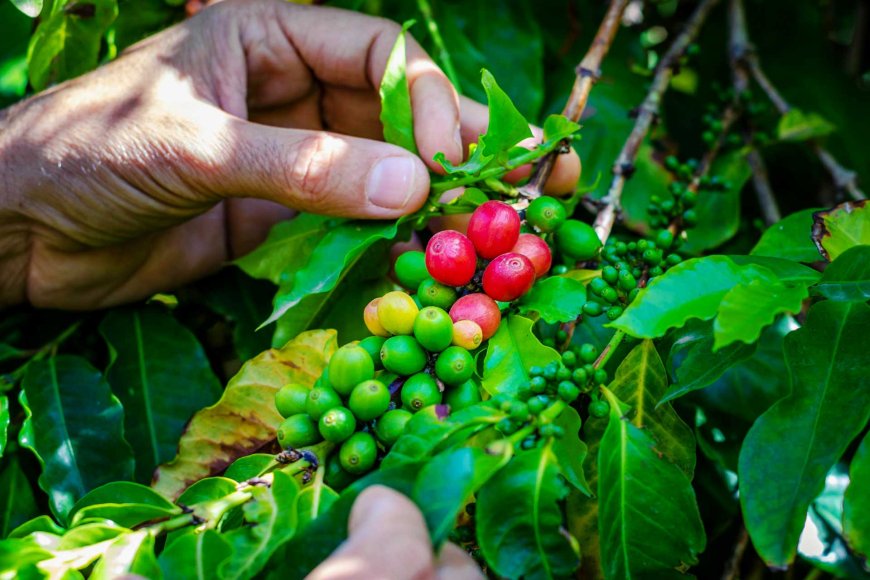
Sagada’s cool climate and high altitude make it ideal for growing Arabica coffee beans. Local cafés like Sagada Brew and Gaia Café serve rich, homegrown coffee alongside traditional Cordilleran dishes such as “etag” (smoked pork) and pinikpikan (a native chicken stew).
Savoring a cup of Sagada coffee with panoramic views of the mountains is an essential part of the experience. Many local coffee farmers now engage in sustainable and organic farming, supporting eco-tourism in the Philippines.
Sustainable Tourism in Sagada
Tourism in Sagada is community-managed, with local guides and businesses at the forefront of promoting sustainable practices. The town has maintained strict regulations on environmental protection and cultural respect, such as banning loud parties, regulating access to sacred sites, and encouraging eco-friendly behavior.
Visitors are encouraged to follow local customs, hire licensed guides, avoid leaving trash on trails, and support community-based initiatives. Sagada stands as a model for responsible tourism in the Philippines, proving that it’s possible to explore while preserving culture and nature.
When to Visit Sagada
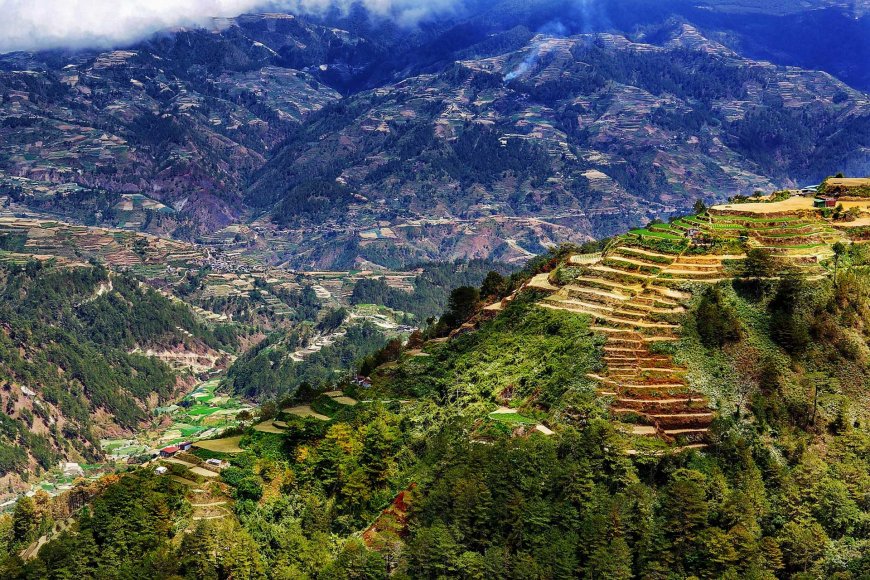
The best time to visit Sagada is during the dry season from November to May, when the weather is cool and trails are safer for trekking. If you're interested in witnessing the sea of clouds or participating in local festivals such as the Panag-apoy (an All Saints’ Day ritual), plan your trip accordingly.
Accommodations range from homestays to eco-lodges, offering a variety of choices for all types of travelers. Booking in advance is recommended during peak seasons and holidays.
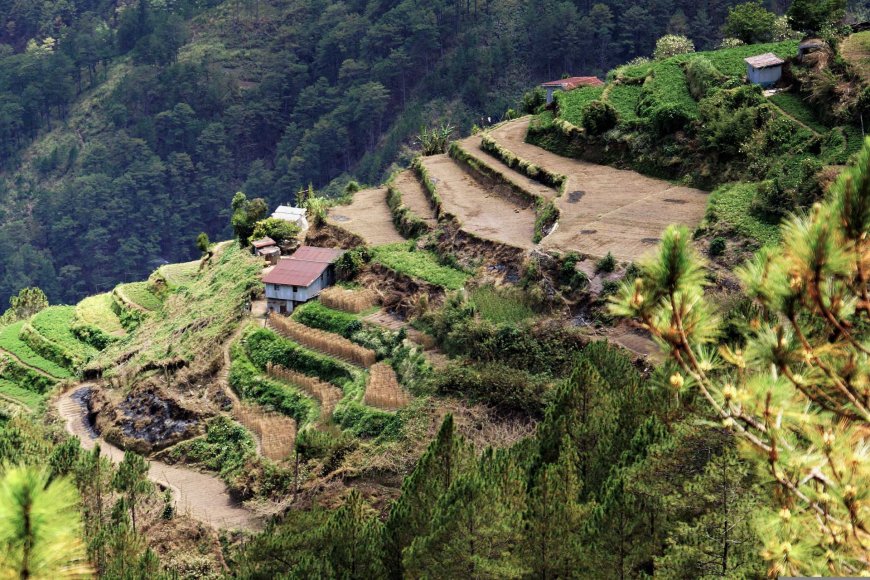
Reconnect with Nature and Heritage
Sagada in the Philippines is more than just a destination—it’s a place where travelers can reconnect with nature, learn from ancient customs, and experience the warmth of a mountain community. From the hanging coffins to mountain sunrises, every corner of Sagada holds a story worth discovering.
By choosing to travel mindfully and support local efforts, you help preserve this peaceful paradise for future generations. Sagada invites you not just to visit, but to feel, reflect, and grow.
Nipino.com is committed to providing you with accurate and genuine content. Let us know your opinion by clicking HERE.