









































































Healthy Japanese Eating Habits Filipinos Can Adopt
Japanese eating habits have long been praised for promoting longevity, balanced nutrition, and overall wellness. By adopting these practices, Filipinos can enjoy healthier lifestyles without sacrificing flavor or cultural food traditions.
Embracing a Balanced and Seasonal Diet
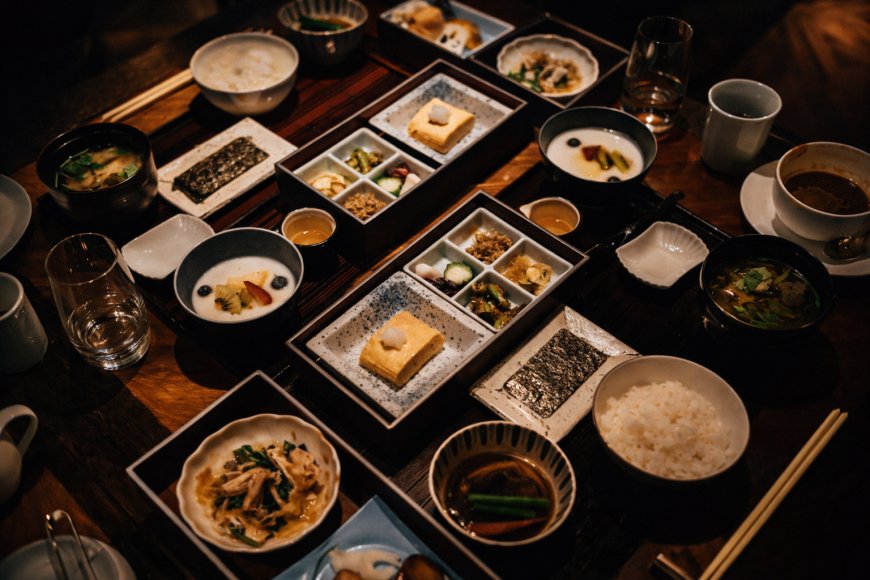
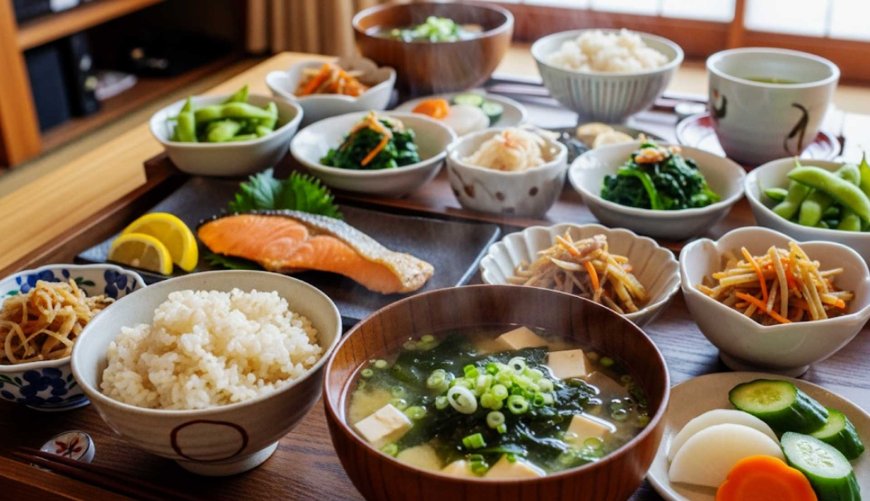
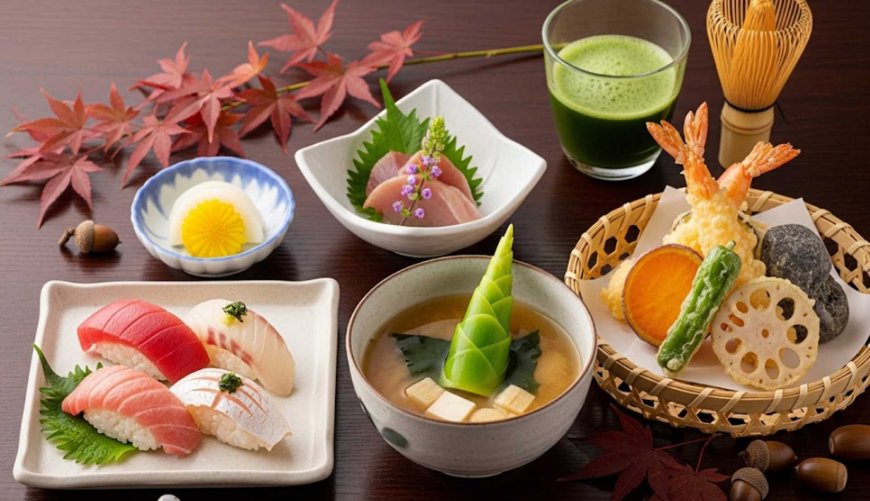
One of the core principles of healthy Japanese eating is balance. Traditional Japanese meals follow the concept of ichiju-sansai (one soup, three dishes), which ensures a variety of nutrients in every meal. This usually consists of rice, miso soup, a protein dish (like grilled fish), and two vegetable side dishes.
Japanese cuisine also heavily emphasizes eating seasonal produce. For example, bamboo shoots in spring, watermelon in summer, sweet potatoes in autumn, and daikon radish in winter. Eating seasonally not only provides fresher flavors but also supports the body’s natural nutritional needs during specific times of the year.
For Filipinos, this could mean creating meal plans that incorporate local seasonal vegetables and fruits, ensuring freshness and affordability. Replacing processed snacks with seasonal fruits or freshly cooked vegetables is a simple but impactful step.
Portion Control and Mindful Eating
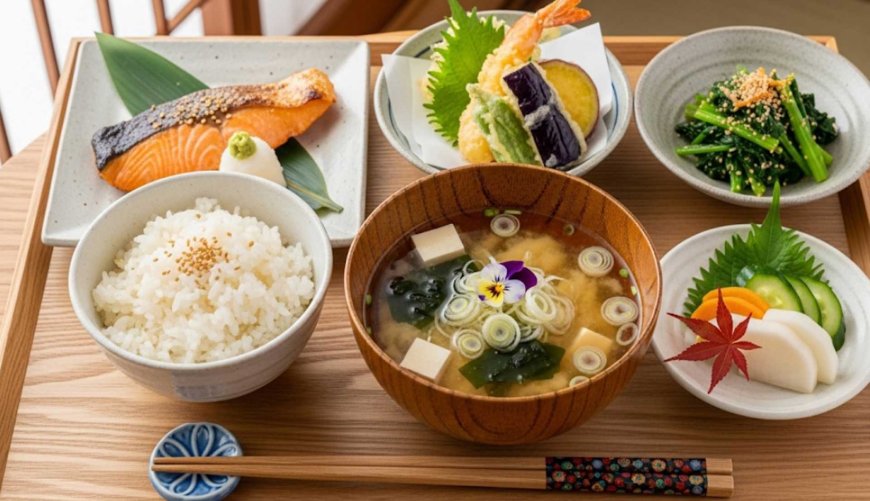
In Japan, food is often served in small dishes, encouraging portion control and a variety of tastes in one sitting. This practice prevents overeating while still allowing individuals to enjoy a full spectrum of flavors.
Another key habit is mindful eating—chewing slowly, appreciating food presentation, and savoring each bite. The Japanese believe in eating until about 80% full, a concept called hara hachi bu, which helps maintain a healthy weight.
Filipinos can adopt this by using smaller plates, eating slowly, and avoiding distractions like television during meals. Over time, this reduces the tendency to overeat and improves digestion.
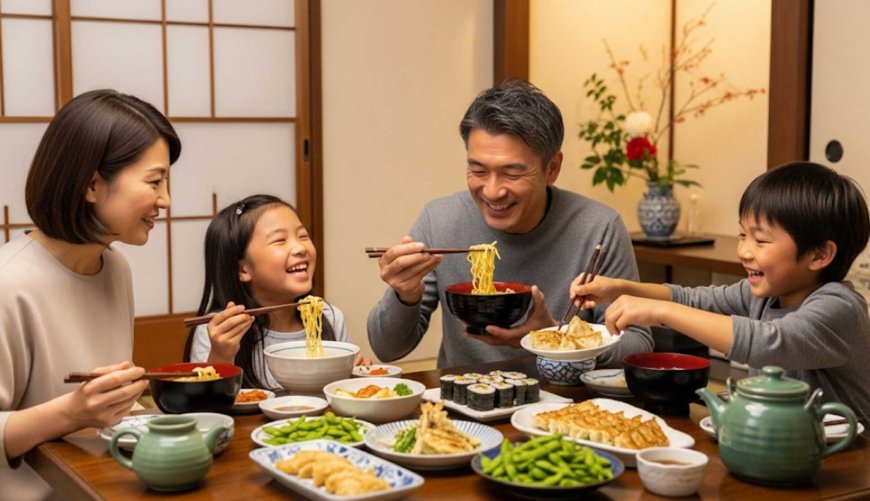
Preference for Fresh and Lightly Prepared Foods
Japanese cuisine favors fresh, minimally processed ingredients. Steaming, grilling, and simmering are common cooking methods that preserve the natural flavors and nutrients of food. Heavy frying or excessive use of oil is rare in traditional Japanese meals.
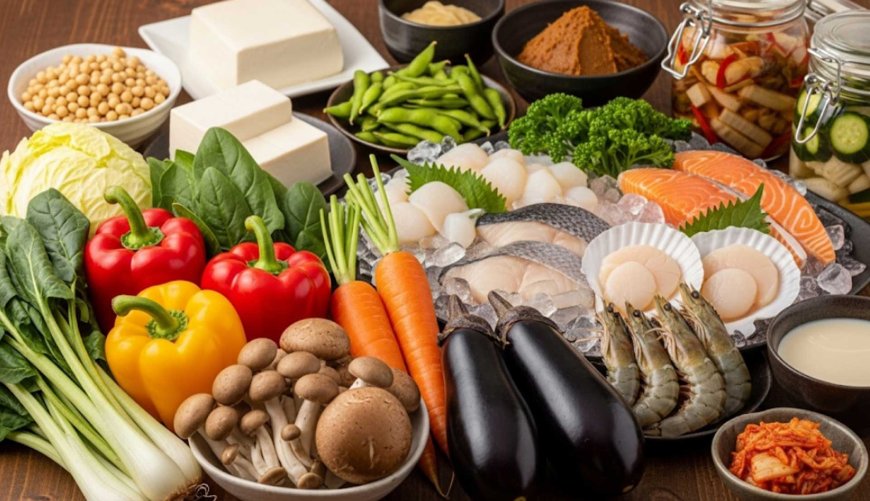
Meals often include plenty of vegetables, seafood, soy-based products like tofu, and fermented foods like miso and pickles, all of which contribute to better gut health and lower cholesterol levels.
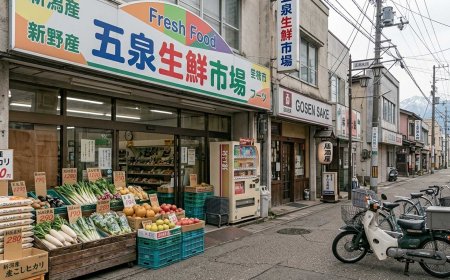
Filipinos can adopt this by choosing fresh market produce over canned or heavily processed goods and incorporating more fish, steamed vegetables, and light broths into daily meals.
Incorporating Fermented Foods for Gut Health
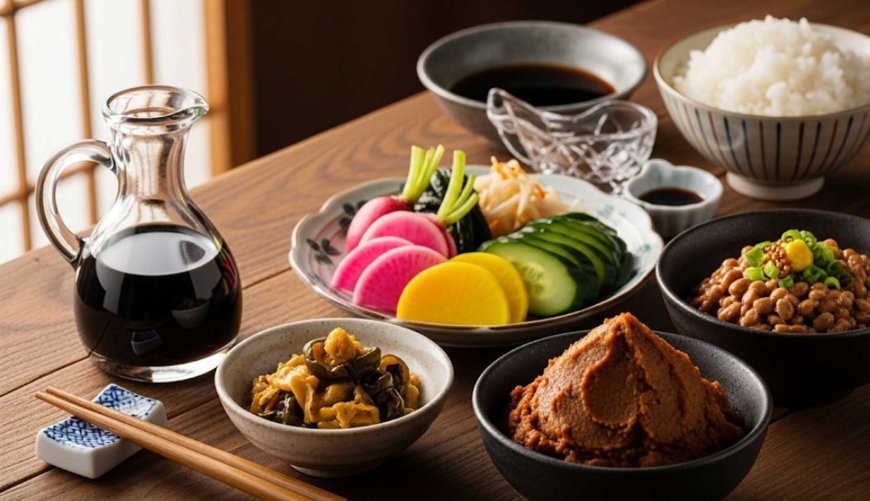
Fermented foods such as miso, natto, pickled vegetables, and soy sauce are staples in Japan. They provide probiotics that aid digestion, boost immunity, and improve nutrient absorption.
Natto, for example, is rich in vitamin K2, which supports bone and heart health. Miso soup, often eaten daily, offers beneficial bacteria while being low in calories.
Filipinos already have their own fermented foods like burong mangga and atsara, so integrating Japanese-style fermentation is a natural extension of existing culinary traditions. Adding small servings of miso soup or pickled vegetables to a meal can help improve gut health over time.
Drinking Green Tea Instead of Sugary Beverages
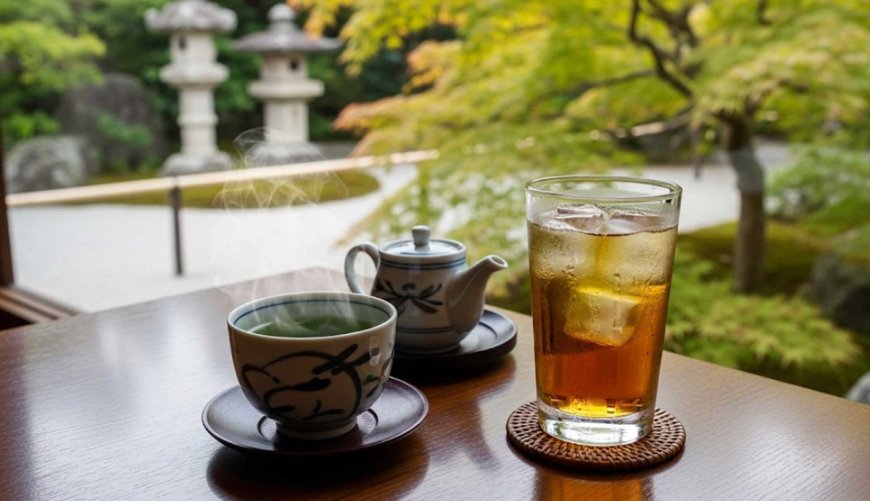
In Japan, green tea is the go-to drink during meals and throughout the day. It’s rich in antioxidants, supports metabolism, and has been linked to lower risks of heart disease and certain cancers.
Unlike soda or sweetened drinks, green tea has no added sugar, making it a healthier choice for hydration. Cold barley tea (mugicha) is also popular during summer for its refreshing, calorie-free taste.
Filipinos can replace sugary beverages with brewed green tea or barley tea to reduce daily sugar intake. This small switch can significantly improve overall health, especially for those at risk of diabetes.
Valuing Presentation and Eating with Gratitude
Japanese meals are presented beautifully, often arranged to reflect nature’s balance and seasonal colors. This makes meals more visually appealing and encourages slower, more mindful eating.
Cultural practices like saying itadakimasu before eating and gochisousama deshita after meals reflect gratitude toward the food and those who prepared it. This positive attitude toward eating fosters respect for food and healthier eating habits.
Filipinos can adopt similar practices by preparing meals with care, using colorful plating, and expressing gratitude during family meals. This can also encourage children to develop healthier relationships with food.
Walking and Staying Active After Meals
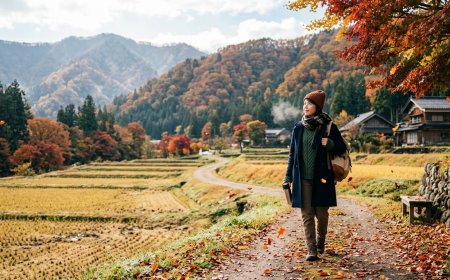
While not strictly an eating habit, daily physical activity is intertwined with Japanese health culture. Many Japanese people walk or cycle daily, and strolling after meals is common. This aids digestion, helps control blood sugar levels, and promotes cardiovascular health.
In the Philippines, incorporating short walks after lunch or dinner can be a simple yet effective way to complement healthier eating habits. Pairing active living with balanced meals can have lasting benefits for overall wellness.
Healthy Japanese eating habits offer practical lessons for Filipinos seeking better nutrition and wellness. By combining balance, portion control, fresh ingredients, fermented foods, mindful eating, and active living, Filipinos can enjoy flavorful meals that support long-term health—without giving up the joy of eating.

Nipino.com is committed to providing you with accurate and genuine content. Let us know your opinion by clicking HERE.