














































Yukata: Tradition, Comfort, and Style in Japan
The summer yukata is a beloved Japanese garment that blends tradition with seasonal comfort.
The Timeless Appeal of the Yukata
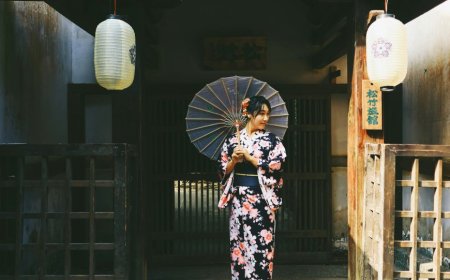
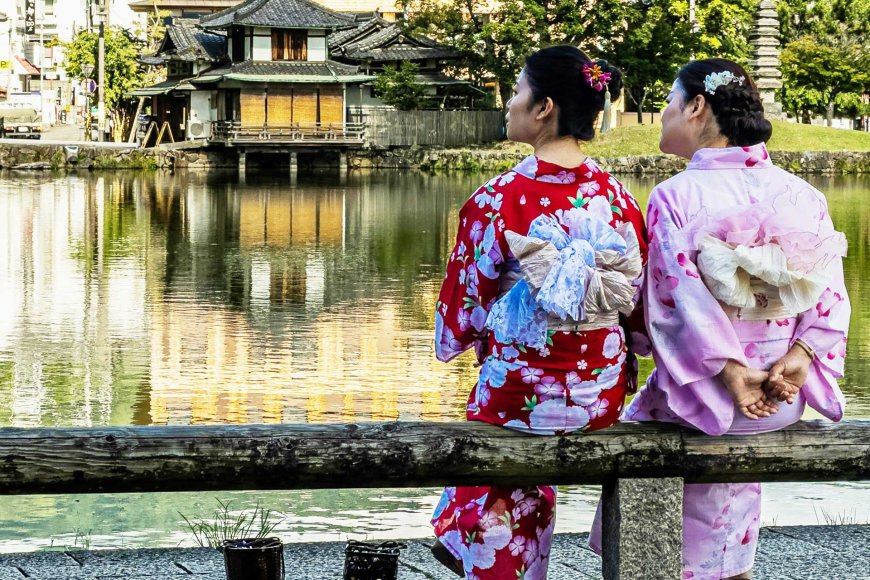
The yukata is a lightweight, casual kimono typically worn during Japan’s warm summer months. Made from breathable cotton or synthetic fabrics, it offers comfort without sacrificing style, making it perfect for summer events such as hanabi taikai (fireworks festivals), matsuri (traditional festivals), and evening strolls. While the yukata has ancient roots, it continues to evolve, blending cultural heritage with modern fashion sensibilities.
A Brief History of the Yukata
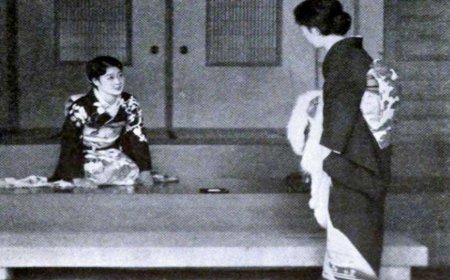
Historically, the yukata dates back to Japan’s Heian period (794–1185), when it was worn by nobles after bathing. The name “yukata” comes from yu (bath) and katabira (underclothing). Over centuries, it transitioned from being a bathrobe to a casual summer garment for the masses. During the Edo period (1603–1868), it became especially popular among townspeople, who embraced bold patterns and vibrant colors, setting the stage for the yukata styles we see today.
Yukata vs. Kimono: Understanding the Difference
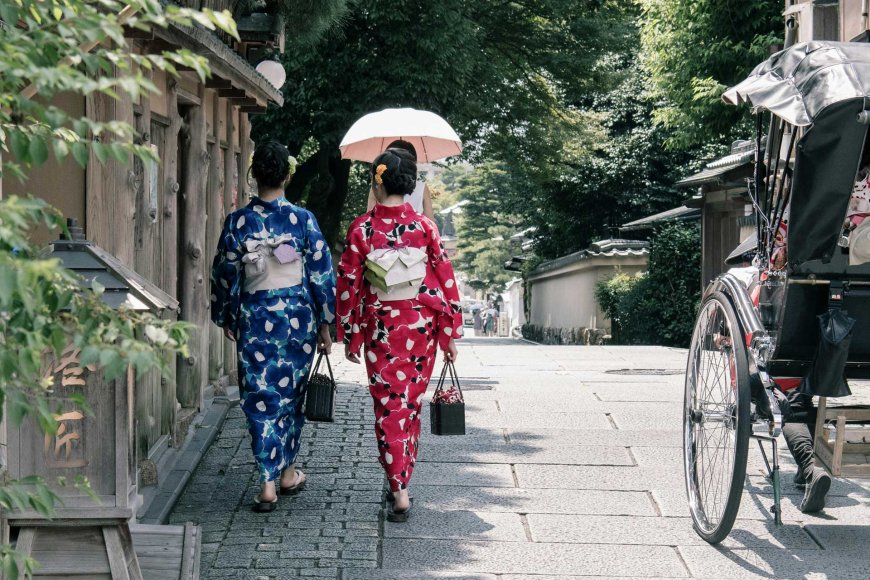
Though often confused, the yukata and kimono are distinct garments. The yukata is unlined, made from lightweight materials, and worn primarily in summer, while the kimono is more formal, lined, and suitable for year-round wear. Yukata are also easier to put on, making them popular for casual occasions, whereas kimonos often require professional assistance to wear properly.
Choosing the Right Yukata
When selecting a yukata, comfort, fabric, and design all matter. Cotton remains the most popular choice for breathability, but polyester blends are easier to maintain and wrinkle-resistant. Patterns often reflect seasonal themes — cherry blossoms for spring, fireworks for summer, or maple leaves for autumn — though summer yukata typically feature bright, refreshing colors such as blues, whites, and pastels. Men’s yukata usually feature more subdued colors and minimal patterns, while women’s designs are often vibrant and elaborate.
How to Wear a Yukata Properly
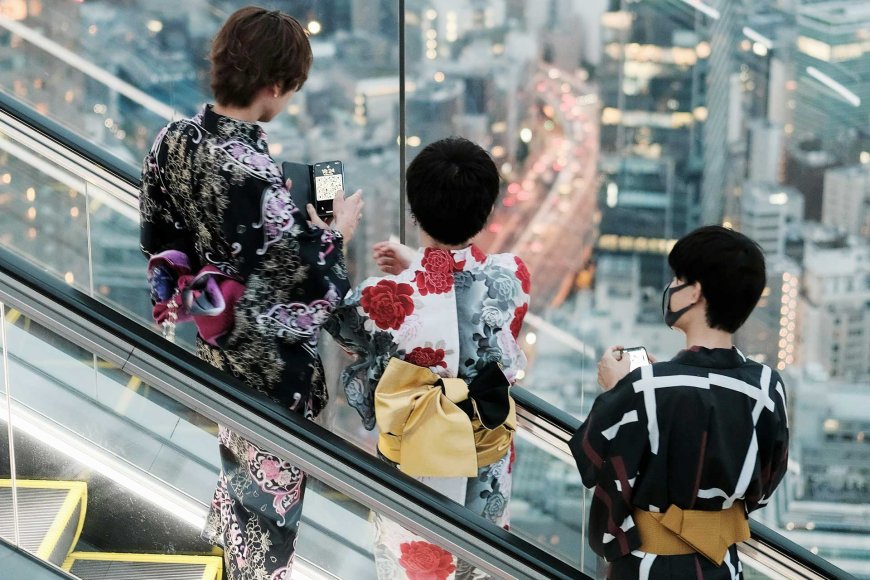
Wearing a yukata involves several steps to achieve both comfort and traditional appearance. First, the garment should be wrapped with the left side over the right — reversing this is a funeral custom in Japan. The obi (sash) is then tied securely around the waist for women or slightly lower for men. Accessories such as a koshihimo (thin waist cord) or datejime (fabric belt) help keep the yukata in place. For footwear, traditional geta (wooden sandals) complete the look.
Essential Yukata Accessories
A complete yukata outfit often includes accessories that enhance both style and practicality. For women, a decorative obi-jime (cord tied around the obi) or obi-age (silk scarf above the obi) can add elegance. A small kinchaku (drawstring bag) is ideal for carrying personal items during festivals. Fans, hair ornaments, and casual jewelry are also popular additions, while men may opt for a simple fan and matching bag.
When and Where to Wear a Yukata
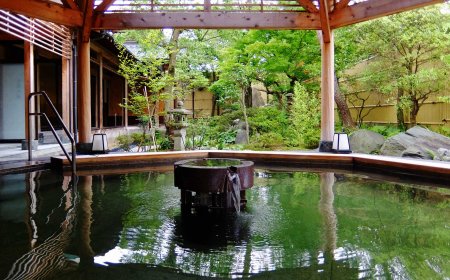
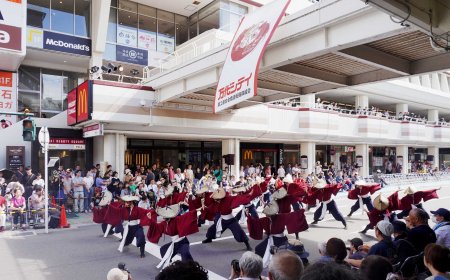
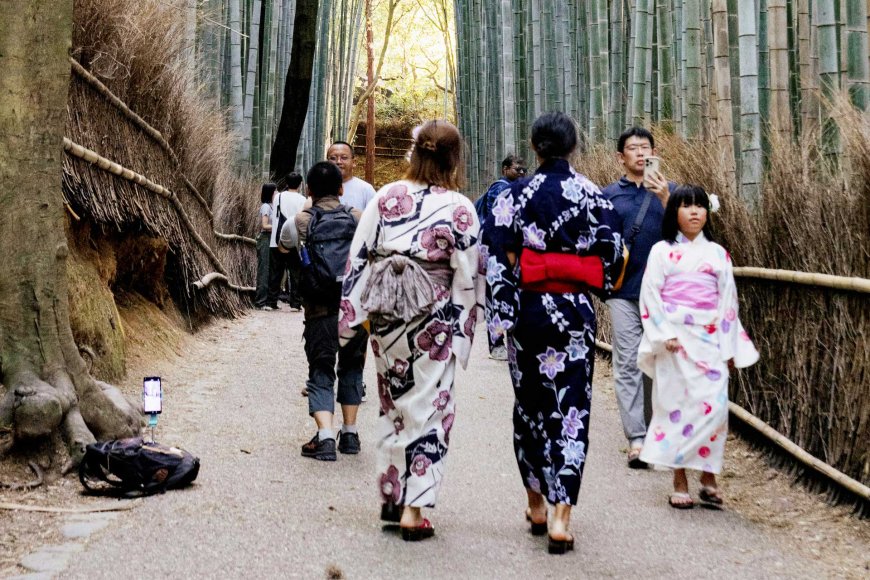
The yukata is most often worn during Japanese summer festivals. It’s also common at traditional inns (ryokan) and hot spring resorts (onsen), where guests are provided with yukata for comfort and relaxation. Wearing a yukata during summer evenings not only offers relief from the heat but also provides a connection to Japan’s seasonal traditions.
Modern Yukata Trends
In recent years, designers have reimagined the yukata with contemporary patterns, softer fabrics, and mix-and-match accessories. Younger generations are experimenting with non-traditional colors, Western-style belts instead of obi, and even pairing yukata with sneakers for a modern twist. This blending of old and new ensures the yukata remains relevant and appealing to both locals and visitors.
Caring for Your Yukata
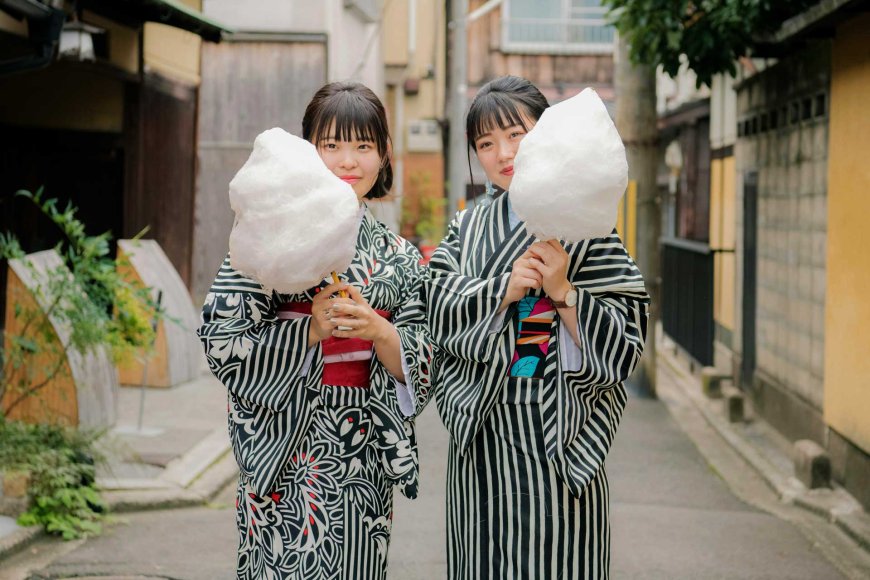
Proper care extends the life of a yukata. Cotton versions can often be machine-washed on a gentle cycle, though handwashing is recommended for delicate fabrics. Polyester blends are more durable and less prone to wrinkling, making them ideal for frequent use. Storing a yukata in a cool, dry place and keeping it neatly folded helps preserve its shape and fabric quality.
The Yukata as a Cultural Experience
Wearing a yukata is more than a fashion choice — it’s a way to experience Japanese culture firsthand. Tourists in Japan often rent yukata for a day to stroll through traditional districts, take part in tea ceremonies, or enjoy seasonal events. For locals, it’s a cherished reminder of summer’s joy, symbolizing community, celebration, and a connection to centuries-old customs.
The summer yukata embodies Japan’s ability to blend practicality with beauty. From its historical roots to its modern-day interpretations, it continues to be a cherished symbol of summer, tradition, and personal expression. Whether worn at a bustling festival or during a quiet evening walk, the yukata offers an invitation to slow down, appreciate the season, and celebrate cultural heritage in comfort and style.
Nipino.com is committed to providing you with accurate and genuine content. Let us know your opinion by clicking HERE.