






























From Quezon to Today: Why Self-Rule Isn’t Enough
President Manuel L. Quezon’s famous line, “I prefer a government run like hell by Filipinos to one run like heaven by Americans,” captured the spirit of self-rule during the Commonwealth era. Yet, decades later, the persistence of political dynasties, corruption, and self-serving leaders raises the question: Did Quezon overestimate the Filipino people’s ability to reform bad governance?
Quezon’s Vision of Self-Rule
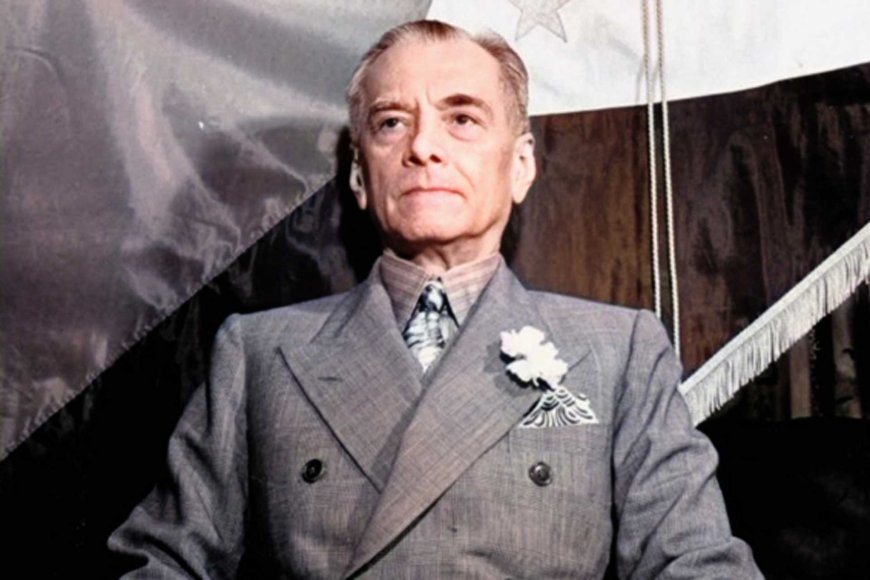
When Manuel L. Quezon uttered his iconic statement, he was speaking at a time when the Philippines was still under the heavy shadow of American colonial rule. The sentiment reflected a strong nationalist desire: that the Filipino people should govern themselves, even if imperfectly. For Quezon, independence was worth the risk of inefficiency, mistakes, and even corruption, because true sovereignty meant self-determination.
At that moment in history, intellectuals and statesmen still debated with the nation’s interests in mind. Quezon was surrounded by leaders who believed in nation-building, who, despite flaws, understood that independence required sacrifice and discipline.
The Problem of Political Dynasties
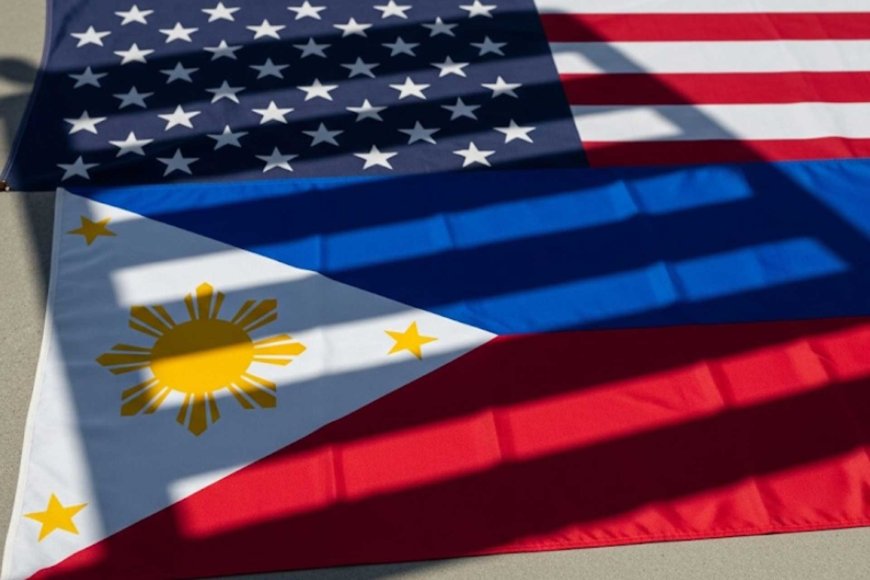
Fast forward nearly a century, and the landscape is starkly different. Political dynasties dominate both local and national governance, with many tracing their roots back to the pre–World War II and Commonwealth eras. Families like the Roxases, Osmeñas, Laurels, and countless provincial elites entrenched themselves during Quezon’s time, setting a precedent that endures to this day.
This permissiveness toward dynastic politics weakened the foundation of democracy. Instead of cultivating a system where leaders were rotated and held accountable, power became hereditary. Quezon and his contemporaries failed to anticipate how deeply entrenched these family networks would become—or perhaps they quietly accepted them as part of the political fabric.
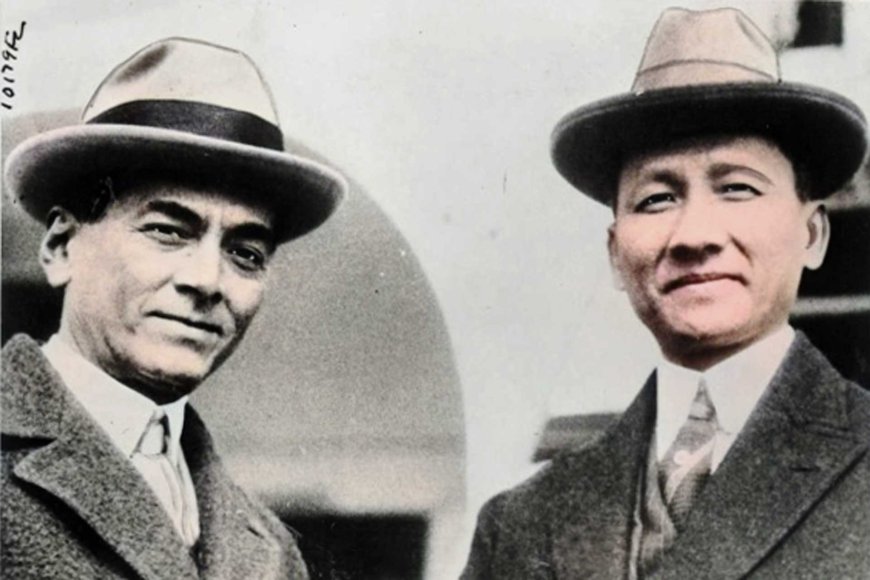 Manual Quezon (left) and Sergio Osmena.
Was Quezon Overly Idealistic?
The reality is that Quezon may have overestimated the Filipino people’s ability to “fix” bad governance from within. His optimism rested on the assumption that an independent Filipino electorate would choose wisely and demand accountability. But the rise of corruption, fueled by nepotism and political patronage, undermined those ideals.
Today, instead of leaders driven by intellectual rigor and a sense of duty, the nation often sees “nepo parents and babies” who inherit positions rather than earn them. These politicians treat public office like a family business, perpetuating kickbacks and inefficiencies that Quezon hoped independence would eventually correct.
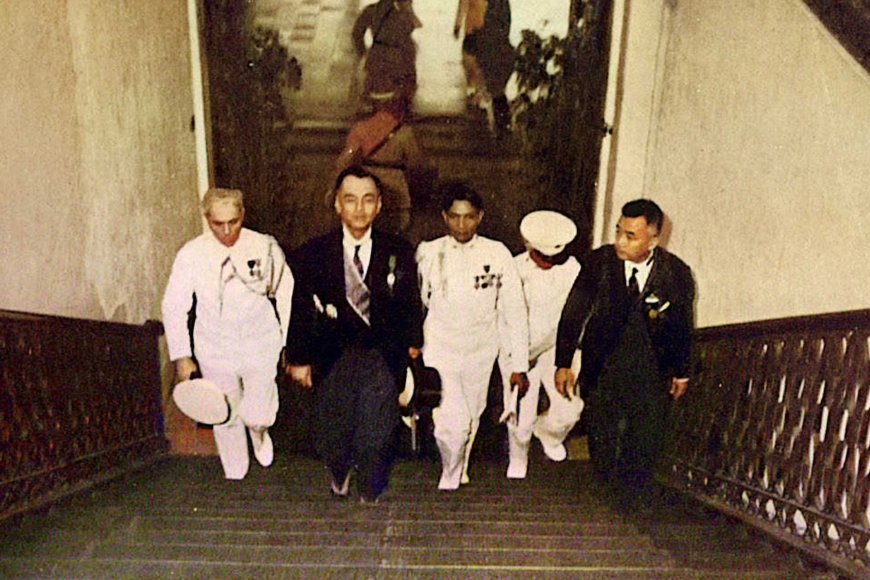 President Quezon at the Malacañang Staircase
Messy Self-Governance vs. Colonial Rule
Still, Quezon’s core idea—that even messy self-rule is better than colonial subjugation—retains some truth. Colonial rule, no matter how efficient, denies people their dignity and agency. For Filipinos of the 1930s, independence was more than just governance; it was about reclaiming identity, culture, and pride.
The problem lies not in Quezon’s defense of independence but in the lack of foresight regarding systemic safeguards. Without laws against dynasties, without mechanisms to block corruption, and without a strong culture of accountability, self-rule became fertile ground for exploitation by the few.
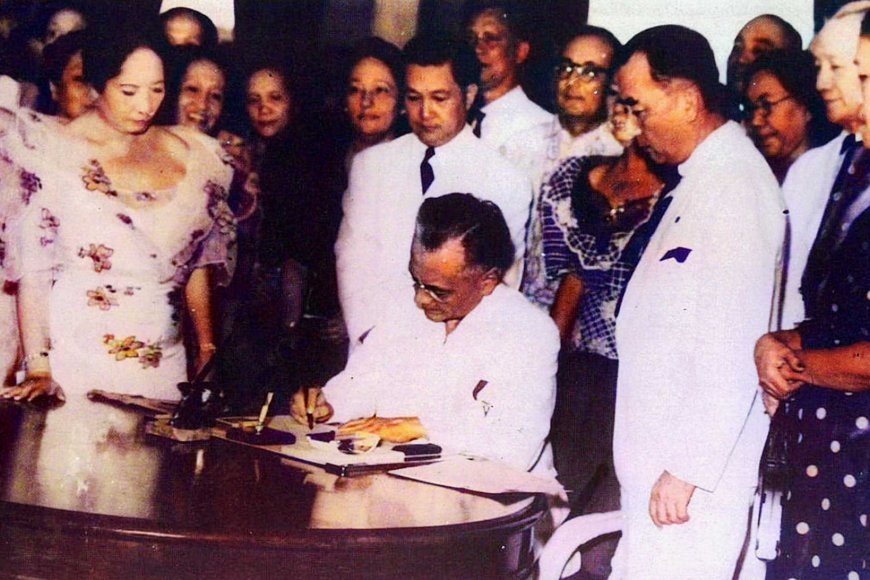 Philippine President Manuel L. Quezon (center) signs the Women’s Suffrage Bill
Complicity of Early Leaders
One uncomfortable truth is that Quezon and his peers bear partial responsibility. By failing to set strong precedents against dynastic politics, they allowed elite families to consolidate power. Whether by design or negligence, these leaders helped create the very cycle of privilege and corruption that plagues the Philippines today.
Had they prioritized laws preventing dynasties, encouraged merit-based leadership, or fostered stronger civic education, the nation might have developed a healthier democracy. Instead, they left the door wide open for abuse.
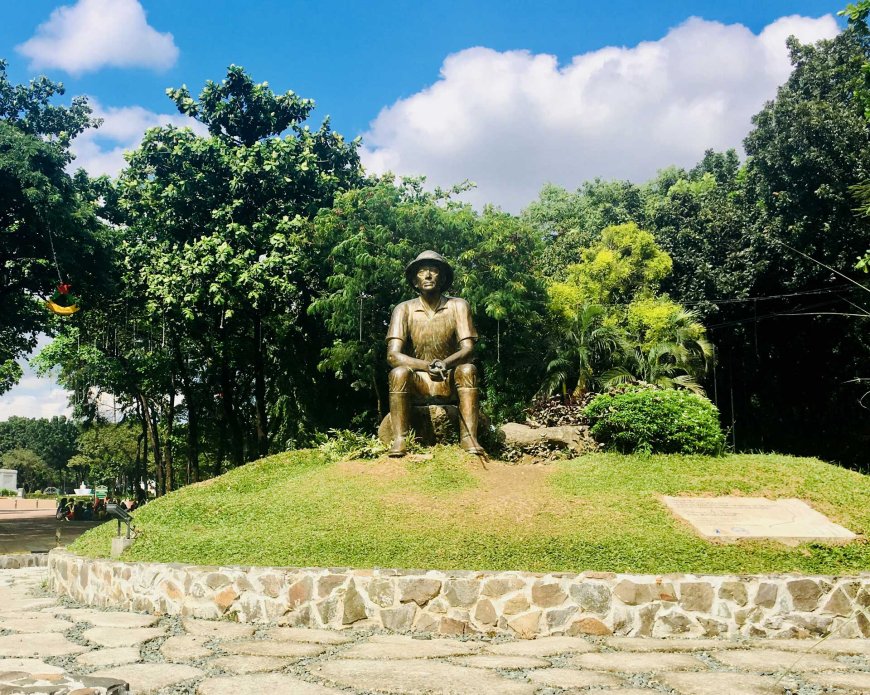 President Manuel Quezon's welcome statue at Quezon Memorial Circle.
Lessons for the Present
The Philippines now faces the paradox Quezon predicted: self-rule, but often in the form of governance that harms rather than helps its people. The question is no longer whether independence was worth it—history proves it was. Instead, the challenge is whether Filipinos can evolve their political culture to break free from dynastic politics and systemic corruption.
This requires more than elections. It demands civic responsibility, education, and reforms that challenge entrenched power structures. Filipinos must insist that public service is about duty, not inheritance.
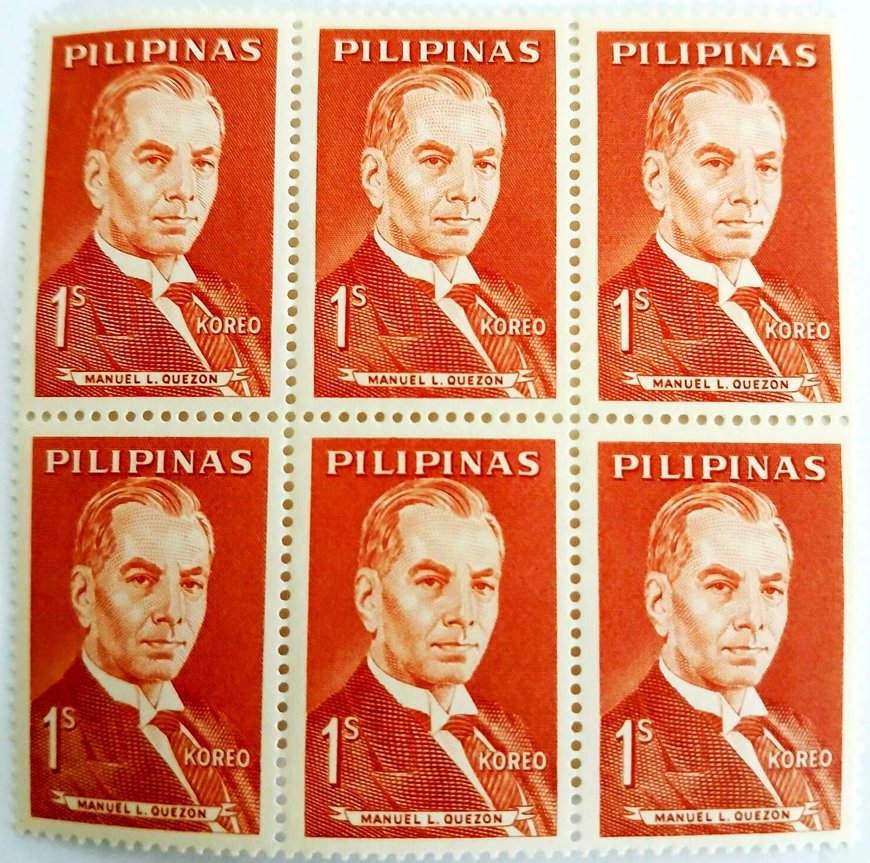
Quezon was Both Right and Wrong
President Manuel L. Quezon was both right and wrong. He was right to champion independence, affirming that sovereignty is a priceless treasure no colonial ruler could give. But he was wrong to assume that independence alone would lead to better governance without addressing the entrenched interests of dynastic families.
As the Philippines looks to the future, the nation must reckon with both Quezon’s wisdom and his oversight. The true measure of independence lies not just in having Filipino leaders, but in ensuring those leaders serve the people—not themselves.
Nipino.com is committed to providing you with accurate and genuine content. Let us know your opinion by clicking HERE.