








































































A Broken-Hearted Society: Understanding the Roots of Corruption in the Philippines
Corruption comes from the Latin words com (“with, together”) and rumpere (“to break”), symbolizing the act of breaking trust and integrity. In the Philippines, this “breaking together” extends beyond politics—it has fractured society itself, creating what visionary architect and urban planner Felino “Jun” Albano Palafox, Jr. describes as a broken-hearted nation.
The Origin of the Word “Corruption”
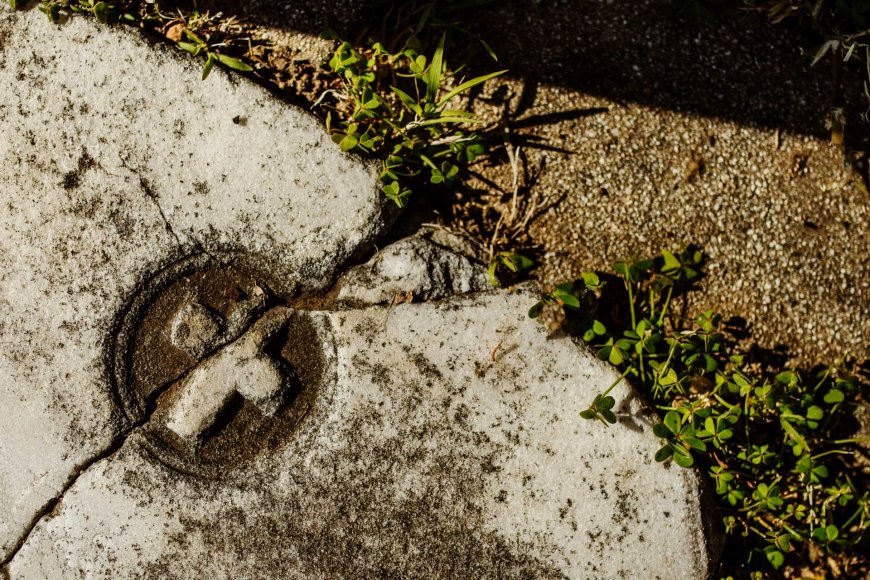
The term corruption traces its roots to Latin. It combines com meaning “with, together” and rumpere meaning “to break.” At its essence, corruption implies the act of breaking something fundamental: trust, reputation, or moral integrity. When an individual or institution engages in corruption, it does not simply bend rules—it shatters the foundations of credibility and fairness.
This ancient meaning perfectly resonates with modern society, especially in the Philippines, where corruption is not only a political issue but also a cultural wound. The breaking apart of trust between leaders and the people reflects the true essence of the word’s origin.
Corruption as a Breach of Trust
In the social contract between government and people, trust is the currency of leadership. Once leaders engage in corrupt practices, they betray the collective faith of their citizens. Trustworthiness, once broken, is almost impossible to restore.
This breach of trust manifests in the way citizens view their government: with suspicion, resignation, and heartbreak. What was once a hopeful relationship becomes tainted by cynicism. Filipinos, in particular, have become weary of leaders who promise reform but ultimately break the very systems they swore to protect.
The Philippines as a Broken-Hearted Society
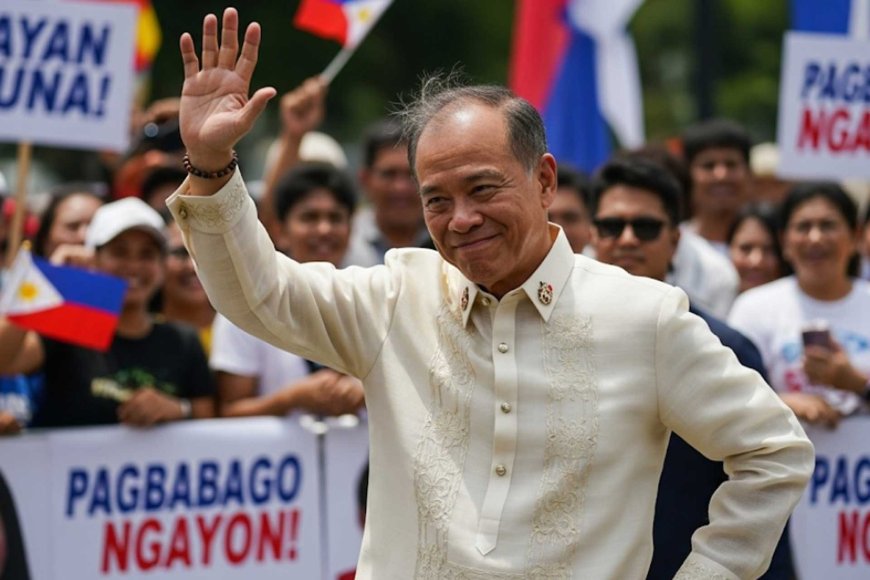
According to Felino “Jun” Albano Palafox, Jr.—a renowned architect, urban planner, and Filipino visionary—the Philippines today is not just a country plagued by corruption; it is a broken-hearted society. The metaphor runs deep: corruption does not only rob wealth, it robs the soul of a people.
When promises are broken and dreams are shattered, the collective spirit of a nation weakens. Filipinos often express their disappointment with a resigned sigh: “Wala na, ganyan na talaga.” This fatalism reflects a heart that has been broken too many times, leaving many to lose hope in real change.
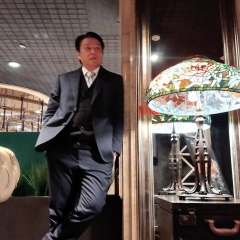
 Felino “Jun” Albano Palafox, Jr.—a renowned architect, urban planner, and Filipino visionary.
The Ripple Effect of Corruption
Corruption has far-reaching consequences that extend beyond stolen funds or rigged contracts. It breaks the moral compass of society. When young people grow up seeing corruption as “normal,” they risk inheriting a culture where dishonesty is tolerated and integrity is undervalued.
This ripple effect also affects governance. Citizens disengage, refusing to participate in elections or civic duties, believing the system is beyond repair. Apathy then becomes the silent ally of corruption, allowing it to thrive further.
Political Dynasties and the Culture of “Breaking Together”
The Philippines has long been dominated by political dynasties, many tracing their roots back to the pre–World War II Commonwealth era. Political power has been passed down as if it were an inheritance by ultra-rich and entitled families who have the resources to influence the public and win elections.
This dynastic cycle “breaks together” the democratic ideals envisioned by early nation-builders. Instead of progress, the continuity of dynasties often perpetuates the same flaws—favoritism, nepotism, and a lack of accountability. The dream of self-rule that Manuel L. Quezon once championed now feels like a broken promise, tainted by generations of corrupt practices.

The Emotional Toll of Corruption
Corruption is not only a political or economic issue—it is an emotional crisis. When people see their taxes misused, their votes manipulated, and their future stolen, they do not simply lose money; they lose hope.
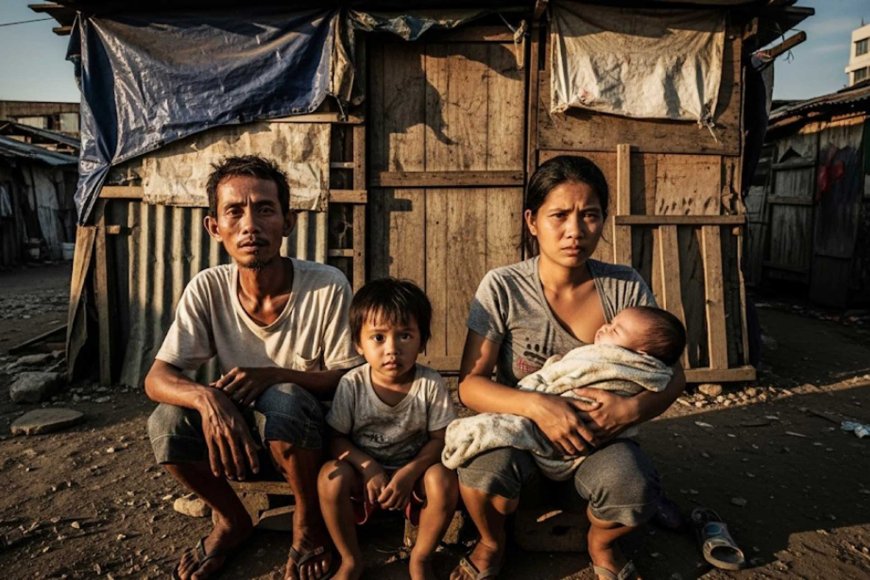
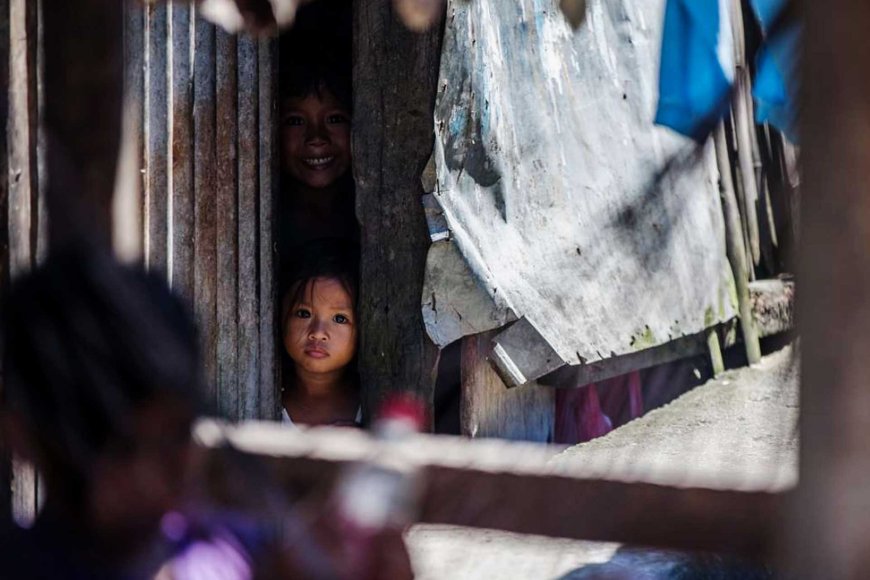
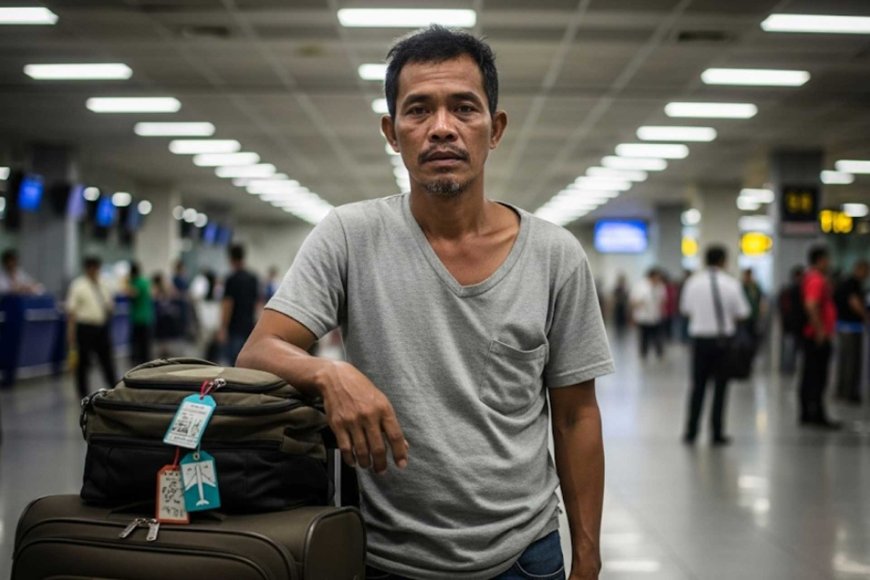
The Philippines is thus left with a wounded citizenry. Many citizens grow disillusioned, others become indifferent, and some even choose to leave the country entirely, seeking fairer opportunities abroad. This collective heartbreak weakens the nation from within, preventing it from rising to its true potential.

A Call for Healing and Visionary Leadership
Felino Palafox, Jr. reminds Filipinos that healing is possible. As an architect and urban planner, he envisions a nation that rebuilds not only its cities but also its moral foundations. Leadership, he argues, must return to service rooted in integrity, not self-interest.
The Philippines, a broken-hearted society, can still mend its wounds. By recognizing the root of corruption and refusing to tolerate it, Filipinos can begin the difficult process of trust-building. It will take more than policies—it requires visionary leadership and a collective will to restore what has been broken.
Breaking the Cycle of Brokenness
The Latin root of the word “corruption” serves as a powerful metaphor for the Philippines today. Corruption “breaks together” the trust, the spirit, and the unity of the nation. Yet just as something broken can be mended, so too can the Filipino people heal from this cycle of betrayal.
A future free of corruption is not impossible. It begins with awareness, courage, and leaders who value integrity above all else. Only then can the Philippines transform from a broken-hearted society into a nation whole again.
This article was inspired by a video interview with Felino “Jun” Albano Palafox, Jr. In the interview titled “Palafox says gov’t didn’t act on his urban planning proposals | Politika All The Way”, Palafox shared his insights on governance, corruption, and the need for genuine reform in the Philippines. Readers who wish to understand the context behind this article may watch the full interview here: https://youtu.be/cXQg15MP9WQ?si=5ny3nurks3cl7d1_
Nipino.com is committed to providing you with accurate and genuine content. Let us know your opinion by clicking HERE.