












































Top Cultural Differences in Japan (What Foreigners Should Know)
Japan’s culture is deeply rooted in respect, harmony, and social awareness, making it quite different from many other countries. Understanding these key cultural differences helps foreigners avoid mistakes and adapt more smoothly to life in Japan.
Why Cultural Differences Matter
For foreigners moving to Japan, culture shock is often one of the biggest challenges—not because Japan is difficult, but because it operates differently.
From communication styles to daily habits, Japanese culture emphasizes subtlety, discipline, and respect for others. By understanding these differences early, newcomers can avoid common misunderstandings and build a more positive experience.
Want a smooth transition into life in Japan? Explore the Japan Starter Toolkit.
Indirect Communication vs Direct Communication
One of the biggest cultural differences is how people communicate.
In many countries, people are used to being direct—saying exactly what they mean. In Japan, communication is often indirect.
Instead of saying "no," people might say:
- "That might be difficult..."
- "I will think about it..."
These phrases often mean refusal, but in a polite and non-confrontational way.
Understanding this helps foreigners avoid confusion and misinterpretation.
Want to understand everyday expressions like this? Check out Everyday Japanese for Beginners.
Group Harmony vs Individual Expression
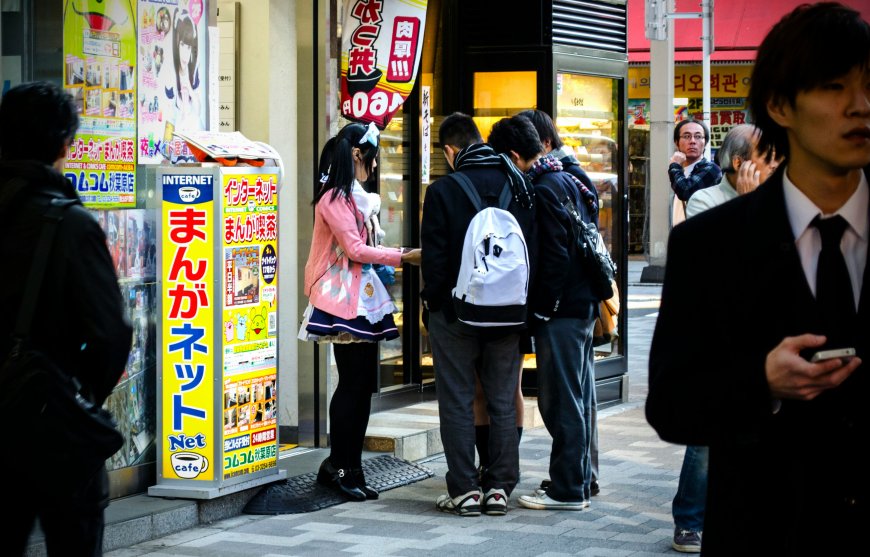
In many cultures, expressing individuality is encouraged. In Japan, maintaining group harmony “Wa” (和) is prioritized.
This means:
- Avoiding actions that stand out too much
- Considering how behavior affects others
- Prioritizing the group over personal preference
For foreigners, this can feel restrictive at first, but it is essential for social balance in Japan.
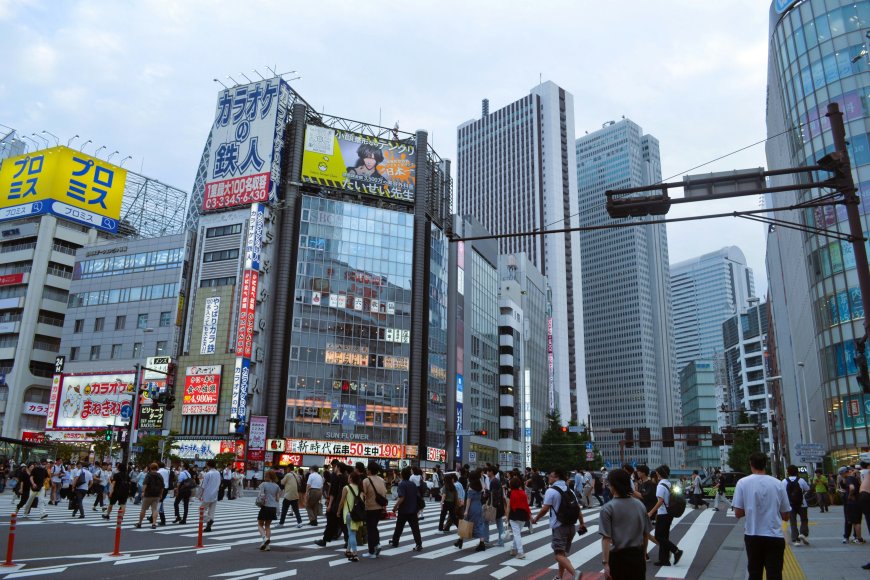
Quiet Public Behavior vs Expressive Environments
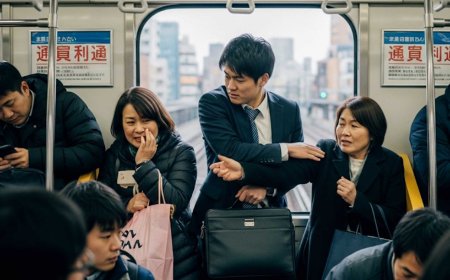
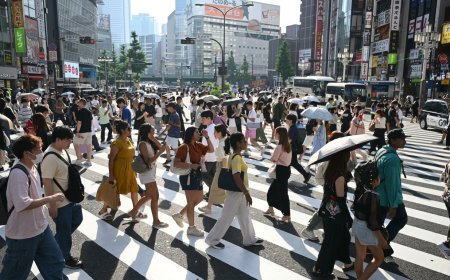
In Japan, public spaces are generally quiet and orderly.
Examples:
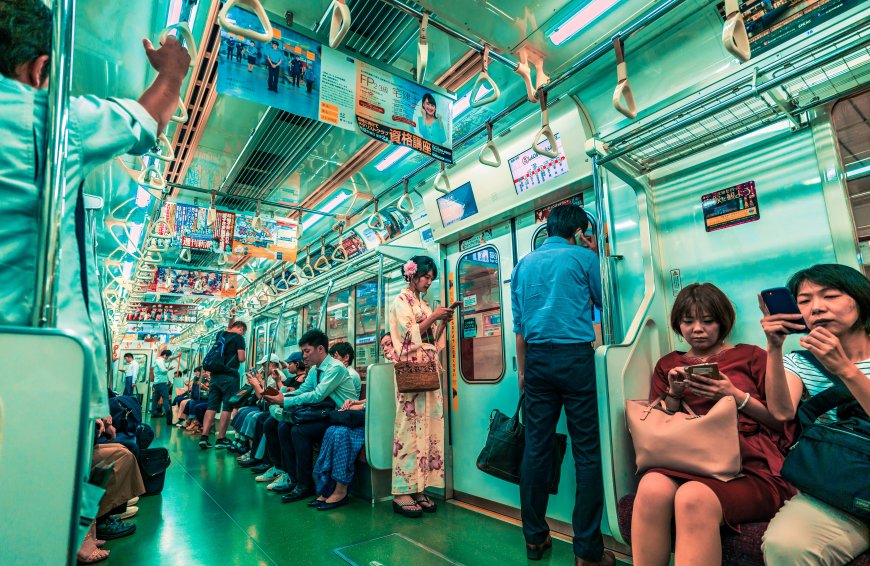
- Talking loudly on trains is discouraged
- Phone calls in public transport are avoided
- People maintain a calm and respectful presence
This is very different from cultures where public spaces are more lively and expressive.
Adapting to this norm is one of the first adjustments newcomers make.
Strict Rules vs Flexible Systems
Japan has many rules—some written, some unwritten.
Common examples:
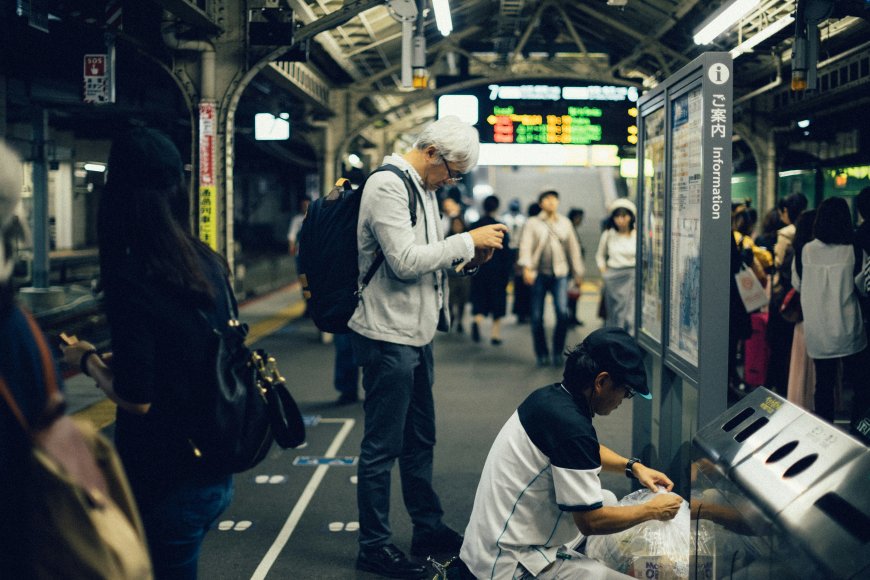
- Detailed trash sorting schedules
- Specific etiquette for shared spaces
- Strict adherence to time and schedules
While these rules may seem overwhelming, they help maintain cleanliness and efficiency.
To avoid confusion during your first weeks, use the Japan Starter Toolkit.
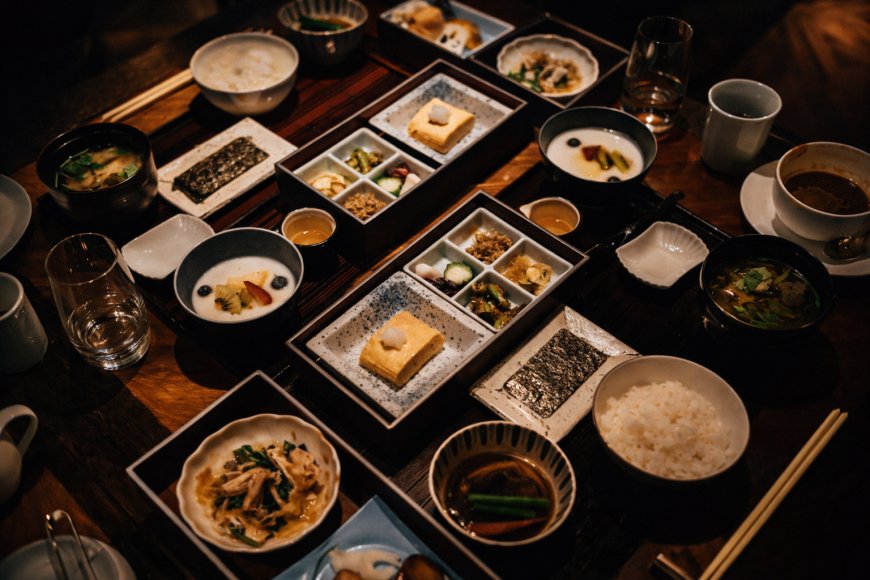
Dining Etiquette Differences
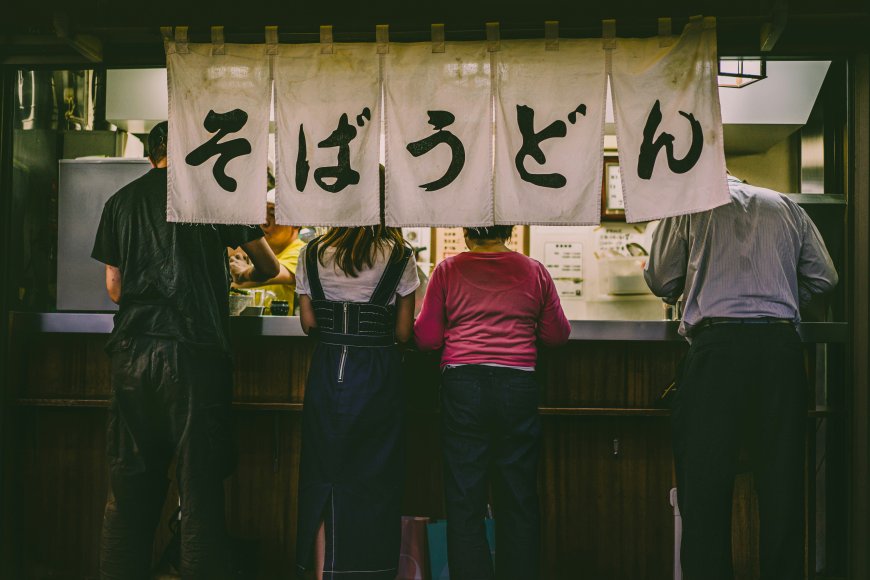
Dining in Japan comes with its own set of rules.
Important differences include:
- Saying "Itadakimasu" before eating
- Not sticking chopsticks upright in rice
- Not passing food directly between chopsticks
In many countries, these actions may be normal—but in Japan, they carry cultural meaning.
Learning these small details shows respect and awareness.
Learn essential dining phrases with Everyday Japanese for Beginners.
Work Culture: Discipline vs Flexibility
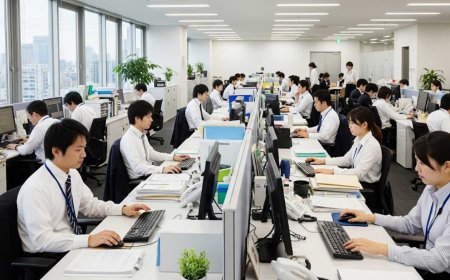
Work culture in Japan is known for being highly structured and disciplined.
Key differences:
- Strong emphasis on punctuality
- Respect for hierarchy
- Long working hours in some industries
Compared to more flexible work environments, Japan values consistency and responsibility.
Understanding this is essential for anyone planning to work in Japan.
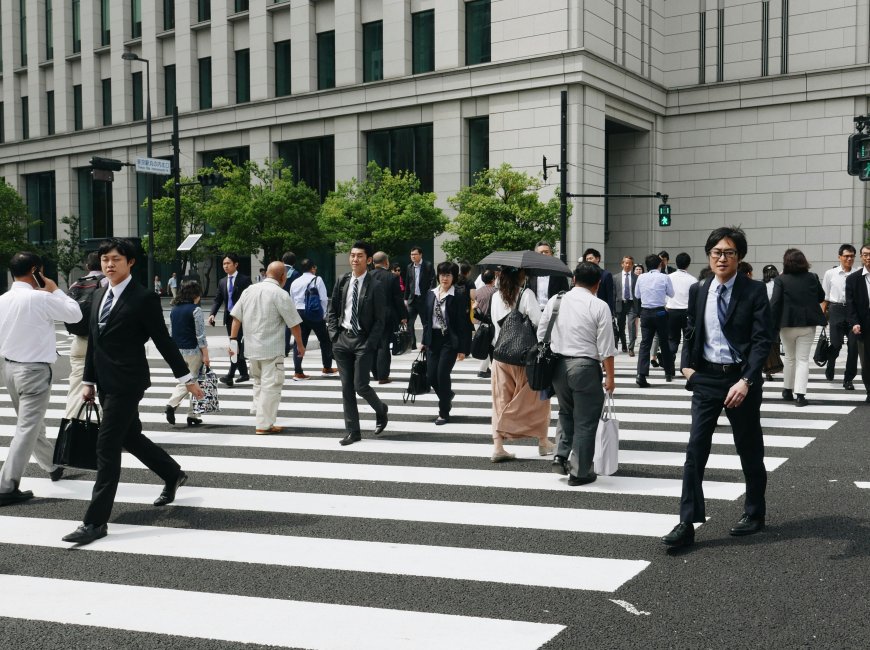
Shoes Off Culture vs Shoes Indoors
In many countries, wearing shoes indoors is common. In Japan, it is not.
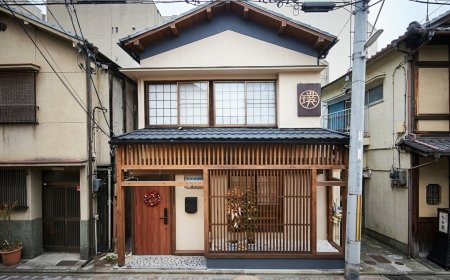
Shoes are removed at the genkan:
- At home
- In some restaurants
- In traditional spaces
This reflects the importance of cleanliness and respect for indoor environments.
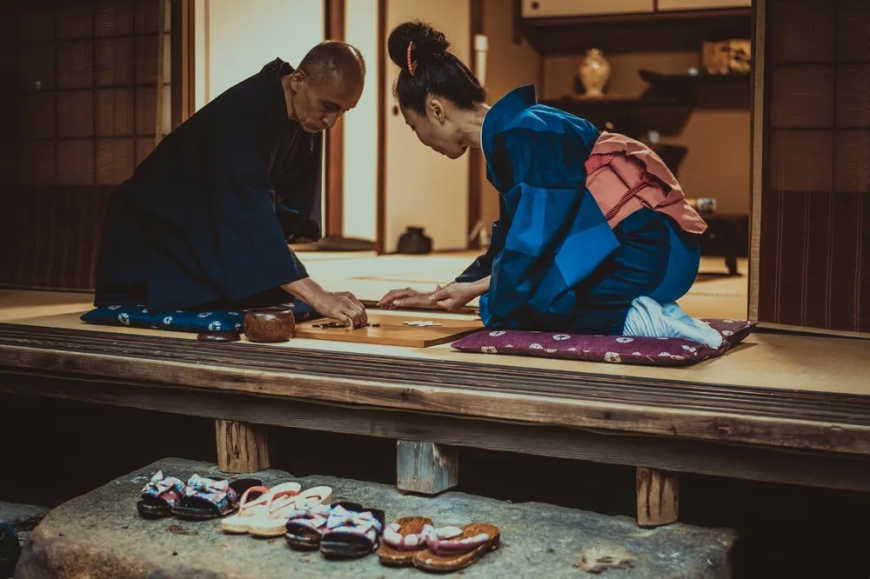
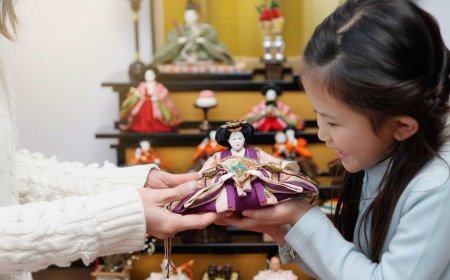
Gift-Giving Culture vs Casual Exchanges
Gift-giving in Japan is more formal and meaningful.
Examples include:
- Bringing omiyage (souvenirs) when traveling
- Giving gifts in professional settings
- Wrapping gifts carefully
In contrast to more casual gift-giving cultures, Japan places importance on presentation and thoughtfulness.
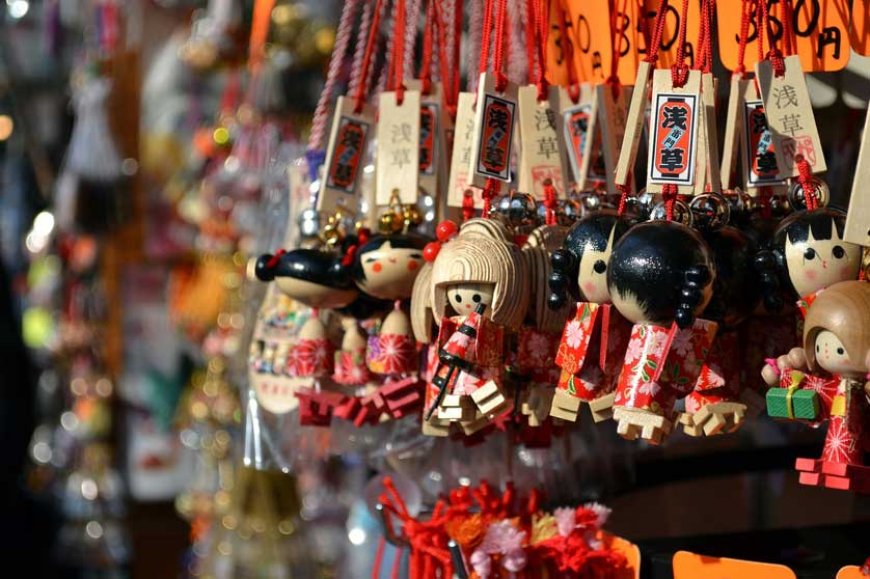
Common Mistakes Foreigners Make
Because of these differences, newcomers often make mistakes such as:
- Speaking too loudly in public
- Being too direct in communication
- Ignoring small rules
- Not using polite language
These mistakes are usually unintentional, but awareness can prevent them.
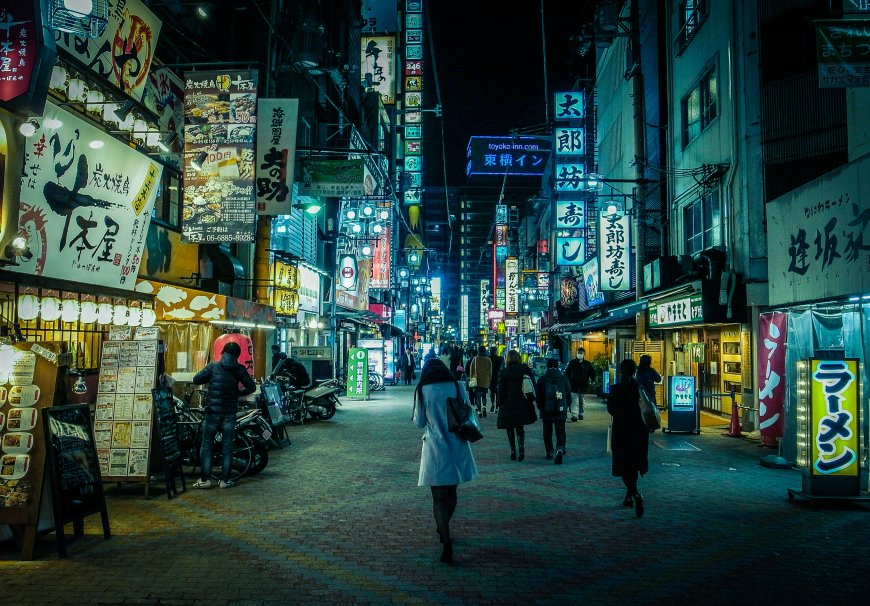
How to Adapt to Cultural Differences
Adapting to Japanese culture does not mean changing who you are—it means learning how to navigate a different system.
Helpful tips include:
- Observe local behavior
- Ask questions when unsure
- Learn basic Japanese phrases
- Stay respectful and open-minded
Over time, these differences become easier to understand and even appreciate.
Awareness Builds Confidence
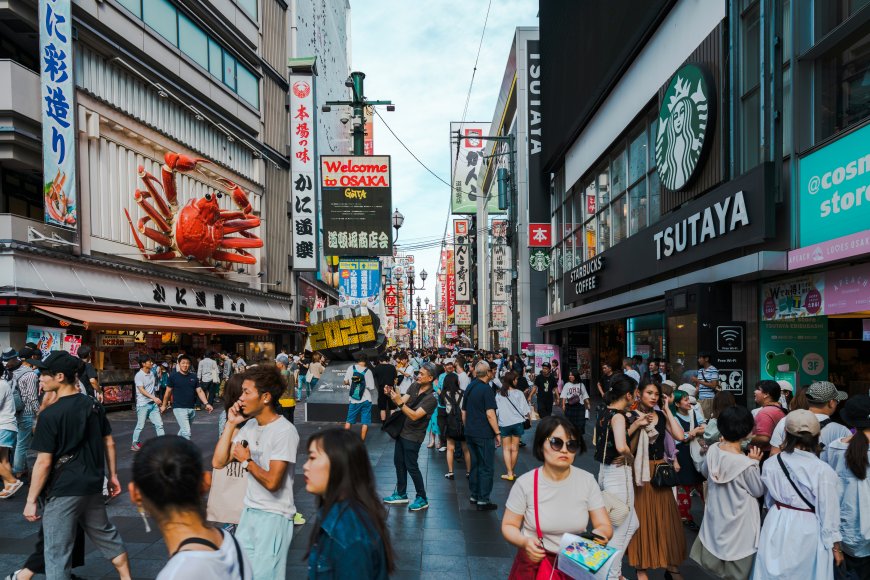
Japan's cultural differences may seem challenging at first, but they are also what make the country unique and fascinating.
For foreigners, the key is awareness. By understanding these differences before or shortly after arrival, they can avoid common mistakes, build better relationships, and enjoy a smoother life in Japan.
Prepare Smarter, Live Better in Japan (FREE Download)
Download the First 7 Days in Japan Checklist (FREE)
Don’t guess what to do — follow a proven plan.
Download your FREE “First 7 Days in Japan Checklist” PDF now:
✔ Instant download
✔ Mobile-friendly
✔ Printable
Want the COMPLETE Version? (Premium Upgrade)
If you want a deeper, more powerful guide, there’s also a premium version available on Gumroad.
Nipino.com is committed to providing you with accurate and genuine content. Let us know your opinion by clicking HERE.