












































































Japanese Culture for Beginners: Everything You Need to Know (2026 Guide)
Japanese culture is built on respect, harmony, and discipline—values that shape everyday life in subtle but powerful ways. This beginner-friendly guide helps foreigners understand, adapt, and thrive in Japan while avoiding common cultural mistakes.
Why Understanding Japanese Culture Matters
For anyone planning to visit, study, or live in Japan, understanding the culture is just as important as learning the language. Japan is known for its rich traditions, unique social rules, and strong sense of community-and these cultural elements influence everything from daily interactions to professional life.
For beginners, the differences can feel overwhelming at first. However, once these cultural patterns are understood, life in Japan becomes much smoother and more enjoyable.
Want a practical step-by-step system for settling in Japan? Check out the Japan Starter Toolkit .
Respect and Politeness: The Foundation of Japanese Society
At the heart of Japanese culture lies respect. This is expressed through language, body language, and everyday behavior.
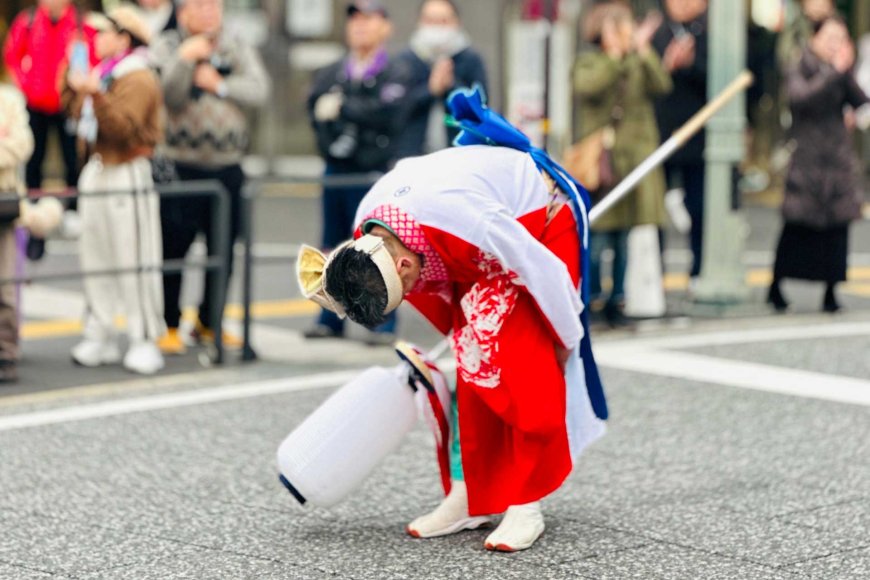
One of the most recognizable examples is bowing, which is used to greet, thank, apologize, and show respect. The depth of the bow often reflects the level of formality.
Politeness is also deeply embedded in the Japanese language. Even simple phrases can have formal and casual variations, depending on the situation.
For beginners, mastering polite expressions can make a huge difference in how they are perceived.
Want to sound natural and polite in daily conversations? Check out the Everyday Japanese for Beginners:
Harmony (Wa): The Invisible Rule Everyone Follows
A key concept in Japan is “Wa” (和), which means harmony. Maintaining harmony in groups—whether at work, school, or in public—is extremely important.
This often means:
- Avoiding conflict
- Speaking indirectly
- Being mindful of others
For example, Japanese people may not say “no” directly. Instead, they might use softer expressions to avoid discomfort.
Understanding this helps foreigners avoid misunderstandings and build better relationships.
Communication Style: Reading Between the Lines
Communication in Japan is often indirect and context-based. This can be surprising for people from more direct cultures.
Key characteristics include:
- Subtle hints instead of clear refusals
- Silence as a form of communication
- Paying attention to tone and situation
This is closely related to the idea of:
Beginners who learn to “read the air” (空気を読む) will find it much easier to navigate social situations.
Daily Life Culture: Clean, Organized, and Structured
Japanese daily life is known for being:
- Clean
- Efficient
- Highly organized
One of the most noticeable aspects is cleanliness. Public spaces are often spotless, and individuals are expected to maintain this standard.
Another important part of daily life is rules. These include:
- Sorting trash correctly
- Being quiet in public
- Following schedules strictly
While these rules may feel strict at first, they contribute to the overall comfort and safety of society.
Want a checklist to handle your first days smoothly? Get the Japan Starter Toolkit here:

Public Behavior: The Unwritten Rules
Public behavior in Japan is guided by unspoken expectations.
Examples include:
- No loud conversations on trains
- Standing in line properly
- Avoiding phone calls in quiet spaces
Even small actions—like where to stand on an escalator—can vary depending on the region.
These unwritten rules are rarely explained but are expected to be followed.
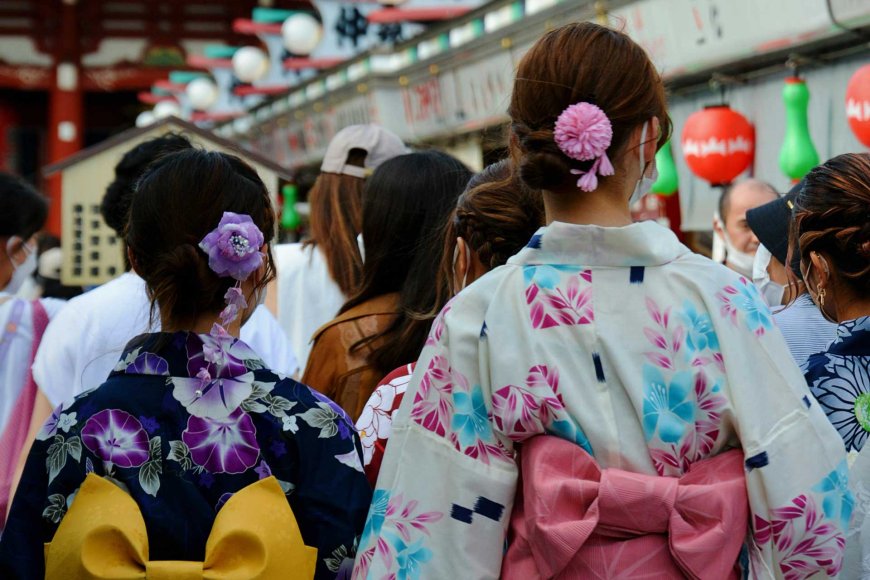
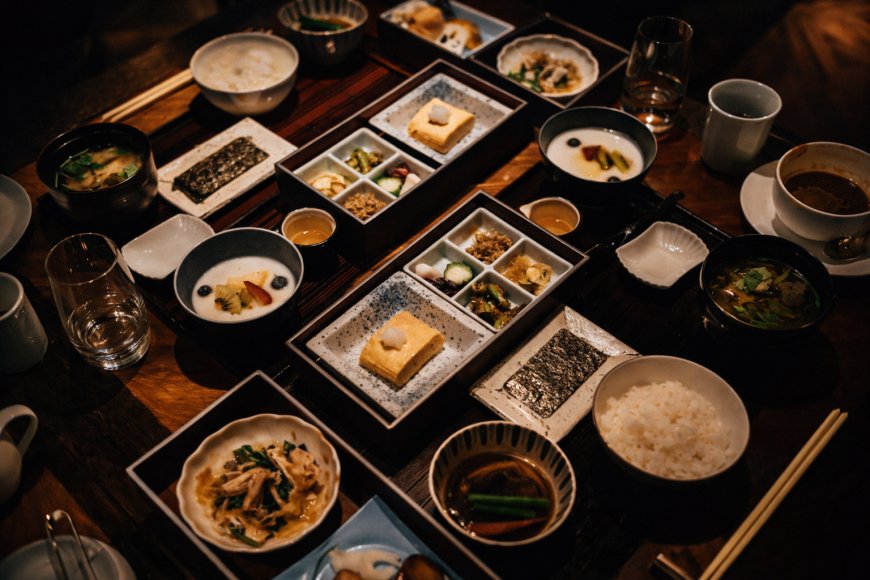
Food Culture: More Than Just Eating
Food in Japan is deeply connected to culture and respect.
Before eating, people say:
- “Itadakimasu” (I humbly receive)
After eating:
- “Gochisousama deshita” (Thank you for the meal)
Dining etiquette also includes:
- Not sticking chopsticks upright in rice
- Not passing food directly between chopsticks
Understanding these small details shows respect and helps foreigners integrate more easily.
Learn useful dining phrases with: Everyday Japanese for Beginners
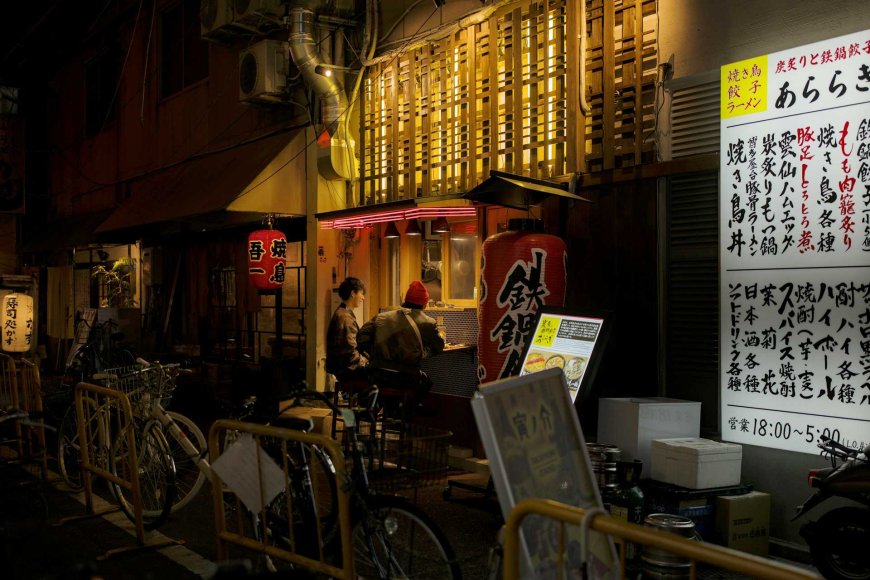
Work Culture: Discipline and Responsibility
Japanese work culture is known for:
- Punctuality
- Dedication
- Teamwork
Being on time is not just expected—it is essential. Even being a few minutes late can be seen as disrespectful.
Workplaces also emphasize hierarchy, with clear relationships between seniors (senpai) and juniors (kohai).
Understanding these dynamics is crucial for anyone planning to work in Japan.

Common Cultural Mistakes to Avoid
Beginners often make mistakes not because they are careless, but because they are unfamiliar with the culture.
Common mistakes include:
- Speaking too loudly in public
- Ignoring rules (like trash sorting)
- Being too direct in communication
- Not using polite language
The good news is that most Japanese people are understanding—as long as effort is shown.

Adapting to Japanese Culture as a Foreigner
Adapting to a new culture takes time, patience, and an open mind.
Helpful tips include:
- Observe before acting
- Learn basic Japanese phrases
- Respect local customs
- Stay flexible
Over time, what once felt unfamiliar will become second nature.
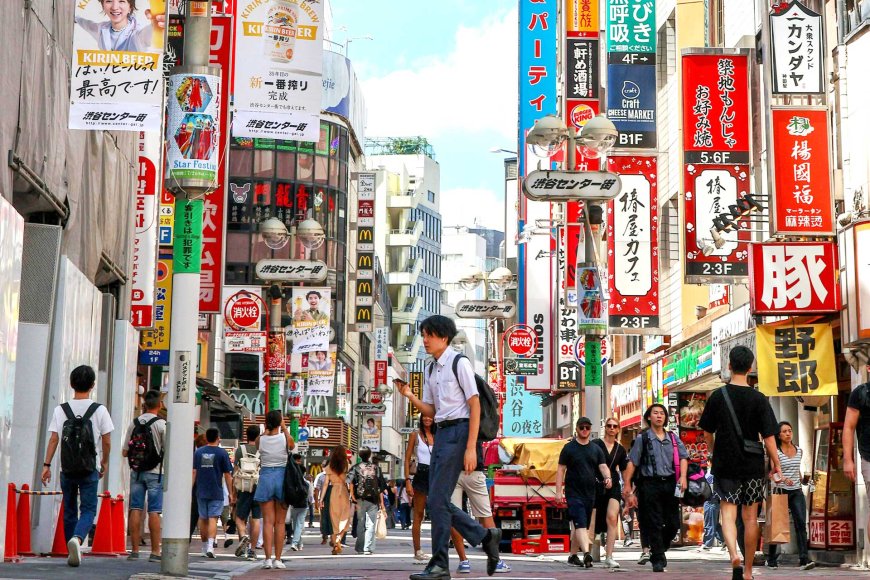
Respect Opens Doors in Japan
Japanese culture may seem complex at first, but it is built on simple principles: respect, harmony, and awareness of others.
For beginners, the goal is not perfection—but effort. Even small attempts to understand and follow cultural norms are appreciated and often rewarded with kindness.

Start Your Japan Journey Right (FREE Download)
Download the First 7 Days in Japan Checklist (FREE)
Don’t guess what to do — follow a proven plan.
Download your FREE “First 7 Days in Japan Checklist” PDF now:
✔ Instant download
✔ Mobile-friendly
✔ Printable
Want the COMPLETE Version? (Premium Upgrade)
If you want a deeper, more powerful guide, there’s also a premium version available on Gumroad.
Nipino.com is committed to providing you with accurate and genuine content. Let us know your opinion by clicking HERE.