













































Culture Shock Moments Foreigners Experience in the Philippines
Foreigners arriving in the Philippines often encounter culture shock moments that are surprising, confusing, and ultimately eye-opening. From flexible concepts of time to deeply rooted family values, these experiences reveal the heart of Filipino culture and offer valuable lessons in adaptability and human connection.
First Impressions That Leave a Mark
For many foreigners, arriving in the Philippines is both exciting and disorienting. The country greets visitors with warm smiles, lively streets, and an atmosphere that feels instantly welcoming—yet beneath that warmth are cultural norms that can surprise even seasoned travelers. Culture shock in the Philippines is rarely hostile; instead, it often comes wrapped in kindness, humor, and unexpected lessons about patience and community.
These moments of surprise are not signs of incompatibility but invitations to understand a society shaped by history, resilience, and strong interpersonal bonds.
Filipino Time: A Flexible Relationship With the Clock
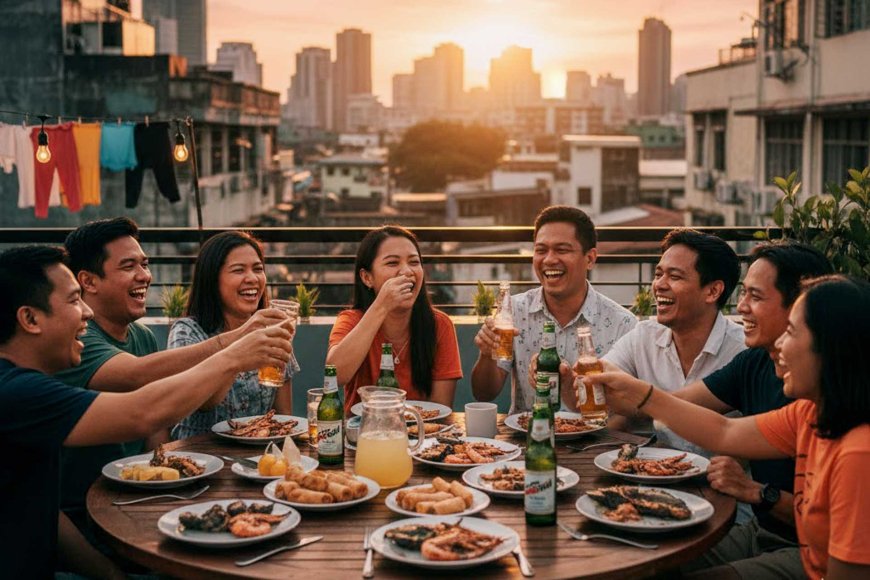
One of the earliest shocks for foreigners is the concept commonly referred to as “Filipino time.” Appointments, gatherings, and even events may start later than scheduled, sometimes by 30 minutes or more. For those from cultures where punctuality is strictly observed, this can feel frustrating or disrespectful.
However, Filipino time is less about disregard and more about prioritizing relationships and circumstances. Traffic, family obligations, and social interactions often take precedence over rigid schedules. Over time, many foreigners learn to adjust expectations and appreciate the calmer, less hurried rhythm of daily life.

Deep Family Ties That Shape Everyday Decisions
Family plays a central role in Filipino life, often more so than in many Western cultures. It is common for extended families to live together or nearby, with grandparents, aunts, uncles, and cousins actively involved in daily routines and decision-making.
Foreigners may be surprised by how major life choices—career moves, relationships, finances—are discussed collectively. While this can feel intrusive at first, it reflects a culture where support systems are strong and no one is expected to face challenges alone. For many outsiders, this emphasis on family becomes one of the most endearing aspects of Filipino culture.
Hospitality That Goes Beyond Politeness
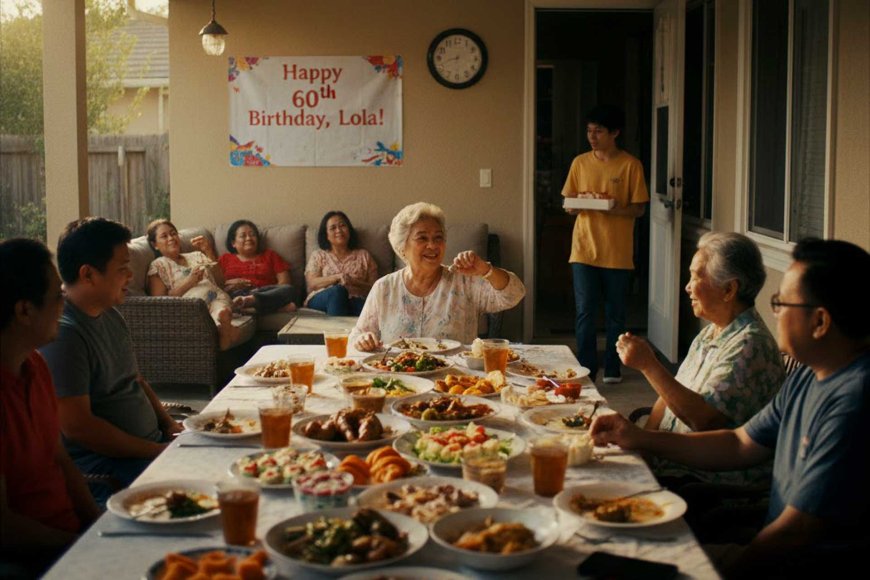
Filipino hospitality is legendary, and for good reason. Guests are often offered food repeatedly, encouraged to stay longer, and treated like family even upon first meeting. Foreigners may feel overwhelmed by the generosity, especially when hosts insist on giving more than they can comfortably afford.
This hospitality is rooted in values of respect, kindness, and shared joy. Refusing food or help too quickly can sometimes be seen as impolite, not because of entitlement, but because offering is a genuine expression of care.

Social Interaction With Strangers Feels Natural
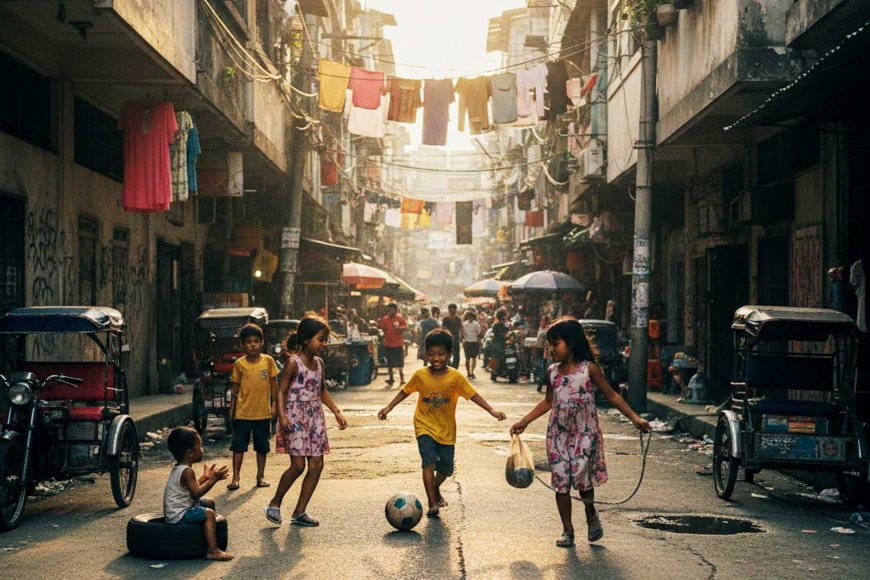
In the Philippines, small talk with strangers is common and often enthusiastic. Foreigners may be surprised when jeepney drivers, store clerks, or neighbors ask personal questions such as marital status, age, or purpose of visit.
These questions are rarely meant to invade privacy; instead, they reflect a culture that values connection and familiarity. What might feel intrusive in other countries is often simply a friendly attempt to build rapport.
Noise, Celebration, and Everyday Festivity
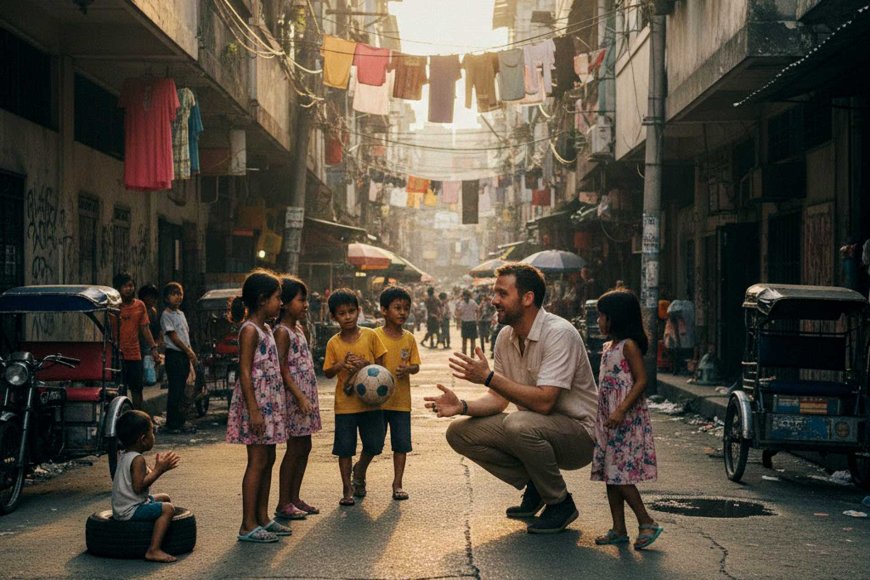
Life in the Philippines can be loud—karaoke sessions, neighborhood fiestas, birthday parties, and holiday celebrations are part of everyday life. Foreigners unaccustomed to this level of noise may initially find it overwhelming.
Yet these celebrations highlight the Filipino ability to find joy despite hardships. Music, laughter, and communal gatherings serve as emotional outlets and reinforce social bonds, turning ordinary days into shared experiences.
Economic Contrast Side by Side
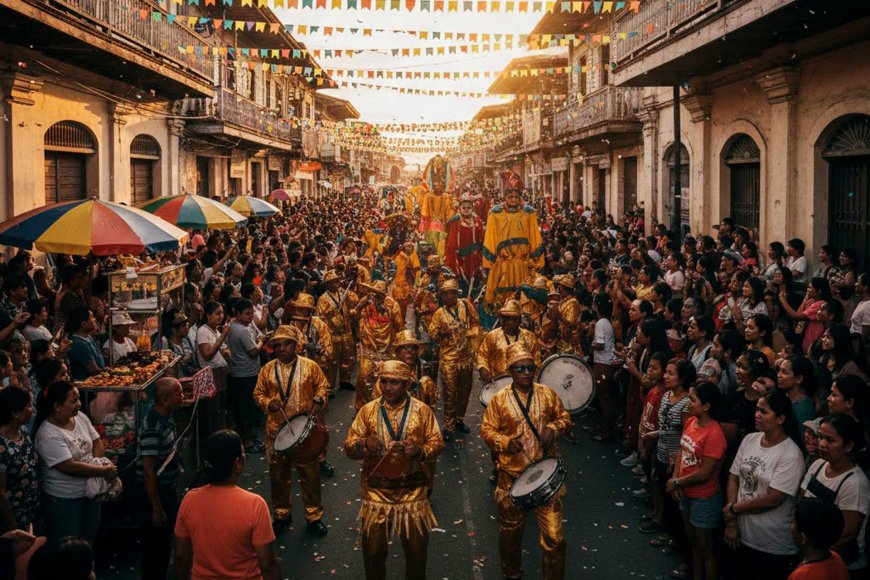
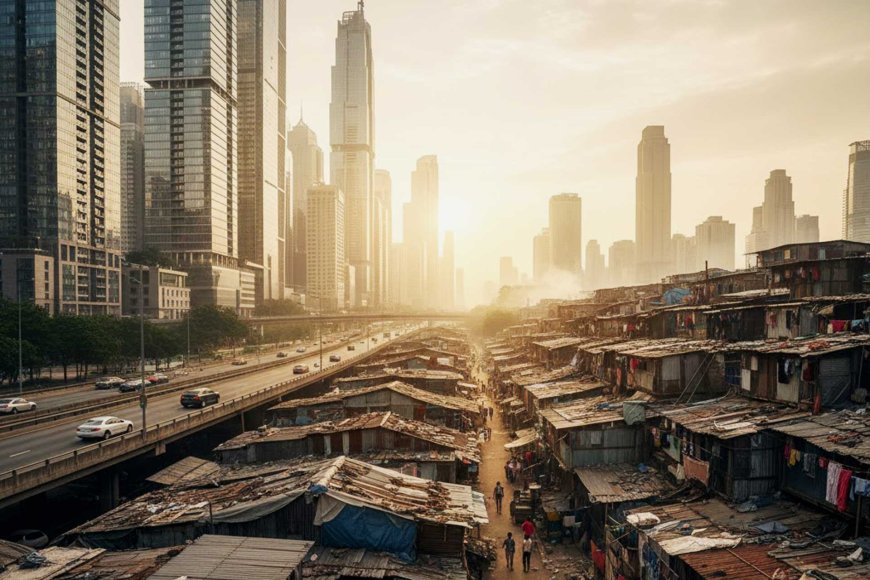
Another common culture shock is witnessing stark economic contrasts. Modern shopping malls can stand just minutes away from informal settlements. This visible inequality can be unsettling for foreigners, especially those unprepared for such proximity.
Despite these challenges, many foreigners notice the resilience and optimism of Filipinos. Smiles, humor, and generosity often persist even in difficult circumstances, offering a powerful lesson in perspective and gratitude.
Language Mixing and Communication Style
Foreigners are often intrigued by the seamless blending of English and Filipino languages in everyday conversation, commonly called “Taglish.” While English is widely spoken, sentences may shift between languages fluidly.
This mixing reflects the Philippines’ colonial history and global outlook. For foreigners, it can be both comforting and confusing—but it also makes communication more accessible than expected.

Culture Shock as a Path to Understanding
Culture shock moments in the Philippines are not obstacles but opportunities. Each surprise—whether about time, family, or social interaction—reveals deeper values centered on connection, resilience, and shared humanity.
For foreigners willing to observe, listen, and adapt, life in the Philippines becomes more than an adjustment; it becomes a lesson in warmth, patience, and the beauty of collective living.
Nipino.com is committed to providing you with accurate and genuine content. Let us know your opinion by clicking HERE.