



















































Omamori, Hatsumode, and Hope: How Japan Begins the Year with Faith
At the start of every year, Japan quietly teaches the world how hope can be held, renewed, and carried forward through simple rituals. Omamori, Hatsumode, and the unspoken wish for a better tomorrow come together as a powerful reminder that faith does not always need grand gestures—sometimes it fits in the palm of your hand.
A New Year That Begins with Stillness
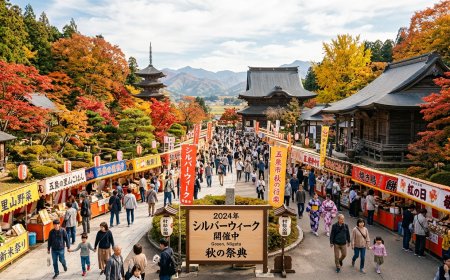
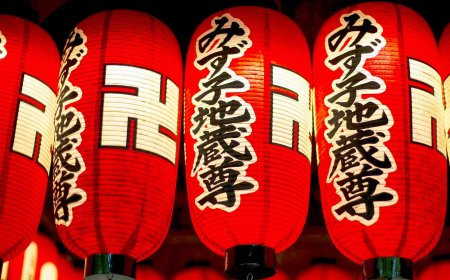
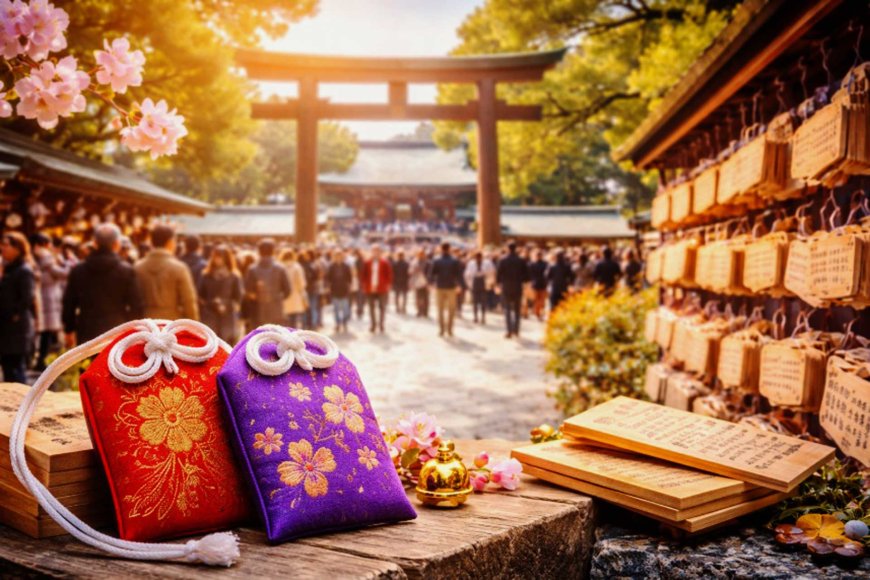
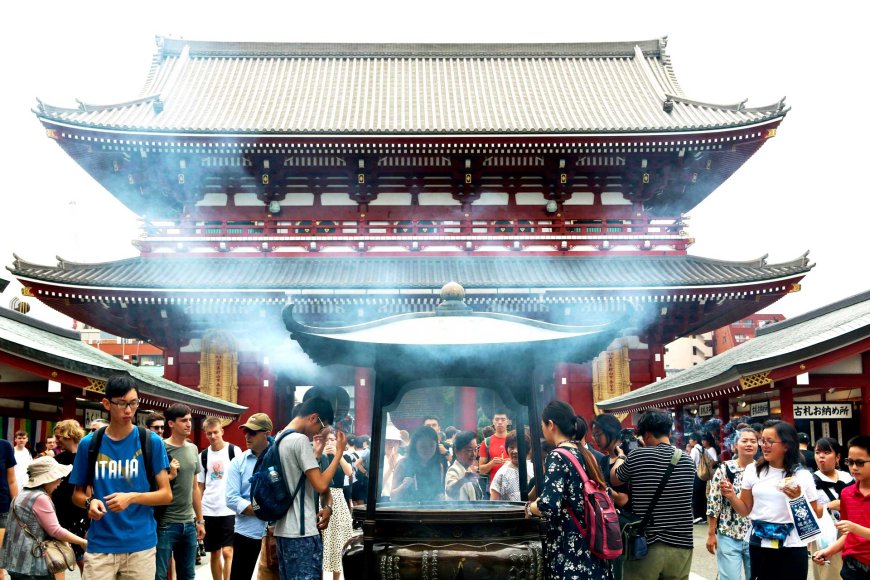
While many cultures welcome the New Year with fireworks and loud celebrations, Japan begins its year differently—quietly, thoughtfully, and with intention. In January, millions of people make their way to shrines and temples, not to demand answers, but to reflect. This moment is known as Hatsumode, the first shrine visit of the year.
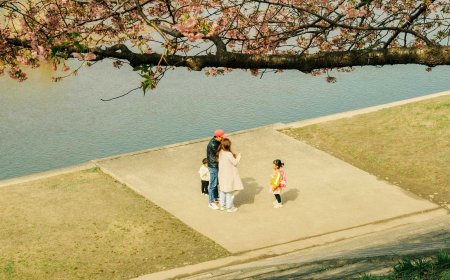
In this stillness, people pause between what has been and what might be. It is a collective inhale, shared across generations. Families walk together, couples line up side by side, and individuals stand alone with their thoughts, all connected by the same hope: that the coming year will be kinder, stronger, and meaningful.

Omamori: Carrying Hope in Your Pocket
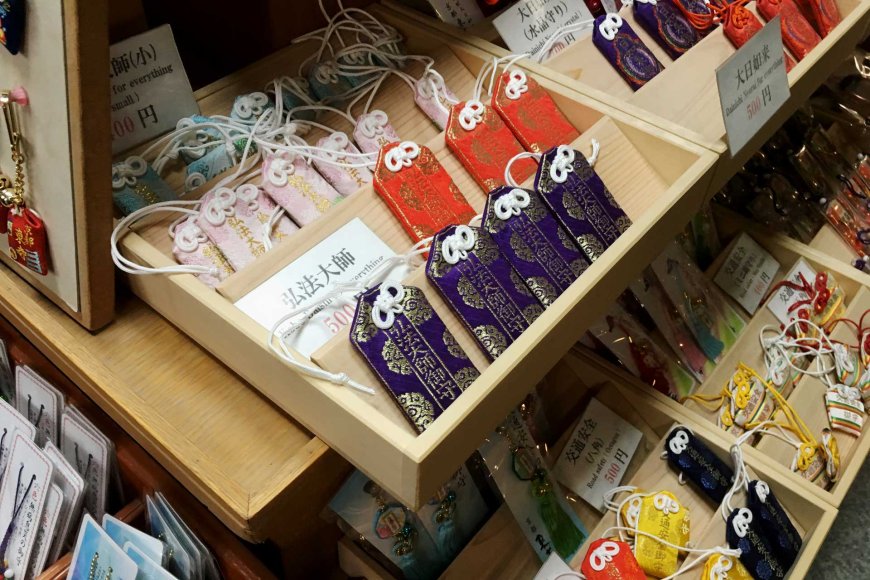
Among the many sights during Hatsumode, one small object stands out—the Omamori. These small, cloth-wrapped charms are sold at shrines and temples and are believed to offer protection or guidance. Each Omamori has a purpose: health, success, love, safety, studies, or even safe travels.
What makes Omamori special is not just the belief behind it, but how personal it becomes. Once tucked into a bag, hung in a car, or placed near a bed, it quietly stays with its owner throughout the year. It does not shout promises; it whispers reassurance.
For many foreigners living in Japan—Filipinos included—Omamori often becomes the first tangible connection to Japanese spirituality. Even without fully understanding the language or rituals, the act of carrying hope feels universal.
Hatsumode: A Ritual of Reset
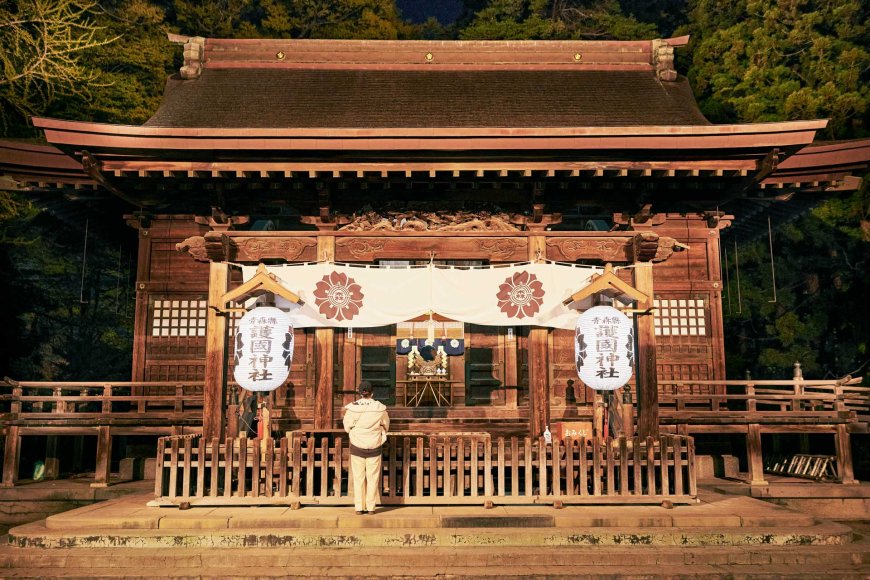
Hatsumode is more than tradition—it is a reset button. People line up to toss coins, bow, clap their hands, and make silent wishes. Some wish for success, others for healing, and many simply ask for strength.
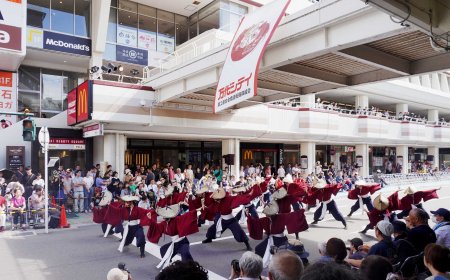
Popular shrines such as Meiji Shrine become gathering places for this shared moment of renewal. Yet the experience feels deeply personal. Each prayer is private, even within a crowd.
What stands out is that Hatsumode is not about perfection. It is about acknowledgment—of mistakes, struggles, and lessons from the past year—and the decision to move forward anyway.
Hope Without Certainty
One of the most beautiful aspects of Japanese New Year traditions is their acceptance of uncertainty. Omamori does not guarantee success. Hatsumode does not promise a problem-free year. Instead, they offer something more realistic: support, mindfulness, and resilience.
This idea resonates deeply with overseas workers, immigrants, and families living abroad. Hope becomes less about control and more about courage. Carrying an Omamori is a reminder that even when life feels unstable, intention can ground us.
Why This Matters to the Filipino Community
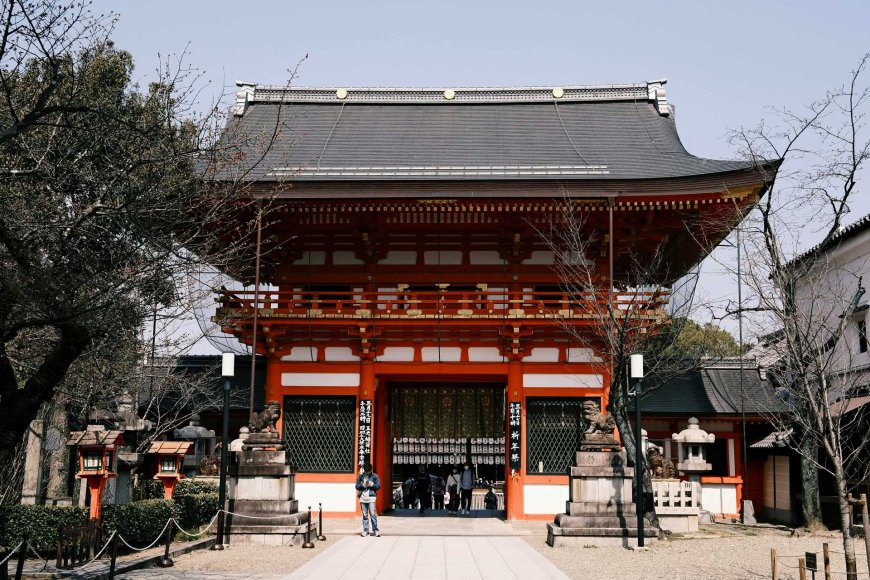
For Filipinos in Japan, these traditions often take on layered meanings. Away from home, surrounded by a different language and culture, the New Year can feel bittersweet. Participating in Hatsumode or buying an Omamori becomes a quiet way of belonging.
At Nipino.com, these moments matter. They show how cultures do not replace each other—they blend. A Filipino heart can hold Japanese rituals without losing its own traditions. In that blend, hope becomes stronger.
The Year Ahead, Held Gently
As the year unfolds, Omamori will fade, fray, and age. By next New Year, it will be returned to the shrine, thanked, and replaced. This cycle teaches an important lesson: hope is renewed, not hoarded.
In a world obsessed with certainty and speed, Japan’s New Year customs remind us to slow down, reflect, and carry hope gently. Whether you believe deeply or simply appreciate the symbolism, Omamori, Hatsumode, and the quiet wish for a better year offer something timeless.
Sometimes, hope does not arrive loudly. Sometimes, it comes wrapped in cloth, held close, and carried forward—step by step—into the unknown.
Nipino.com is committed to providing you with accurate and genuine content. Let us know your opinion by clicking HERE.