













































Why I Love Going to Onsen (温泉) Baths
Visiting an onsen (温泉) bath in Japan is more than just a way to relax—it’s a cultural and spiritual experience that soothes the body, clears the mind, and connects people with nature and tradition.
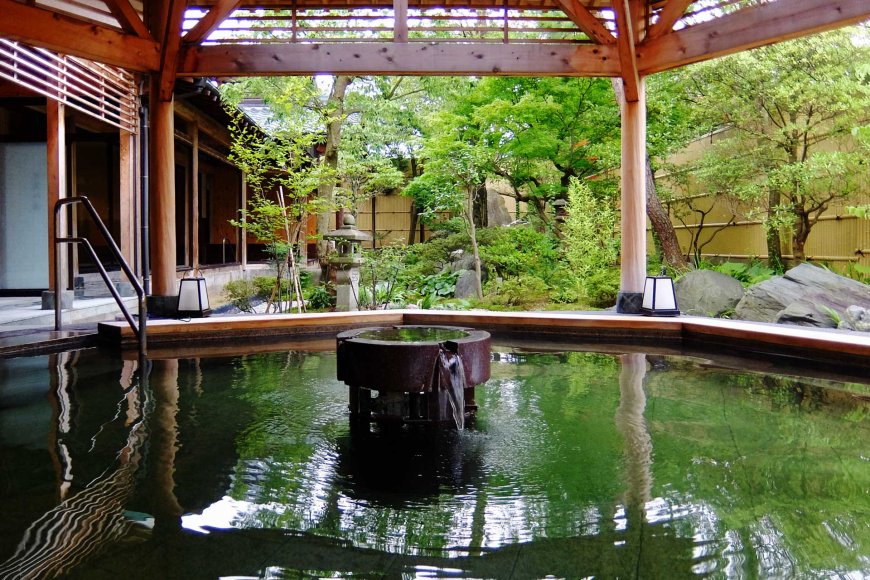
Onsen Culture
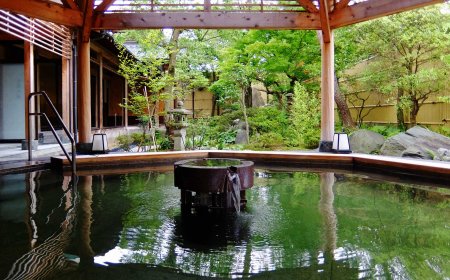
In Japan, onsen (温泉) baths are not simply about bathing; they are an ancient ritual deeply rooted in the country’s culture and respect for nature. Derived from geothermal hot springs, onsens are often nestled in mountains, valleys, or seaside towns, offering a serene escape from the chaos of modern life. For centuries, Japanese people have believed in the healing power of these natural waters—rich in minerals that rejuvenate the body and spirit.
The allure of the onsen lies not only in its physical benefits but also in its spiritual ones. The act of soaking in hot, mineral-rich water while surrounded by the quiet rhythm of nature creates a sense of harmony and mindfulness. It is this tranquil simplicity that draws both locals and travelers alike to return time and time again.
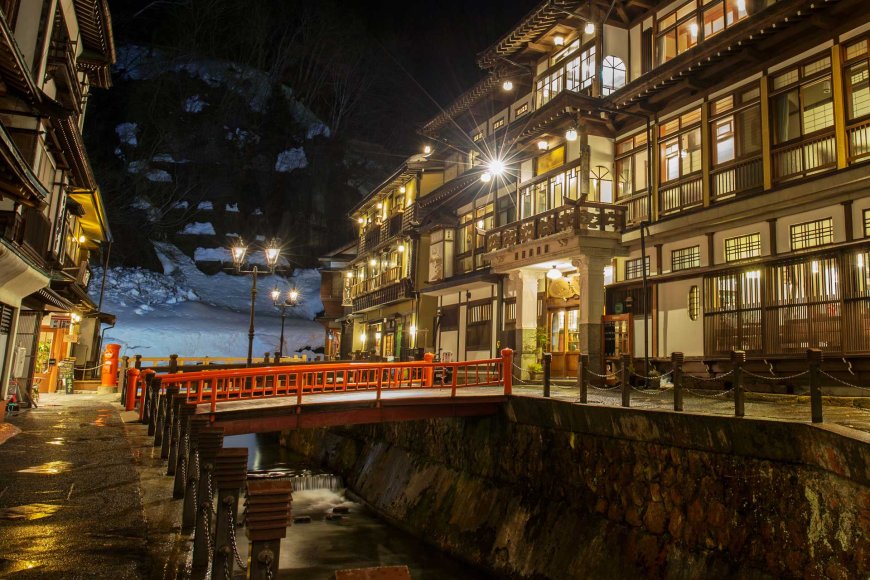
A Retreat from the Fast-Paced World
In today’s fast-moving world, where people constantly rush between responsibilities, onsens offer a rare chance to pause. The warm water envelops the body like a gentle embrace, easing tension in muscles and quieting the mind. Time slows down as the steam rises and thoughts drift away with the mountain breeze.
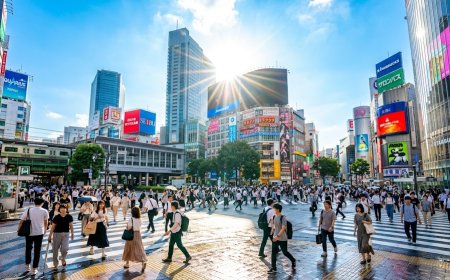
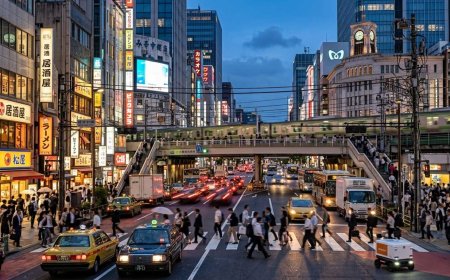
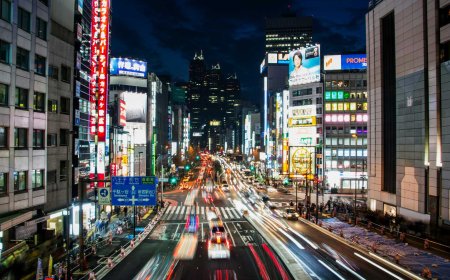
For those living in bustling cities like Tokyo or Osaka—or for foreigners adjusting to life in Japan—onsens become sanctuaries. They provide not only physical relaxation but also mental clarity, allowing visitors to recharge. Many Filipinos and expatriates who work long hours in Japan often find onsens a peaceful refuge, a reminder that self-care is an essential part of life.
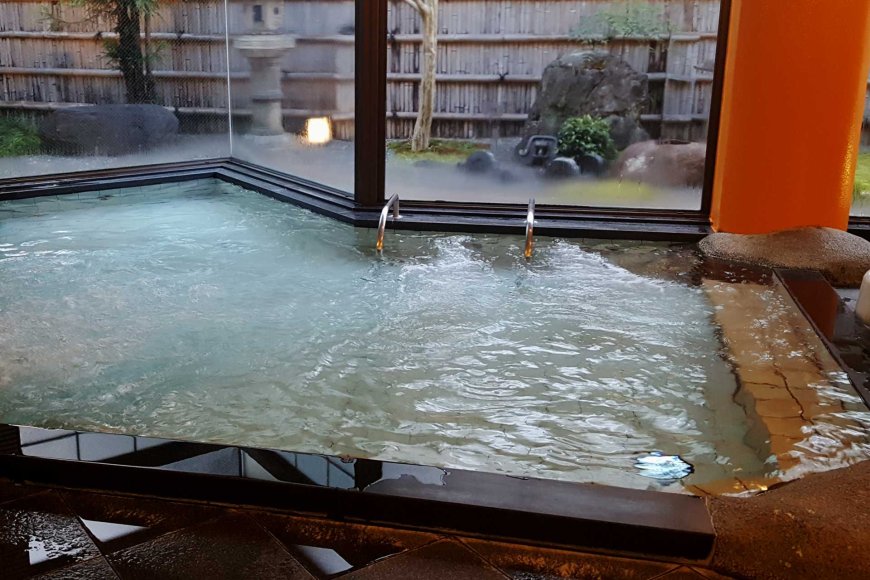
Healing Through Nature’s Elements
The magic of an onsen lies in its connection to the earth. Each hot spring has its own unique blend of minerals such as sulfur, sodium, calcium, and magnesium—each offering specific health benefits. Some onsens are known for treating skin conditions, while others are recommended for joint pain, fatigue, or circulation issues.
Unlike a typical spa, onsen water is naturally heated by volcanic activity, creating a living connection between people and the planet’s natural energy. Bathers often describe feeling “renewed” after soaking, as if the minerals draw out impurities and replace them with strength and serenity. This ancient belief in "yu no chikara" (the power of hot water) continues to influence Japan’s approach to holistic wellness today.
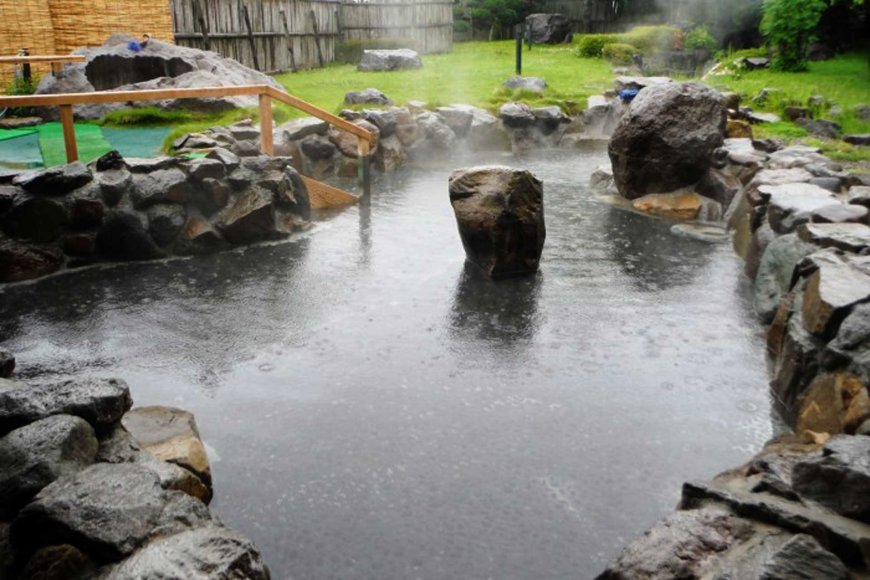
Mindfulness in Motion
What sets the onsen experience apart is the mindfulness it encourages. Before entering, every guest is required to wash thoroughly—a ritual that represents not only physical cleanliness but also respect for others and the sacredness of the water. This simple act reminds bathers to be fully present, leaving behind stress, ego, and digital distractions.
Inside the bath, silence and contemplation dominate. The sound of trickling water, rustling bamboo, or distant birdsong becomes a natural meditation. Many describe it as a moving form of Zen—where stillness and awareness merge into one peaceful moment. For people who practice mindfulness or seek to improve mental well-being, the onsen offers an effortless way to reconnect with inner calm.
Connection and Community
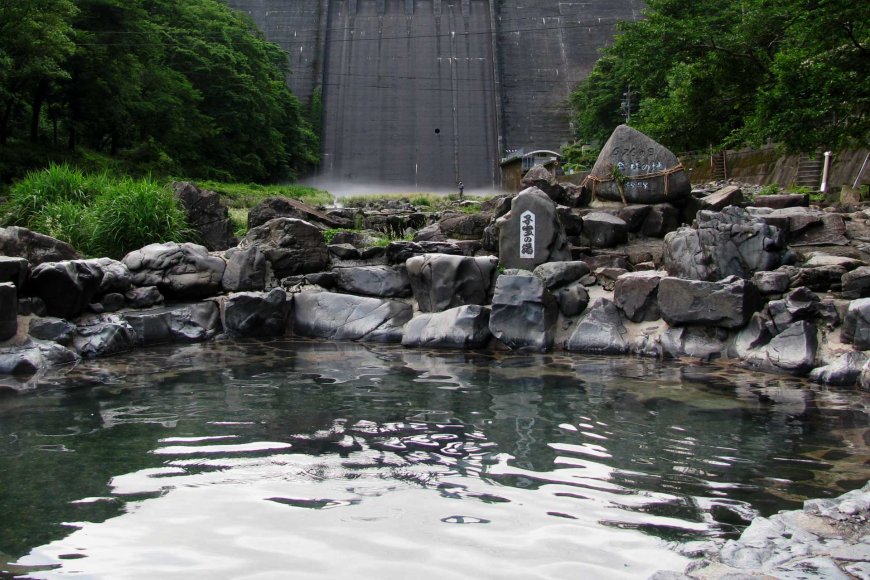
While onsen baths can be profoundly personal, they also foster social harmony. In traditional settings, people of all ages and backgrounds bathe together, symbolizing equality and openness. When everyone sheds their titles and uniforms, conversations flow more naturally, and genuine connections form.
For foreigners, joining locals in an onsen can be an enriching cultural experience. It teaches humility, respect, and the beauty of shared humanity. In small towns and countryside villages, these communal baths often become gathering spots where locals exchange stories, laughter, and warmth—both literal and emotional.
Seasonal Beauty and Scenic Escapes
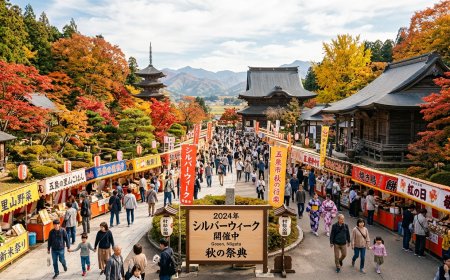
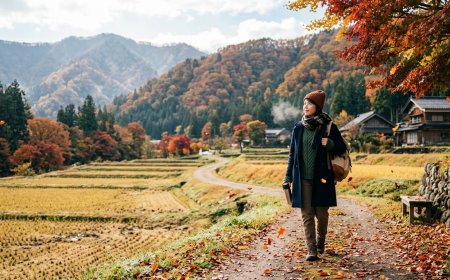
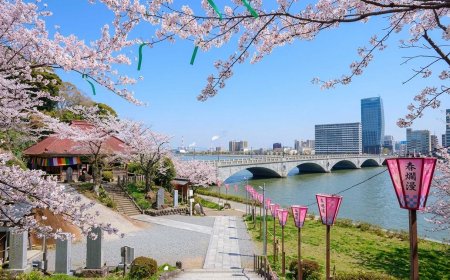
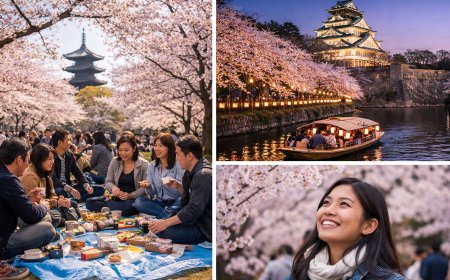
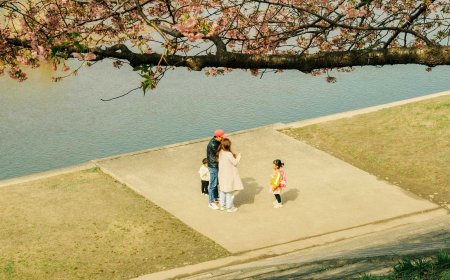
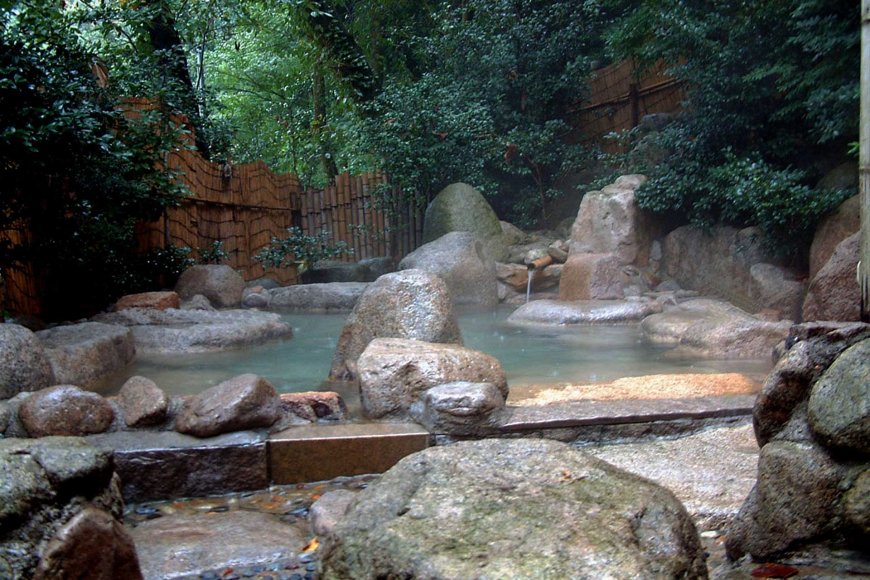
Every season transforms the onsen experience. In winter, snow blankets the landscape, and the contrast of cold air with hot water feels almost magical. In autumn, fiery red and golden leaves frame the baths, while in spring, cherry blossoms drift gently onto the surface of the water. Even summer, though warmer, offers mountain or seaside onsens that cool the soul under starlit skies.
Among Japan’s most beloved onsen regions are Hakone, Beppu, Kusatsu, and Niigata—each offering distinct scenery and mineral compositions. Whether hidden in forests or perched by the sea, every onsen tells its own story of nature’s artistry and resilience.
Lessons from the Onsen Experience
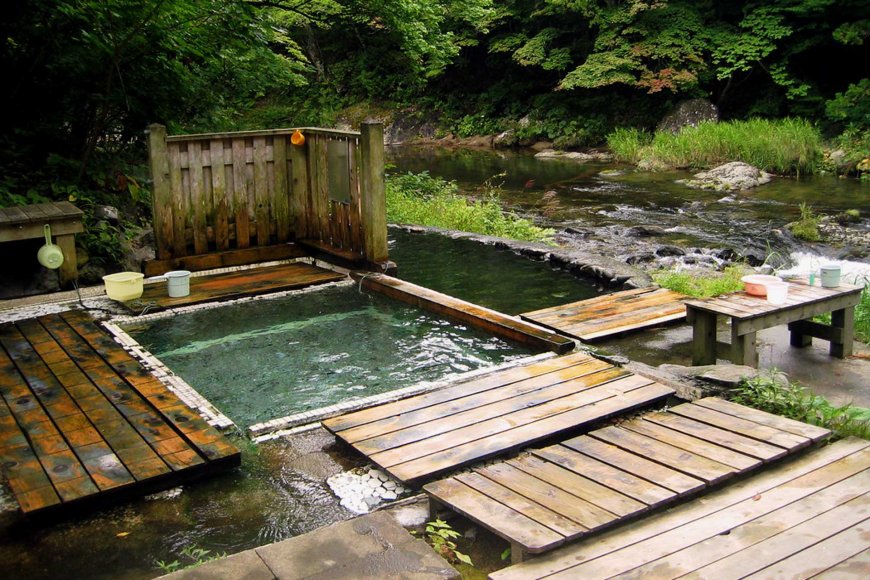
To love onsen is to embrace simplicity, patience, and gratitude. The experience teaches valuable lessons about slowing down and appreciating small moments—like the warmth of the water, the sound of silence, or the connection with others. It’s a reminder that true luxury is not found in extravagance but in the gentle rhythm of nature and mindfulness.
For many, including foreigners living in Japan, the onsen becomes more than a weekend getaway—it becomes a philosophy of life. One that values balance, respect, and the quiet beauty of being present.
A Warm Embrace from Japan
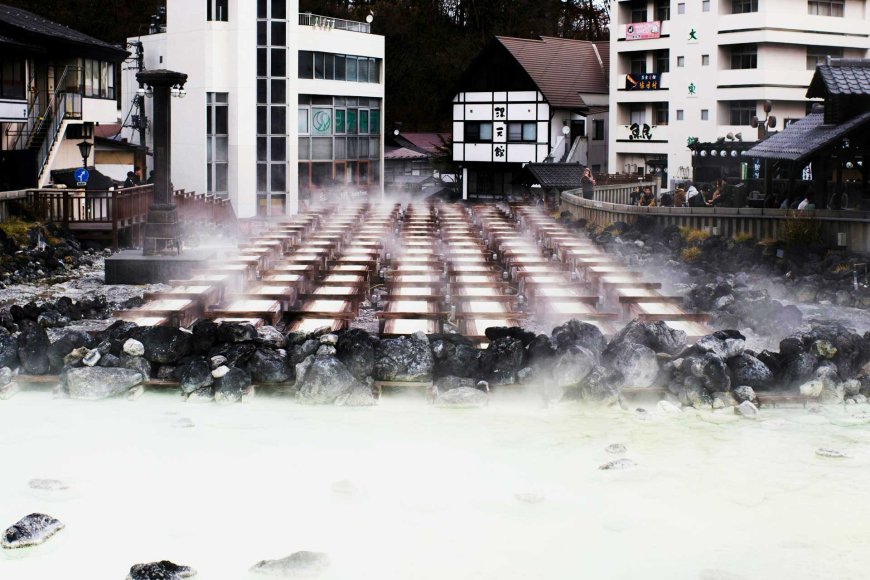
The love for onsen baths is not just about relaxation—it’s about finding oneself through stillness. It’s about returning to nature, rediscovering gratitude, and understanding the Japanese way of harmony (wa). Whether soaking in a secluded mountain spring or a cozy indoor bath, the onsen offers a universal message: peace can be found in simplicity, and warmth is not only in the water but also in the heart.
Nipino.com is committed to providing you with accurate and genuine content. Let us know your opinion by clicking HERE.