





































































What the 卍 (Manji) Really Means in Japan
The 卍 (manji) symbol in Japan is an ancient Buddhist sign representing peace, balance, and good fortune, yet it is often misunderstood by foreign audiences due to its visual similarity to the Nazi swastika.

A Symbol Misunderstood by the Modern World
In modern global discourse, few symbols provoke as much confusion and emotional reaction as the 卍 (manji) seen across Japan. For many visitors, especially from Western countries, encountering this symbol on maps, temples, or statues can be shocking. The resemblance to the Nazi swastika often leads to misunderstanding, discomfort, or even outrage.
However, in Japan, the manji has an entirely different origin, meaning, and cultural role. Long before its appropriation by Nazi Germany in the 20th century, the symbol had already existed for thousands of years across Asia. Understanding the Japanese manji requires historical literacy, cultural sensitivity, and the willingness to separate symbols from modern political trauma.

Ancient Origins of the 卍 (Manji)
The manji symbol predates modern nations, ideologies, and conflicts. Archaeological evidence shows that similar symbols appeared over 5,000 years ago in India, China, Central Asia, and parts of Europe. In Japan, the manji arrived through Buddhism, which was introduced from the Asian continent around the 6th century.
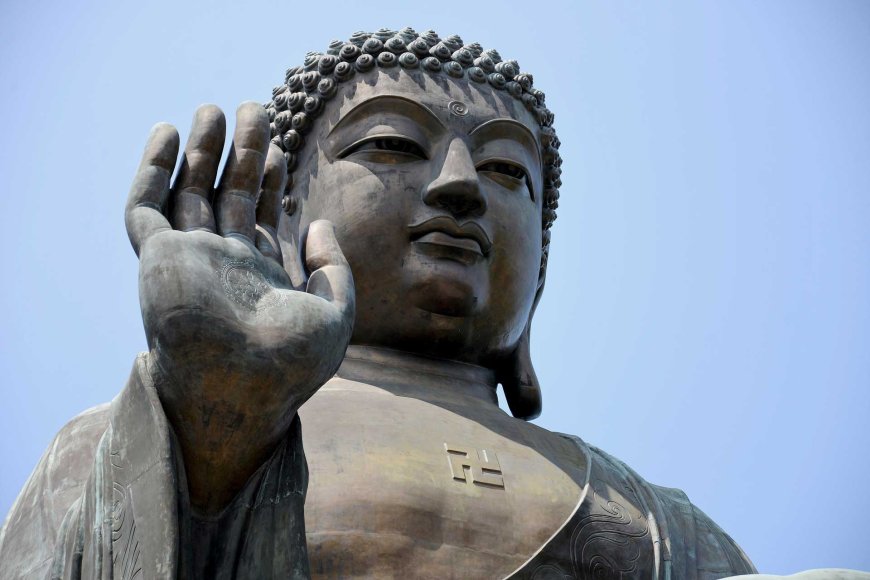
In Buddhist tradition, the manji represents harmony, eternity, prosperity, and the cyclical nature of life. It is commonly associated with the Buddha’s heart or footprints, symbolizing the endless flow of compassion and wisdom. Unlike modern political symbols, its meaning was spiritual, philosophical, and deeply human.

The Manji in Japanese Buddhism
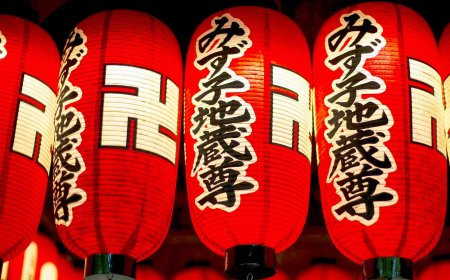
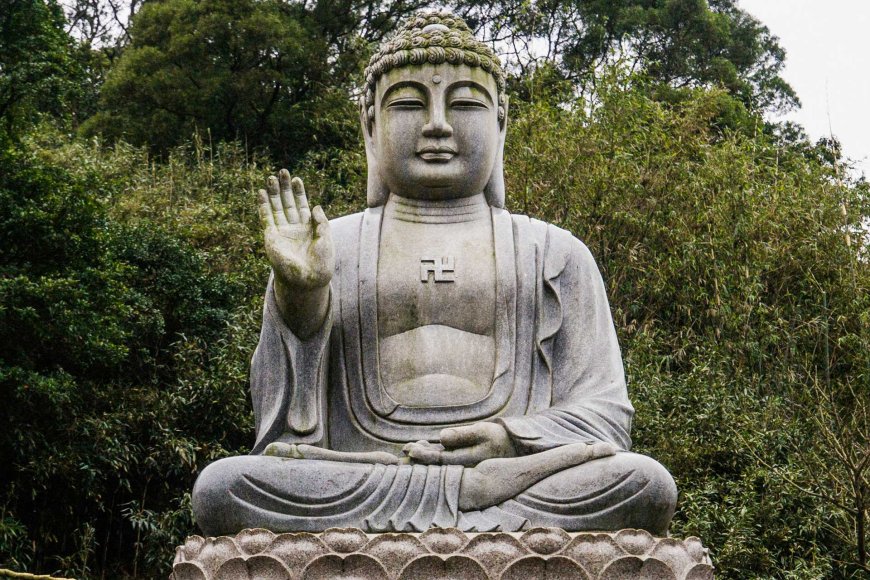
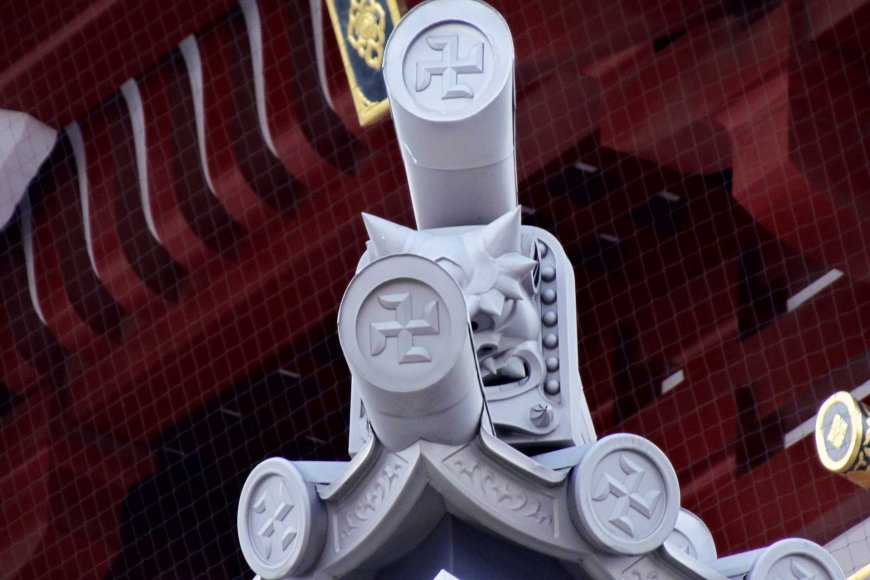
In Japan, the manji is inseparable from Buddhism. It appears on temple roofs, statues, gravestones, sutras, and pilgrimage maps. On Japanese maps, the manji icon is used to mark Buddhist temples—much like a cross marks churches in Western countries.
Importantly, the Japanese manji usually faces left (卍), which further distinguishes it from the right-facing Nazi swastika. Yet for many non-Japanese observers, this distinction is not immediately obvious. The symbol’s sacredness in Japan has never been associated with hate, violence, or racial ideology.
Why the Manji Was Never Removed in Japan
After World War II, Germany and many Western countries banned the swastika due to its association with genocide and fascism. Japan, however, never removed the manji from its cultural or religious landscape. The reason is simple: the manji was never used by Japan as a hate symbol.
To remove it would mean erasing centuries of religious heritage. Temples that existed long before the 20th century would lose an essential symbol of their identity. For Japanese society, the manji is not political—it is historical and spiritual.

Modern Tourism and Cultural Misunderstanding
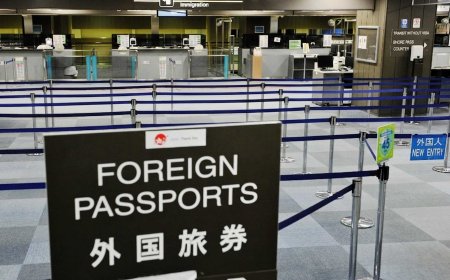
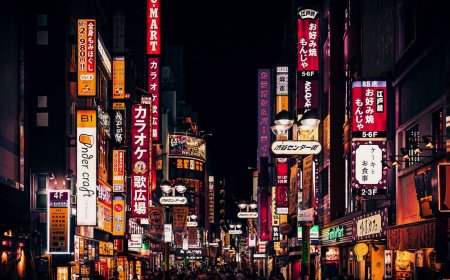
With the rise of international tourism, especially before and after the Tokyo Olympics, confusion surrounding the manji intensified. Some foreign tourists expressed discomfort seeing the symbol on public maps and signs. In response, Japanese authorities debated whether to replace the manji on English-language maps with alternative icons, not to erase its meaning but to avoid misunderstanding.
This sparked an important cultural conversation: should ancient symbols be altered to accommodate modern global sensitivities, or should education take priority over redesign? Many scholars and cultural advocates argue that learning, not removal, is the better solution.
The Difference Between the Manji and the Swastika
Visually similar symbols can carry radically different meanings depending on context. The Nazi swastika is a 20th-century political emblem tied to hatred, war, and genocide. The manji, by contrast, is a religious symbol that represents peace and balance.
Intent matters. History matters. Culture matters. Without understanding these distinctions, symbols lose their nuance and are reduced to surface-level interpretations. Japan’s continued use of the manji is not denial of history—it is recognition of a much older one.
Why Context Matters in a Globalized World
In an age of social media and instant judgment, symbols are often stripped of context. The manji challenges modern audiences to slow down and learn. It reminds us that not all meanings are universal and that history is layered, complex, and sometimes uncomfortable.
For Filipinos living in Japan, or Japanese people engaging with the global community, the manji becomes a powerful example of why cross-cultural education is essential. Understanding does not mean agreement—it means respect.

Learning Before Judging
The 卍 (manji) in Japan is not a symbol of hate, but a reminder of how deeply history and culture shape meaning. To judge it through a purely Western lens is to misunderstand both Japan and Buddhism.
In a world increasingly divided by misunderstanding, the manji offers a quiet lesson: symbols do not exist in isolation. They carry the weight of centuries, beliefs, and lived experiences. Learning their true meaning is not just an academic exercise—it is a step toward cultural empathy.
Nipino.com is committed to providing you with accurate and genuine content. Let us know your opinion by clicking HERE.