














































































Is It Time to Bring Back the Death Penalty in the Philippines?
As corruption scandals and crimes committed with apparent impunity continue to erode public trust, the debate over restoring capital punishment in the Philippines has re-emerged with urgency.
A Debate Reignited by Crisis
In recent years, public discourse in Philippines has grown increasingly tense as reports of large-scale corruption, unresolved crimes, and perceived elite impunity dominate headlines. Many citizens express frustration that powerful individuals appear untouchable while ordinary Filipinos bear the consequences of a broken justice system. Against this backdrop, a long-settled question has resurfaced: is it time to bring back the death penalty?
Once abolished in the name of human rights and democratic reform, capital punishment is now being reconsidered by some as a potential deterrent against heinous crimes and systemic corruption. Yet others warn that reviving it could deepen injustice rather than cure it.

Death Penalty in the Philippines
The Philippines has a complex relationship with capital punishment. Introduced during the Spanish colonial period, the death penalty persisted through various regimes, including the American era and post-independence governments. It was abolished in 1987 under the Constitution following the fall of the Marcos dictatorship, briefly reinstated in the 1990s for heinous crimes, and permanently abolished again in 2006.
The abolition was celebrated internationally as a commitment to human rights and due process. However, critics argue that legal reform did not sufficiently strengthen institutions, leaving enforcement weak and corruption pervasive.

The Case for Bringing It Back
Supporters of restoring the death penalty often frame their argument around accountability. They contend that the current system fails to deter powerful criminals—especially those involved in large-scale corruption, drug trafficking, or violent crime.
From this perspective, capital punishment is seen less as vengeance and more as a symbolic line in the sand: a declaration that no one, regardless of status, is above the law. Advocates argue that when crimes are committed with impunity, the harshest penalty may be necessary to restore public faith in justice.
Some also claim that fear of irreversible punishment could discourage officials from abusing power, particularly when corruption causes widespread harm such as poverty, unsafe infrastructure, or loss of life.
The Risks of Capital Punishment in a Corrupt System
Opponents counter that introducing the death penalty into a flawed justice system is inherently dangerous. If courts, prosecutors, and law enforcement are themselves vulnerable to corruption, then the risk of wrongful convictions increases dramatically.
In such a scenario, capital punishment could become a weapon against the poor, political enemies, or marginalized groups, while the truly powerful remain protected. History offers numerous examples where harsh laws were enforced selectively, reinforcing inequality rather than eliminating crime.
Human rights advocates emphasize that once a life is taken by the state, no appeal or correction can undo a mistake.
Justice Reform Versus Punishment
Many legal scholars argue that the real issue is not the absence of the death penalty, but the failure of institutions. Slow court processes, weak witness protection, lack of transparency, and political interference all undermine justice.
From this viewpoint, restoring capital punishment addresses symptoms rather than causes. Strengthening investigative bodies, ensuring judicial independence, and enforcing anti-corruption laws consistently may have a far greater impact than reintroducing executions.
This approach requires patience and political will—qualities often in short supply—but proponents argue it is the only sustainable solution.

Cultural and Moral Considerations
Filipino society is deeply influenced by religious and communal values, particularly the sanctity of life and the importance of redemption. For many, the death penalty conflicts with moral teachings that emphasize forgiveness and rehabilitation.
At the same time, public anger toward unpunished wrongdoing is real and growing. This creates a moral tension between compassion and the desire for justice—a tension that cannot be resolved by legislation alone.
Public Sentiment and the Role of Emotion
Public opinion often swings sharply after high-profile crimes or corruption scandals. In moments of outrage, calls for the harshest penalties grow louder. While these emotions are understandable, policymakers must consider whether laws shaped by anger can deliver fair outcomes in the long term.
History shows that reactionary policies, once enacted, are difficult to reverse—even when their consequences prove harmful.
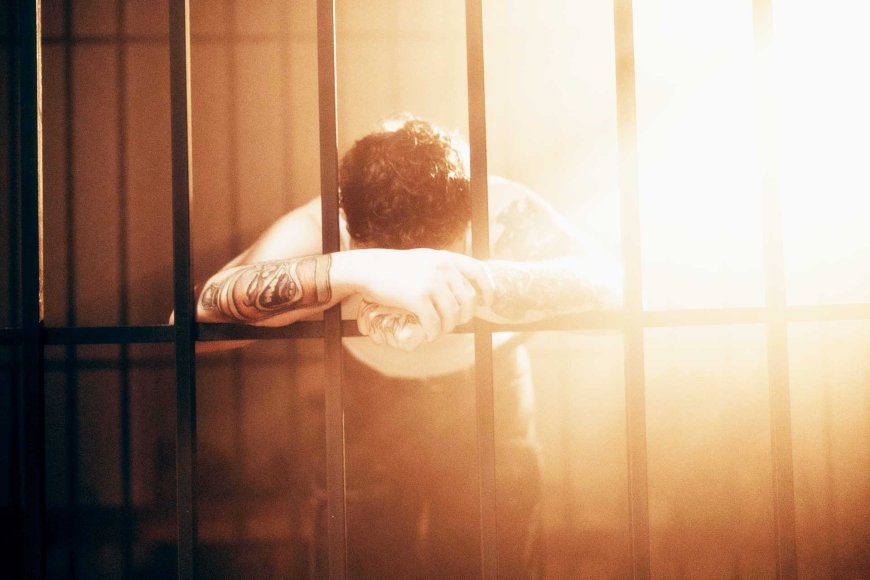
A Question Bigger Than Punishment
The question of whether to bring back the death penalty in the Philippines ultimately reflects a deeper crisis of trust. Many Filipinos no longer believe that the system works for them, or that justice applies equally to all.
While capital punishment may appear to offer swift and decisive action, it risks masking the deeper work required to rebuild institutions and restore credibility. The debate, therefore, is not only about life and death, but about what kind of justice society truly seeks.
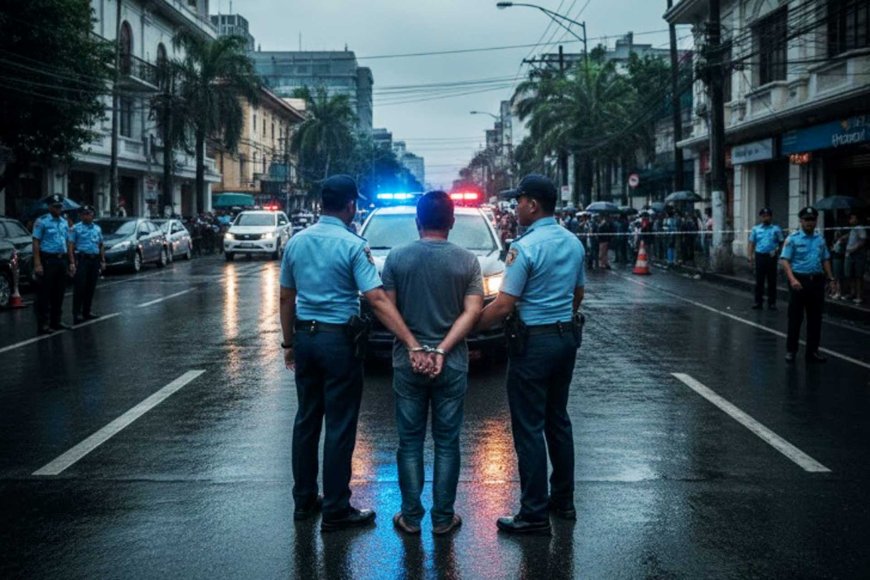
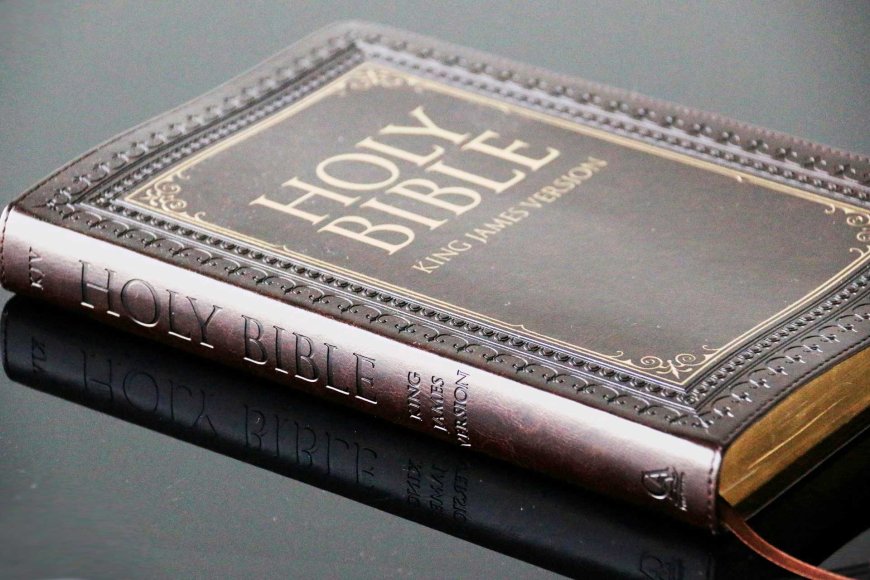
According to the Bible
Romans 13:1–4 — Government Authority to Punish
“For the one in authority is God’s servant for your good. But if you do wrong, be afraid, for rulers do not bear the sword for no reason.”
— Romans 13:4
Why this verse matters
- The “sword” is widely interpreted as the power to impose severe punishment, including death.
- It acknowledges that governments have authority to punish wrongdoing to maintain order.
Nipino.com is committed to providing you with accurate and genuine content. Let us know your opinion by clicking HERE.