








































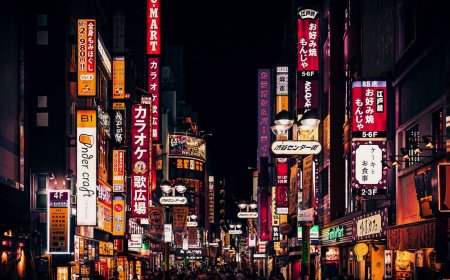


Cost of Living in Japan (2026 Guide) – Housing, Food, Transportation, and Daily Expenses
Japan is known for its modern cities, efficient transportation, and high quality of life, but the cost of living can vary greatly depending on location and lifestyle. This 2026 guide explains the typical expenses foreigners should expect when living in Japan, including housing, food, transportation, and everyday necessities.
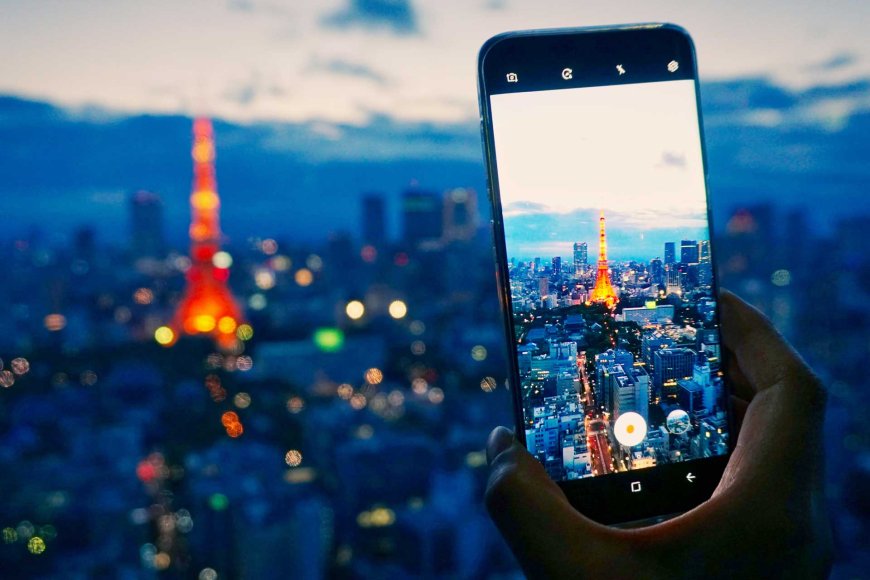
Understanding the Cost of Living in Japan
Japan remains one of the most developed and organized countries in the world, offering excellent infrastructure, public safety, and reliable services. However, many people considering moving to Japan often wonder about the cost of living and whether it is affordable.
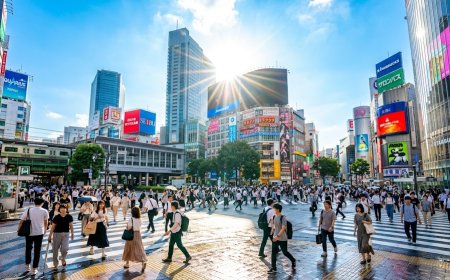
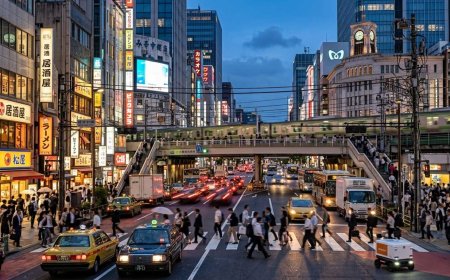
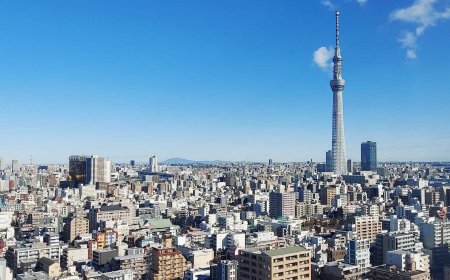
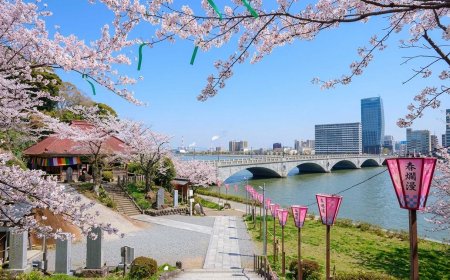
In 2026, the cost of living in Japan continues to depend heavily on where a person lives. Major cities such as Tokyo and Osaka tend to be more expensive, while rural areas and smaller prefectures like Niigata can be significantly cheaper.
Foreign workers, students, and families often find that careful budgeting allows them to live comfortably in Japan. Understanding the major expense categories can help newcomers prepare financially before arriving.
Housing Costs in Japan
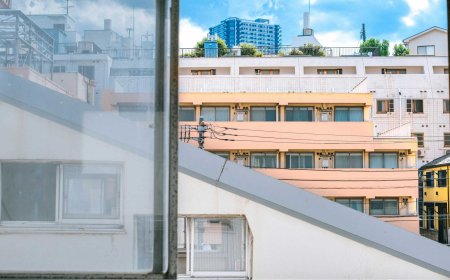
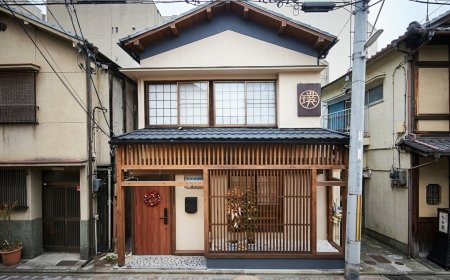
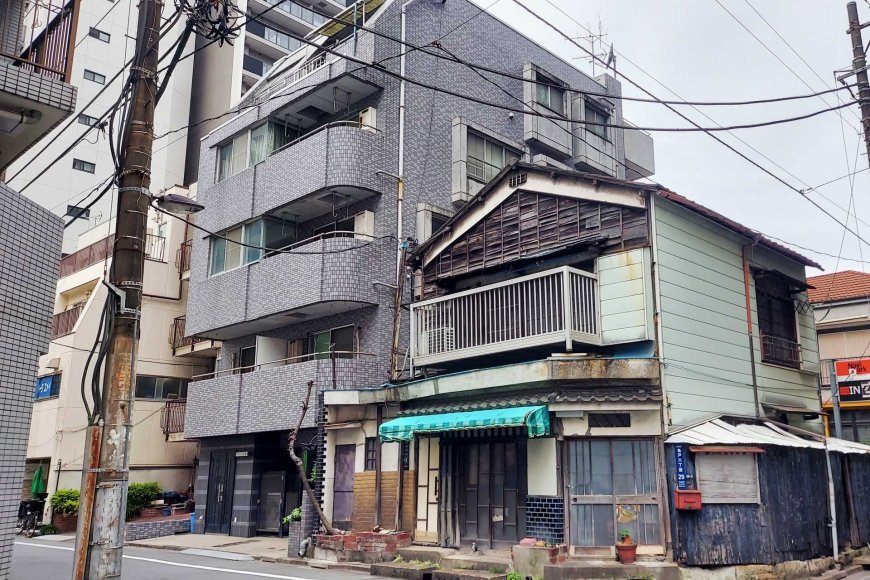
Housing is usually the biggest monthly expense for anyone living in Japan. Rent prices vary widely depending on the city, the neighborhood, and the size of the apartment.
In Tokyo, a small one-room apartment may cost between ¥70,000 and ¥120,000 per month. In smaller cities or rural areas, similar apartments may range from ¥35,000 to ¥60,000.
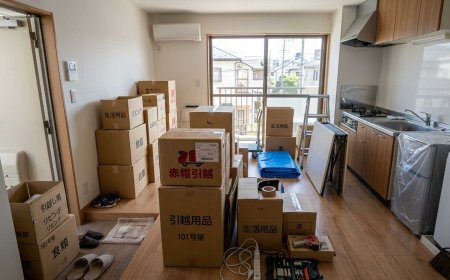
Apartments in Japan also often require additional upfront payments such as a deposit (敷金 - shikikin), key money (礼金 - reikin), and agency fees. These initial costs can sometimes equal three to five months of rent.
Because of these expenses, many foreign students and workers initially choose company housing, dormitories, or shared apartments to reduce costs.
Food and Grocery Expenses
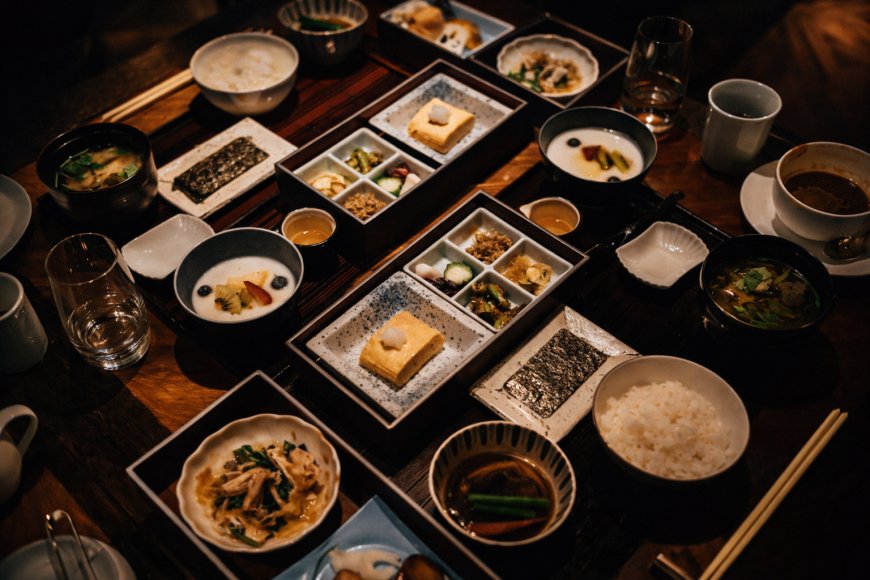
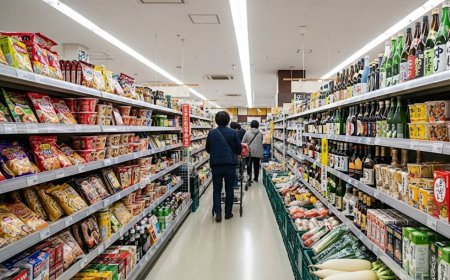
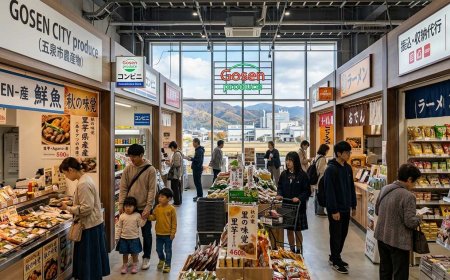
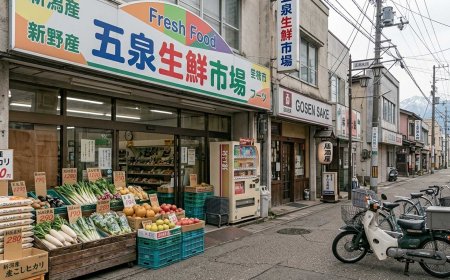
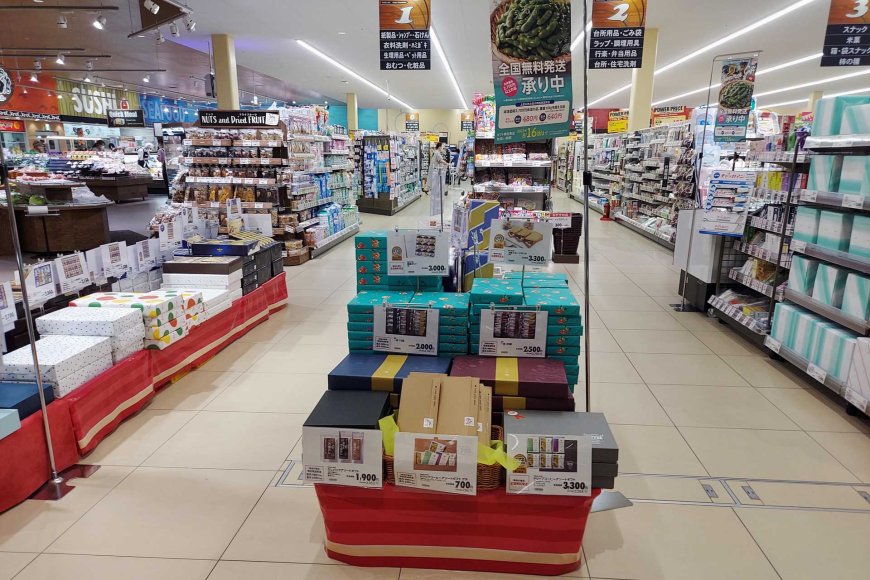
Food costs in Japan can be surprisingly reasonable if people cook at home. Supermarkets offer a wide variety of fresh vegetables, seafood, and packaged foods.
A typical monthly grocery budget for one person ranges from ¥25,000 to ¥40,000. Shopping at discount supermarkets or buying items on sale can reduce this amount even further.
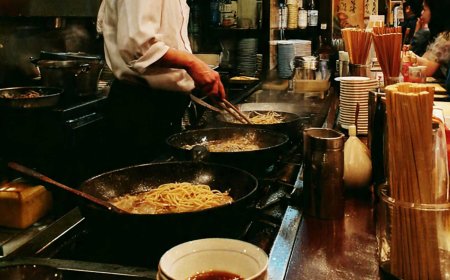
Eating out is also common in Japan and can be affordable depending on the restaurant. A simple meal such as ramen, curry rice, or a rice bowl usually costs between ¥600 and ¥1,200.
Convenience stores are everywhere in Japan and offer ready-to-eat meals, snacks, and drinks. While convenient, relying heavily on convenience store food can increase monthly expenses.
Transportation Costs
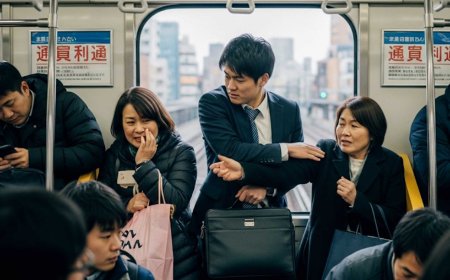
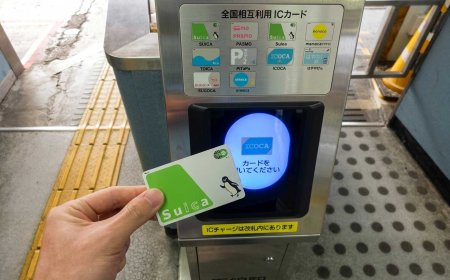
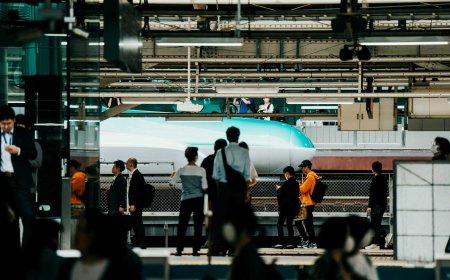
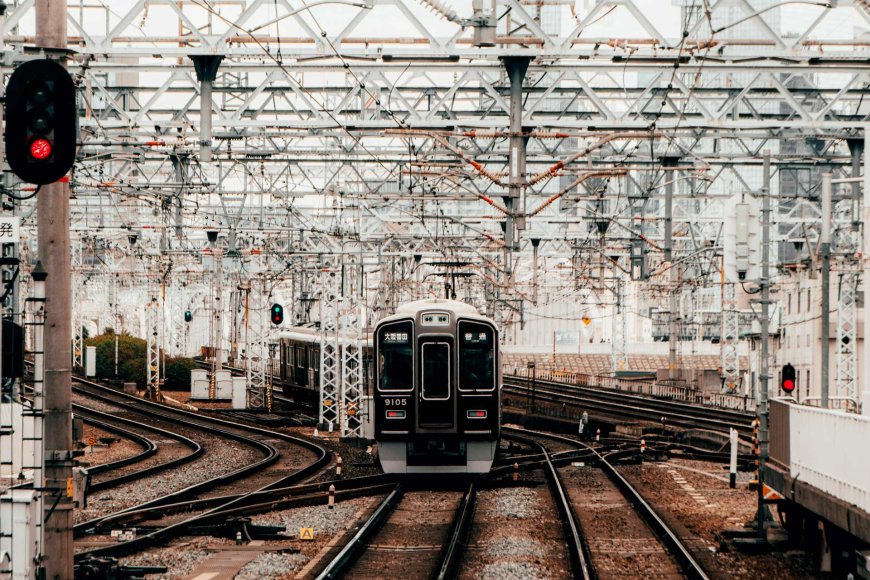
Japan’s transportation system is famous for being efficient and punctual. Trains and buses connect cities and neighborhoods across the country.
For commuters, monthly train passes can range from ¥5,000 to ¥20,000 depending on the distance traveled. Many companies provide transportation allowances for employees.
Students often receive discounted commuter passes, making daily travel more affordable.
Some residents also choose to own cars, particularly in rural areas where trains are less frequent. However, car ownership includes additional costs such as insurance, parking, gasoline, and vehicle inspection (車検 - shaken).
Utilities and Communication
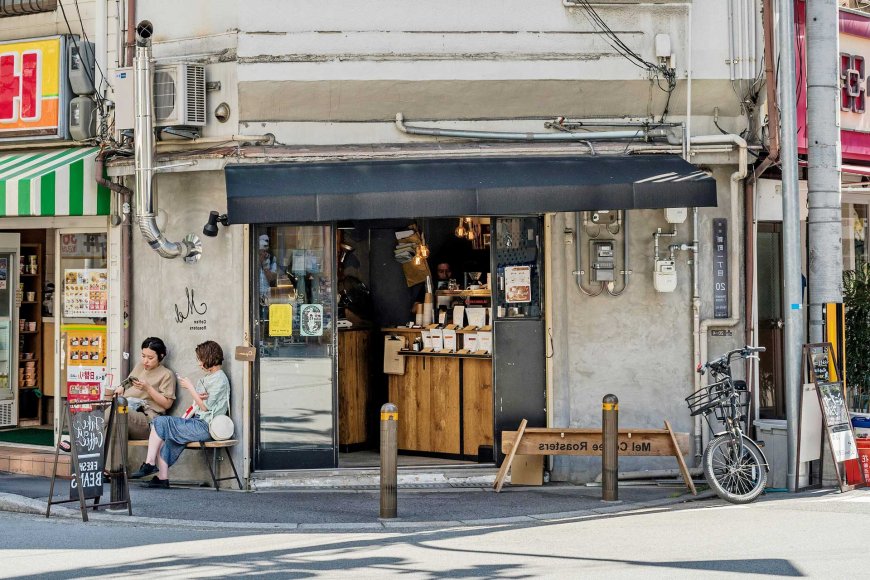
Utilities are another important part of monthly living expenses. These typically include electricity, gas, water, internet, and mobile phone service.
For a single person, utility bills may average between ¥10,000 and ¥18,000 per month depending on the season. Winter heating and summer air conditioning can increase electricity costs.
Internet service usually costs around ¥4,000 to ¥6,000 monthly, while mobile phone plans may range from ¥2,000 to ¥8,000 depending on the provider and data plan.
Many residents choose budget mobile carriers known as MVNO services to reduce communication costs.
Health Insurance and Taxes
Foreign residents living in Japan are required to enroll in health insurance. Students and many workers join the National Health Insurance system, while full-time employees may be covered by company insurance.
Monthly insurance premiums depend on income but typically range from ¥2,000 to ¥20,000.
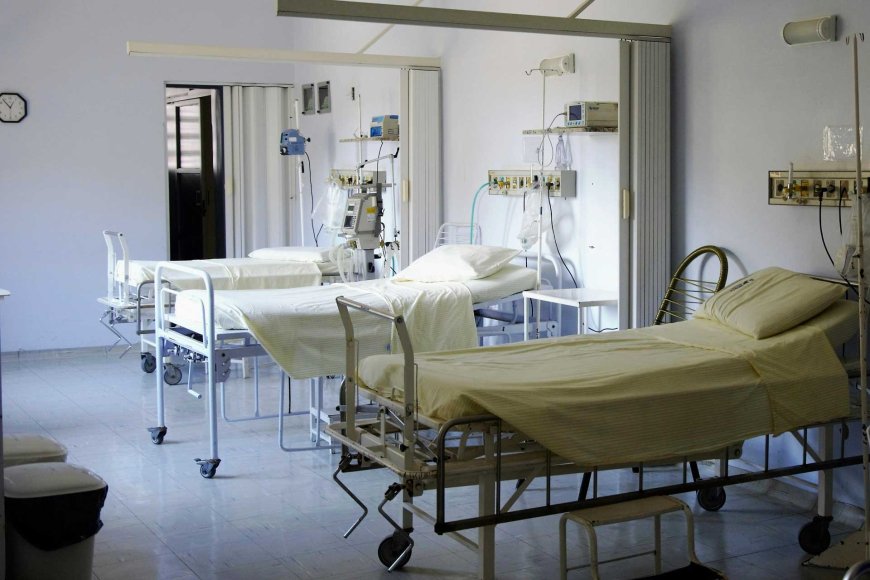
Japan’s healthcare system is known for its affordability and quality. Patients usually pay only 30 percent of medical costs, with insurance covering the rest.
Residents must also pay local residence taxes, which are calculated based on income from the previous year.
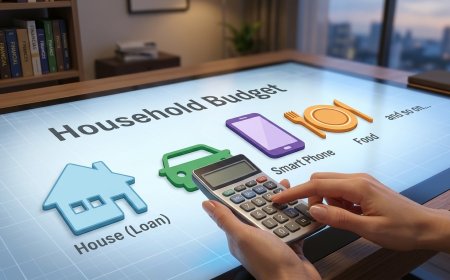
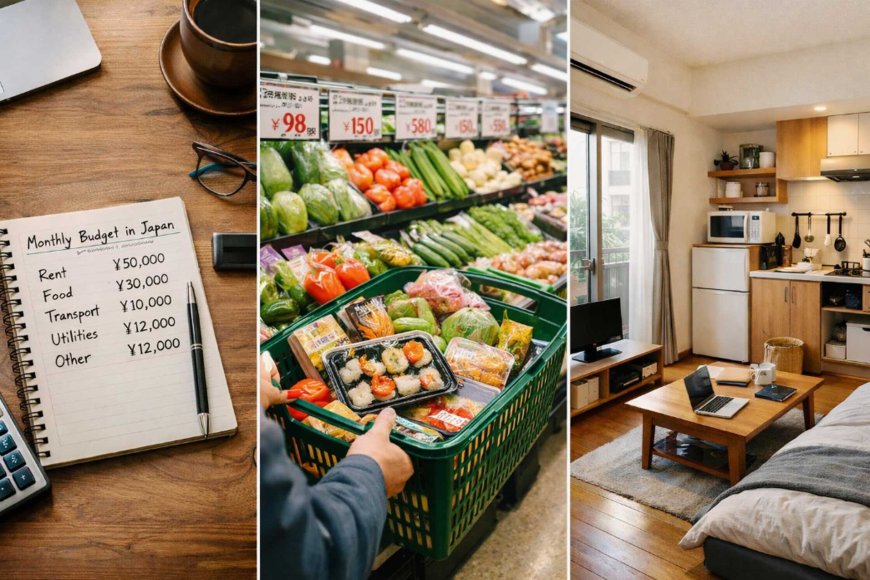
A Sample Monthly Budget in Japan
Although expenses vary by lifestyle, a rough monthly budget for a single person living outside major cities may look like this:
- Rent: ¥40,000 – ¥60,000
- Food: ¥25,000 – ¥40,000
- Transportation: ¥5,000 – ¥15,000
- Utilities: ¥10,000 – ¥18,000
- Phone and Internet: ¥3,000 – ¥10,000
- Health Insurance and Miscellaneous: ¥5,000 – ¥20,000
Total estimated monthly cost: ¥90,000 – ¥160,000.
In larger cities like Tokyo, this total can increase significantly due to higher rent.

Living Comfortably in Japan
Despite the perception that Japan is expensive, many foreigners find that living costs can be manageable with careful budgeting. Clean cities, safe neighborhoods, reliable transportation, and access to quality food contribute to a comfortable lifestyle.
For workers and students planning to move to Japan in 2026, understanding these expenses helps avoid financial surprises. With preparation and smart spending habits, living in Japan can be both affordable and rewarding.
Prepare Smarter, Live Better in Japan (FREE Download)
Download the First 7 Days in Japan Checklist (FREE)
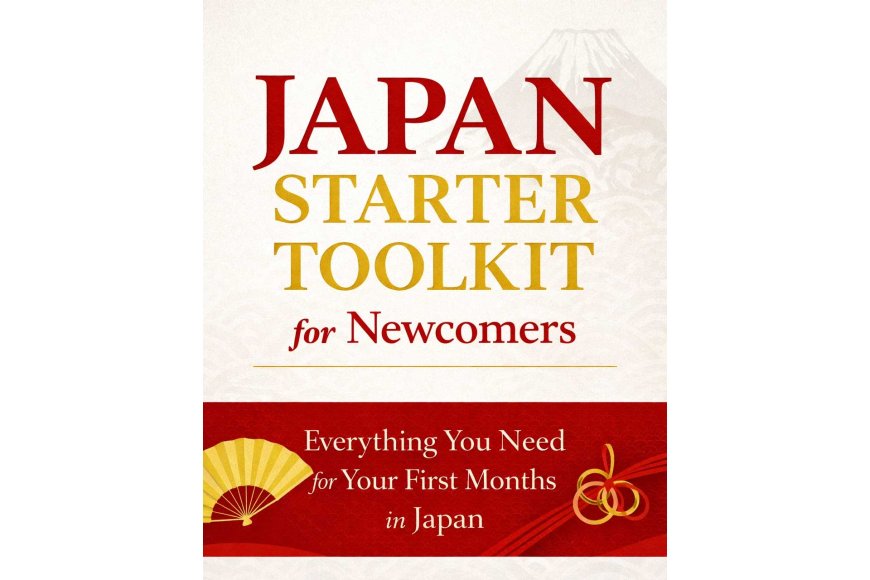
Don’t guess what to do — follow a proven plan.
Download your FREE “First 7 Days in Japan Checklist” PDF now:
✔ Instant download
✔ Mobile-friendly
✔ Printable
Want the COMPLETE Version? (Premium Upgrade)
If you want a deeper, more powerful guide, there’s also a premium version available on Gumroad.
Nipino.com is committed to providing you with accurate and genuine content. Let us know your opinion by clicking HERE.