




































































"Osechi": A Culinary Celebration of Japanese Tradition
The Traditional Japanese New Year's Kitchen Celebration rooted in symbolism and history. Osechi is shared b families to celebrate prosperity and longevity.
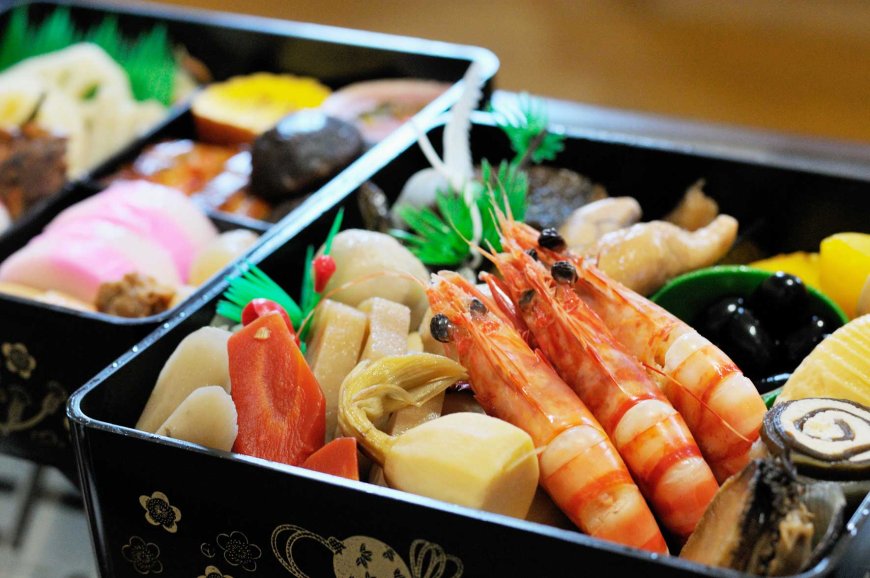
Traditional Japanese New Year's Food
Japan, a country rich in tradition and culture, welcomes the New Year with a unique culinary tradition known as "Osechi." This time-honored practice involves the preparation and consumption of special New Year's dishes that symbolize good fortune, prosperity, and longevity.
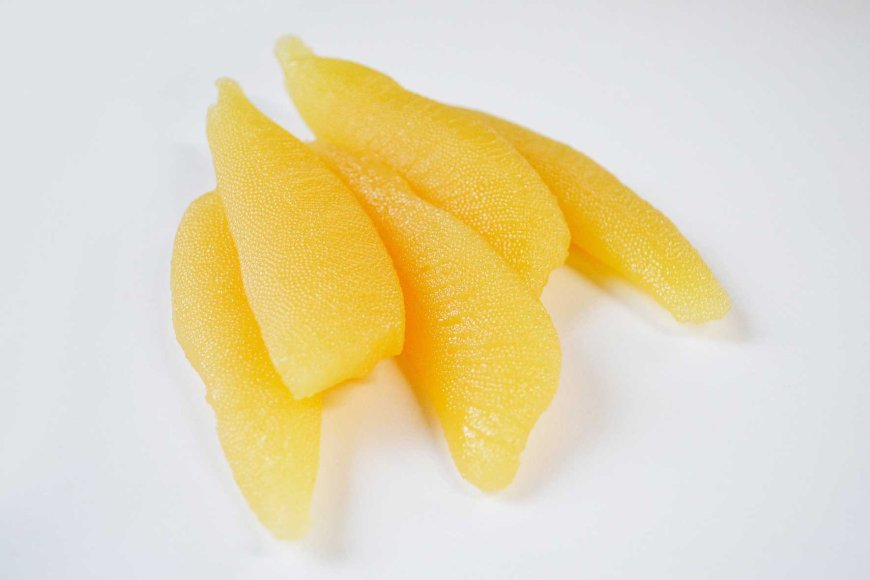 Kazunoko (Herring Roe) symbolizes fertility and a prosperity
The Origins of Osechi
Osechi has its roots in the Heian period (794-1185), where the act of storing and preserving food for the New Year became a practical necessity due to the closure of businesses and markets during the holidays. Over time, this evolved into a symbolic tradition with carefully selected foods that represent various auspicious meanings.
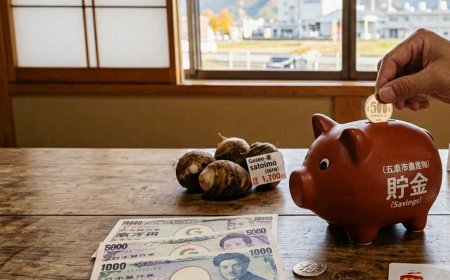
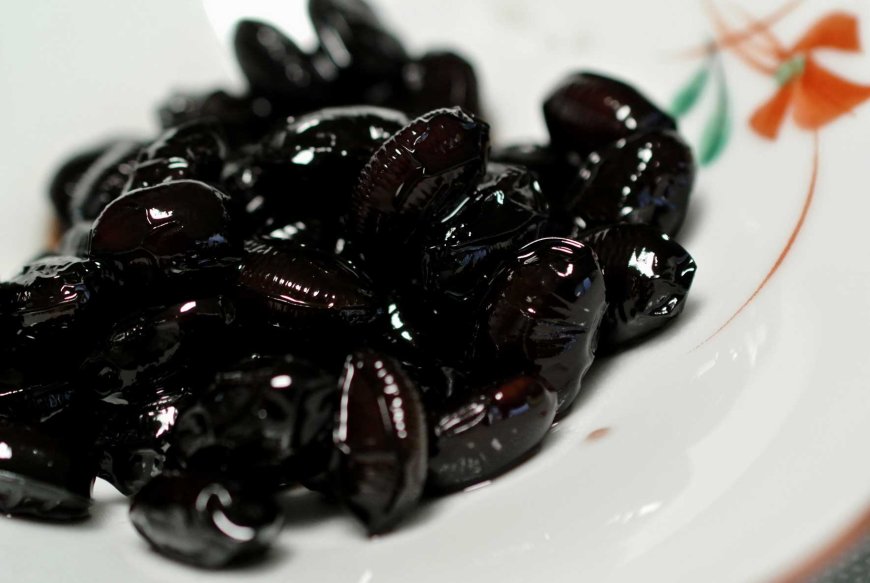 Black Soybeans in "Osechi" represent health and hard work
Symbolic Dishes and Their Meanings:
- Kazunoko (Herring Roe): Symbolizing fertility and a prosperous family, kazunoko is a common Osechi ingredient.
- Kuromame (Black Soybeans): Representing health and hard work, kuromame is a staple in Osechi dishes.
- Ebi (Prawns): The curved shape of prawns symbolizes a long life, making them a popular choice for Osechi platters.
- Datemaki (Sweet Rolled Omelet): With its layered appearance, datemaki signifies growth and progress in various aspects of life.
- Kuri Kinton (Candied Chestnuts with Sweet Potatoes): This dish represents wealth and prosperity, as the golden color mirrors that of gold.
- Tazukuri (Dried Sardines): Signifying a bountiful harvest, tazukuri pays homage to the importance of agriculture in Japanese culture.
- Tai (Sea Bream): Often served whole, tai represents celebration and good luck for the upcoming year.
 Prawns symbolize long life because of their curved shape
The Art of Presentation
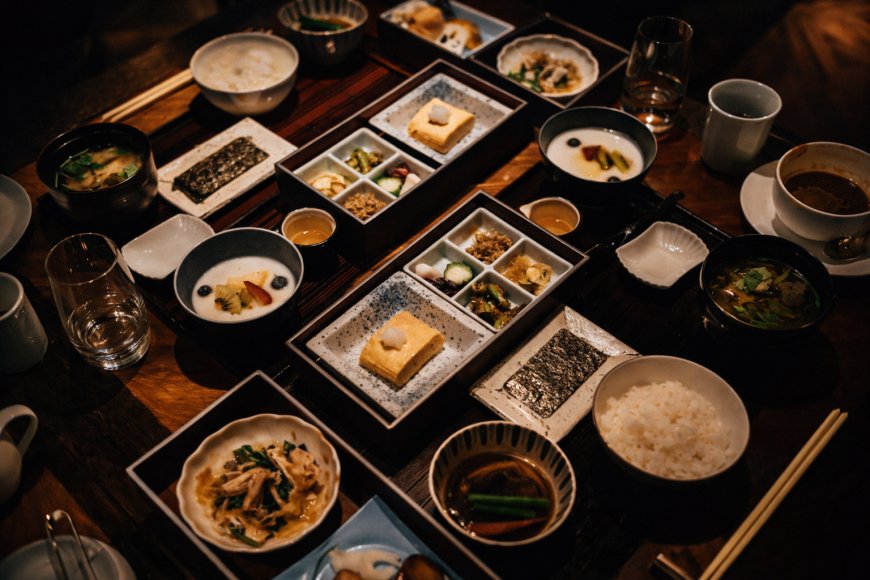
Osechi is not only about the symbolic significance of its ingredients but also about the meticulous presentation. These special dishes are arranged in layered lacquer boxes called "jūbako," with each layer holding a different type of food. The vibrant colors and intricate patterns make Osechi a feast for the eyes, emphasizing the importance of aesthetics in Japanese culture.
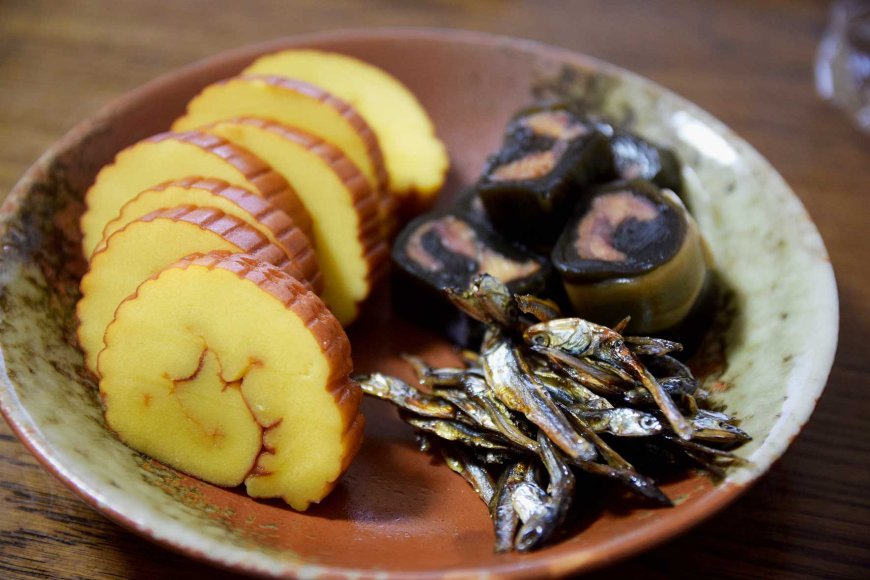 Datemaki, tazukuri and kobumaki. Credit: Raita Futo
Traditional Preparation and Family Involvement
Preparing Osechi is a labor-intensive process that often spans several days. Families come together to cook and assemble the dishes, passing down recipes and techniques through generations. This collaborative effort strengthens familial bonds and ensures the continuity of this cherished tradition.
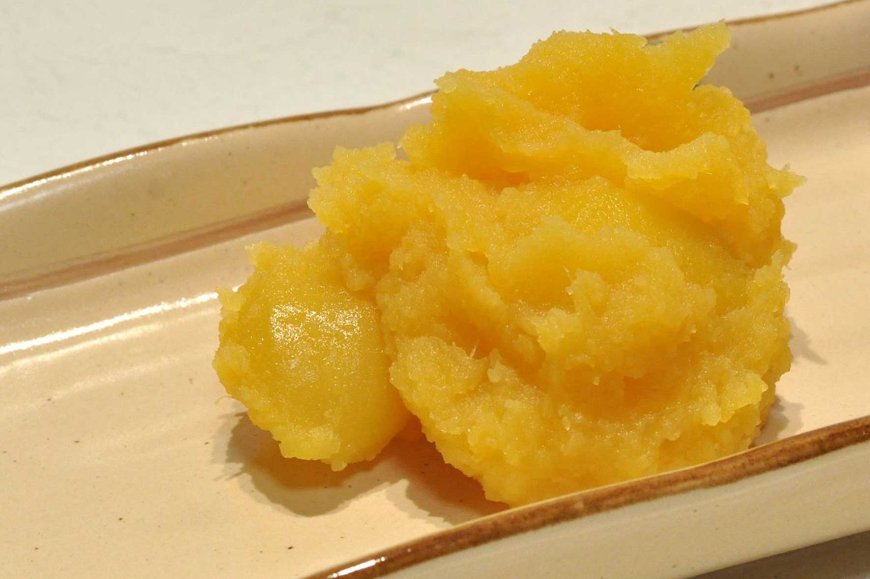 With its golden color, Kuri Kinton represents wealth and prosperity
Osechi and Modern Celebrations
While Osechi remains deeply rooted in tradition, modern variations have emerged to cater to changing tastes and lifestyles. Some families choose to purchase pre-made Osechi from specialized shops, allowing them to partake in the tradition without the extensive preparation.
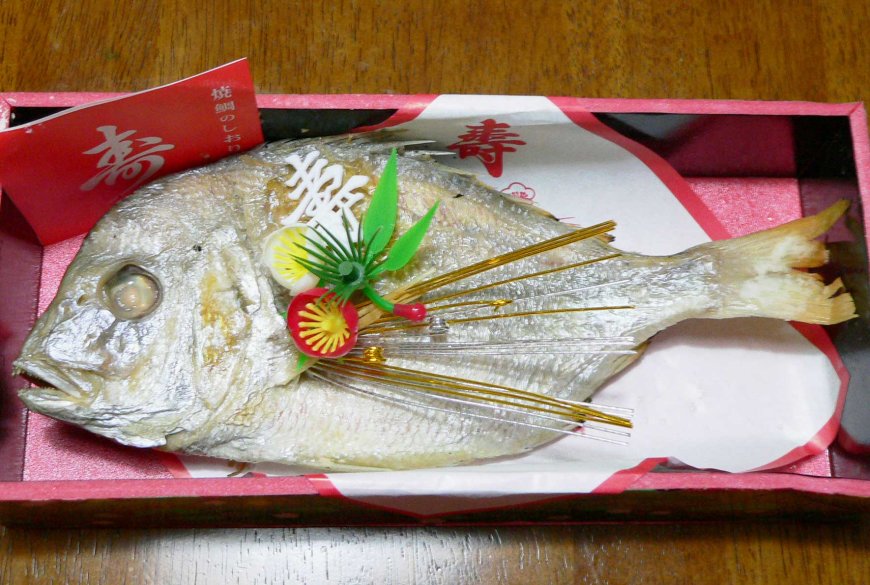 Usually served whole, a sea bream represents celebration and good luck for the upcoming year. Credit: Liz
Osechi is not just a meal; it is a reflection of Japan's rich culture, where symbolism and tradition intertwine with culinary artistry. As families across Japan come together to usher in the New Year with these symbolic dishes, Osechi stands as a testament to the importance of heritage and the celebration of life's blessings.
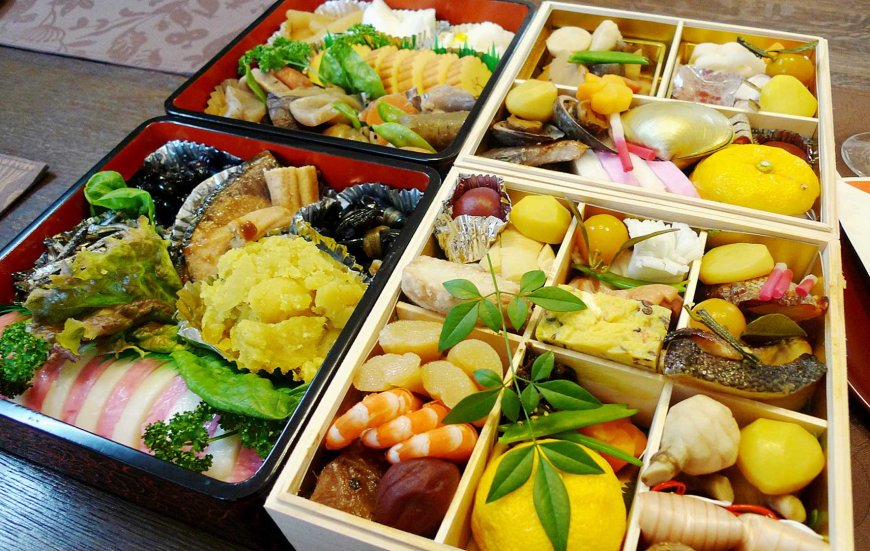 Osechi, traditional Japanese New Year foods. Credit: nAok0
Nipino.com is committed to providing you with accurate and genuine content. Let us know your opinion by clicking HERE.