







































































Japan’s Obon Festival 2025: A Time to Honor Ancestors and Celebrate Community
The Obon Festival 2025 in Japan, celebrated from August 13 to 16, remains one of the most important and culturally significant events for Japanese people. It is a time when families reunite to honor the spirits of their ancestors through traditional rituals, dances, and offerings, preserving a deep cultural heritage that spans centuries.

The Significance of Obon Festival in Japan
Obon, also called Bon, is a Buddhist-Confucian tradition observed annually across Japan to honor the spirits of deceased ancestors. Rooted in the belief that during Obon, ancestral spirits return to the physical world to visit their living relatives, the festival serves as a bridge between past and present. It embodies deep respect for family heritage and the cycle of life and death.
In 2025, Obon will be observed from August 13 to August 16, with many people returning to their hometowns to participate in family reunions and community events. The dates coincide with the traditional lunar calendar period and have been set as public holidays in many parts of Japan, facilitating nationwide participation.

Traditional Obon Rituals and Practices
The core of Obon celebrations involves various rituals designed to welcome and send off ancestral spirits. These include:
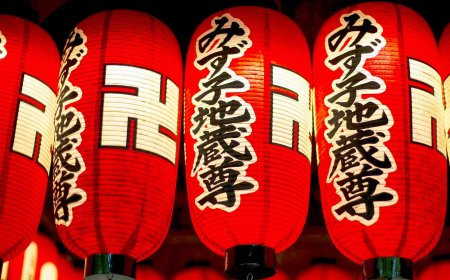
- Mukaebi and Okuribi (Welcoming and Sending Fires): Small fires are lit at the entrance of homes to guide ancestral spirits back home at the start of Obon (mukaebi) and to send them off at the end of the festival (okuribi).
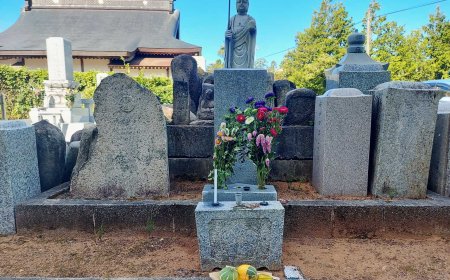
- Cleaning and Decorating Graves: Families visit ancestral graves to clean and decorate them with flowers and offerings, symbolizing respect and remembrance.
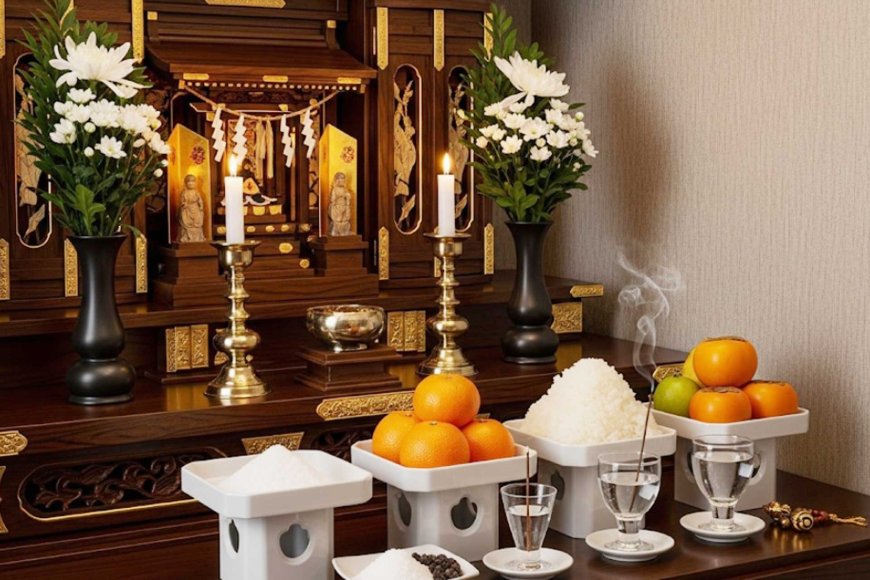
- Offerings at Home Altars: Homes set up altars with incense, food, and lanterns to welcome spirits.
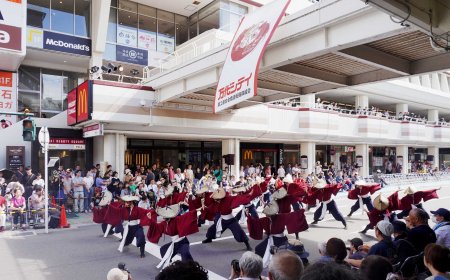
- Bon Odori (Bon Dance): One of the most iconic features of Obon is the Bon Odori, traditional folk dances performed in community gatherings and festivals, expressing joy in welcoming ancestors.
These practices remain deeply rooted in Japanese culture, varying slightly by region but unified in their core purpose — honoring family ties and cultural identity.

Obon Festival as a Community Celebration
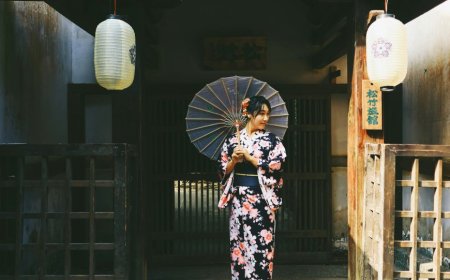
Obon is not only a solemn family occasion but also a vibrant community festival. Towns and cities across Japan organize local Bon Odori events, attracting people of all ages to dance together in public spaces, parks, and temple grounds. These dances often feature traditional music played with taiko drums and flutes, alongside colorful yukatas (summer kimonos) worn by participants.
In 2025, cities like Tokyo, Kyoto, and Osaka are expected to hold large-scale Bon Odori festivals, drawing both locals and tourists eager to experience this unique cultural tradition. The communal aspect of Obon fosters social bonding, strengthens local identities, and revitalizes traditional arts.

Obon Festival’s Role in Modern Japan
The Obon Festival continues to be a significant annual event that connects contemporary society with its spiritual and cultural roots. Many young Japanese, even those living abroad or in large cities, prioritize returning home for Obon, maintaining the tradition across generations.
Additionally, Obon has become a key period for domestic travel in Japan, often called “the summer’s Golden Week.” Train stations, airports, and highways experience heavy traffic as millions journey to their hometowns. The festival also boosts local economies through tourism and traditional craft markets.
Obon Festival 2025: What to Expect
For visitors and residents alike, Obon 2025 offers a profound glimpse into Japanese culture, spirituality, and community life. Events will likely follow COVID-19 safety measures, with some adaptations to ensure public health while preserving the festival’s spirit.
Travelers interested in experiencing Obon firsthand should plan ahead, especially for accommodation and transportation, as demand surges during this period. Participating in a Bon Odori dance or visiting ancestral graveyards respectfully provides an authentic cultural experience.

A Vital Cultural Tradition in Japan
The Obon Festival 2025, taking place from August 13 to 16, continues to be a vital cultural tradition in Japan, blending solemn ancestor worship with lively community festivities. As families honor their heritage and communities come together to celebrate, Obon serves as a poignant reminder of the enduring bonds between the living and the spirits of those who came before.
Whether as a spiritual observance or a cultural spectacle, Obon remains one of Japan’s most cherished summer traditions, inviting everyone to reflect on the past while celebrating the present.
Nipino.com is committed to providing you with accurate and genuine content. Let us know your opinion by clicking HERE.