












































































Why "Diskarte" Culture in the Philippines Blurs Survival and Corruption
The Filipino concept of diskarte reflects resilience, creativity, and adaptability shaped by historical hardship. However, when survival-driven resourcefulness becomes normalized rule-bending, it can quietly blur the line between necessity and corruption.
The Double-Edged Nature of Diskarte
In everyday Filipino life, the word diskarte carries a largely positive meaning. It is often used to praise someone who can navigate difficult situations creatively, adapt quickly, and find solutions despite limited resources. For many Filipinos, diskarte represents intelligence, resilience, and survival instinct—qualities forged through decades of economic struggle and social inequality.
Yet, beneath its admirable image lies a more complex reality. The same mindset that encourages flexibility and problem-solving can, in certain contexts, normalize shortcuts, favoritism, and rule-bending. This raises an important question: when does diskarte shift from survival strategy to a contributor to systemic corruption?
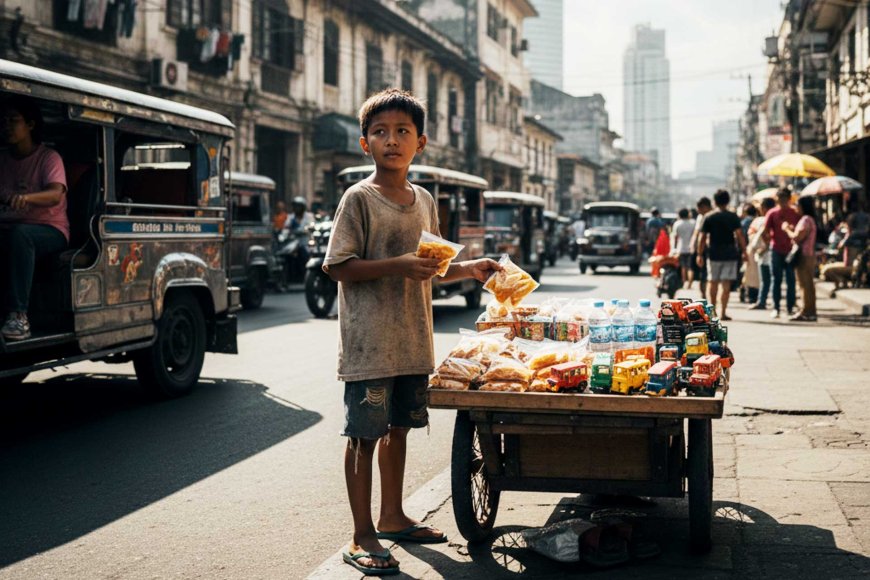
Diskarte as a Survival Skill Rooted in History
To understand diskarte, one must look at Philippine history. Centuries of colonial rule, followed by persistent poverty and uneven development, created an environment where systems often failed ordinary people. Access to education, healthcare, employment, and justice was—and in many areas still is—unequal.
In such conditions, strict adherence to rules did not always guarantee survival. People learned to rely on personal networks, improvisation, and informal solutions. Diskarte became a practical response to scarcity, allowing families to endure unstable wages, unreliable public services, and bureaucratic inefficiency.
In this sense, diskarte was not born from dishonesty, but from necessity.
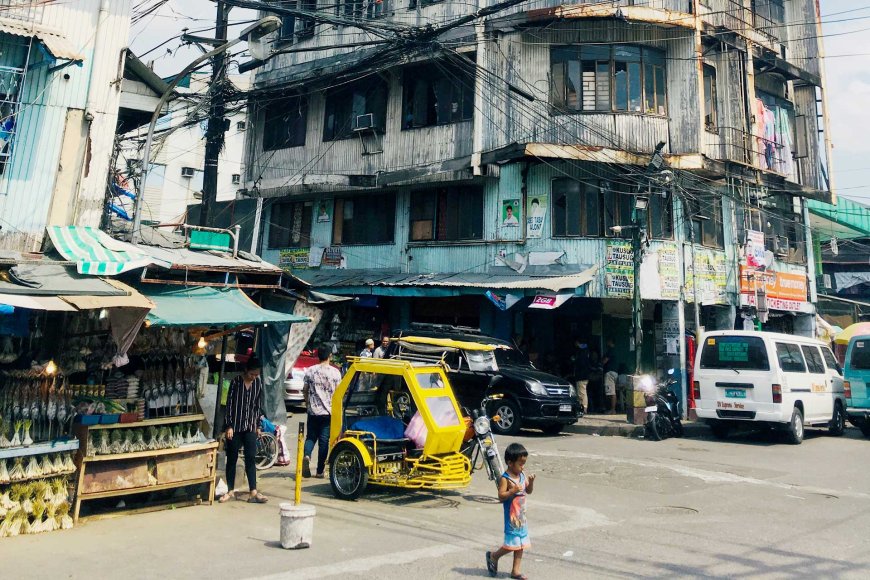
Adaptability Versus Rule-Bending
Problems arise when adaptability gradually crosses into rule-bending. While finding creative solutions within ethical boundaries is healthy, repeatedly bypassing rules can weaken institutions over time.
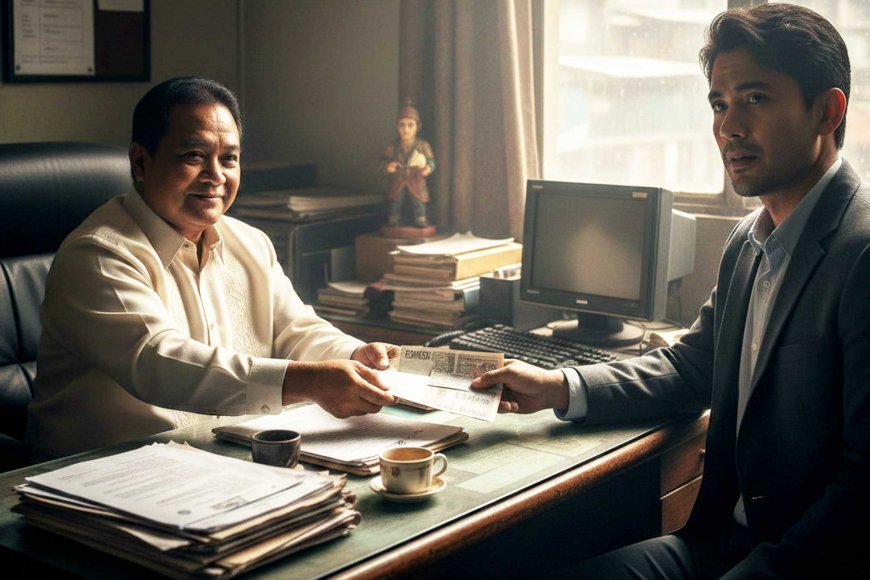
Examples may include using personal connections to speed up processes, paying unofficial fees to avoid delays, or exploiting loopholes that disadvantage others. These actions are often justified as harmless or unavoidable, especially when “everyone does it.” However, when such practices become routine, they erode fairness and accountability.
The danger lies not in diskarte itself, but in how it is applied without reflection on its broader consequences.

Poverty and Inequality as Enablers of Moral Flexibility
Economic inequality plays a significant role in shaping moral decisions. When individuals feel excluded from opportunities or unsupported by institutions, ethical compromises may feel justified. Survival takes priority over abstract ideals such as fairness or transparency.
For someone struggling to secure food, education, or employment, bending rules may appear less like wrongdoing and more like adaptation. Over time, this mindset can spread across social classes, reinforcing a culture where rules are seen as obstacles rather than safeguards.
This environment makes corruption easier to excuse—not as greed, but as pragmatism.
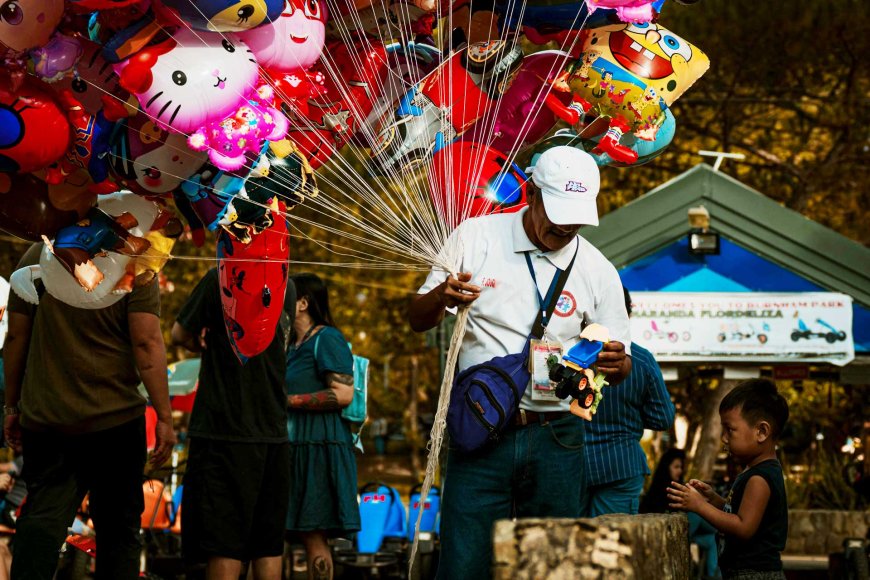
When Personal Solutions Replace Systemic Reform
One unintended consequence of diskarte culture is that it can reduce pressure for institutional improvement. When people rely on personal solutions, they are less likely to demand systemic change.
For example, instead of pushing for efficient public services, individuals may seek shortcuts through connections. While effective in the short term, this approach weakens collective accountability and allows inefficient or corrupt systems to persist unchallenged.
What begins as individual problem-solving can unintentionally sustain the very conditions that made diskarte necessary.
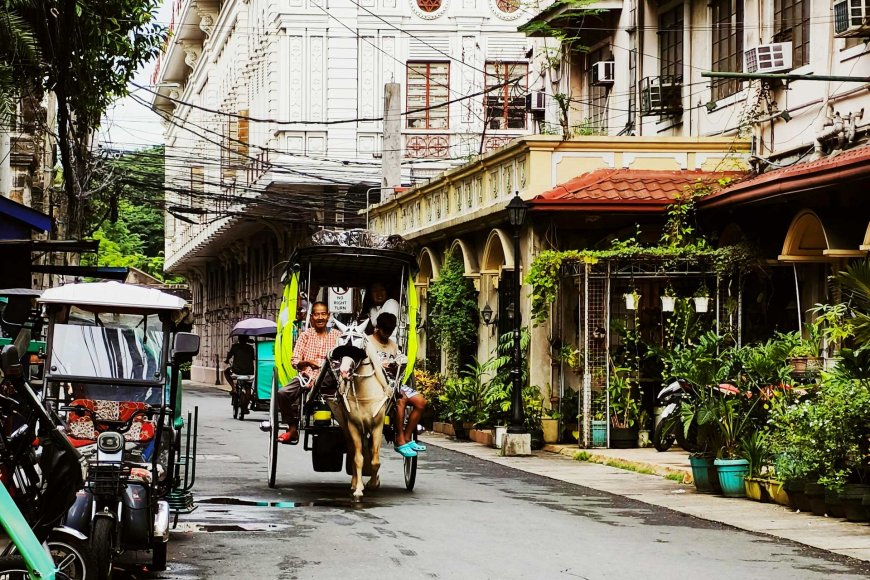
Cultural Normalization and Ethical Blind Spots
Language plays a powerful role in normalization. Describing questionable actions as “diskarte lang” softens their ethical weight. Over time, this framing can create blind spots, where actions are no longer evaluated based on fairness or legality, but on effectiveness.
This normalization does not occur overnight. It develops gradually, reinforced by stories of success achieved through clever maneuvering rather than integrity. As a result, ethical boundaries become flexible, especially when violations appear small or victimless.
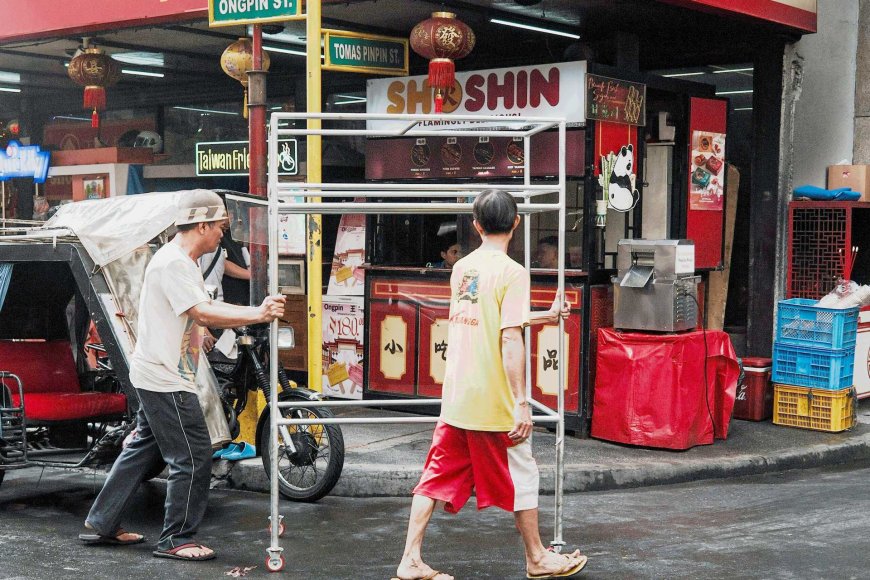
Reframing Diskarte Without Losing Its Strength
Addressing this issue does not require rejecting diskarte. Resourcefulness and creativity are valuable traits, especially in uncertain environments. What is needed is a reframing—one that distinguishes ethical adaptability from harmful shortcuts.
Promoting transparency, strengthening institutions, and ensuring equal access to opportunities can reduce the need for survival-based rule-bending. Education that emphasizes civic responsibility alongside personal success can also help redefine diskarte as innovation within ethical limits.
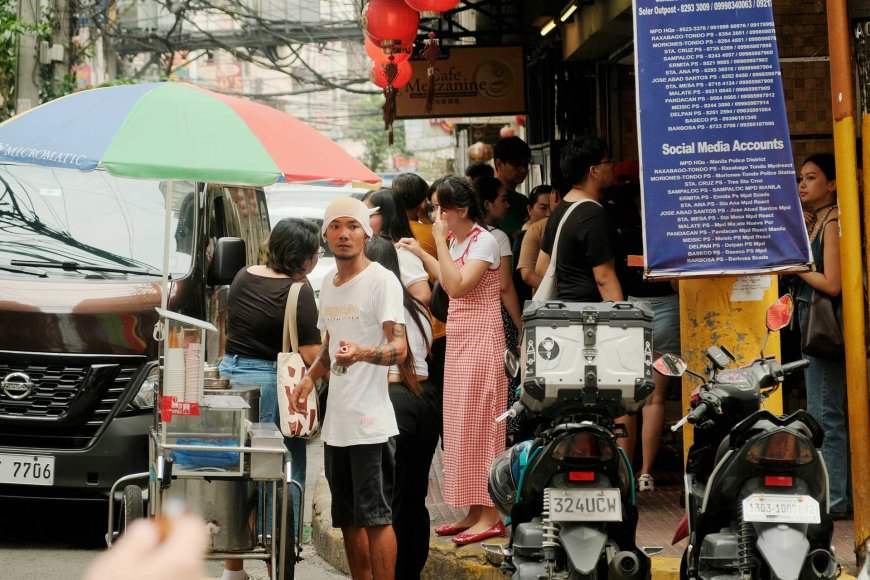
From Survival to Shared Responsibility
Diskarte reflects the Filipino ability to endure and adapt. It is neither inherently good nor bad, but shaped by context, history, and necessity. However, when left unchecked, it can blur the line between survival and corruption.
The challenge moving forward is not to abandon diskarte, but to evolve it—transforming it from a tool of survival into a force that supports fairness, accountability, and collective progress.
Nipino.com is committed to providing you with accurate and genuine content. Let us know your opinion by clicking HERE.