























Christmas in the Philippines vs. Christmas in Japan
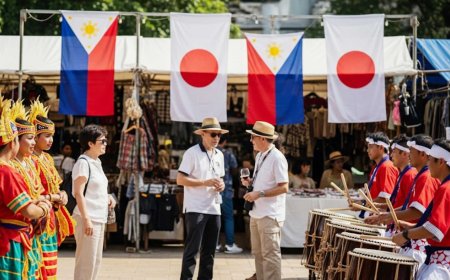
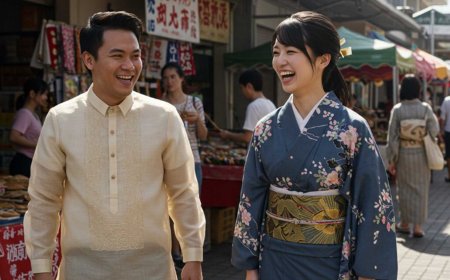
Christmas in the Philippines is a deeply emotional, family-centered celebration filled with traditions, food, joy, and spirituality. In Japan, Christmas is a modern, romantic, and commercial holiday that highlights illumination displays, gift-giving, and shared winter experiences.
The Spirit of Christmas: Faith vs. Festivity
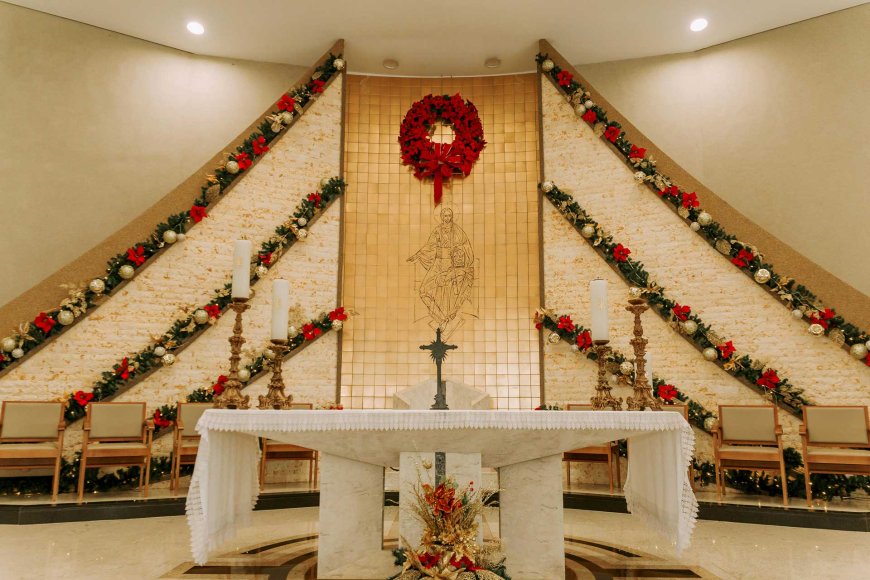
Christmas in the Philippines is rooted in centuries-old Christian traditions. For Filipinos, December is not merely a season — it is a spiritual journey that begins as early as September, marked by Masses, lanterns, and heartfelt gatherings. The holiday is centered on faith, family unity, and gratitude. Simbang Gabi, church choirs, and the iconic parol illuminate communities with warmth and devotion.
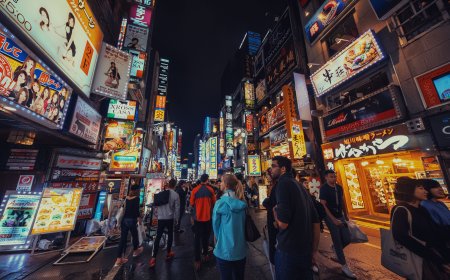
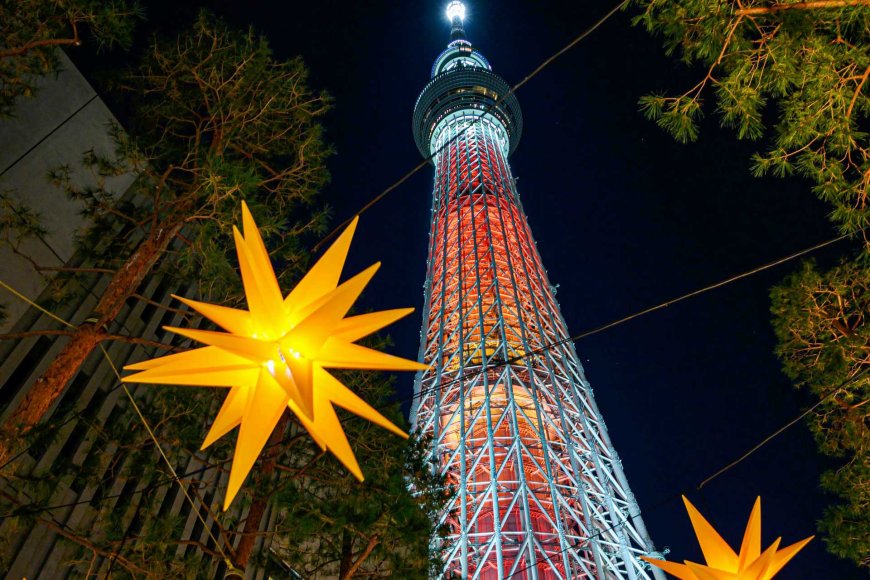
Japan, on the other hand, celebrates Christmas in a more secular and modern way. Since only a small percentage of the population is Christian, Christmas is treated as a joyful winter celebration rather than a religious one. The lights, festive decorations, and sparkling city displays create a magical atmosphere, but the spiritual component is minimal. Christmas in Japan highlights aesthetic beauty, winter romance, and shared happiness.
Celebration Style: Family Reunion vs. Couples’ Holiday
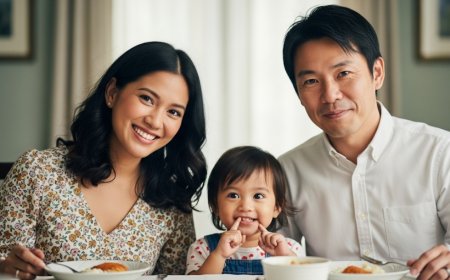
In the Philippines, Christmas is synonymous with reunions. Families from across the country — and overseas — return home to spend the holidays with loved ones. Streets become lively with laughter, karaoke, children playing, and relatives catching up after long periods apart. The essence of Christmas lies in togetherness.
Japan’s Christmas is the opposite. Rather than a family holiday, it is viewed as a romantic event similar to Valentine’s Day. Couples often go on dates, exchange gifts, and enjoy special dinners. Restaurants become fully booked, and Christmas Eve becomes one of the most romantic nights of the year. Friends and families also celebrate, but the couple-centric tradition remains dominant.
Holiday Food: Noche Buena vs. Christmas Cake & KFC
Food is a centerpiece of Filipino Christmas celebrations. The long-awaited Noche Buena is a midnight feast shared with the entire family. Classic dishes include lechon, hamon, queso de bola, pasta, bibingka, and puto bumbong. The feast symbolizes abundance, gratitude, and shared blessings.
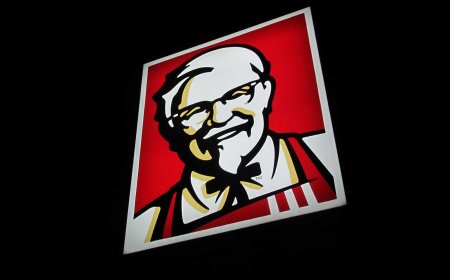
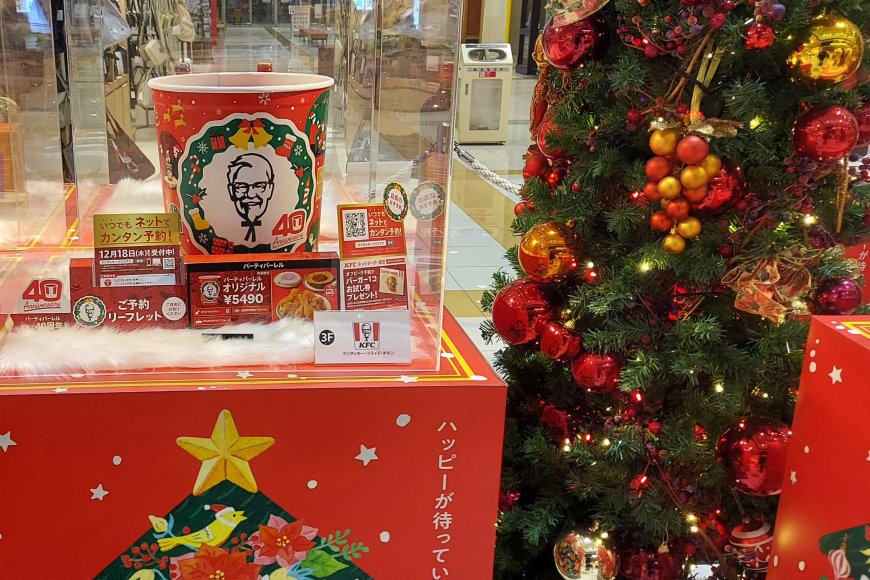
Japan’s Christmas food landscape is surprisingly unique. Due to clever marketing in the 1970s, Kentucky Fried Chicken became a Christmas tradition, with families and couples lining up or pre-ordering buckets of fried chicken. Another iconic tradition is the Japanese Christmas cake — a soft, white sponge cake topped with fresh strawberries and whipped cream. It symbolizes joy, simplicity, and winter elegance.
Decorations and Atmosphere: Parol vs. Illuminations
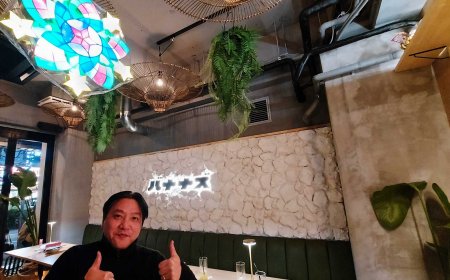
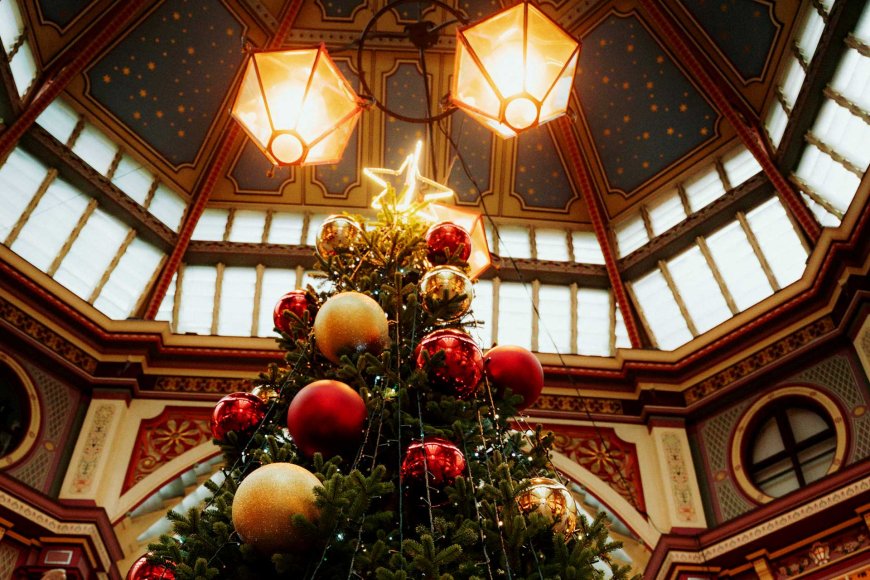
Filipino Christmas decorations reflect warmth and nostalgia. Parols glow in every neighborhood, homes hang colorful lights, and festive displays fill malls and parks. The atmosphere is cheerful, loud, and vibrant, celebrating life and faith.
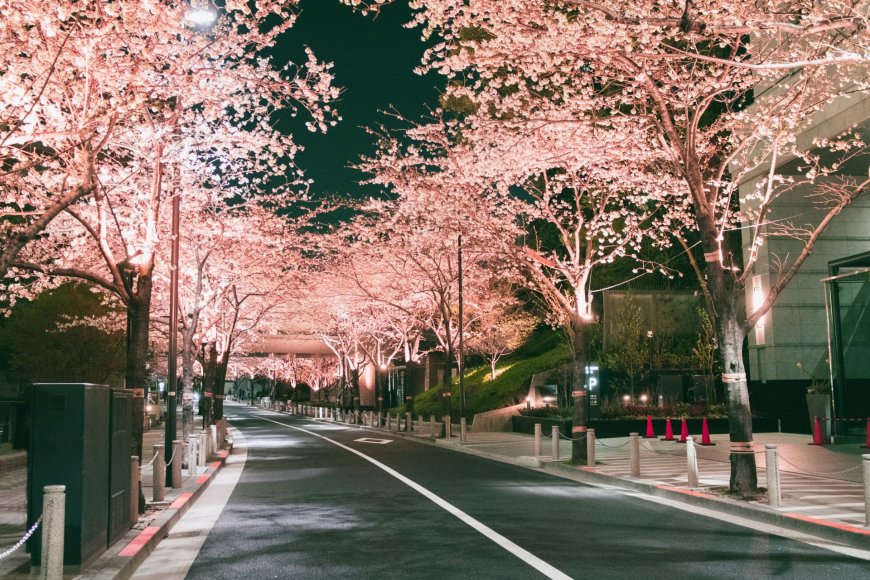
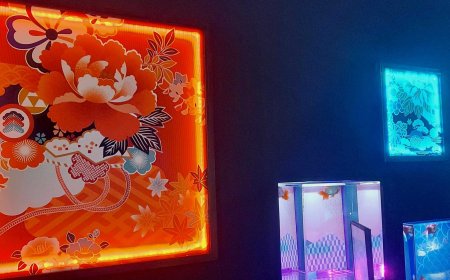
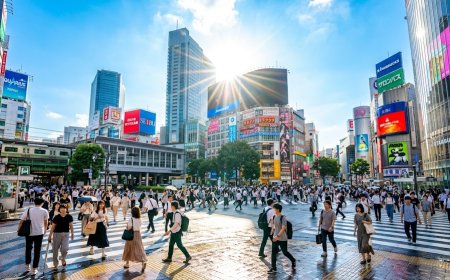
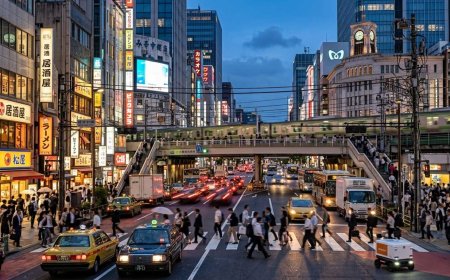
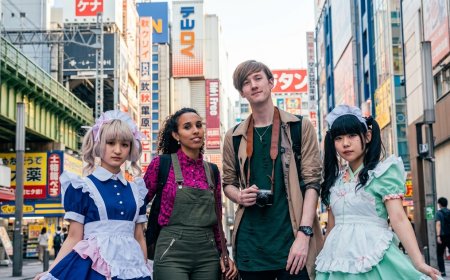
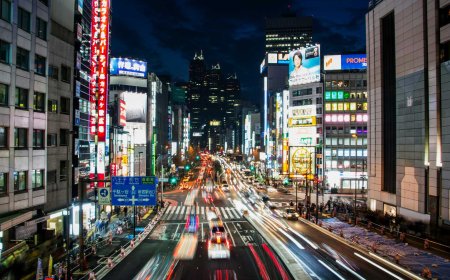
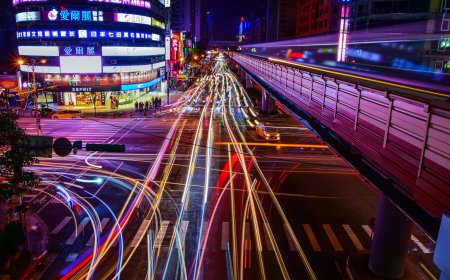
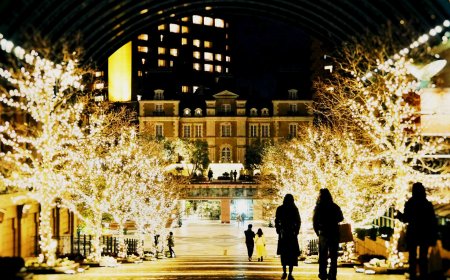
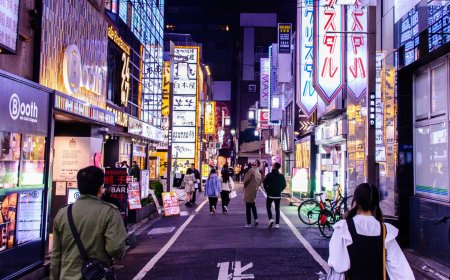
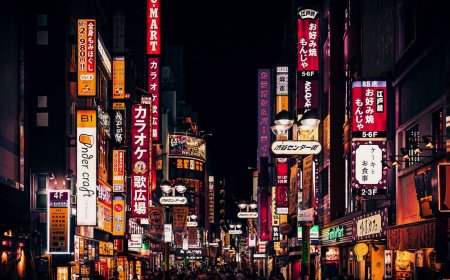
Japan approaches holiday aesthetics with delicacy and artistry. Winter illuminations transform streets into glowing dreamscapes, attracting millions of visitors. Decorations are elegant, minimalist, and meticulously designed. The peaceful, romantic ambiance is perfect for nighttime strolls.
The Meaning of Christmas
In the Philippines, Christmas is about gratitude, faith, and the joy of being reunited with loved ones. It is a time to reflect, to give thanks, and to celebrate the birth of Christ.
In Japan, Christmas symbolizes happiness, kindness, and shared experiences. It may not be religious, but it emphasizes creating joyful memories and appreciating the people around you.
Nipino.com is committed to providing you with accurate and genuine content. Let us know your opinion by clicking HERE.