






























































Bonifacio Day 2025: Why Andres Bonifacio’s Heroism Matters More Than Ever
Bonifacio Day honors the birth and bravery of Andres Bonifacio, the Father of the Philippine Revolution who fought tirelessly for freedom against colonial oppression. Today, his courage remains strikingly relevant as modern Filipinos confront corruption, inequality, and systemic injustice within their own homeland.

The Significance of Bonifacio Day
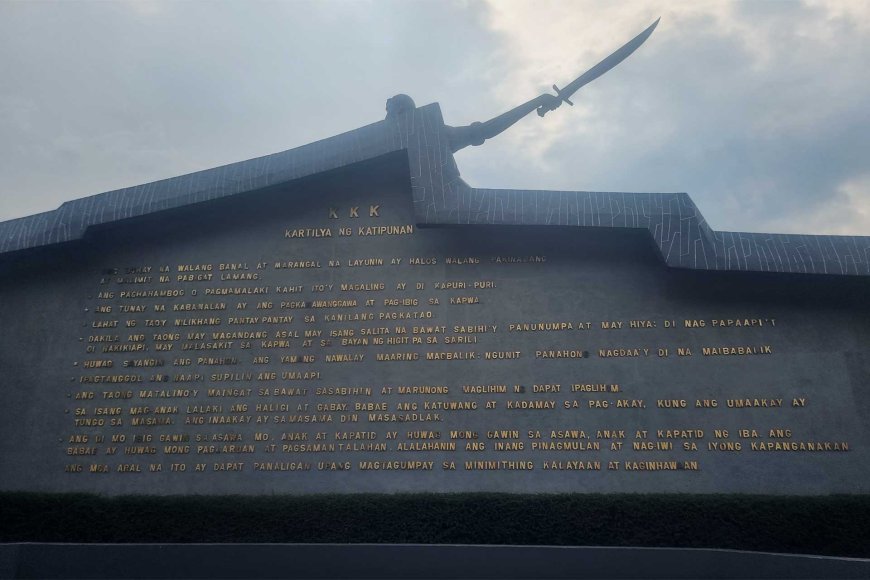
Every year on November 30, the Philippines commemorates Bonifacio Day, a national holiday honoring Andres Bonifacio, the leader of the Katipunan (KKK) and one of the most influential figures in the struggle against Spanish colonial rule. Unlike many celebrated heroes who came from well-off families, Bonifacio rose from poverty and limited formal education—yet his understanding of justice, dignity, and freedom was profound enough to ignite a revolution.
His legacy is not merely historical; it is a living reminder of the courage required to fight systems that seek to silence ordinary people. This annual celebration is more than a date on the calendar—it is a call to remember what must be defended and what must be challenged.

Bonifacio’s Humble Beginnings and Unmatched Resolve
Bonifacio’s story is extraordinary precisely because it is rooted in the everyday struggles of ordinary Filipinos. Born into poverty in Tondo, he worked as a warehouse clerk and messenger before rising to become the founder and Supremo of the Kataas-taasan, Kagalang-galangang Katipunan ng mga Anak ng Bayan or KKK.
While lacking the formal education of Dr. Jose Rizal, whom he himself admired, Bonifacio possessed a deep and instinctive understanding of the injustices committed by colonial authorities. His leadership sparked a nationwide uprising—one that demanded not just reforms but complete independence.
It is this bravery, this refusal to accept oppression, that continues to inspire many Filipinos today.

The Tragic Fate of a Hero at the Hands of His Own Countrymen
Perhaps the most painful part of Bonifacio’s narrative is that he was not killed by the colonizers he fought against, but by fellow Filipinos. Accused of treason by rival revolutionary factions, Bonifacio was executed in 1897—an act that remains one of the most controversial chapters in Philippine history.
This tragedy reflects a painful truth: sometimes the greatest danger to the Filipino people does not come from external forces but from internal betrayal, division, and greed. Bonifacio’s fate serves as a warning—a reminder that unity is fragile when individuals place personal ambition above the welfare of the nation.
A Hero’s Relevance to Today’s Philippines
The resonance of Bonifacio’s life is painfully clear in the current social and political climate. Many Filipinos, both in the country and abroad, observe how fellow Filipinos—especially those in positions of power—continue to exploit and oppress their own people.
Political dynasties flourish. Corruption remains rampant. Public resources meant to uplift the masses are siphoned away for personal gain. Ordinary Filipinos continue to struggle, while shameless displays of greed erode trust in the system meant to protect them.
Bonifacio fought against colonial oppression, but today’s Filipinos face a different kind of colonizer: the unchecked power and corruption of some of their own leaders.
His heroism, therefore, is not nostalgia. It is a mirror held up to the present.

The Shame and Burden Felt by Overseas Filipinos
Millions of Filipinos now live and work abroad, driven by poverty, unstable governance, and a desire for a better life. Many carry an emotional burden—a mixture of longing for home and shame at seeing their country continually mismanaged.
The author of this reflection expresses a sentiment shared by countless OFWs: even from afar, they watch the homeland they love being suffocated by corruption and dynastic politics. While they cannot physically be in the Philippines, their concern and support remain unwavering.
Their distance does not weaken their patriotism; it strengthens it.

Supporting the Fight for Good Governance: ANIM’s Advocacy
In this spirit of continued vigilance, the author expresses support for "ANIM: Alyansa ng Nagkakaisang Mamamayan" and "Mayors for Good Governance", a movement advocating against corruption and political dynasties—forces that have long damaged Filipino democracy.
ANIM and M4GG embodies the same ideals Bonifacio fought for:
- Accountability
- Integrity
- Genuine public service
- The right of ordinary citizens to live with dignity
In standing with such movements, Filipinos continue the unfinished revolution Bonifacio began. The battle may have changed, but the enemy—oppression, greed, injustice—remains the same.

A Call to Remember and to Act
Bonifacio Day is not merely a commemoration of one man’s birth. It is a reminder of what the Filipino spirit can achieve when driven by courage, unity, and love for country. Bonifacio may have been betrayed and silenced, but the ideals he ignited continue to blaze.
Today, as the Philippines stands at a crossroads, remembering Bonifacio is both timely and necessary. His story demands reflection but also action from those who still believe in a free, just, and truly democratic Philippines.
And in honoring his legacy, Filipinos everywhere—at home and abroad—affirm a truth Bonifacio lived and died for:
The fight for freedom is never over. It is passed from OUR GENERATION NOW to the next.
Nipino.com is committed to providing you with accurate and genuine content. Let us know your opinion by clicking HERE.