









































Mono no Aware (物の哀れ): The Beauty of Impermanence in Everyday Life
Mono no aware (物の哀れ) is the deeply poetic Japanese belief that beauty is found in the fragile, fleeting nature of life. Embracing impermanence can enrich emotional awareness, gratitude, and mindfulness for Filipinos living in Japan and beyond.

A Philosophy Rooted in Softness and Sensitivity
In a world that celebrates permanence, achievement, and the pursuit of “forever,” the Japanese concept of mono no aware offers a gentler way of viewing life. It teaches that everything—joy, relationships, seasons, and even hardships—exists only for a moment, and that moment holds its own beauty simply because it fades. For centuries, this philosophy has influenced Japanese literature, art, and daily living, inviting people to slow down and feel deeply instead of rushing through life.
Unlike Western ideas that view impermanence as something to overcome, mono no aware encourages people to accept it with emotional softness. It invites individuals to appreciate life not despite its fragility, but because of it.
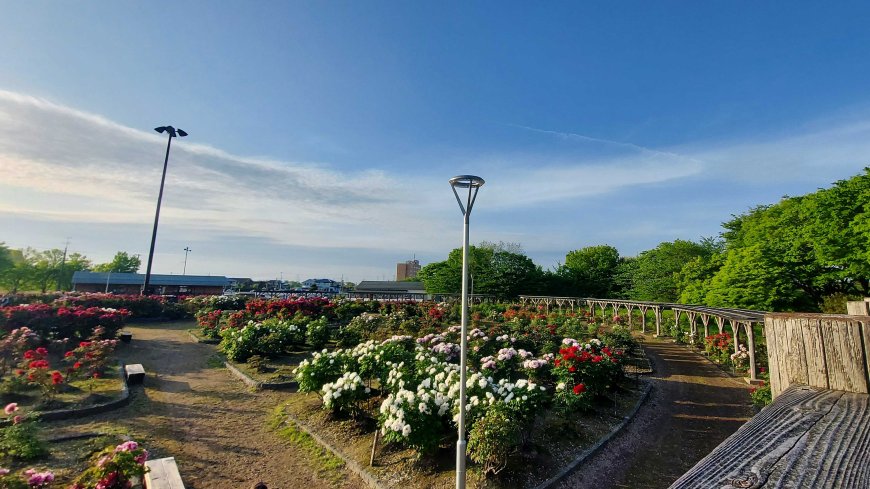
The Heart of Mono no Aware: Beauty in Fleeting Moments
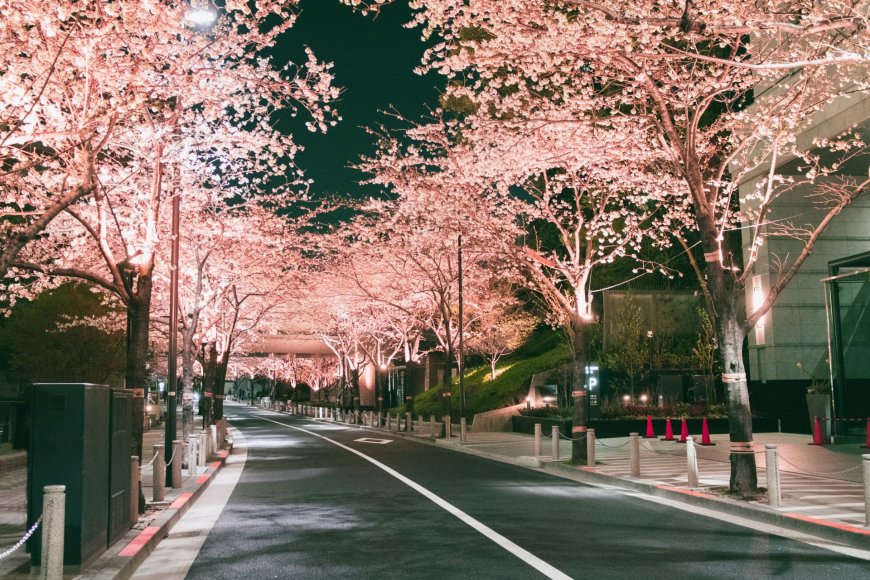
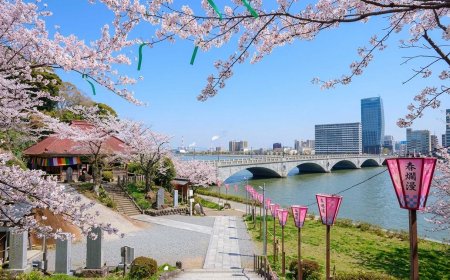
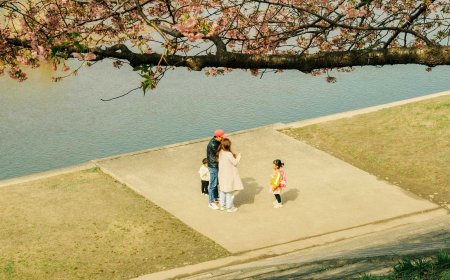
At the center of mono no aware is the recognition that life’s beauty lies in the things that cannot stay forever. Cherry blossoms (sakura), for instance, bloom brilliantly but only for a short time. Their delicate petals falling to the wind evoke both admiration and a quiet sadness—an emotional mix that defines this ancient concept.
This bittersweet feeling is not meant to depress the heart. Instead, it encourages emotional sensitivity and helps people build a deeper connection with their surroundings. Once one understands that every moment is temporary, each moment becomes precious.
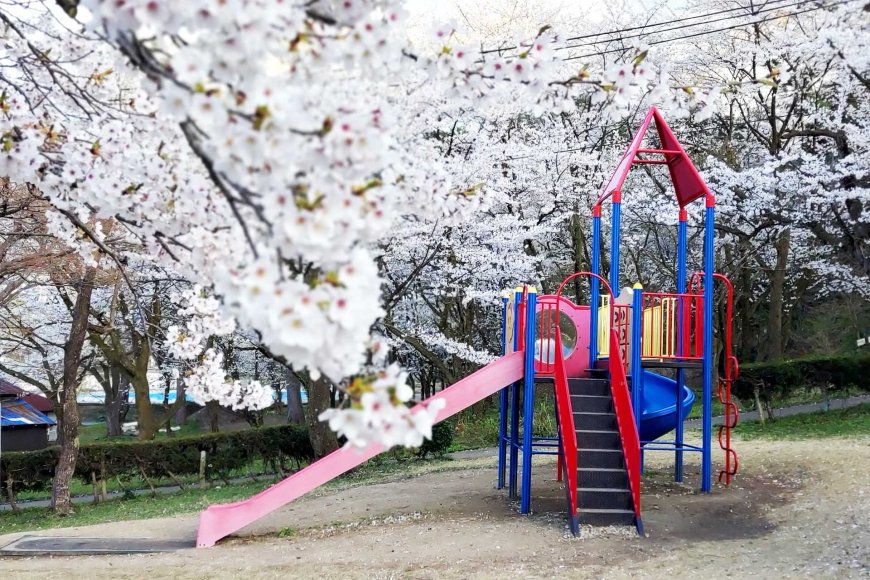
How Mono no Aware Shapes Japanese Lifestyle
Seasonal Appreciation
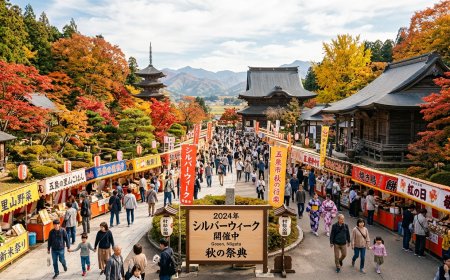
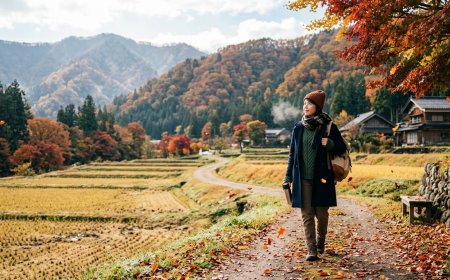
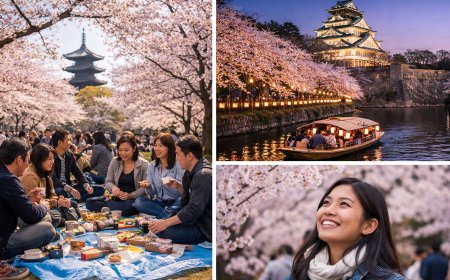
Japan celebrates the changing seasons not just visually but emotionally. Hanami (flower-viewing), moon-viewing, and autumn festivals exist because people value what is here today and gone tomorrow.
Attention to Detail
Whether in tea ceremonies, ikebana (flower arrangement), or calligraphy, the Japanese appreciate subtlety and imperfection. A cracked teacup or a fading leaf is not discarded immediately—its flaws enhance its character.
Mindful Living
Instead of chasing endless productivity, many Japanese traditions encourage being present. This sense of presence is a direct reflection of mono no aware—a reminder to witness life as it unfolds.
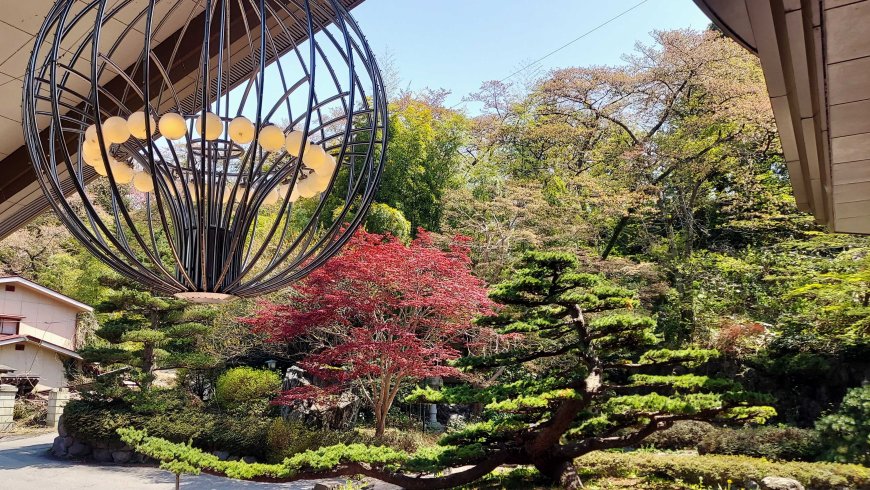
Why Mono no Aware Resonates with Filipinos in Japan
For many Filipinos living abroad, especially OFWs and long-term residents in Japan, the emotional pull of mono no aware feels familiar. Filipinos often carry deep nostalgia for home—memories of family gatherings, fiestas, and childhood moments that cannot be recreated fully. This longing mirrors the Japanese acceptance of life’s fleeting nature.
Shared Emotional Depth
Filipinos are naturally expressive and sentimental. This emotional richness aligns with the gentle sadness found in mono no aware, making it a philosophy that feels close to the Filipino heart.
Resilience Through Impermanence
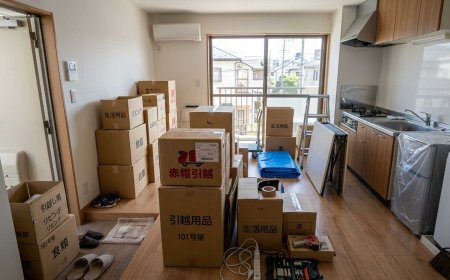
Living abroad means constant change—jobs, seasons, language challenges, and distance from loved ones. Embracing impermanence allows Filipinos to find peace even when life feels uncertain.

Lessons from Mono no Aware for Modern Life
1. Appreciate Small, Everyday Beauty
Whether it’s a cup of hot coffee during winter or the sound of rain on a quiet afternoon, fleeting moments become more meaningful when one learns to pause and notice.
2. Accept Change Without Resistance
Life moves forward—children grow up, relationships transform, and opportunities come and go. Accepting these transitions makes the heart lighter and more resilient.
3. Let Go With Grace
Holding on tightly to what can’t stay often leads to suffering. Mono no aware teaches that letting go is not a loss, but a quiet honor given to a beautiful moment that has served its purpose.
4. Cherish Relationships
Knowing that time with people we love is never guaranteed helps build deeper, more intentional connections.
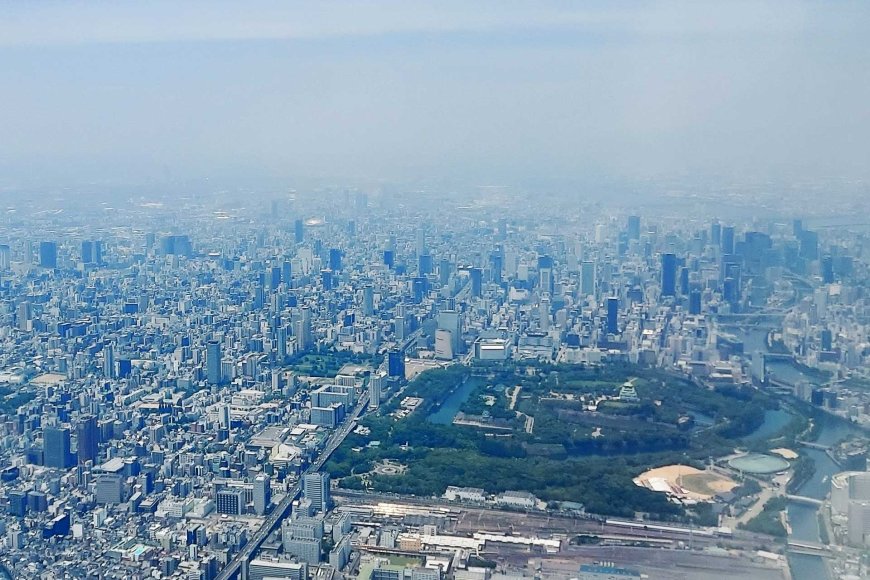
Mono no Aware in Art, Literature, and Daily Emotions
From classical works to modern Japanese films and anime, mono no aware has shaped storytelling for generations. These stories often portray characters growing through quiet realizations rather than dramatic events.
Even in everyday life, this philosophy shows up in how people bow when greeting or parting—acknowledging that each encounter is unique and cannot be repeated in the same way again.
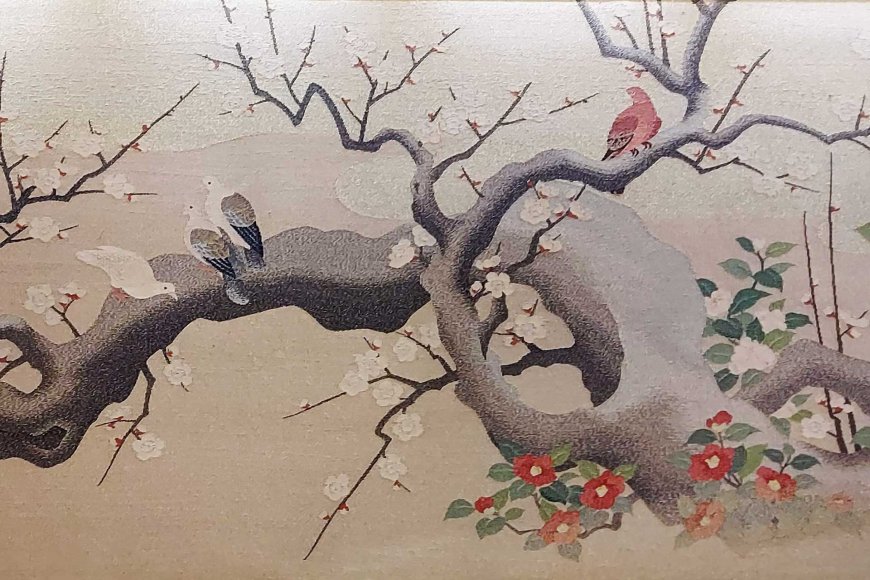
Embracing Impermanence to Live More Fully
Mono no aware is more than a cultural idea; it is an emotional lens that helps people understand life’s delicate beauty. By accepting that nothing lasts forever, one becomes more present, more grateful, and more connected to the world.
For Filipinos living in Japan, this philosophy offers comfort, understanding, and a gentle invitation:
Cherish the now—because it will never come again in exactly the same way.
Nipino.com is committed to providing you with accurate and genuine content. Let us know your opinion by clicking HERE.