









































Filipino Handaan: The Heart of Filipino Celebrations
Filipino handaan is more than a feast—it is a heartfelt tradition that reflects generosity, hospitality, and the deep value Filipinos place on togetherness. Whether held for grand milestones or simple blessings, handaan continues to unite families and communities across generations and borders.
What Is Filipino Handaan?
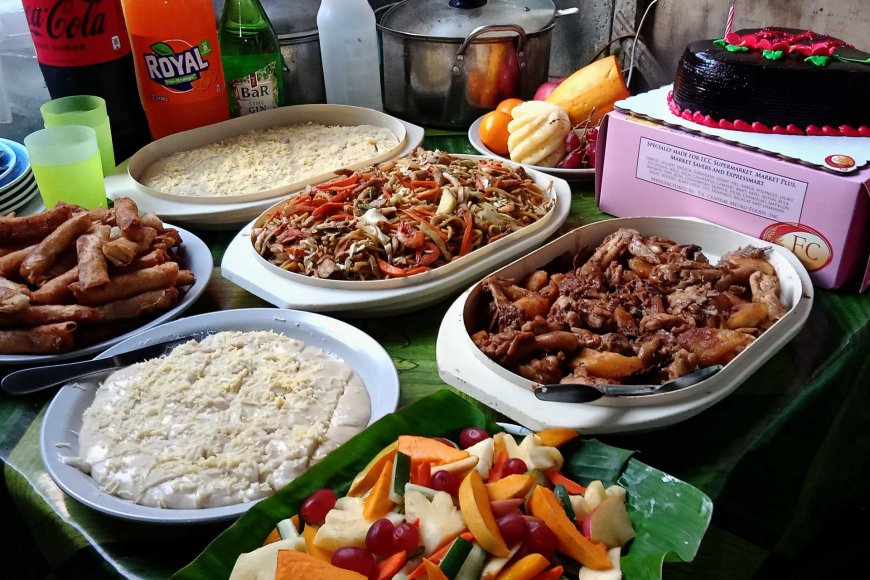
Filipino handaan refers to a communal feast prepared to celebrate meaningful events in life. From birthdays and graduations to religious milestones and homecomings, a handaan brings people together around a table filled with lovingly prepared food. It is not defined by extravagance but by intention—the desire to share blessings with others.
At the heart of handaan is hospitality. Guests are encouraged to eat freely, take leftovers home, and enjoy the warmth of conversation. Even when resources are limited, families find ways to prepare a handaan, believing that sharing food invites good fortune and strengthens relationships.
The Cultural Roots of Handaan
The tradition of handaan is deeply rooted in Filipino values such as bayanihan (communal unity) and pakikisama (harmonious relationships). Long before modern celebrations, Filipinos gathered to share harvests, cooked meals together, and supported one another during important life events.
Handaan also reflects gratitude—gratitude for life, achievements, survival, and faith. In many Filipino households, hosting a handaan is seen as a way of giving back, acknowledging that success and happiness are meant to be shared.
Common Occasions for a Handaan
Handaan is present in nearly every stage of Filipino life. Birthdays are rarely complete without a shared meal, while weddings and baptisms often feature large handaan celebrations. Religious events such as fiestas, Christmas, and Simbang Gabi gatherings are also centered around food.
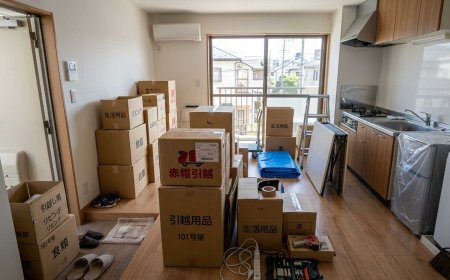
Even informal milestones—such as getting a new job, returning home from abroad, or moving into a new house—can inspire a handaan. In Filipino culture, joy is multiplied when shared with others.
Food at the Center of Every Celebration
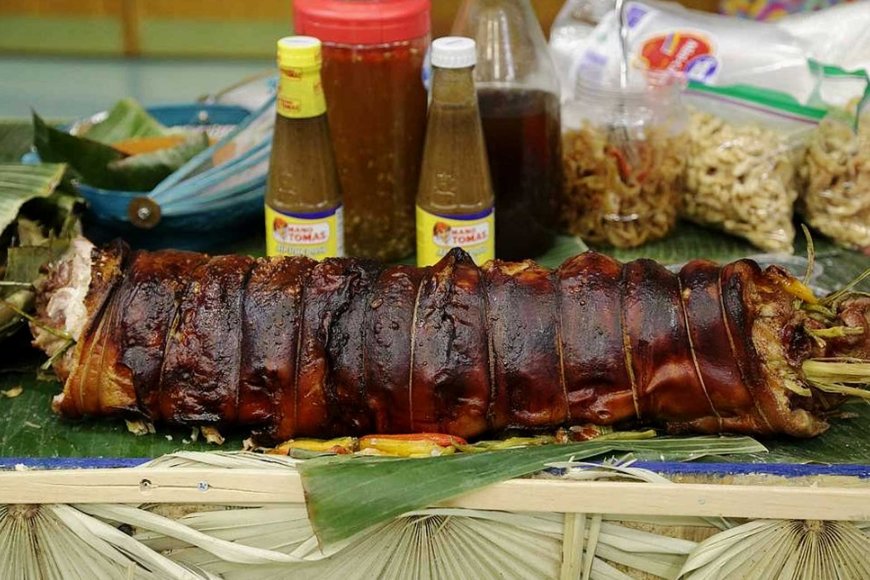
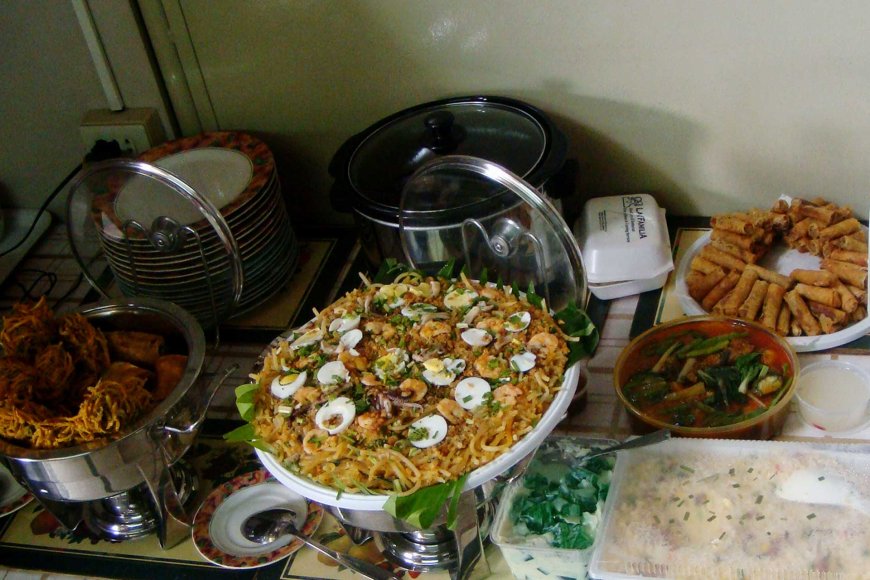
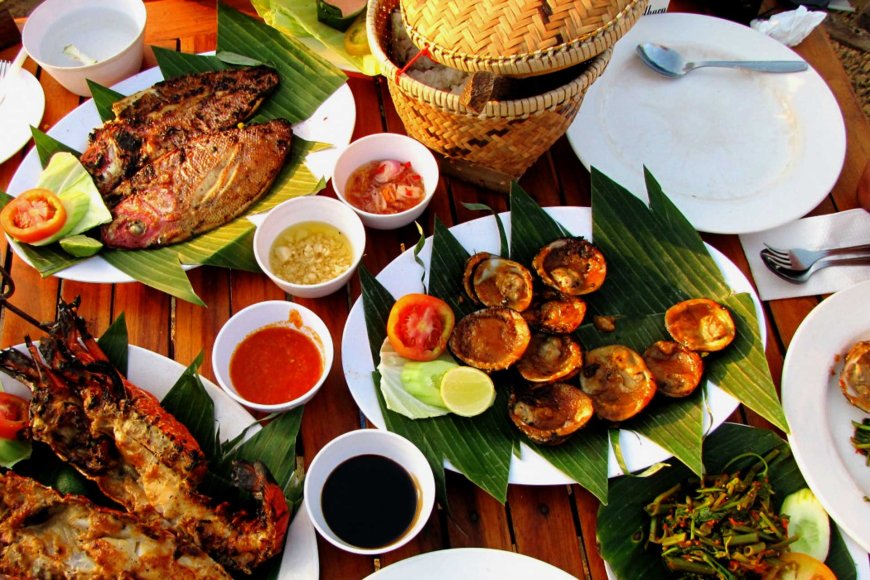
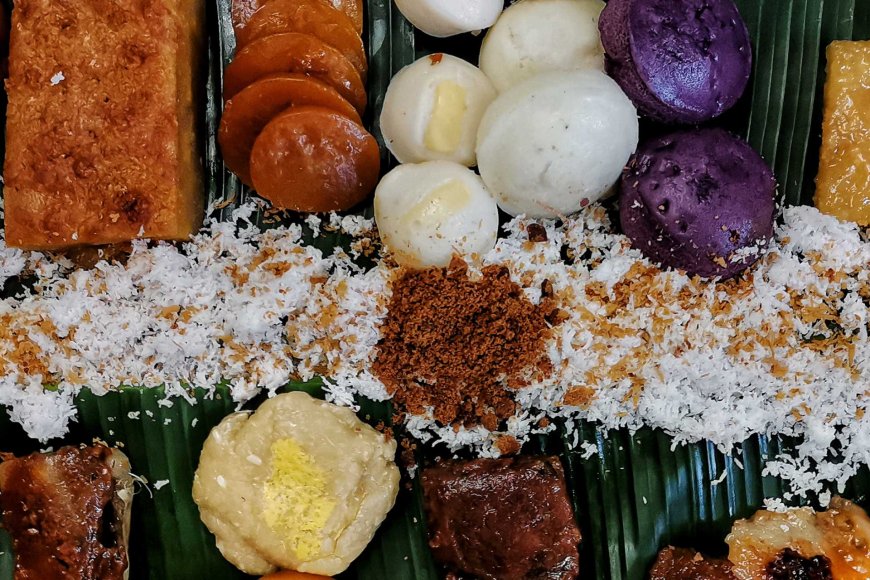
Handaan = food, and the menu often reflects both tradition and personal taste. Dishes like lechon, pancit, adobo, lumpia, and kakanin are staples, symbolizing abundance, long life, and celebration.
What makes handaan special is not perfection but generosity. Tables may overflow with homemade dishes, store-bought food, or contributions from guests. The act of sharing matters more than presentation.
Handaan in Modern Times and Overseas Communities
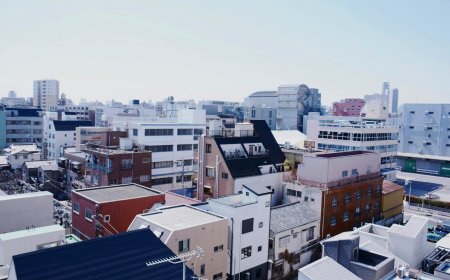
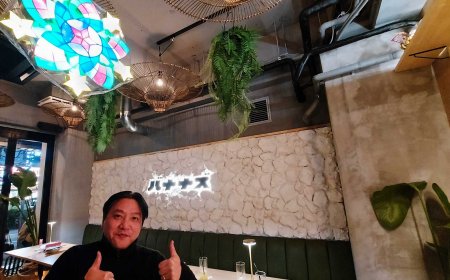
Today, handaan continues to evolve. In urban areas and among overseas Filipinos, celebrations may take place in apartments, community halls, or restaurants. While menus may include international dishes, the spirit of handaan remains unchanged.
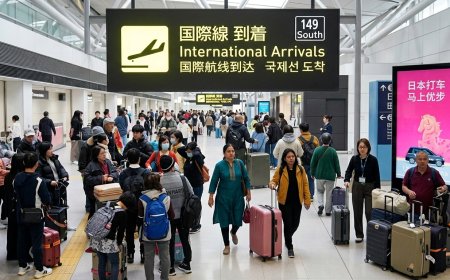
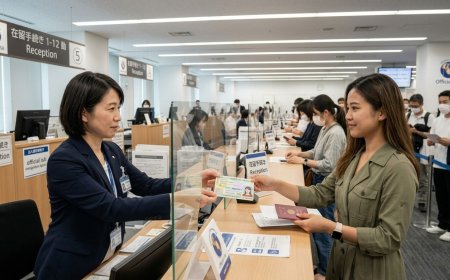
For Filipinos living abroad—especially in countries like Japan—handaan becomes a powerful reminder of home. It helps preserve cultural identity, strengthens community ties, and offers comfort in unfamiliar surroundings.
The Deeper Meaning Behind the Feast
Beyond food, handaan is about presence. It is about showing up for one another, listening to stories, laughing together, and acknowledging shared humanity. A handaan does not ask who you are or what you bring—only that you are welcome.
In a fast-paced world, the tradition of handaan reminds Filipinos to pause, gather, and reconnect. It is a living expression of kindness, resilience, and the belief that no celebration is complete unless it is shared.
Nipino.com is committed to providing you with accurate and genuine content. Let us know your opinion by clicking HERE.