







































































Araw ng Kagitingan: Honoring the Courage and Sacrifice of Filipino Heroes
Araw ng Kagitingan, or Day of Valor, is a Philippine national holiday commemorating the heroism of Filipino and American soldiers during World War II, particularly the Fall of Bataan in 1942. This solemn day serves as a reminder of the nation’s enduring spirit, unity, and commitment to preserving freedom for future generations.
A Day of Remembrance and Pride
Araw ng Kagitingan, or the Day of Valor, is celebrated annually in the Philippines on April 9. It commemorates the gallant defense and eventual fall of Bataan to Japanese forces during World War II in 1942. For Filipinos, it is more than just a historical marker—it is a solemn reminder of the courage, endurance, and patriotism of the men and women who fought for the country’s freedom.
The observance is deeply tied to the history of the Pacific War, where Filipino and American troops fought side by side against overwhelming odds. Their bravery, despite limited resources and exhausting conditions, has become a symbol of the nation’s resilience.
 The Capas National Shrine in Capas, Tarlac is a memorial to the Filipino and American soldiers who died in Camp O'Donnell.
The Historical Significance of April 9
April 9, 1942, marks the surrender of approximately 76,000 Filipino and American soldiers in Bataan to the Japanese Imperial Army after months of intense fighting. This surrender led to the infamous Bataan Death March, a 65-mile forced transfer of prisoners from Bataan to Capas, Tarlac, where thousands perished due to starvation, exhaustion, and abuse.
The defenders of Bataan delayed the Japanese advance, buying crucial time for the Allied forces to regroup. Though they ultimately surrendered, their sacrifice played a pivotal role in the eventual liberation of the Philippines in 1945.
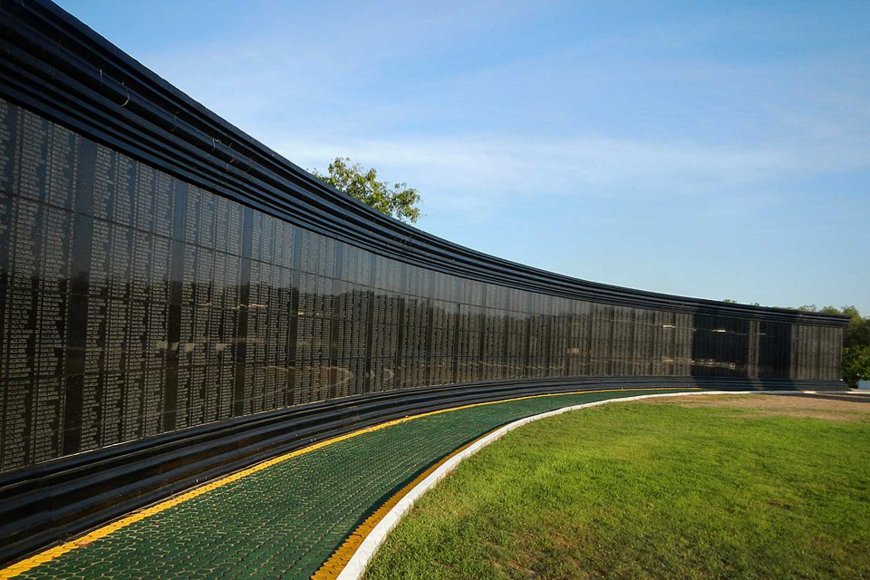 A memorial wall in Capas National Shrine inscribed with the names of victims of the Death March after the fall of Bataan.
The Bataan Death March: A Story of Suffering and Strength
The Bataan Death March remains one of the most harrowing episodes in Philippine history. Soldiers, many already weakened by disease and malnutrition, were forced to walk under the scorching heat with little to no water or food. Thousands died along the way, and those who survived carried the trauma for the rest of their lives.
Despite its tragedy, the event is remembered as a testament to human endurance. Survivors’ accounts have inspired generations to honor the sacrifices made for the country’s freedom.
 An AI generated image depicting the Death March.
National Holiday Observance
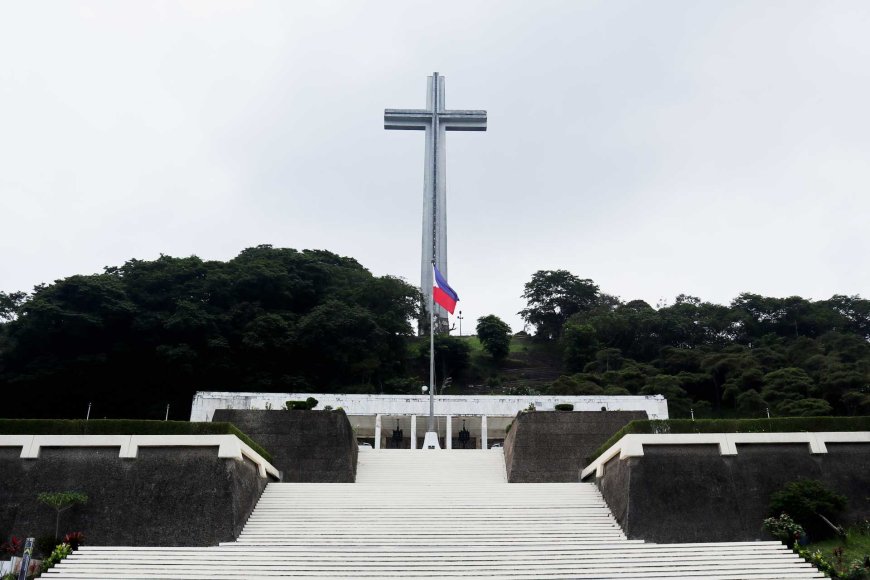
Araw ng Kagitingan is declared a national holiday in the Philippines, giving Filipinos time to reflect and pay tribute to wartime heroes. Government ceremonies are often held at the Mount Samat National Shrine in Pilar, Bataan—a towering memorial cross symbolizing the valor of the defenders of Bataan and Corregidor.
The President of the Philippines, along with military officials, war veterans, and foreign dignitaries, typically attend commemorations that include speeches, wreath-laying ceremonies, and flag-raising events. Schools and local government units also conduct programs to teach younger generations the importance of the day.
 President Ferdinand Marcos Jr. during the 83rd Araw ng Kagitingan on April 09, 2025.
Filipino-American Brotherhood in War
One key aspect of Araw ng Kagitingan is the recognition of the deep camaraderie between Filipino and American soldiers. Their joint defense of Bataan stands as one of the most significant demonstrations of allied unity during World War II.
The shared hardships forged an enduring bond between the Philippines and the United States, one that continues to influence diplomatic, military, and cultural relations to this day.

Modern Relevance and Lessons for Today
While Araw ng Kagitingan is rooted in a historical event, its lessons remain highly relevant. The courage, loyalty, and unity displayed during the Fall of Bataan serve as guiding principles for Filipinos facing modern-day challenges—whether in defending the country’s sovereignty, responding to disasters, or overcoming societal divisions.
For many, it is also a reminder that freedom and peace come at a great cost and that every generation has the responsibility to safeguard these ideals.
 Battling Bastards of Bataan Memorial.
Preserving the Legacy for Future Generations
Educators, historians, and cultural institutions in the Philippines continue to preserve the memory of Araw ng Kagitingan through exhibitions, documentaries, and oral history projects. War veterans and their families often share firsthand accounts, ensuring that the human side of the story is never forgotten.
In the age of digital media, social platforms also play a role in keeping the history alive. Every April 9, Filipinos post tributes, historical photos, and educational content to encourage awareness among the youth.
 Forever grateful to the Filipino veterans.
A Nation’s Eternal Gratitude
Araw ng Kagitingan is more than a holiday—it is a living tribute to those who gave everything for the country’s freedom. Each year, as the nation pauses to remember, the stories of heroism from Bataan inspire courage, resilience, and patriotism in the hearts of every Filipino.
By honoring the past, the Philippines strengthens its commitment to building a future where the sacrifices of its heroes are never in vain.
Nipino.com is committed to providing you with accurate and genuine content. Let us know your opinion by clicking HERE.