





































































The Unspoken: Decoding "Honne" and "Tatemae" in Japanese Culture
The intricate concepts of "honne" and "tatemae" in Japanese culture, shedding light on the dualities that govern interpersonal relationships. From the authentic self represented by "honne" to the socially acceptable facade of "tatemae," these concepts play a crucial role in shaping communication and societal norms in Japan.
"Honne" and "Tatemae" in Social Interactions
In Japanese culture, two concepts play a pivotal role in understanding the dynamics of social interactions: "honne" and "tatemae." These terms encapsulate the subtle nuances and unspoken rules that govern Japanese communication, offering a glimpse into the complexity of human relationships in this culturally rich society.
 Understanding "honne" and "tatemae" concepts is the key to better social interaction and communication in Japan
Defining "Honne" and "Tatemae"
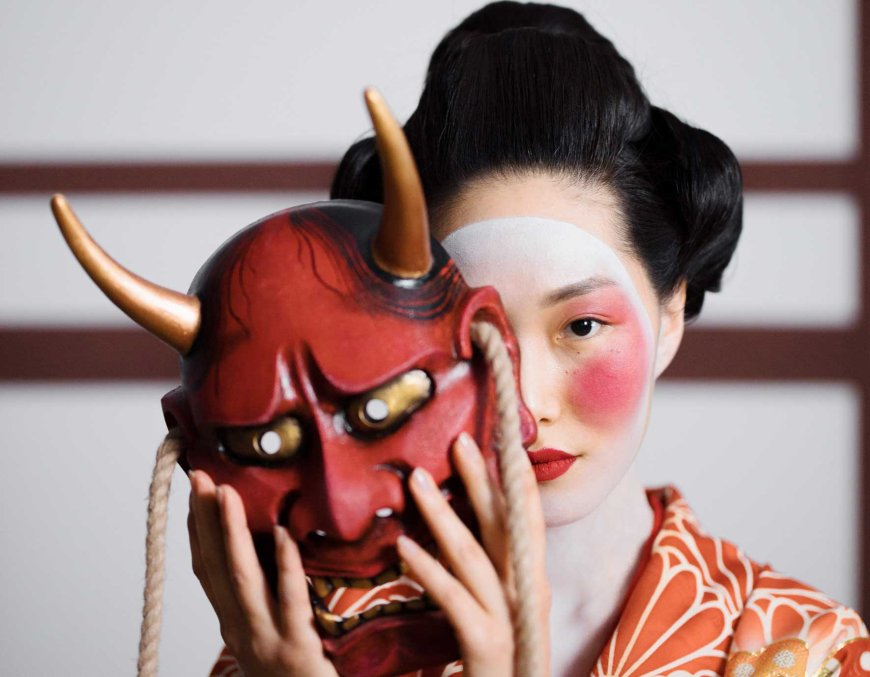
"Honne" and "tatemae" are Japanese words that express the duality inherent in human communication and behavior. "Honne" refers to one's true feelings, desires, and intentions – the authentic self that exists beneath the surface. On the other hand, "tatemae" represents the facade or public face that individuals present to society, often influenced by societal expectations, politeness, and conformity.
 "Honne" and "tatemae" are ways to express the duality inherent in human communication and behavior
Understanding "Honne"
"Honne" is the private, genuine self that individuals may not openly express in public. It encompasses personal thoughts, emotions, and opinions that might deviate from societal norms. In Japanese culture, expressing "honne" can be perceived as intimate and reserved for close relationships, as open disclosure of personal feelings is not always encouraged in public spaces.
For instance, in a work setting, an employee may have reservations about a particular decision but might keep these concerns to themselves, adhering to the cultural value of group harmony. Sharing such "honne" might disrupt the smooth flow of social interactions.
 "Honne" is one's true feelings but not openly expressed
Understanding "Tatemae"
Contrary to "honne," "tatemae" is the socially acceptable facade that individuals present to maintain harmony and avoid conflict. It involves adhering to societal norms and expectations, even if they diverge from one's true feelings. This concept is deeply ingrained in Japanese society and plays a crucial role in maintaining social order.
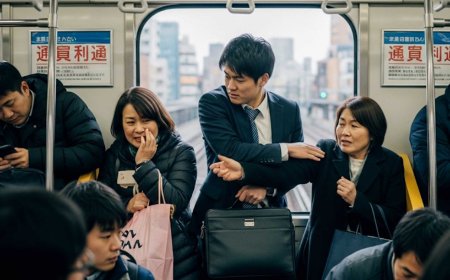
In a professional setting, an employee might express support for a decision during a meeting to maintain harmony and avoid confrontation, even if their true feelings differ. This adherence to "tatemae" helps uphold the importance of collective well-being over individual opinions.
 "Tatemae" is withholding one's genuine opinion and expressing what is "acceptable" to maintain harmony and/or to avoid conflict
The Interplay of "Honne" and "Tatemae"
Navigating the delicate balance between "honne" and "tatemae" is a subtle art in Japanese culture. Individuals must discern when it is appropriate to express their true feelings and when conformity to societal expectations is necessary. Striking this balance contributes to the maintenance of social harmony, a cornerstone of Japanese interpersonal relationships.
 Balancing between "honne" and "tatemae" is significant in Japanese communication
Cultural Implications
The concepts of "honne" and "tatemae" extend beyond individual interactions and permeate various aspects of Japanese society. From family dynamics to workplace relationships, understanding these cultural dynamics is essential for effective communication.
In romantic relationships, for example, individuals may initially adhere to "tatemae" to maintain a harmonious atmosphere. Over time, as trust and intimacy develop, partners may gradually reveal their "honne," fostering a deeper connection.
 Partners may gradually reveal their "honne," to foster deeper connection
"Honne" and "tatemae" serve as cultural keystones in Japan, shaping the way individuals communicate and navigate societal expectations. Acknowledging the existence of these dualities is crucial for anyone seeking a deeper understanding of Japanese culture. As the world continues to globalize, appreciating and respecting these cultural nuances fosters better cross-cultural communication and enriches our appreciation for the diversity of human interactions.
Nipino.com is committed to providing you with accurate and genuine content. Let us know your opinion by clicking HERE.