
























































Japanese Etiquette Guide for First-Time Visitors and Residents
Japanese etiquette is rooted in respect, harmony, and awareness of others, shaping how people behave in both public and private spaces.
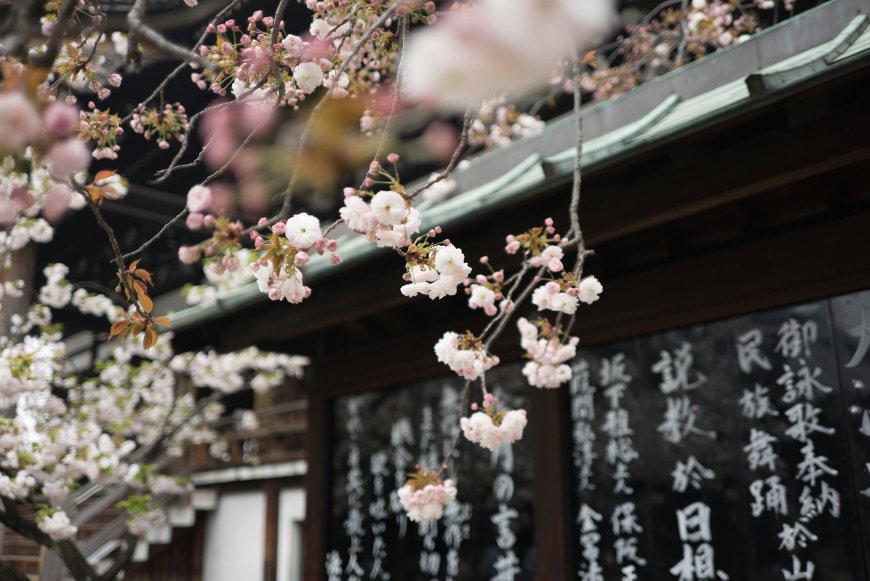
Why Etiquette Matters in Japan
For anyone arriving in Japan for the first time, etiquette is not just about being polite—it is part of everyday life. Social harmony and mutual respect are deeply valued, and even small actions can leave a lasting impression.
Understanding basic etiquette allows foreigners to navigate Japan more comfortably, avoid awkward situations, and build better relationships with locals.
Want a smoother start in Japan? Check out the Japan Starter Toolkit.
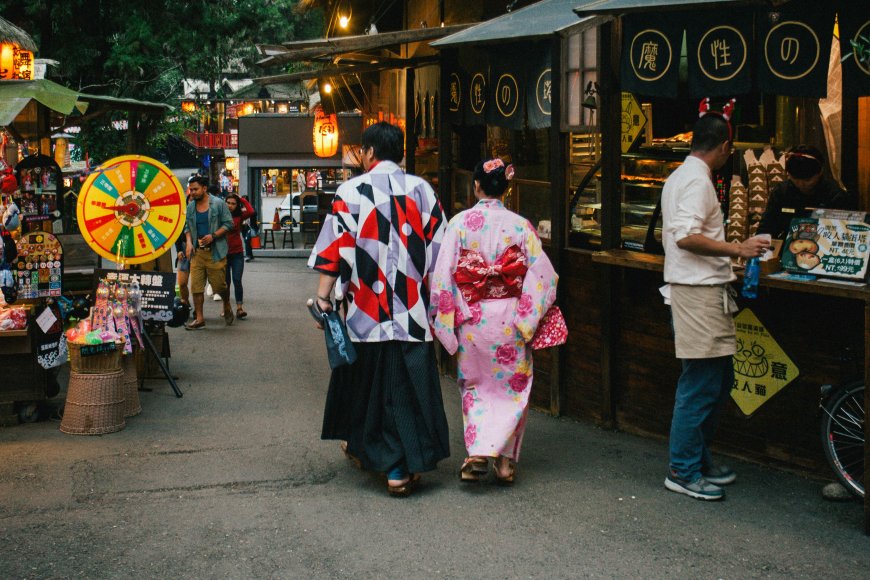
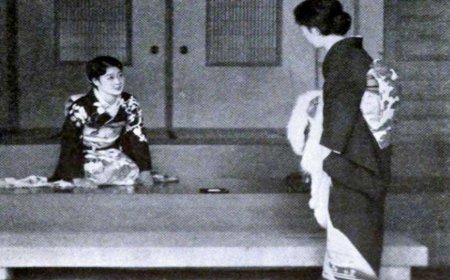
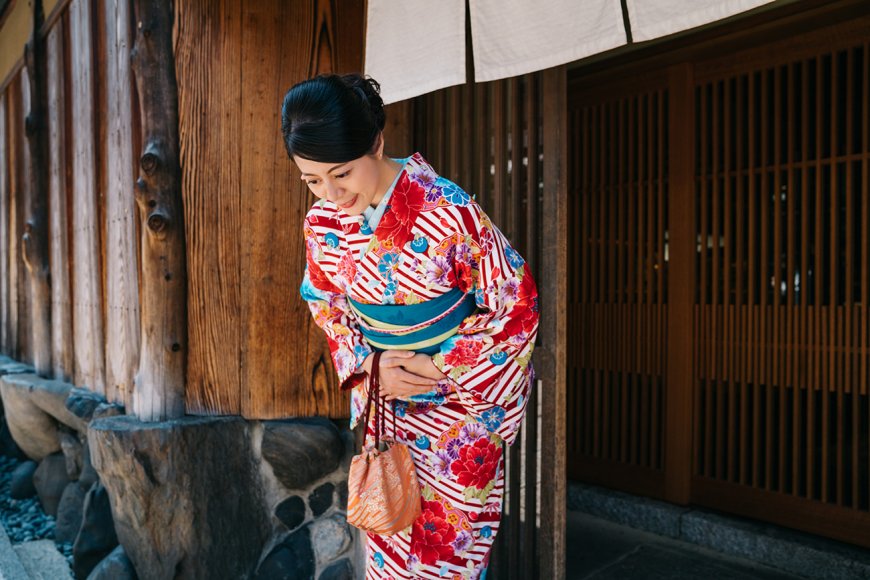
Greeting Etiquette: The Art of Bowing
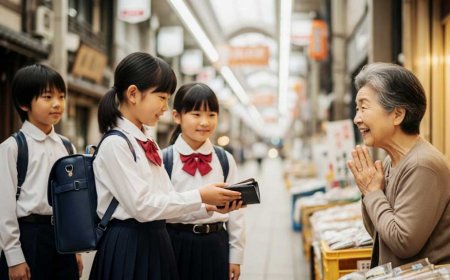
One of the most recognizable aspects of Japanese culture is bowing.
Bowing is used to:
- Greet someone
- Show gratitude
- Apologize
- Show respect
The depth of the bow varies depending on the situation. A slight bow is used in casual settings, while a deeper bow is used for formal occasions.
Although foreigners are not expected to bow perfectly, making an effort shows respect and cultural awareness.
Speaking Politely: Language Reflects Respect
In Japan, how something is said is just as important as what is said.
Polite speech is commonly used, especially when:
- Talking to strangers
- Speaking with coworkers
- Interacting in public settings
Even simple phrases like:
- "Arigatou gozaimasu" (Thank you)
- "Sumimasen" (Excuse me / Sorry)
can go a long way in daily interactions.
Want to speak naturally and politely? Get Everyday Japanese for Beginners.
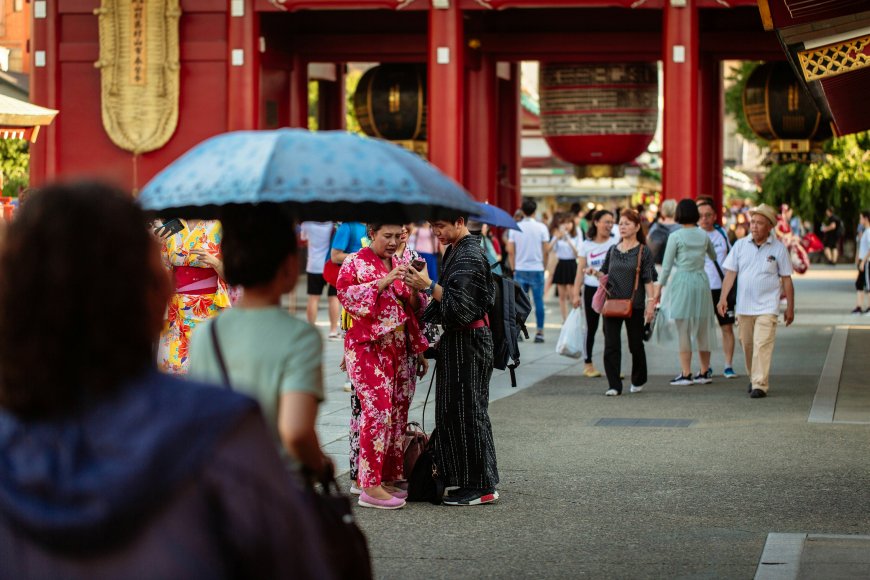
Public Behavior: Quiet and Considerate
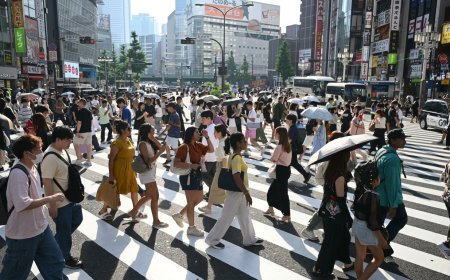
Public spaces in Japan are known for being calm and quiet.
Important etiquette includes:
- Avoid talking loudly
- Do not take phone calls on trains
- Keep your surroundings clean
People are expected to be mindful of others at all times. Even in crowded places, noise levels remain low.
For foreigners, adjusting to this quiet environment is one of the first cultural changes they experience.
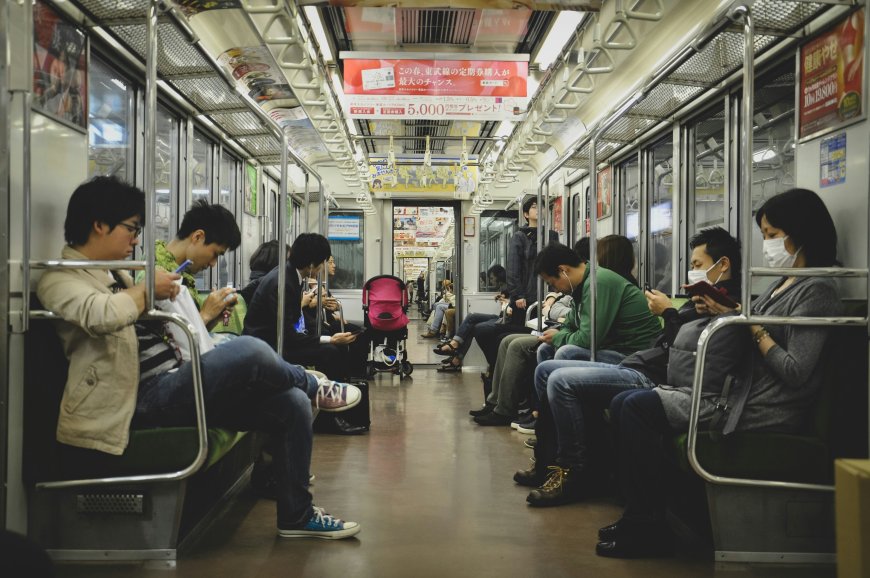
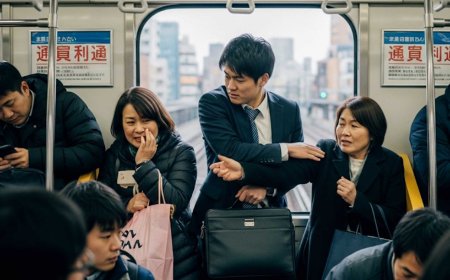
Train Etiquette: Respecting Shared Spaces
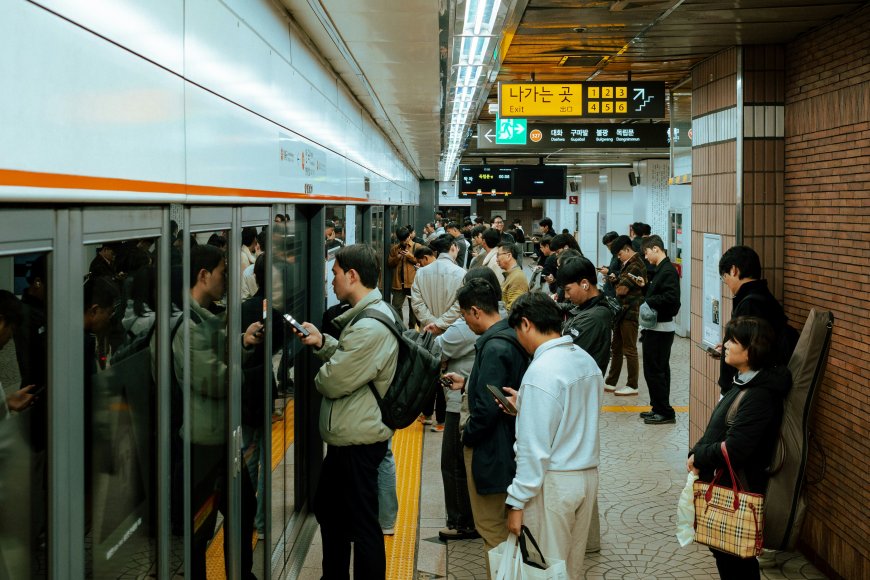
Japan's train system is efficient—but also governed by strict etiquette.
Key rules include:
- Stand in line while waiting
- Let passengers exit before entering
- Avoid eating on regular commuter trains
- Keep phones on silent mode
Following these rules helps maintain order in busy public transportation systems.
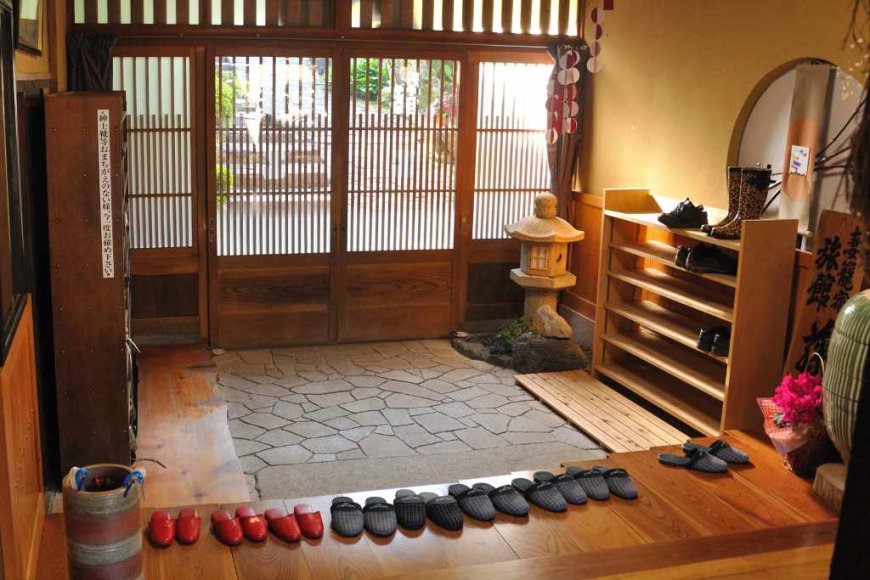
Shoes Off: Indoor Etiquette
In Japan, wearing shoes indoors is generally not allowed.
Shoes should be removed:
- When entering homes
- In some traditional restaurants
- In certain cultural or historical buildings
Indoor slippers are often provided. This practice reflects the importance of cleanliness and respect for living spaces.
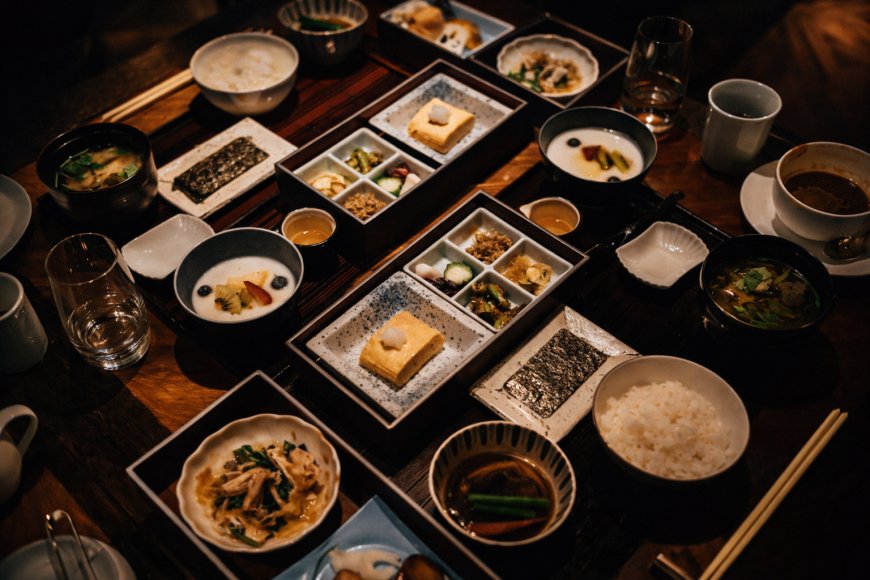
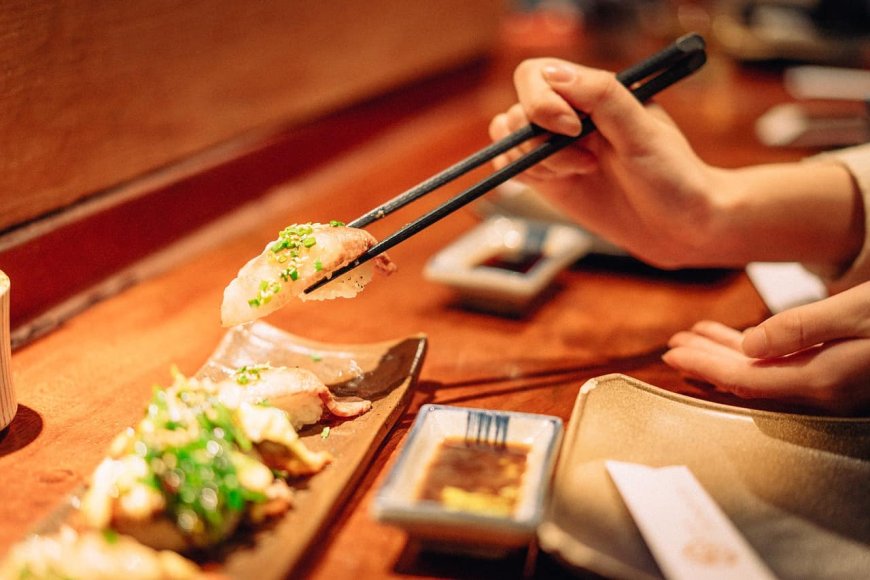
Dining Etiquette: Respect at the Table
Dining etiquette in Japan includes several important customs.
Before eating:
- Say "Itadakimasu"
After eating:
- Say "Gochisousama deshita"
Other key rules:
- Do not stick chopsticks upright in rice
- Do not pass food directly between chopsticks
- Avoid pointing with chopsticks
These practices are deeply rooted in tradition and respect.
Learn useful dining phrases with Everyday Japanese for Beginners.
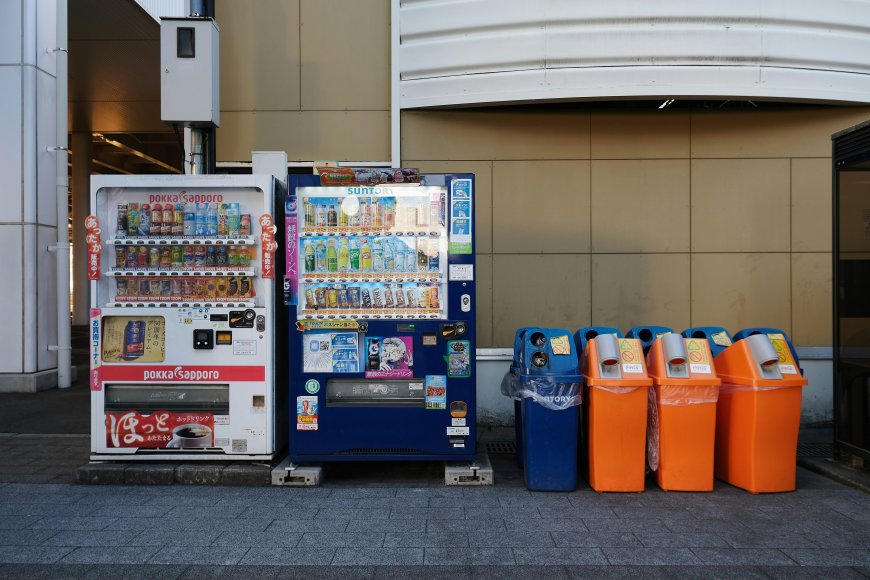
Cleanliness and Trash Rules
Japan is known for its cleanliness, and this is maintained through strict habits.
Residents are expected to:
- Sort trash properly (burnable, non-burnable, recyclables)
- Follow designated trash collection days
- Keep personal and shared spaces clean
Ignoring these rules can cause inconvenience for others, so attention to detail is important.
Avoid confusion with the Japan Starter Toolkit.
Gift-Giving Etiquette: Thoughtfulness Matters
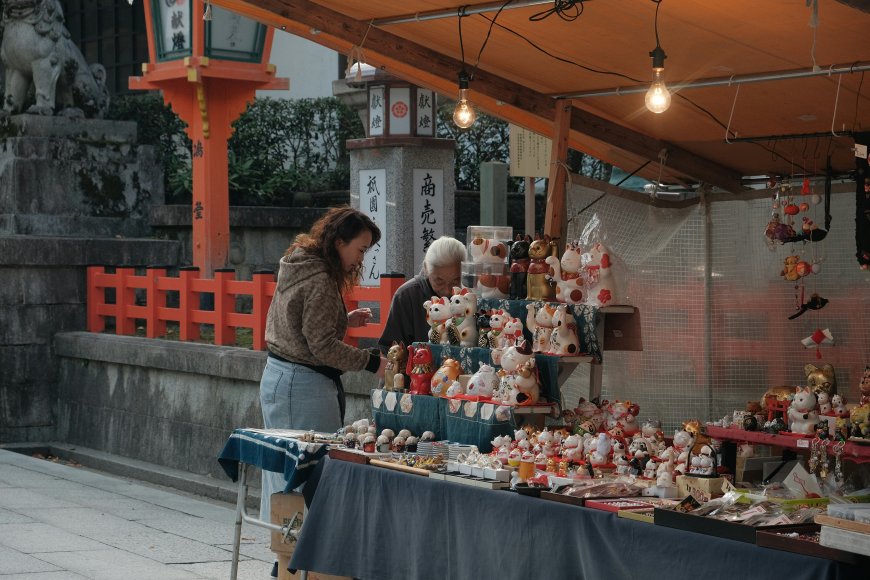
Gift-giving is an important part of Japanese culture.
Common situations include:
- Bringing souvenirs (omiyage) when traveling
- Giving gifts when visiting someone's home
- Offering small tokens in professional settings
Presentation is also important. Gifts are usually wrapped carefully and given with both hands.
Workplace Etiquette: Professional Conduct
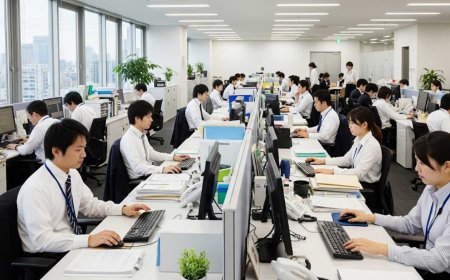
For those working in Japan, workplace etiquette is essential.
Important behaviors include:
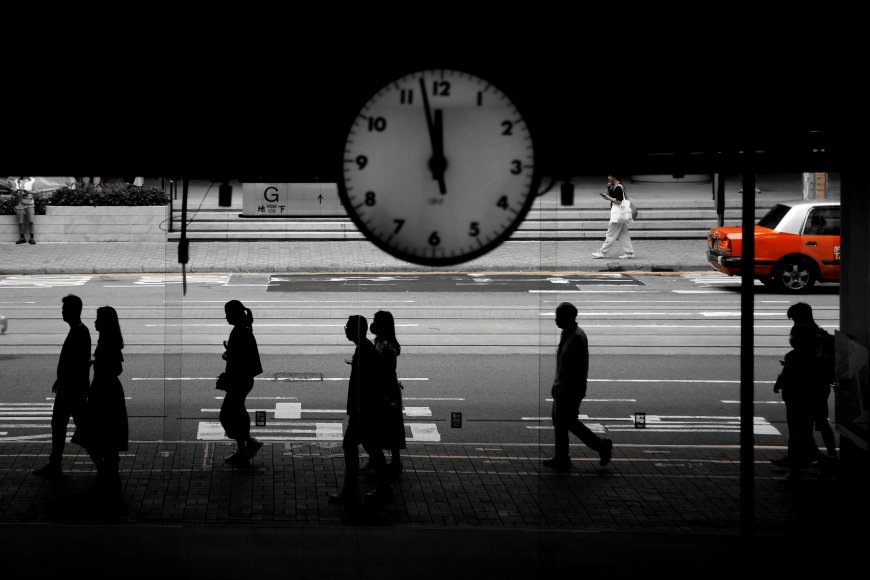
- Arriving on time or early
- Respecting hierarchy (senpai–kohai system)
- Using polite language
Workplaces value teamwork and cooperation, and maintaining harmony is key.
Common Etiquette Mistakes to Avoid
Foreigners often make mistakes simply because they are unfamiliar with local customs.
Common mistakes include:
- Speaking too loudly in public
- Ignoring small rules (like trash sorting)
- Using overly casual language
- Not observing others before acting
The good news is that most people appreciate effort and willingness to learn.
How to Adapt to Japanese Etiquette
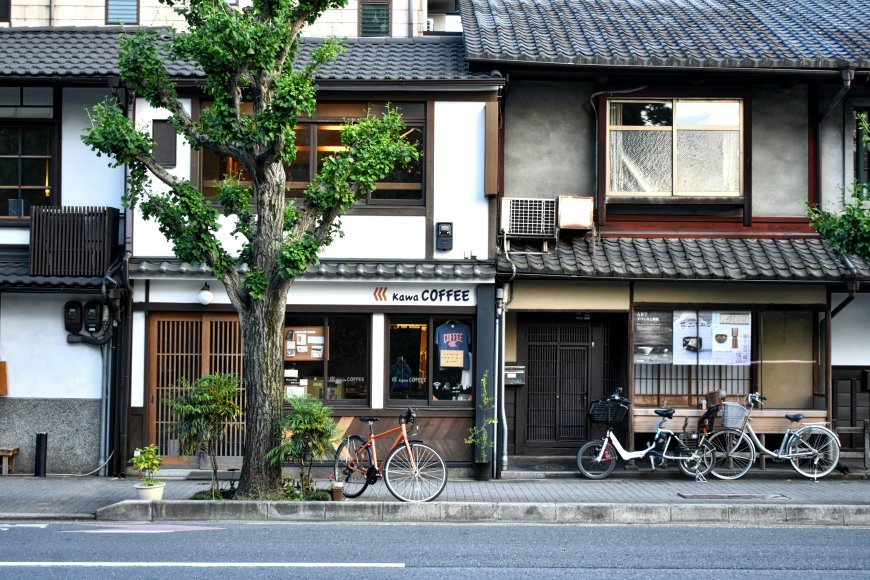
Adapting to etiquette in Japan takes time, but small steps make a big difference.
Helpful tips:
- Observe how locals behave
- Learn basic phrases
- Ask politely when unsure
- Stay open-minded
Over time, these habits become natural.
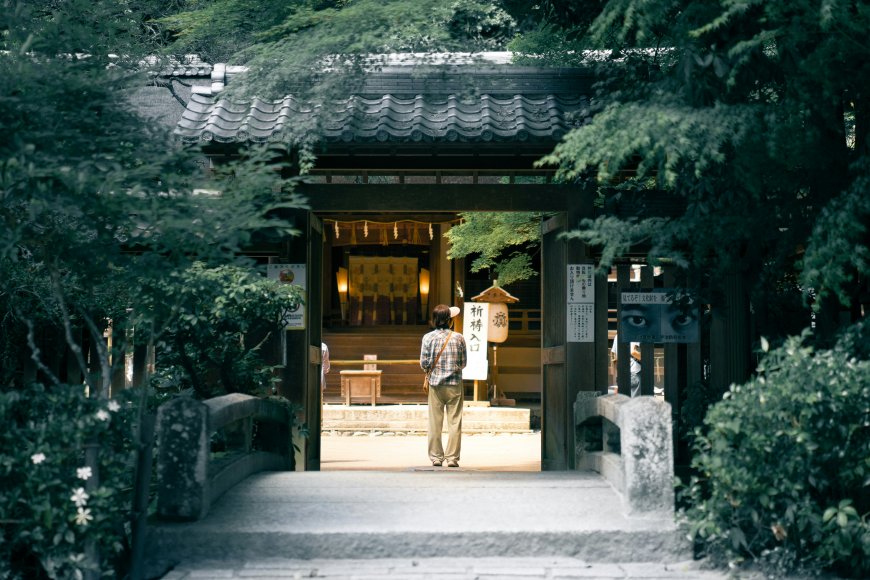
Respect Builds Connection
Japanese etiquette may seem strict at first, but it is built on simple principles: respect, awareness, and consideration for others.
For first-time visitors and residents, understanding and practicing these behaviors leads to smoother interactions and a more enjoyable experience in Japan.
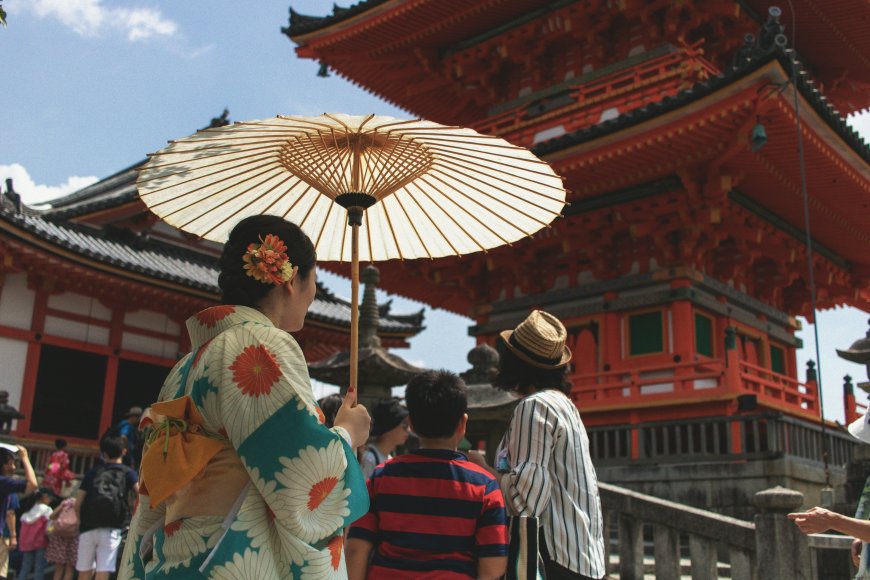
Start Your Life in Japan the Right Way
Get everything you need to settle smoothly with the Japan Starter Toolkit.
Speak confidently in real-life situations with Everyday Japanese for Beginners.
Prepare Smarter, Live Better in Japan (FREE Download)
Download the First 7 Days in Japan Checklist (FREE)
Don’t guess what to do — follow a proven plan.
Download your FREE “First 7 Days in Japan Checklist” PDF now:
✔ Instant download
✔ Mobile-friendly
✔ Printable
Want the COMPLETE Version? (Premium Upgrade)
If you want a deeper, more powerful guide, there’s also a premium version available on Gumroad.
Nipino.com is committed to providing you with accurate and genuine content. Let us know your opinion by clicking HERE.